








Industry News
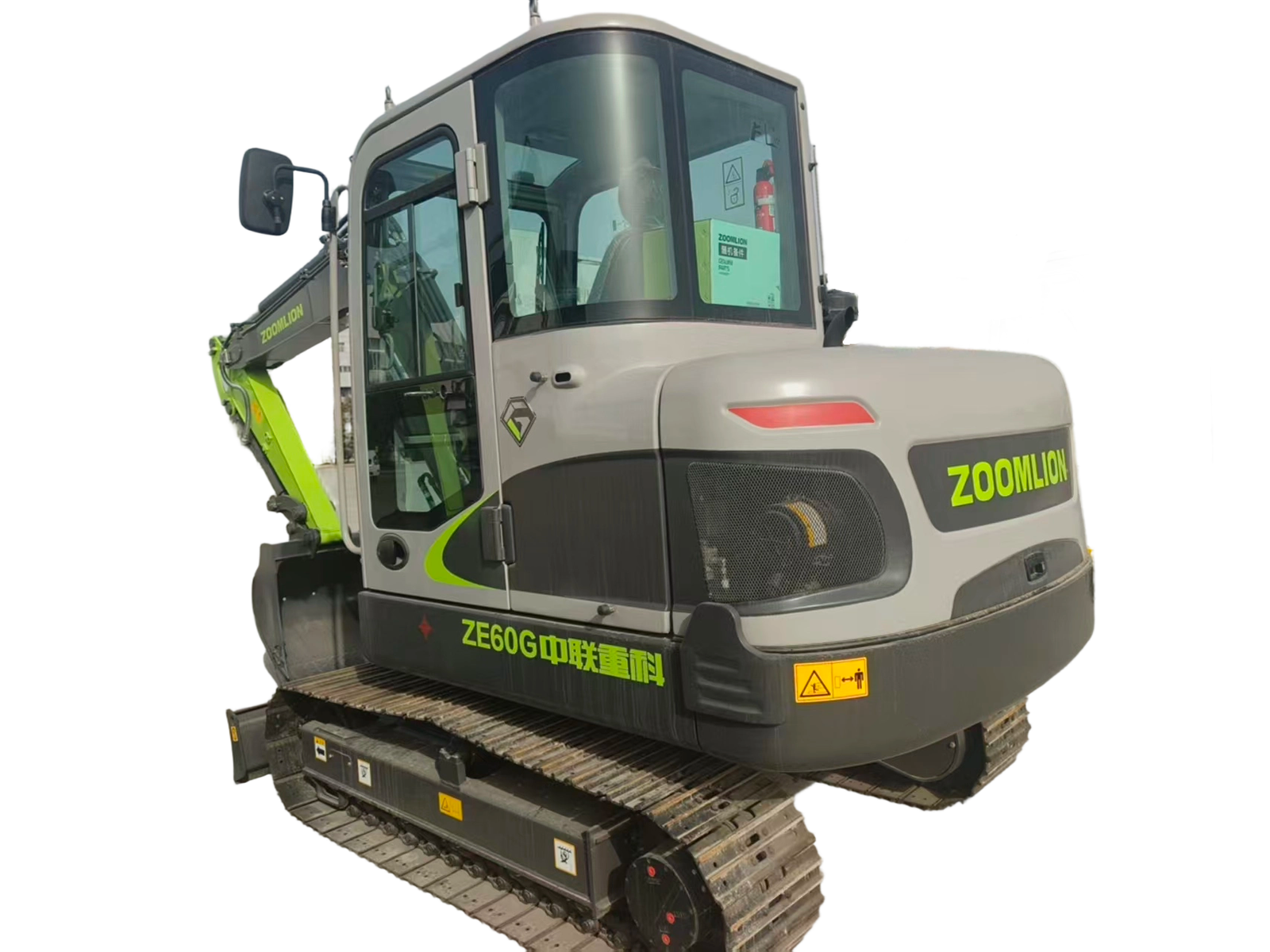
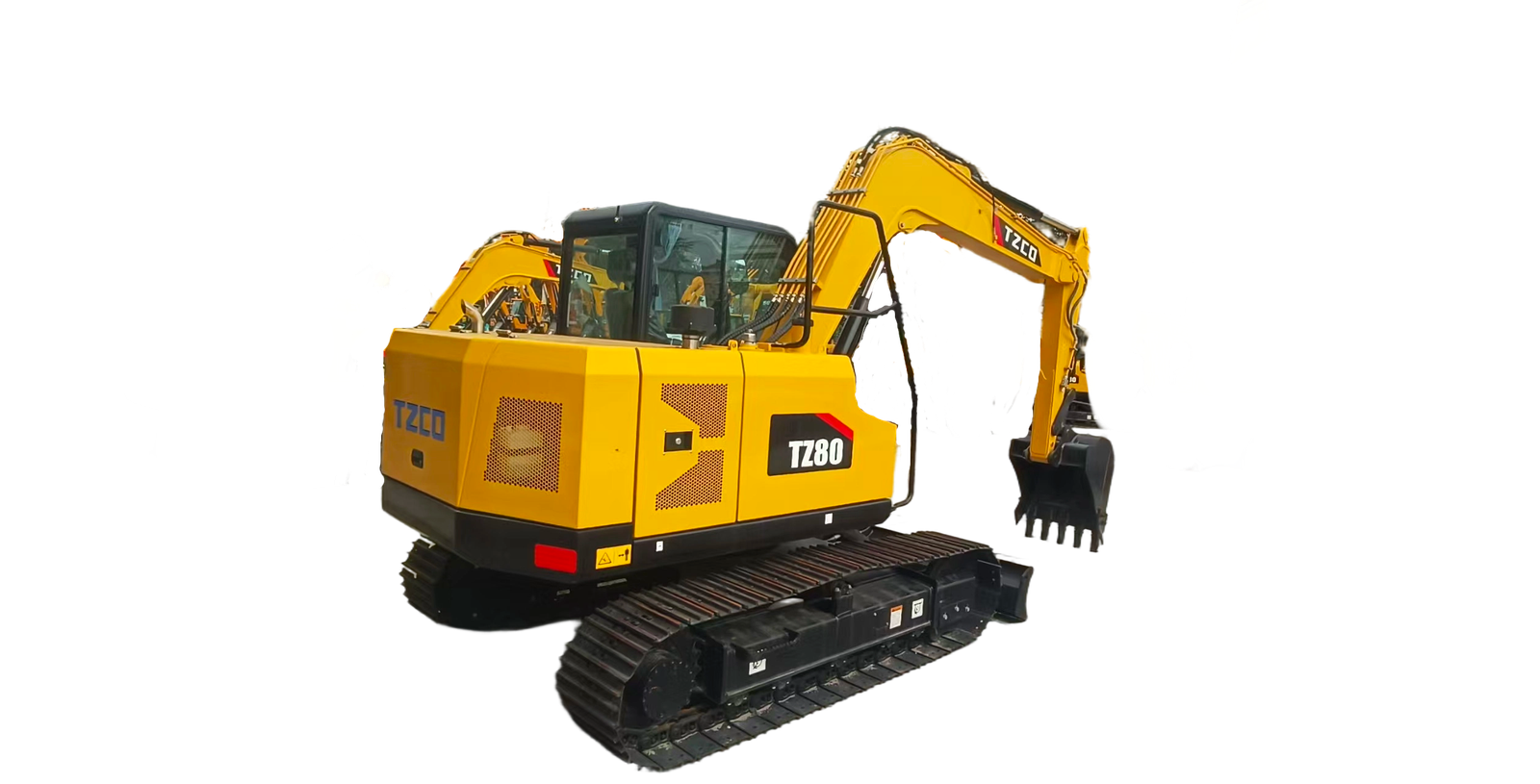
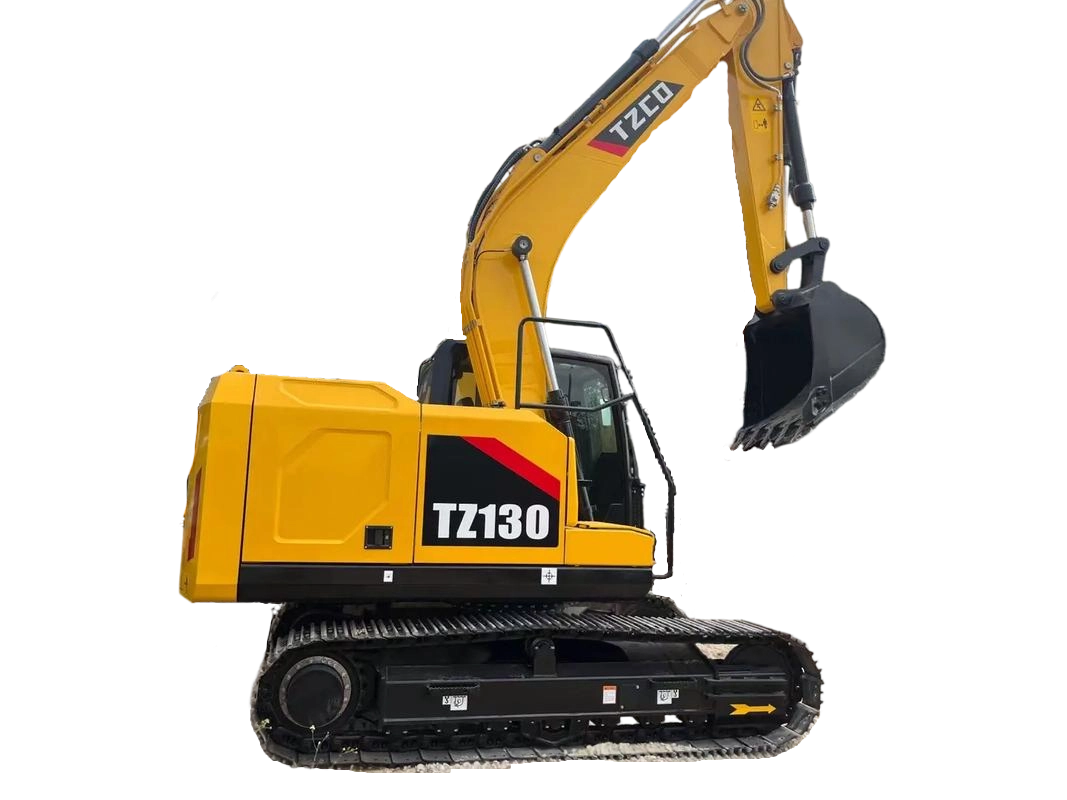
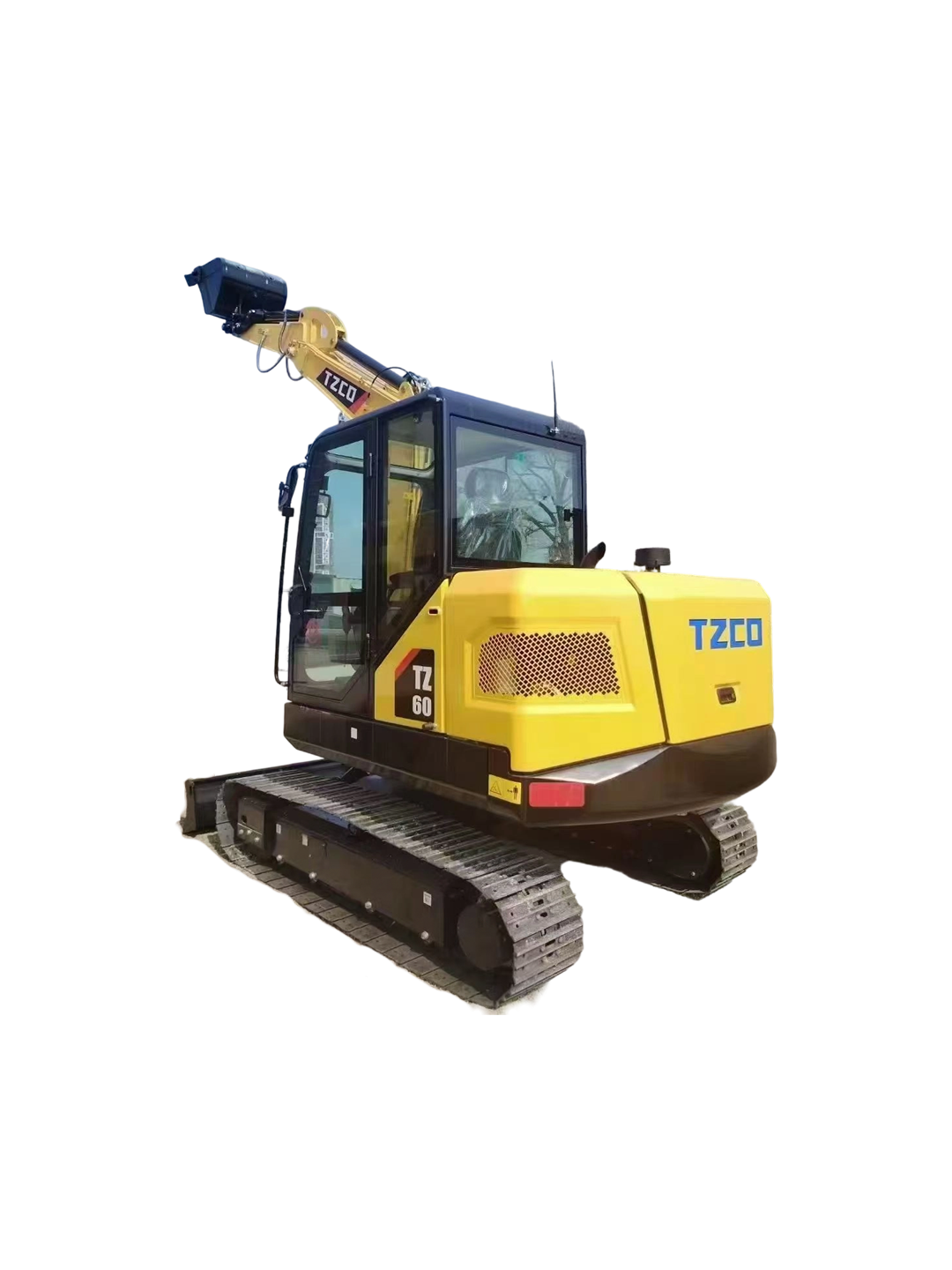
Track excavators for sale New VS Used Track Diggers Maintenance Cost Analysis
Jul
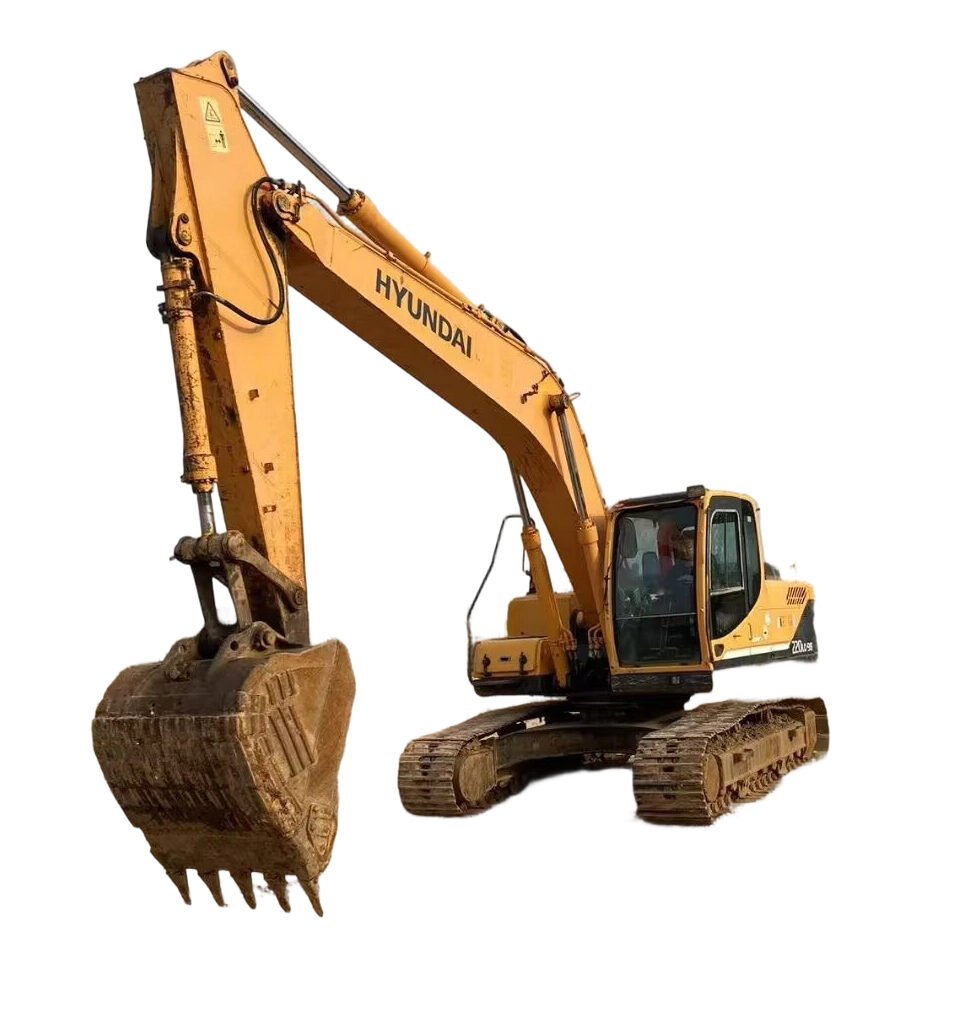
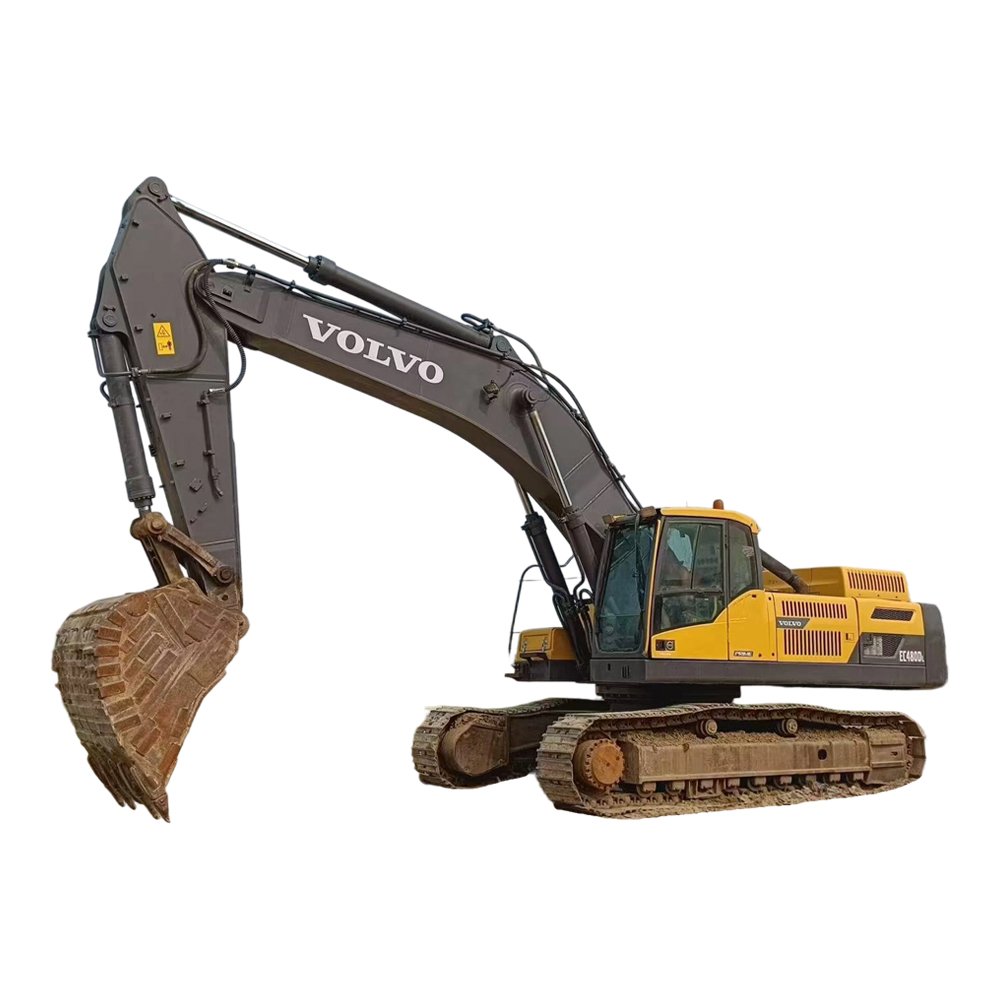
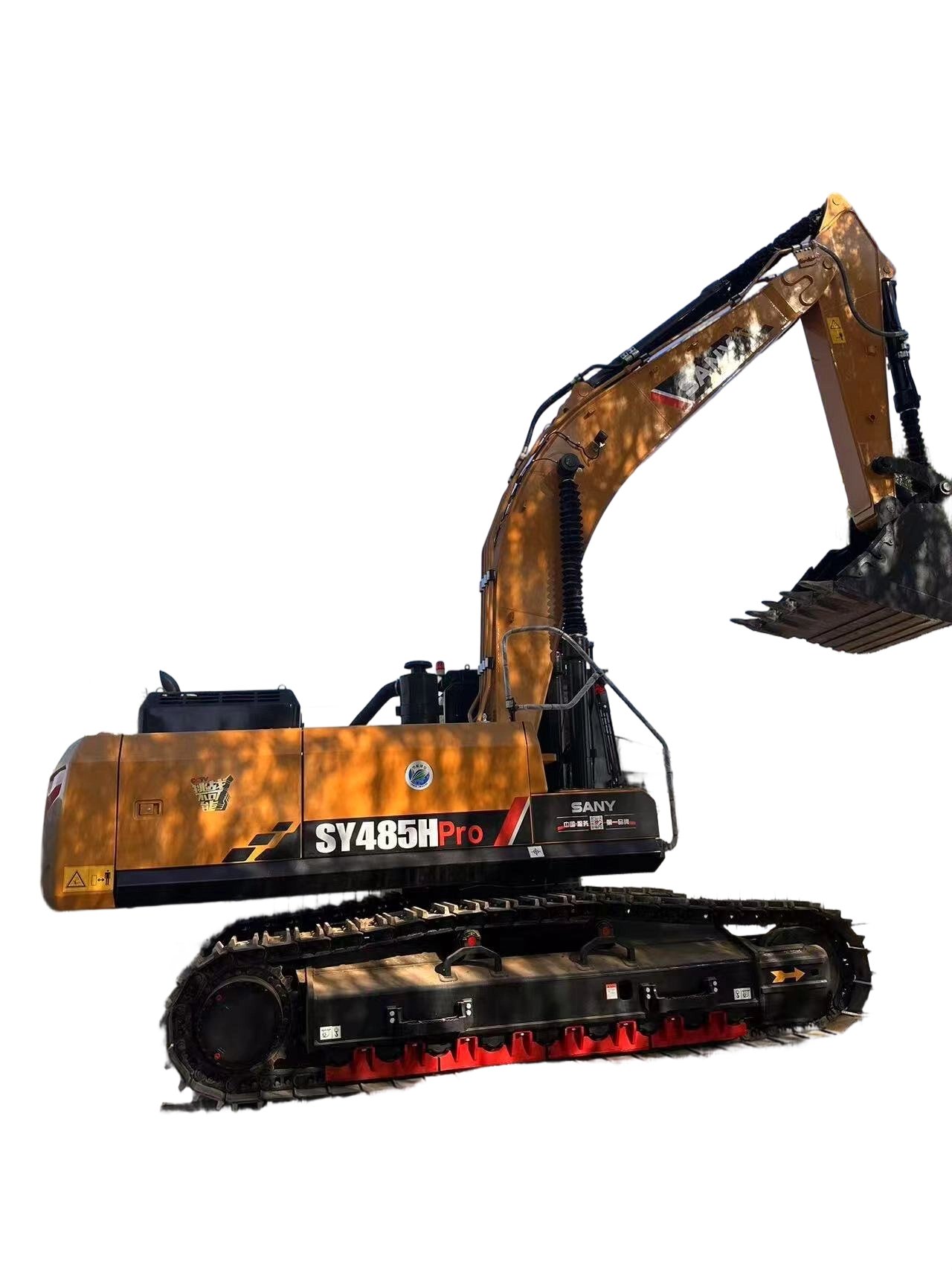
When searching for track excavators for sale, many buyers focus mainly on the initial purchase price. However, the real cost of owning a track digger goes far beyond the amount paid at the beginning. Maintenance expenses, operating hours, working conditions, parts availability, fuel efficiency, and long-term reliability all influence the total investment.
For construction companies, landscaping contractors, agricultural operators, and earthmoving professionals, choosing between a new and used track excavator requires careful consideration. A machine that fits the project requirements can improve productivity, reduce downtime, and create better long-term value.
Track excavators are widely used for foundation work, road construction, trench digging, land preparation, demolition projects, drainage installation, and many other applications. Since these machines often operate in demanding environments, understanding maintenance costs is essential before making a purchase decision.
Comparing New and Used Track Excavators from a Cost Perspective
A new track excavator usually provides the advantage of modern technology, factory support, and predictable operating performance. For businesses that need maximum reliability for daily operations, a new machine can provide confidence during important projects.
New excavators often include advanced hydraulic systems, improved fuel efficiency, updated operator comfort features, and optimized control systems. These improvements can help operators complete tasks more efficiently, especially during long working hours.
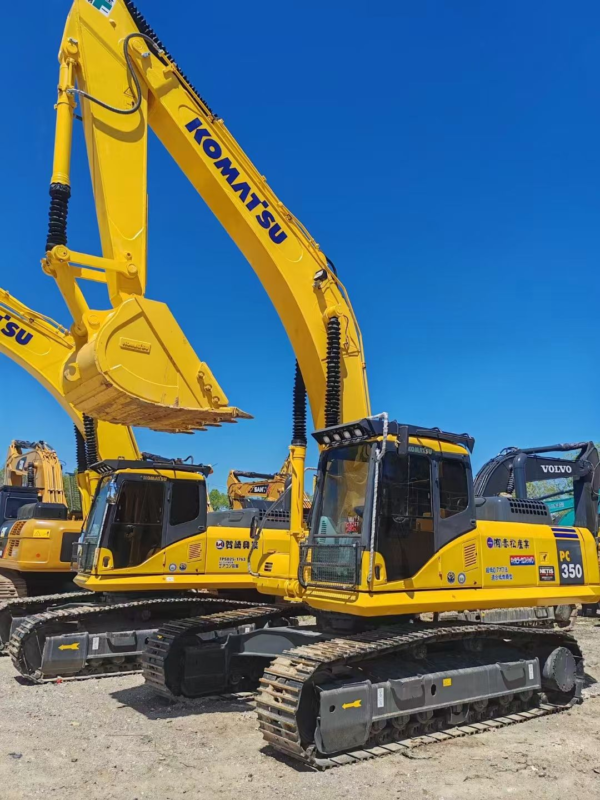
Used track excavators, on the other hand, can provide excellent value for buyers who want strong performance while managing investment costs carefully. A well-maintained used machine can continue delivering reliable results for many years, making it a practical option for small contractors, rental businesses, and companies expanding their equipment fleet.
The key factor when purchasing a used excavator is understanding its maintenance history, working hours, previous applications, and overall condition. A properly inspected used track digger can become a valuable asset for many different types of projects.
Maintenance Costs That Affect Track Excavator Ownership
Maintenance is one of the most important factors when calculating the true cost of a track excavator. Regular servicing helps protect the machine, improve working efficiency, and prevent unexpected interruptions.
Routine maintenance usually includes checking hydraulic systems, replacing filters, inspecting engine components, monitoring track systems, and maintaining lubrication. These basic steps help ensure the excavator continues operating smoothly under different job conditions.
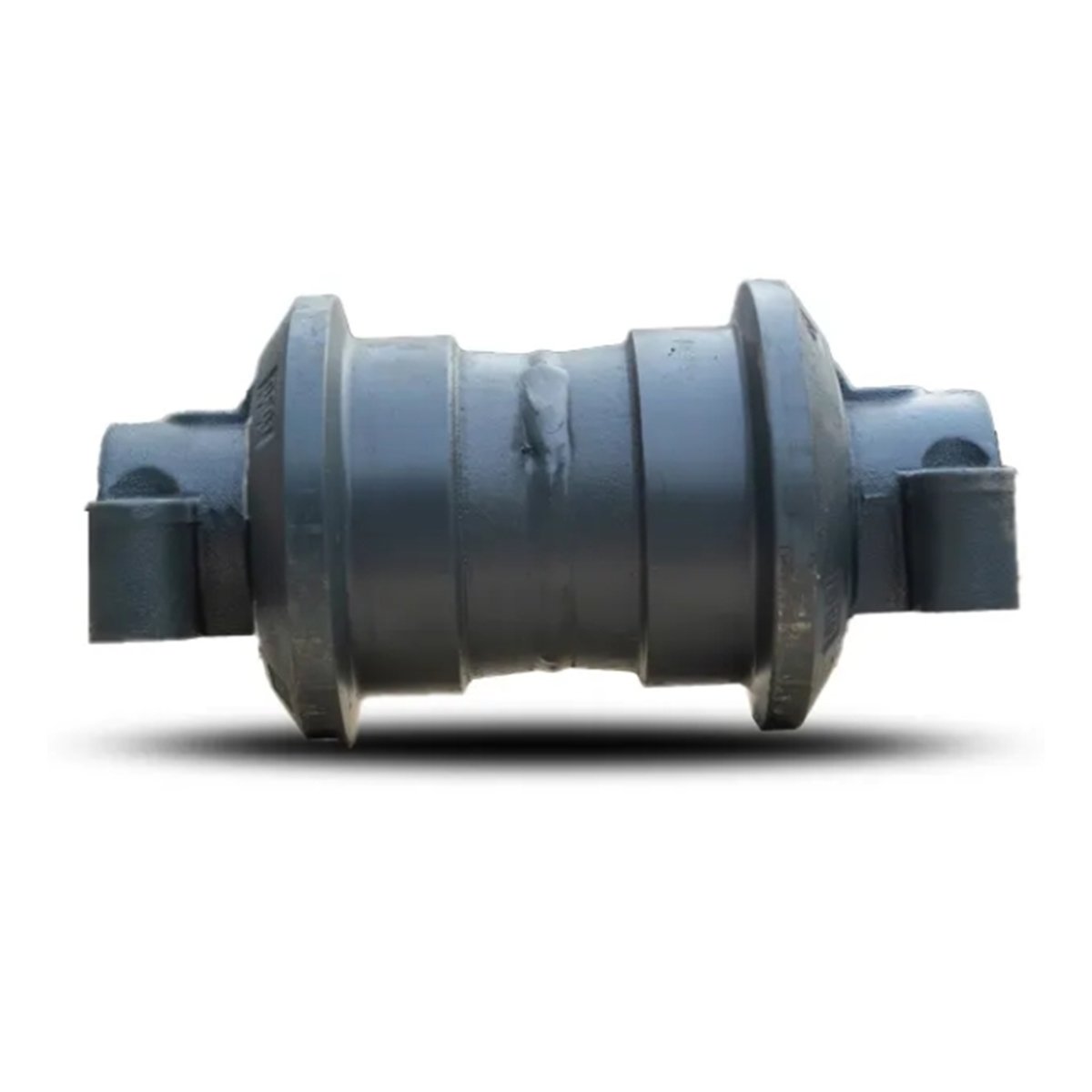
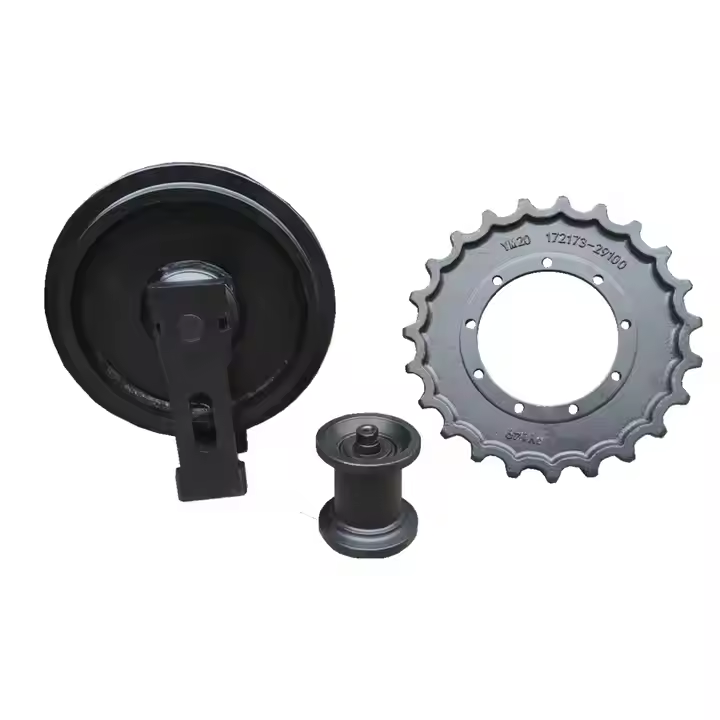
The track system is especially important because excavators often work on uneven terrain, construction sites, and outdoor environments. Proper inspection of tracks, rollers, sprockets, and related components can help extend service life and maintain machine stability.
Used excavators may require more attention depending on previous usage, but many buyers find that choosing a carefully inspected machine allows them to achieve a good balance between purchase cost and maintenance investment.
For businesses purchasing equipment for long-term use, creating a regular maintenance schedule is just as important as selecting the right machine.
Choosing the Right Excavator Based on Your Working Environment
The best track excavator choice depends heavily on the type of work being performed. Different projects require different machine sizes, power levels, and operating capabilities.
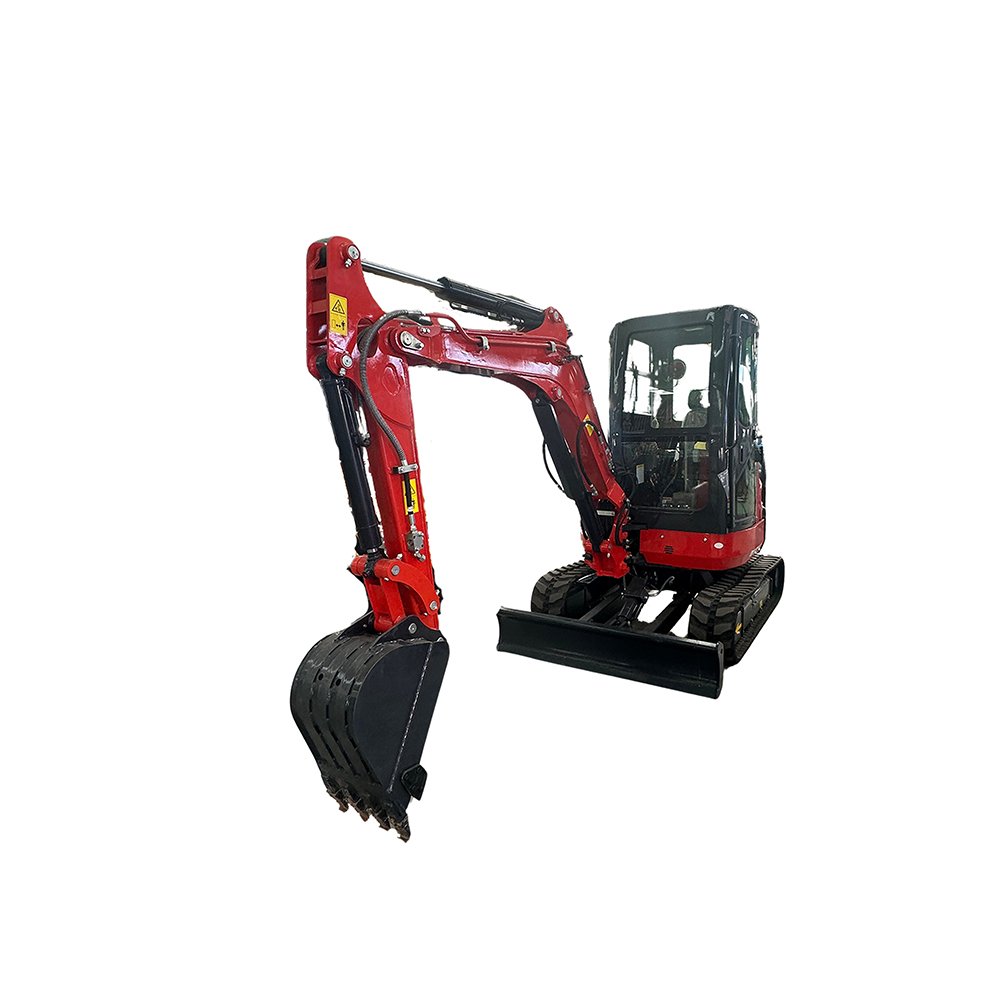
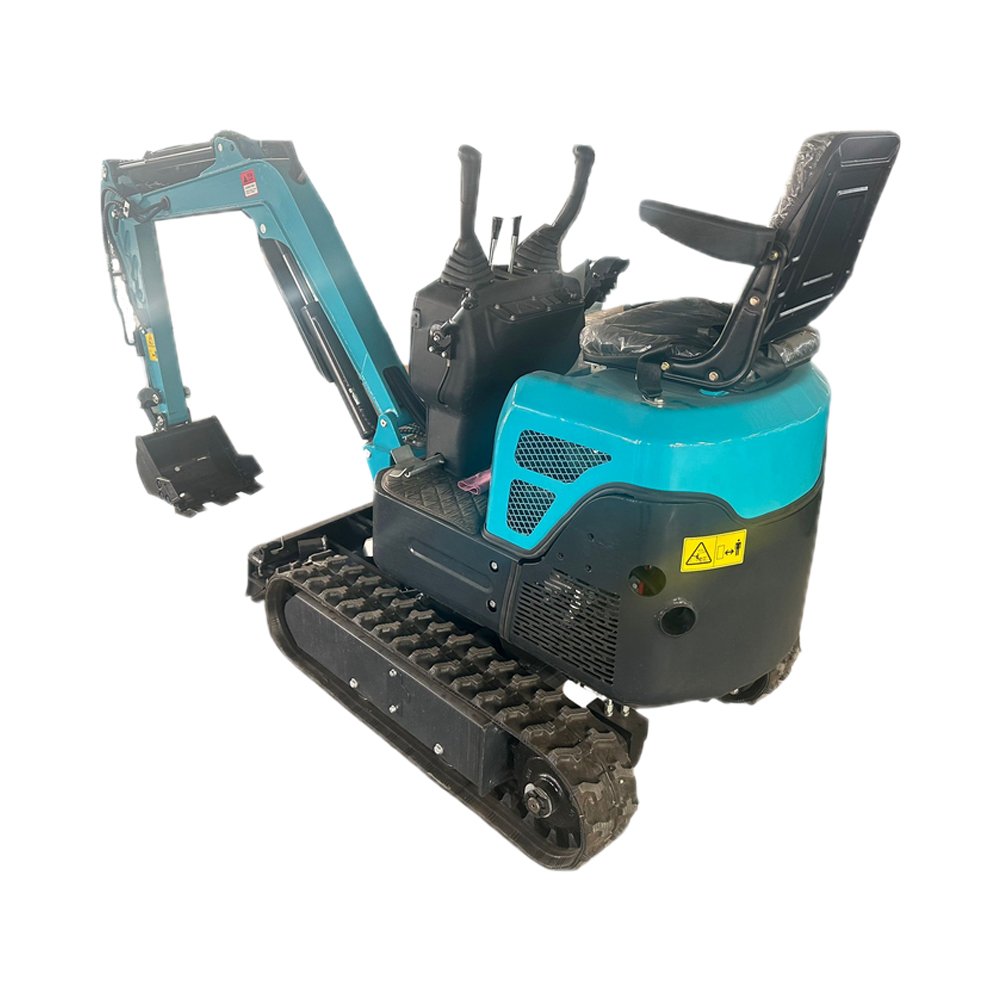
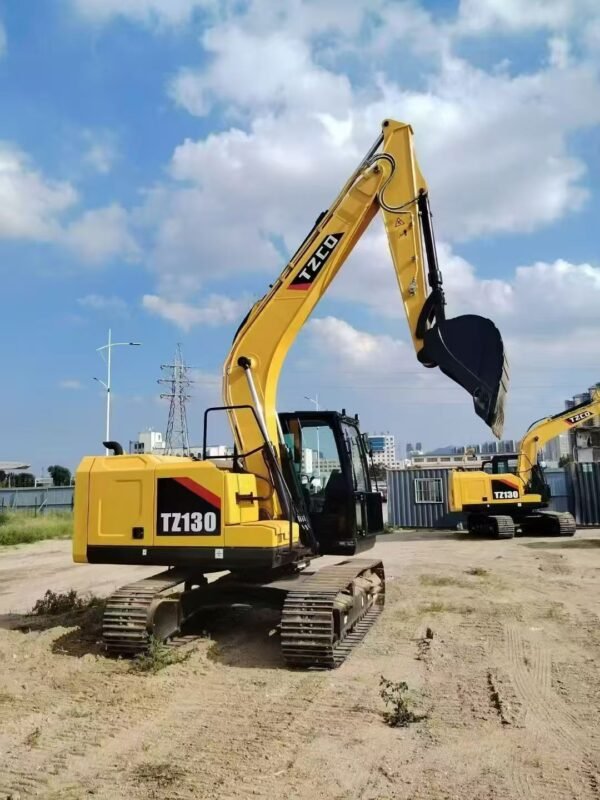
For residential construction, landscaping, and small excavation projects, compact track excavators can provide flexibility in limited spaces. They are easier to transport and suitable for tasks such as garden preparation, utility installation, and small foundation work.
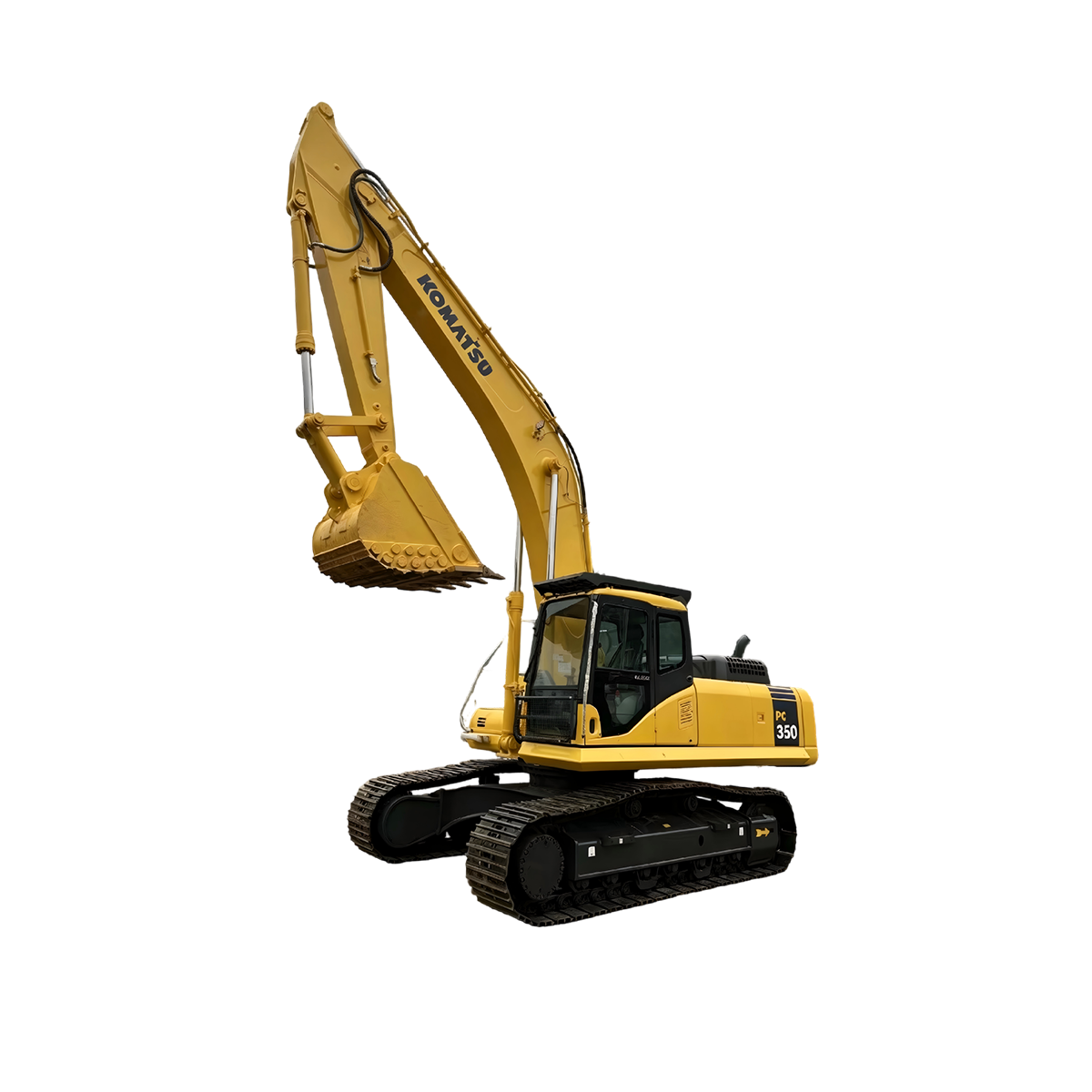
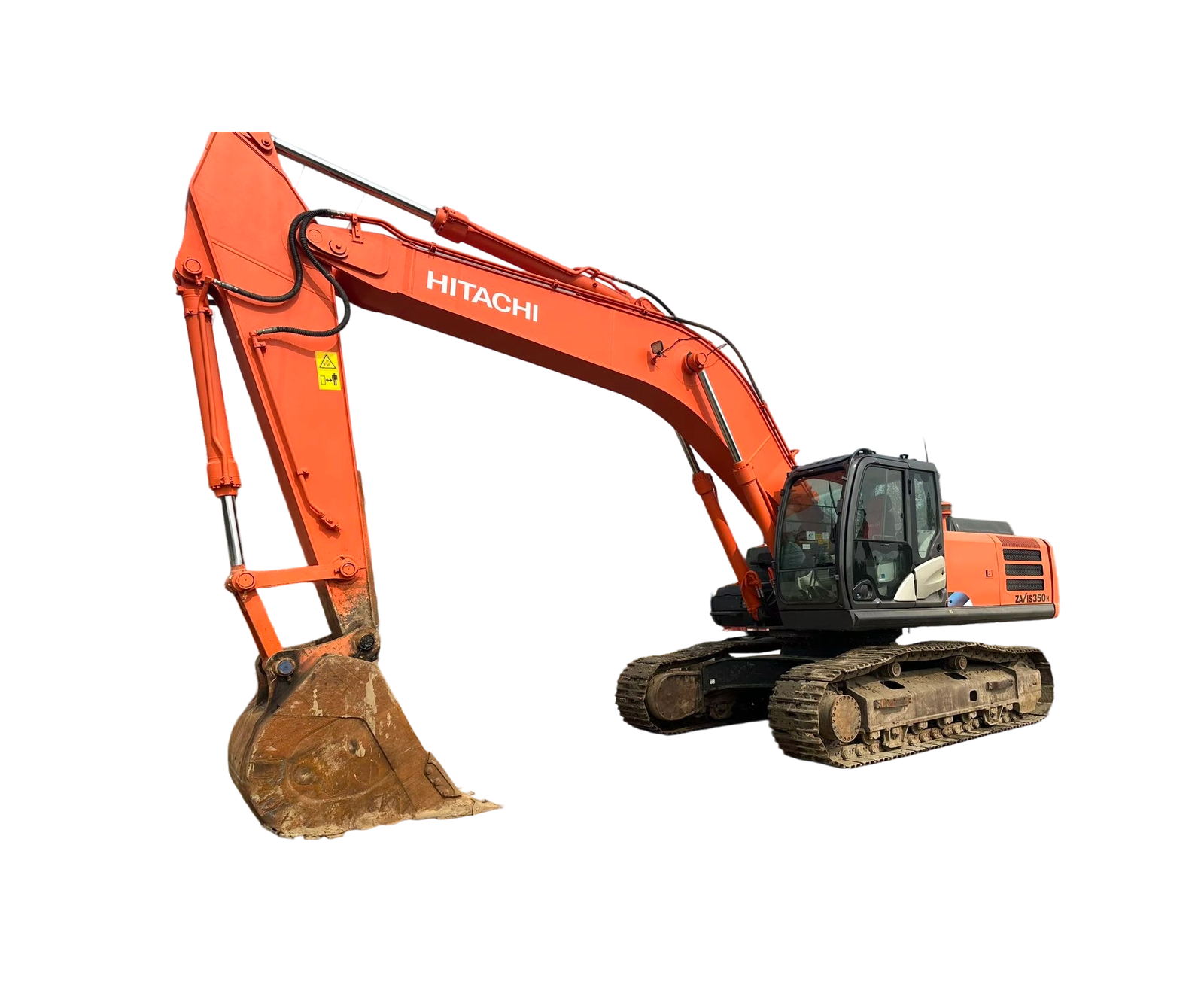
For larger construction projects, mining support, road development, and heavy earthmoving applications, larger track excavators provide greater digging force and productivity. These machines are designed for demanding workloads and extended operation periods.
Before purchasing, buyers should evaluate factors such as average daily operating hours, soil conditions, transportation requirements, and available maintenance support. Selecting a machine based on actual project needs can prevent unnecessary operating costs.
How to Evaluate a Used Track Excavator Before Buying
Buying a used track excavator requires careful evaluation to ensure the machine matches expectations. A detailed inspection can help buyers understand the condition of important components.
The engine should be checked for smooth operation, unusual sounds, and overall performance. Hydraulic systems should be evaluated because they directly affect lifting, digging, and machine movement. The condition of the tracks and undercarriage should also be reviewed, as these components experience significant wear during operation.
Operating hours provide useful information, but they should be considered together with maintenance records and machine usage conditions. A machine with proper servicing may perform better than one with fewer hours but poor maintenance history.
Working with an experienced equipment supplier can make the purchasing process easier. THBSMN provides used excavator solutions and helps customers find suitable machines based on project requirements, budget considerations, and operational needs.
Reducing Long-Term Operating Expenses Through Smart Management
Whether purchasing a new or used track excavator, effective management plays a major role in controlling costs. Operator training, regular inspections, and proper working techniques can significantly influence machine lifespan.
Experienced operators understand how to use hydraulic functions efficiently, avoid unnecessary stress on components, and identify early signs of potential maintenance needs.
Keeping accurate maintenance records is also valuable. Documentation helps businesses track service schedules, plan future expenses, and maintain equipment value over time.
For companies managing multiple machines, organized equipment management can improve productivity and reduce unexpected repair situations.
Making a Practical Decision for Your Business
The decision between a new and used track excavator should be based on business goals, project requirements, and long-term operating plans. There is no single choice that fits every buyer.
Companies requiring the latest technology, warranty support, and consistent daily performance may prefer new equipment. Businesses looking for cost-effective expansion or additional machinery may find carefully selected used excavators a practical solution.
The most important step is choosing a machine that matches the actual workload. A correctly selected track digger can provide reliable performance, improve project efficiency, and support business growth.
For buyers exploring quality used excavator options, THBSMN offers professional equipment sourcing support and helps customers select machines suitable for different construction and earthmoving applications.
Building Long-Term Value with the Right Track Excavator
A track excavator is more than a piece of equipment; it is an investment that directly affects productivity and project success. Understanding purchase costs, maintenance requirements, and operating conditions helps buyers make more informed decisions.
Whether selecting a new machine or a well-maintained used track digger, careful evaluation and proper maintenance planning are essential. With the right approach, a track excavator can provide years of dependable service across construction, agriculture, landscaping, and infrastructure projects.