








Industry News
Small Wheel Loader for Construction and Material Handling
Jun
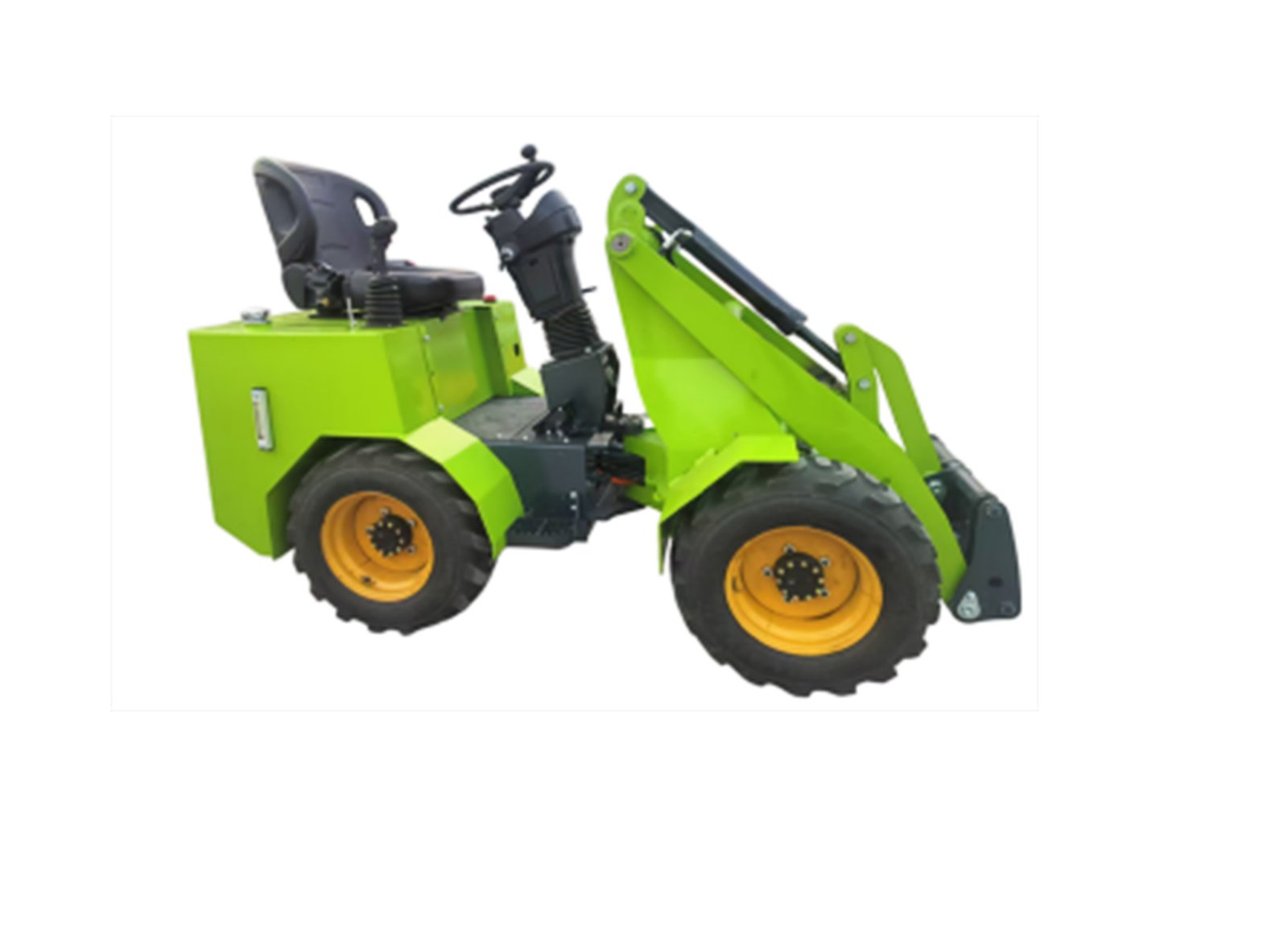
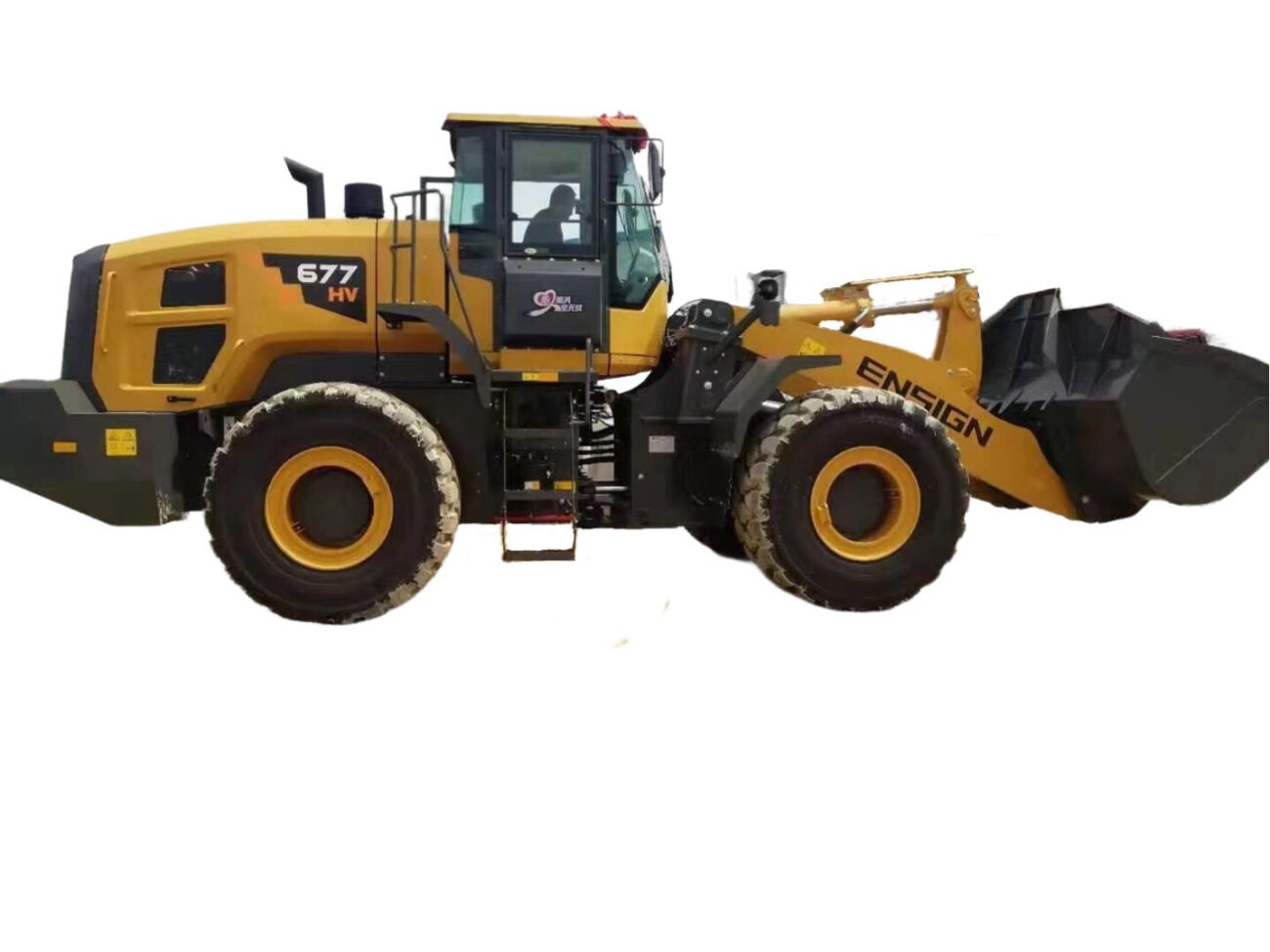
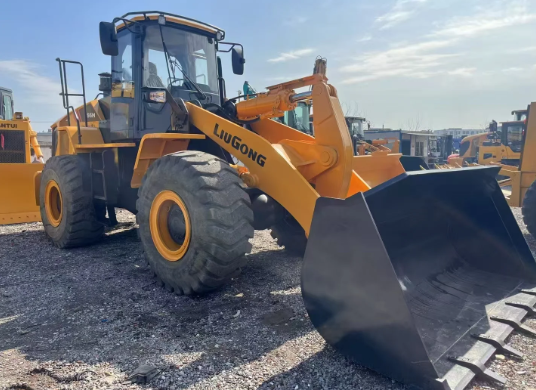
Getting the right equipment for your job site can be the difference between profit and loss. Small wheel loaders have become indispensable tools in construction and material handling, offering a perfect blend of power, agility, and versatility. Whether you’re moving sand, gravel, or debris, a compact loader can boost efficiency while fitting into tight spaces where larger machines simply cannot operate. This guide covers everything you need to know to choose, maintain, and maximize your small wheel loader investment.
Why Choose a Small Wheel Loader?
Small wheel loaders are designed to tackle tasks that demand both muscle and maneuverability. Unlike their larger counterparts, these machines can navigate narrow pathways, crowded storage yards, and confined construction zones with ease. Their compact footprint reduces ground disturbance, making them ideal for urban projects, landscaping, and indoor material handling. Additionally, lower fuel consumption and reduced maintenance costs translate into better long-term profitability for small to medium-sized operations.
Key Features to Look For
When evaluating a small wheel loader, focus on these critical components.
Engine Power and Efficiency
A reliable engine directly impacts productivity. Look for models with Tier 4 final or equivalent emission standards that balance power with fuel economy. Typical power ranges from 30 to 60 horsepower, sufficient for lifting loads of 1,500 to 3,500 pounds. Ensure the engine offers good torque at low speeds for smooth digging and loading.
Bucket Capacity and Attachment Versatility
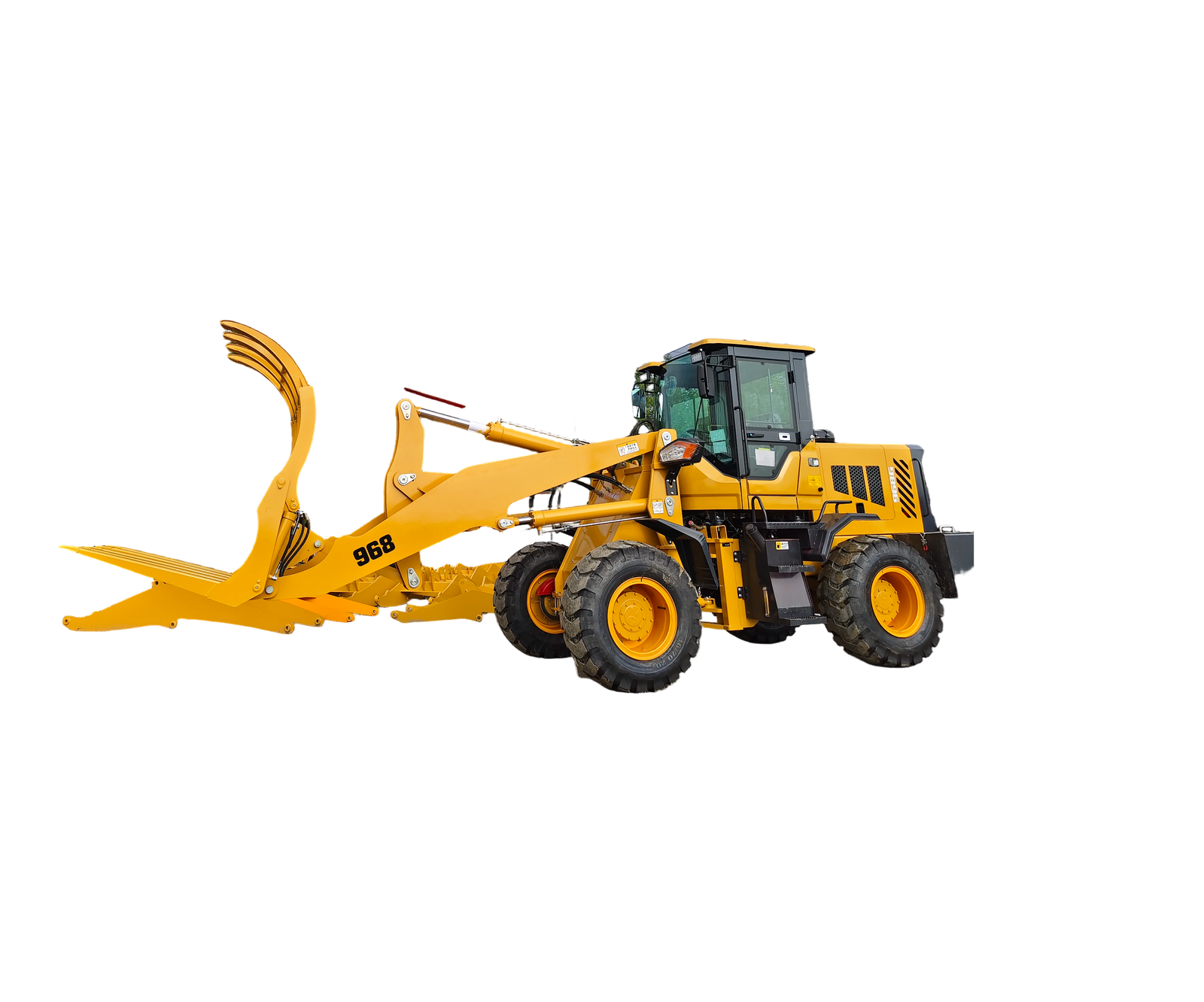
Standard buckets usually hold 0.5 to 1.5 cubic yards. However, the real value lies in attachment compatibility. Quick-coupling systems let you switch between forks, sweepers, snow plows, and grapples in minutes. This versatility turns one machine into a multi-purpose workhorse.
Hydraulic System Performance
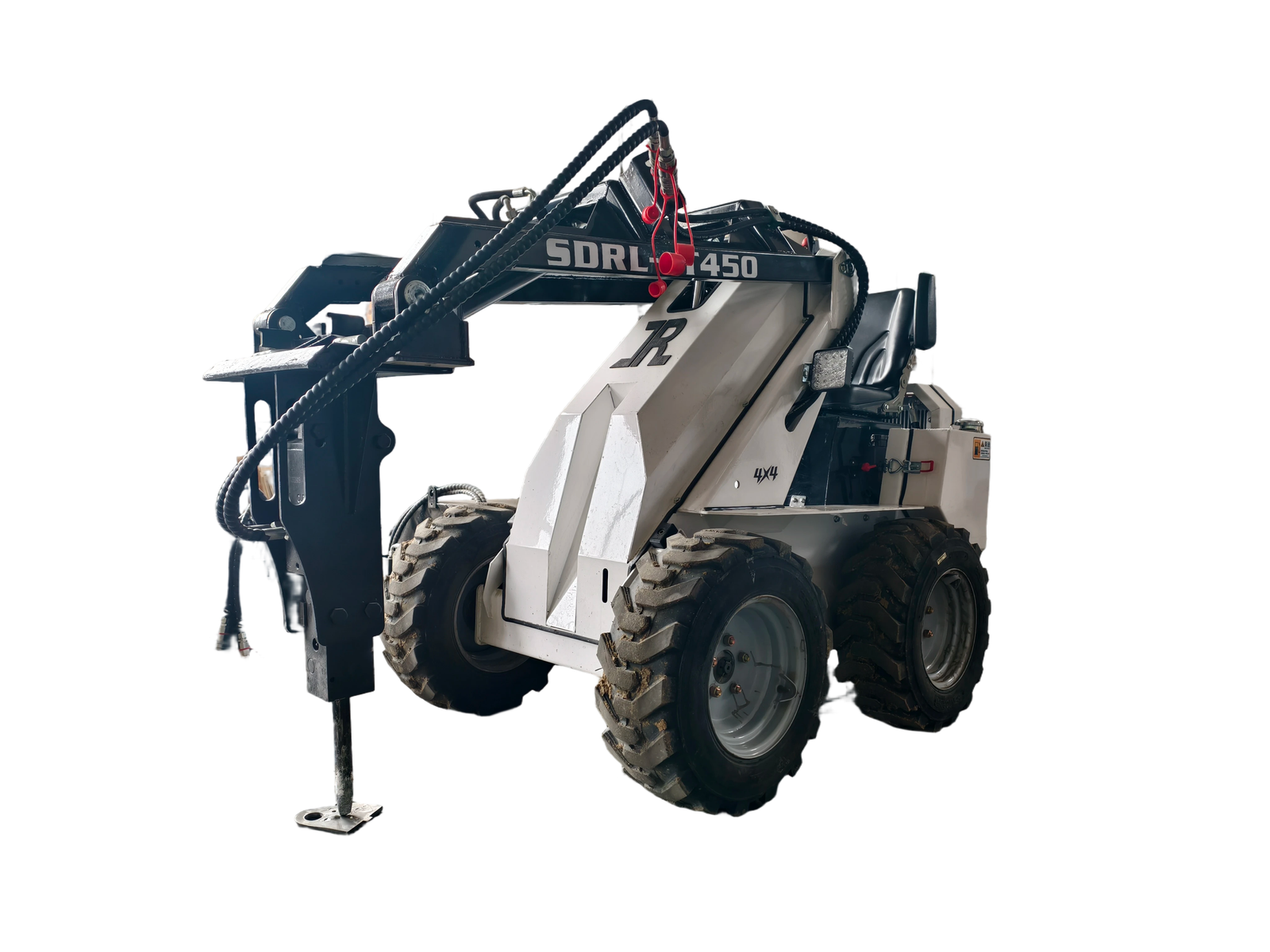
A robust hydraulic system determines lifting and breakout force. Check the pump flow rate and pressure ratings. Auxiliary hydraulics are essential for running attachments like augers or hydraulic breakers. Look for loaders with regenerative hydraulics to speed cycle times.
Operator Comfort and Safety
Your operator’s efficiency depends on comfort. Cab features such as air conditioning, adjustable seats, ergonomic controls, and excellent visibility reduce fatigue. Safety features include ROPS/FOPS structures, backup alarms, and optional rear cameras. A well-designed cab also helps maintain concentration during long shifts.
Durability and Build Quality
Frame construction, axle strength, and component protection matter. Heavy-duty axles with wet disc brakes, sealed pivot points, and reinforced loader arms extend machine life. Corrosion-resistant painting and sealed electrical connectors help withstand harsh environments.
How to Choose the Right Small Wheel Loader for Your Job
Selecting the ideal loader involves matching the machine to your specific demands.
– Assess your typical load weight and material density. Clay, wet sand, or gravel place higher stress on the loader than loose topsoil. Choose a model with a safe operating capacity (SOC) at least 30% higher than your normal load.
– Evaluate site constraints. Measure door widths, aisle widths, and turning radii. A loader with a tight turning radius (under 15 feet) can work in congested warehouses.
– Consider tire type. Solid tires are puncture-proof for scrap yards, while pneumatic tires offer better ride comfort on rough terrain. Flotation tires reduce ground pressure on soft ground.
– Plan for future attachments. If you anticipate snow removal or pipe handling, ensure the loader’s hydraulic flow and mounting system are compatible.
– Budget for total cost of ownership. Include fuel, maintenance, parts, and resale value. A slightly higher upfront investment often pays off in reliability.
Practical Applications in Construction and Material Handling
Small wheel loaders shine in a wide range of tasks.
– Construction: Loading trucks with aggregates, backfilling trenches, moving pallets of bricks, and cleaning job sites.
– Material Handling: Stockpiling grains, coal, or scrap metal; feeding processing hoppers; loading shipping containers.
– Agriculture: Loading feed, manure removal, hay bale handling.
– Landscaping: Moving soil, mulch, stone; grading pathways; transplanting trees.
– Municipalities: Snow clearing, salt spreading, park maintenance.
Maintenance Tips to Maximize Uptime
Regular care keeps your loader running and avoids costly breakdowns.
– Daily checks: Inspect oil levels, coolant, hydraulic fluid, and tire pressure. Listen for unusual noises. Clean debris from radiator fins and engine compartment.
– Grease points: Lubricate all pivot pins and boom joints every 10 operating hours. Use high-quality lithium grease.
– Hydraulic system: Change hydraulic oil and filters per manufacturer intervals. Monitor for leaks at hoses and cylinders.
– Tires: Rotate tires regularly and check for cuts or uneven wear. Maintain proper inflation pressure for load and terrain.
– Battery and electrical: Keep terminals clean. Test alternator output. Store loader in a dry place when not in use.
– A planned maintenance schedule with a trusted service provider ensures parts availability and expert diagnostics.
Productivity Hacks for Small Wheel Loaders
Even experienced operators can gain extra efficiency.
– Use the “S” curve loading technique – approach the pile at a slight angle, then straighten as you enter. This reduces strain and cycles faster.
– Match bucket fill factor – avoid overfilling or underfilling. A half-loaded bucket wastes fuel and time.
– Train operators on smooth shifting – aggressive jerks wear out drivetrain components faster.
– Keep the machine level when traveling – loading while moving on slopes destabilizes the load and slows speed.
– Invest in add-on features like ride control, auto-reversing fans, and engine auto-idle to reduce operator effort and fuel waste.
Why THBSMN Small Wheel Loaders Stand Out
When reliability and value matter, THBSMN delivers engineered machines built for demanding applications. Every THBSMN small wheel loader undergoes rigorous testing to ensure consistent performance under heavy loads. Features include high-torque engines, durable axles, and user-friendly cabs designed for all-day comfort. The company offers comprehensive after-sales support, including genuine spare parts, responsive technical assistance, and flexible financing options. For construction and material handling professionals who need a machine that works as hard as they do, THBSMN is a trusted partner.
Get Started Today – Let’s Find Your Ideal Loader
Choosing the right small wheel loader is an investment that pays off with every bucket. If you have questions about specifications, attachments, or pricing, our team is ready to help. Contact THBSMN now to discuss your job requirements and receive a customized quote. We’ll guide you to the model that fits your budget and boosts your productivity.
Call or email THBSMN today – your next efficiency upgrade is just a conversation away.