








Industry News
Small Wheel Loader Solutions for Urban Construction Projects

Jun
Urban construction sites present a unique set of challenges that differ significantly from traditional open-field infrastructure projects. The dense environment, limited staging areas, and proximity to existing structures require specialized equipment solutions.
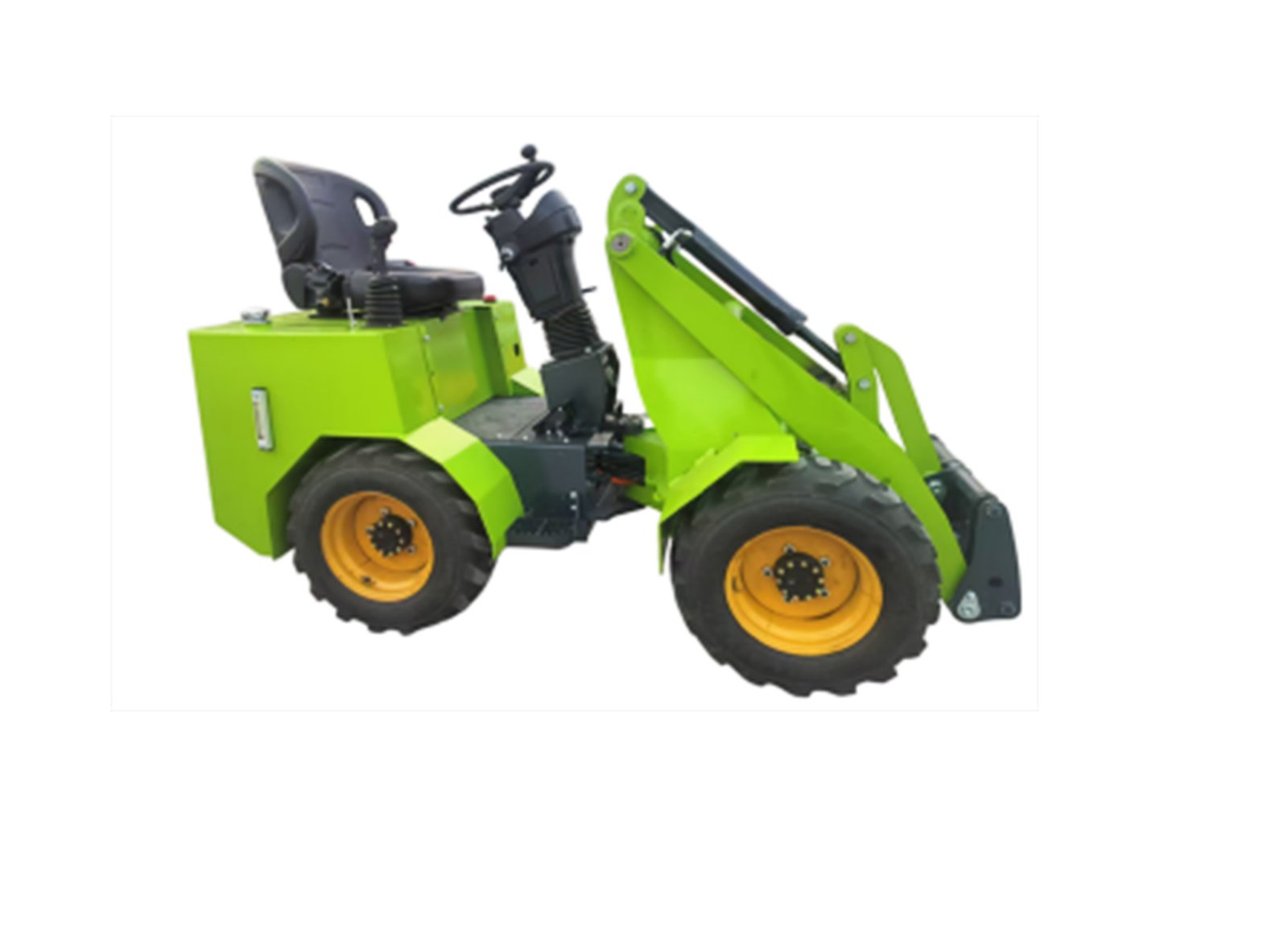
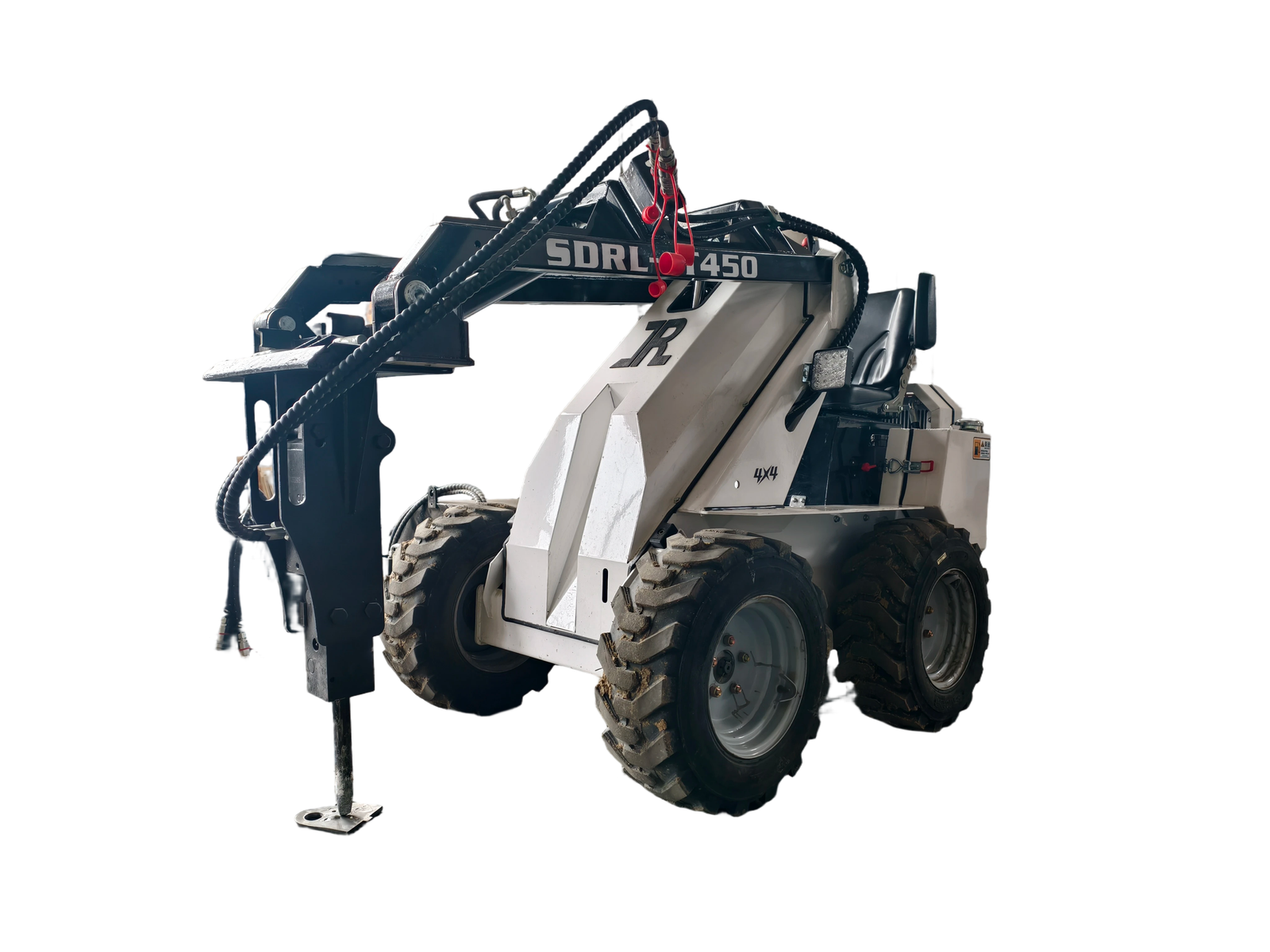
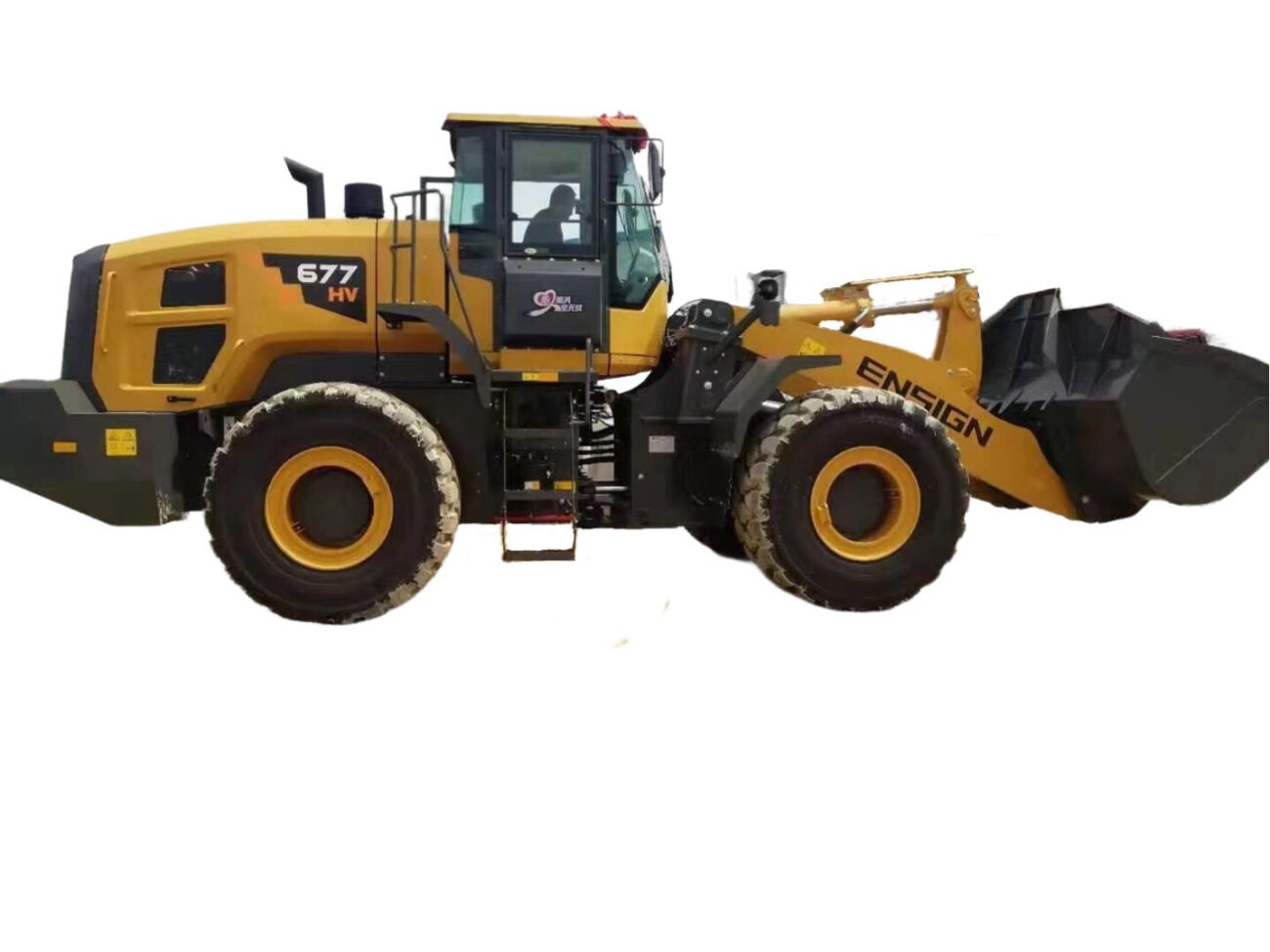
Small wheel loaders have emerged as the ideal answer to these spatial constraints. These compact yet powerful machines are specifically engineered to deliver high productivity in confined spaces while maintaining exceptional maneuverability.
By integrating advanced hydraulic systems and versatile attachment capabilities, they provide urban contractors with a reliable solution for material handling, site cleanup, and light earthmoving tasks without disrupting the surrounding community.
Unmatched Maneuverability in Confined Spaces
The primary advantage of small wheel loaders in urban settings is their compact footprint and superior turning radius. City streets, narrow alleyways, and crowded job sites demand equipment that can navigate tight corners and operate efficiently between parked vehicles or temporary barriers.
Modern small wheel loaders feature articulated steering, allowing them to pivot sharply and position themselves precisely where work is needed. This agility reduces the time spent repositioning the machine and minimizes the risk of accidental contact with adjacent buildings, fences, or utility lines.
Furthermore, their reduced overall height enables them to operate under low-clearance structures such as overpasses, parking garages, and indoor demolition zones, making them indispensable for vertical urban development.
Versatility Through Quick-Attach Systems
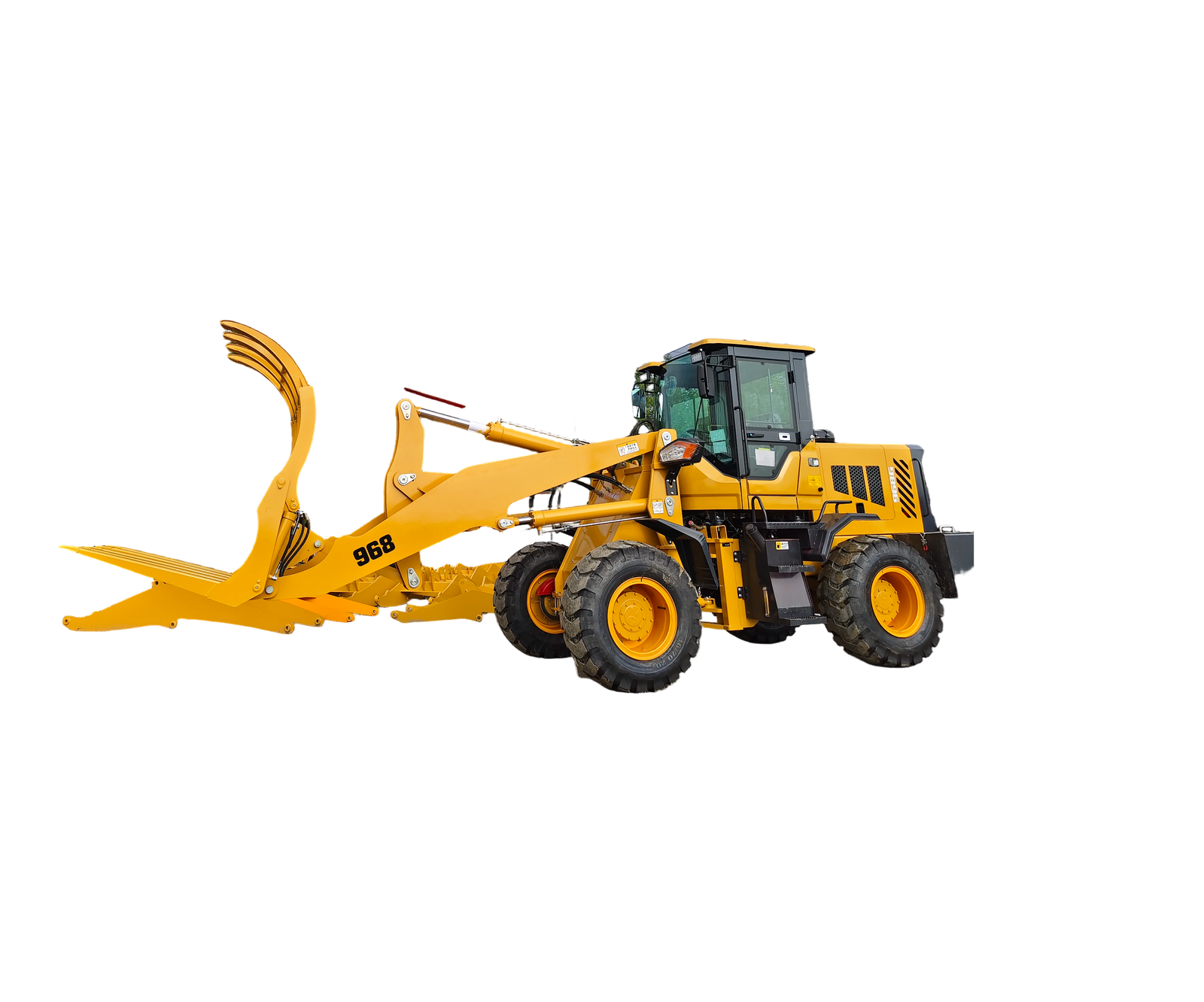
Urban construction often requires multiple types of work within a single shift, ranging from lifting pallets of bricks to sweeping debris and loading dump trucks. Small wheel loaders address this need through universal quick-attach mounting systems.
Operators can swap attachments in minutes, transforming the loader into a multi-tool platform. Common attachments include standard buckets for aggregate handling, forks for palletized materials, brooms for street cleaning, and snow blades for winter maintenance.
This adaptability eliminates the need to transport several dedicated machines to a congested city site, thereby reducing logistical complexity and transportation costs. Contractors can maximize the utility of a single base machine throughout the entire project lifecycle.
Enhanced Operator Comfort and Safety Features
Working in an urban environment exposes operators to constant distractions, pedestrian traffic, and complex site logistics. Leading manufacturers prioritize operator ergonomics and safety in modern small wheel loaders.
Spacious, climate-controlled cabs with panoramic visibility reduce fatigue during long shifts and provide clear sightlines to the front attachment and rear surroundings. Advanced safety technologies, such as 360-degree camera systems, proximity sensors, and audible backup alarms, help prevent collisions with workers and obstacles.
Additionally, improved suspension systems on both the cab and the chassis absorb vibrations and shocks from uneven pavement, ensuring a smoother ride and greater precision when handling delicate loads near sensitive infrastructure.
Environmental Compliance and Low Emissions
City construction projects are increasingly subject to strict environmental regulations regarding noise and air quality. Small wheel loaders are at the forefront of meeting these sustainability standards.
Many current models are equipped with Tier 4 Final or Stage V compliant engines that utilize advanced filtration and exhaust after-treatment systems to drastically reduce particulate matter and nitrogen oxide emissions. For indoor applications or highly sensitive neighborhoods, fully electric small wheel loaders offer zero-emission operation and significantly lower noise levels.
This quiet performance allows for extended working hours, including early mornings or late evenings, without violating local noise ordinances or disturbing nearby residents and businesses.
Cost-Efficiency and Operational Productivity
Despite their smaller size, small wheel loaders are designed to deliver impressive breakout forces and lift capacities relative to their weight class. Their efficient powertrains ensure that fuel consumption remains low even during demanding cycles.
For urban contractors, this translates directly to improved return on investment. The ability to quickly move materials across short distances keeps supply chains flowing smoothly, preventing costly delays in downstream trades like masonry or paving.
Moreover, because these machines exert less ground pressure than larger heavy equipment, they cause minimal damage to finished road surfaces and landscaping, reducing post-construction restoration expenses. Maintenance intervals are typically well-spaced, and the widespread availability of service parts ensures maximum uptime on active urban job sites.
Optimizing Urban Site Performance
In conclusion, small wheel loaders represent a highly strategic investment for any contractor specializing in urban construction. Their combination of compact dimensions, multifunctional versatility, operator-centric design, and environmental compliance makes them perfectly suited for the complexities of city-based projects.
By choosing the right configuration and leveraging quick-attach technology, construction teams can streamline operations, enhance site safety, and maintain positive relationships with the communities they build in.
As urbanization continues to accelerate globally, the role of these agile machines will only grow more vital in shaping the sustainable cities of tomorrow.