








Industry News
Tips Before Buying Used Mini Excavator for Sale Near Me
Apr
Essential Tips Before Buying a Used Mini Excavator for Sale Near You
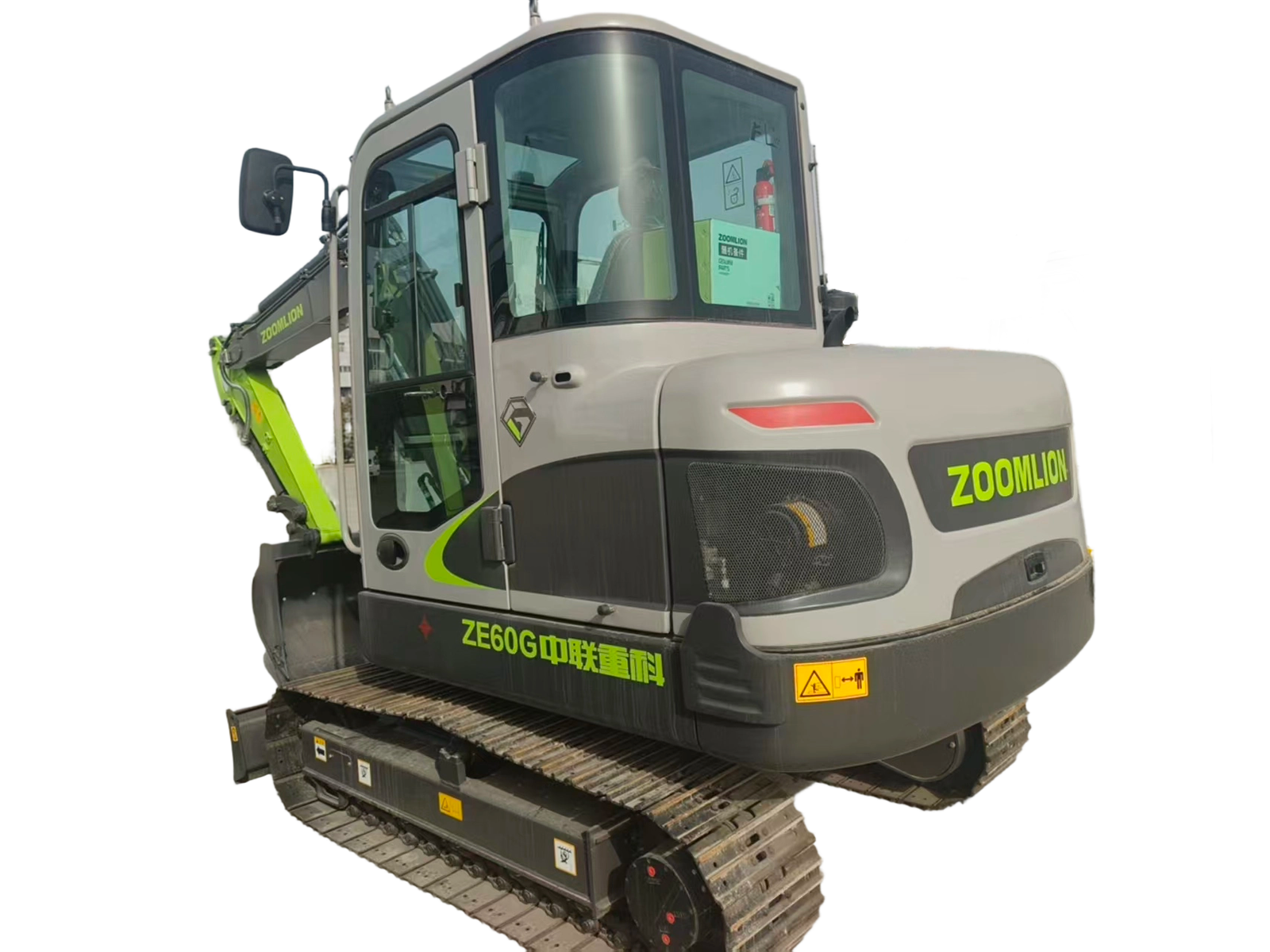
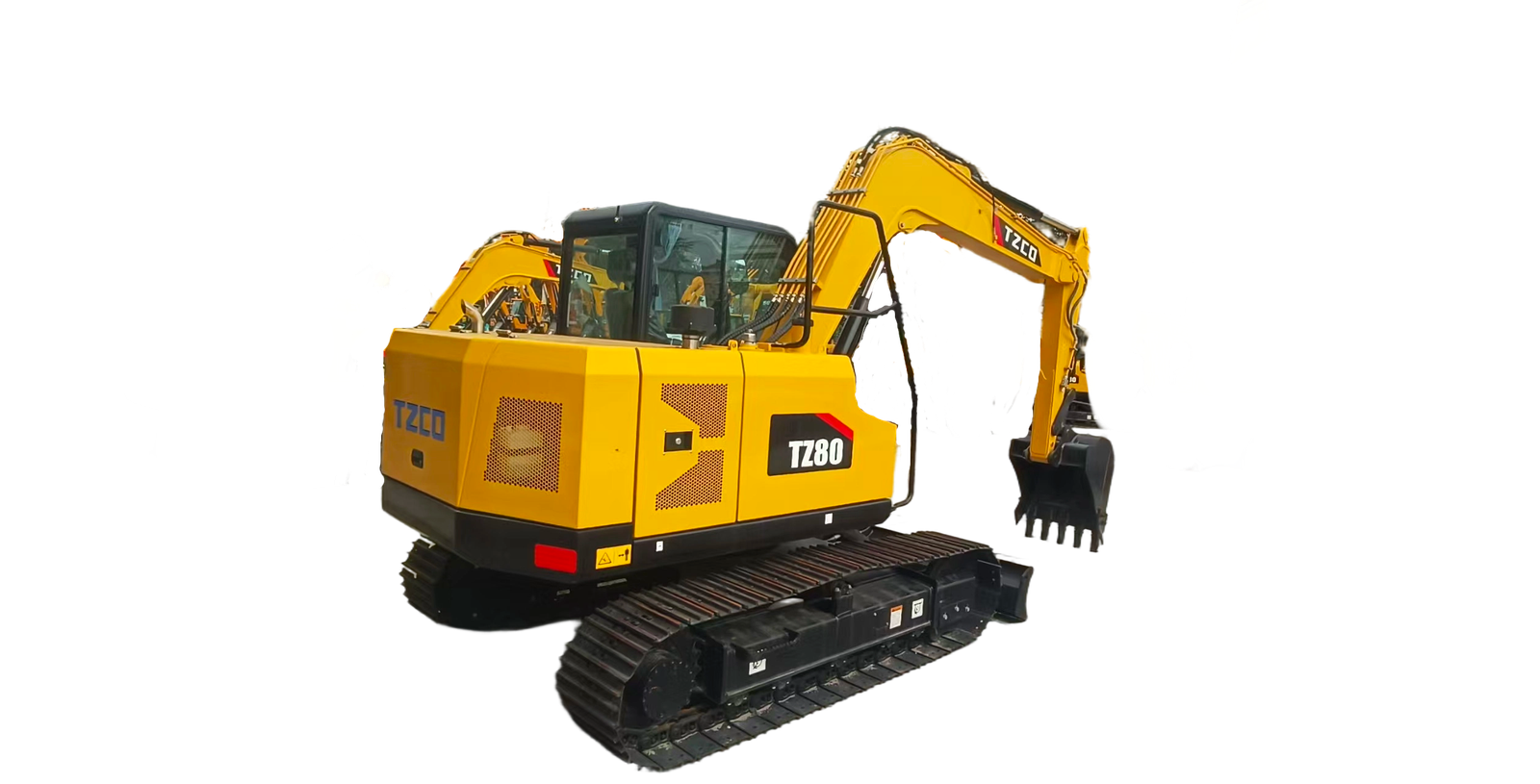
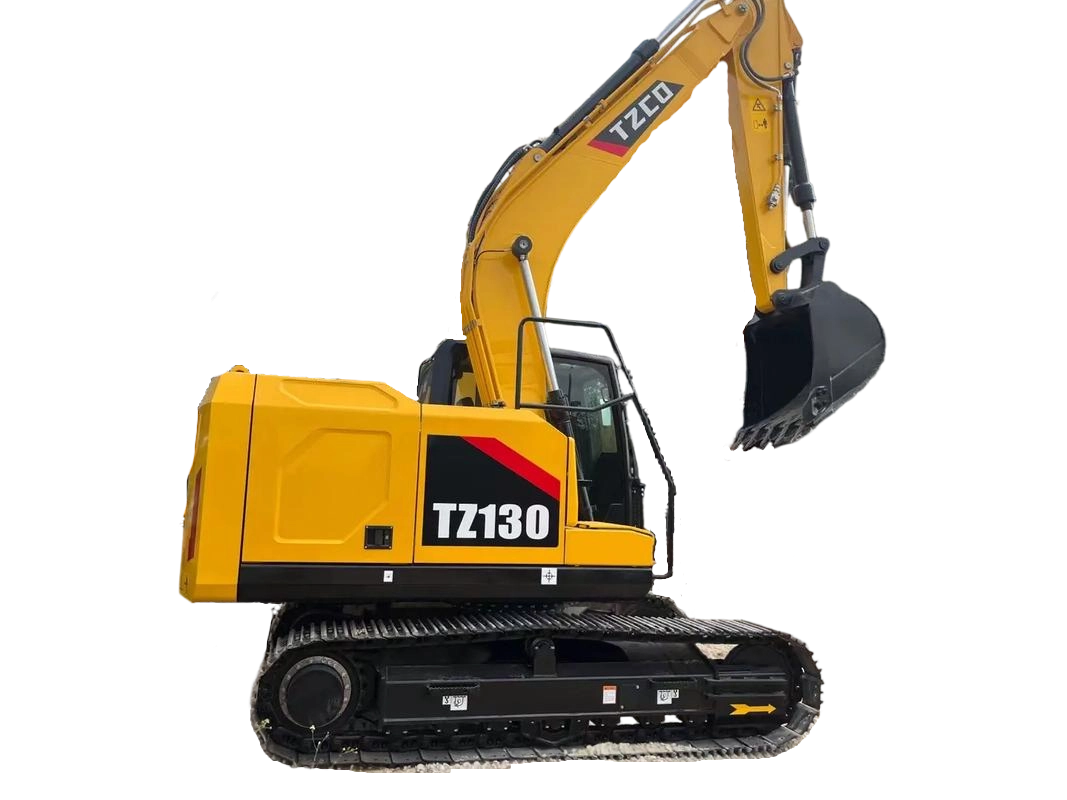
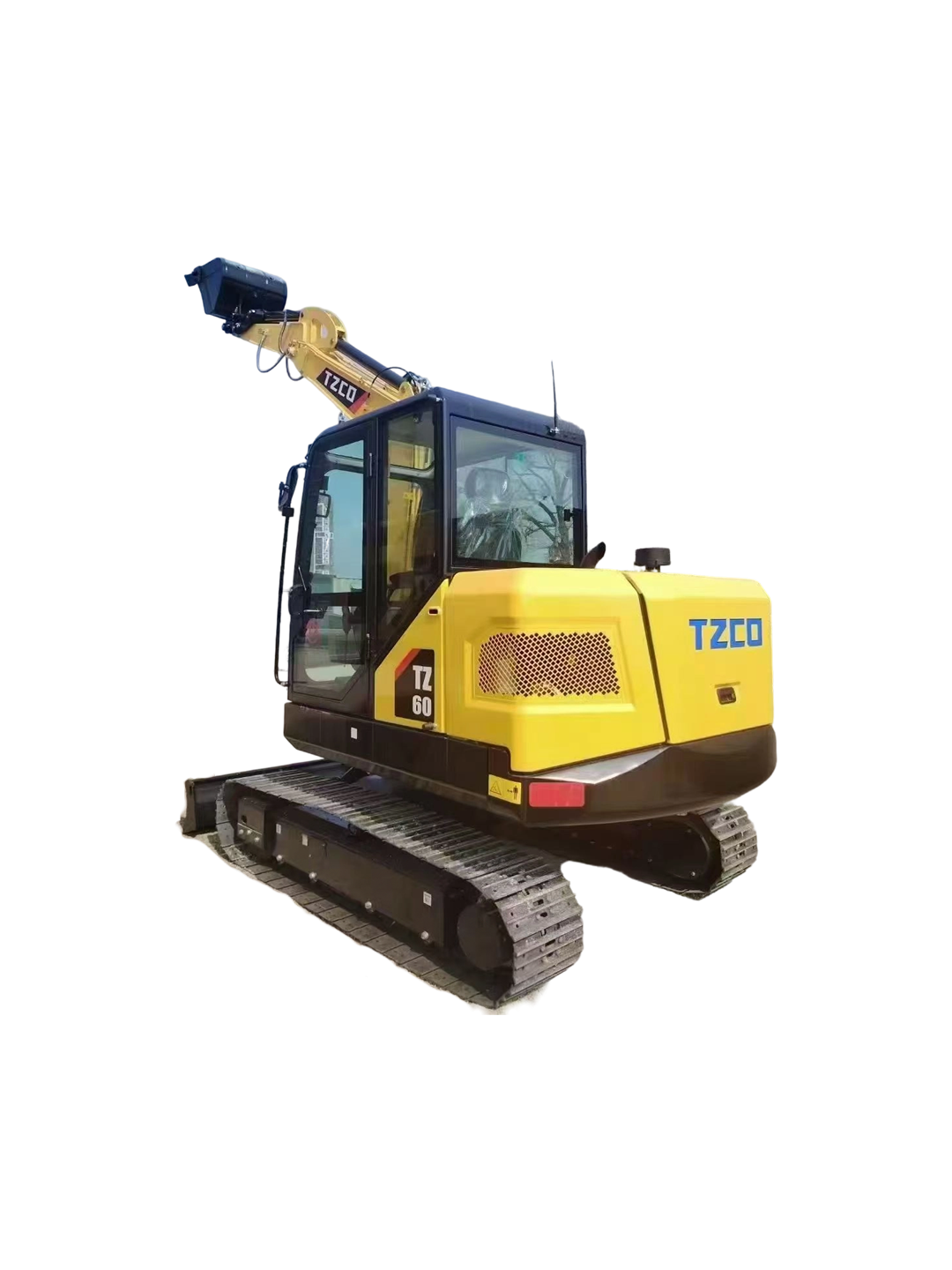
The search for a “used mini excavator for sale near me” is a common and practical endeavor for contractors, farmers, and property owners looking to maximize value. A mini excavator is a versatile and powerful piece of equipment, but purchasing a used model requires diligence to avoid costly mistakes. While a promising local listing can be tempting, a thorough inspection and understanding of the machine’s history are paramount. This guide provides critical tips to ensure you make a smart investment.
1. Clearly Define Your Needs and Specifications
Before you even begin your local search, step away from the listings. Ask yourself: What tasks will I primarily use it for? (Trenching, landscaping, demolition, etc.) What are my typical site conditions? (Tight spaces, soft ground, slopes?) Answers will determine the necessary specifications.
Operating Weight: Ranges from 1 to 8 tons. Heavier models offer more power and stability for bigger jobs.
Digging Depth and Reach: Check the machine’s maximum digging depth and horizontal reach to ensure it fits your projects.
Attachment Compatibility: Verify the hydraulic flow (gpm) and pressure (psi) to run attachments like breakers, augers, or tilt rotators. Are quick couplers (hydraulic or manual) installed?
Transportation: Consider the machine’s dimensions and weight relative to your trailer and tow vehicle’s capacity. A “near me” purchase simplifies transport but don’t overlook logistics.
2. Research the Machine’s History and Service Records
A reputable seller should be transparent. Always request the machine’s service history and maintenance records.
Hours of Operation: Engine hours are like a car’s mileage. High hours aren’t necessarily bad if maintenance was meticulous, but they guide price and expected lifespan. Compare hour usage to the machine’s age.
Ownership History: Was it a single-owner machine used on a farm, or a rental unit from a fleet? Rental units often endure harder use but may have consistent fleet maintenance.
Service Logs: Look for records of regular oil changes, hydraulic filter replacements, track adjustments, and greasing. A well-documented history is a strong positive indicator.
3. Conduct a Comprehensive Physical Inspection
Never buy sight unseen. Schedule an in-person inspection during daylight hours. Bring a flashlight, a magnet (to check for body filler), and if possible, a knowledgeable mechanic.
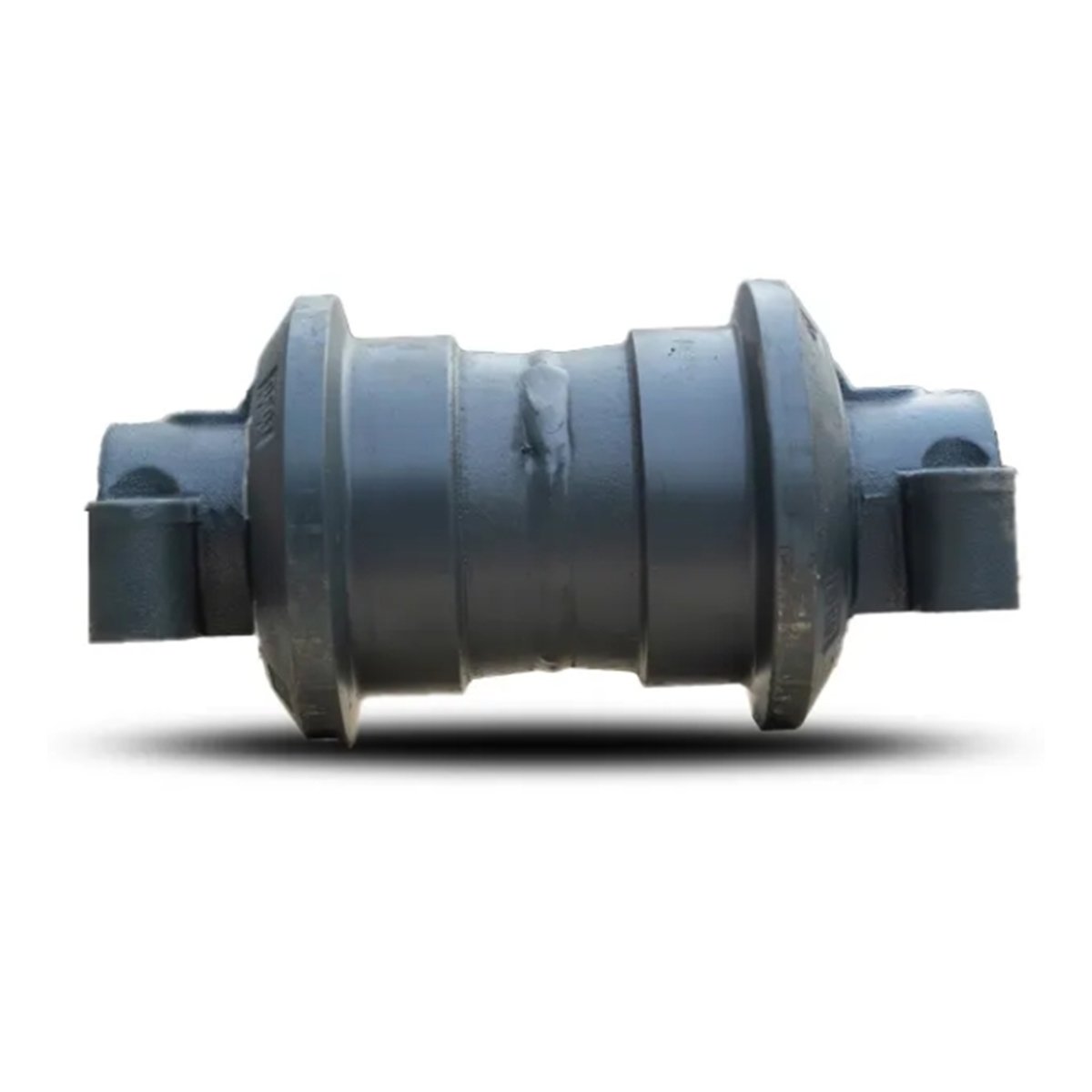
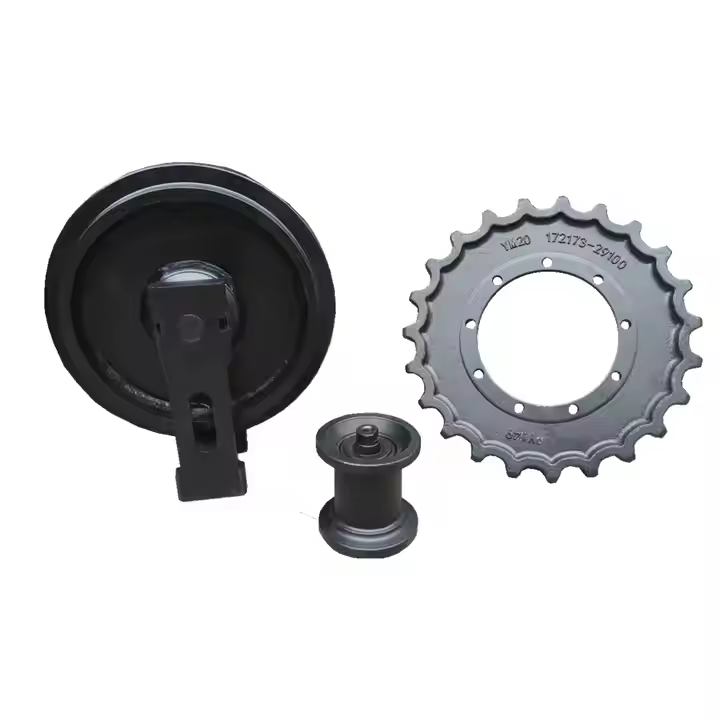
Undercarriage (The Most Costly Area): This is priority 1. Inspect the tracks, sprockets, idlers, and rollers. Look for excessive wear, cracks, or uneven wear patterns. Check track tension. Replacing an undercarriage can cost thousands.
Hydraulic System: Start the engine and operate all functions. Look for any hydraulic leaks around the cylinders, pumps, and hose connections. Check for “drift” in the boom or arm by lifting them and seeing if they settle unexpectedly. Listen for unusual whining or knocking from the hydraulic pumps.
Structure and Welds: Examine the main frame, boom, and arm for cracks, bends, or poorly executed repair welds. Stress cracks often appear near pivot points and weld seams.
Engine Compartment: Check for oil leaks, coolant condition, and clean fluid levels. Listen for smooth operation without excessive smoke (especially blue or white smoke, which indicates serious issues).
Cab and Controls: Test all controls, gauges, lights, and safety features. Ensure the cab (if enclosed) is in good condition.
4. Perform a Full Operational Test
A static inspection isn’t enough. You must operate the machine under load.
Cold Start: Listen to how it starts when the engine is cold. Hard starting can indicate compression or fuel system problems.
Operation: Dig a trench, lift a load, and swing the house. The machine should respond smoothly to control inputs without hesitation or jerky movements. Check for proper power in all functions.
Travel Function: Drive it forward and backward. It should track straight without pulling to one side, which could indicate an undercarriage or hydraulic issue.
5. Verify Legal and Financial Details
Ensure there are no hidden legal or financial encumbrances.
Title and Ownership: Confirm the seller has a clear title and is the legal owner. In some regions, equipment may have a certificate of title or be flagged if there are outstanding loans.
VIN/Serial Number: Record the machine’s serial number and verify it matches the paperwork. You can also use it to check for theft reports.
Final Negotiation and Sale: Agree on a final price based on your inspection. Use a secure payment method and get a detailed bill of sale signed by both parties, including the serial number, sale price, date, and “as-is” condition statement.
Why Choose a Trusted Supplier Like THBSMN?
While searching generically “near me,” prioritizing suppliers known for quality and reliability is crucial. THBSMN stands out as a manufacturer and supplier committed to providing robust and dependable construction machinery. Opting for a used mini excavator from or originally supplied by a reputable company like THBSMN often means better build quality, greater availability of replacement parts, and higher residual value. Their machines are engineered for performance and durability, making a well-maintained used THBSMN excavator a potentially excellent find. Always inquire if local used units are from such reputable origins.
Purchasing a used mini excavator is a significant investment. By following these tips—defining needs, researching history, conducting thorough physical and operational inspections, and clearing all paperwork—you transform your local search from a gamble into a strategic acquisition. The goal is not just to find a machine “for sale near me,” but to secure a reliable partner for your projects for years to come.