








Industry News
What to Know About Used Mini Excavator for Sale Near Me
Apr
What to Know About Used Mini Excavator for Sale Near Me
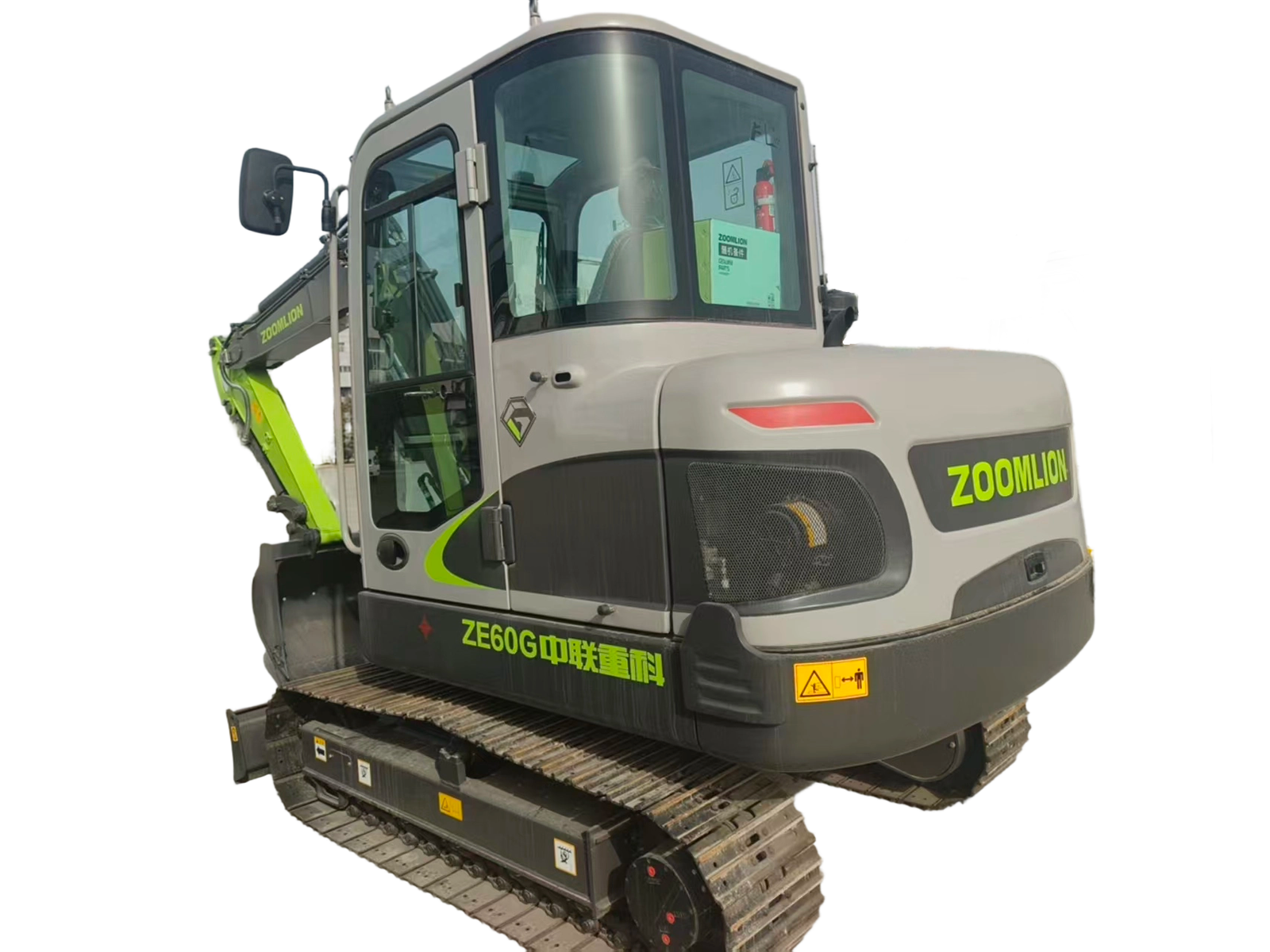
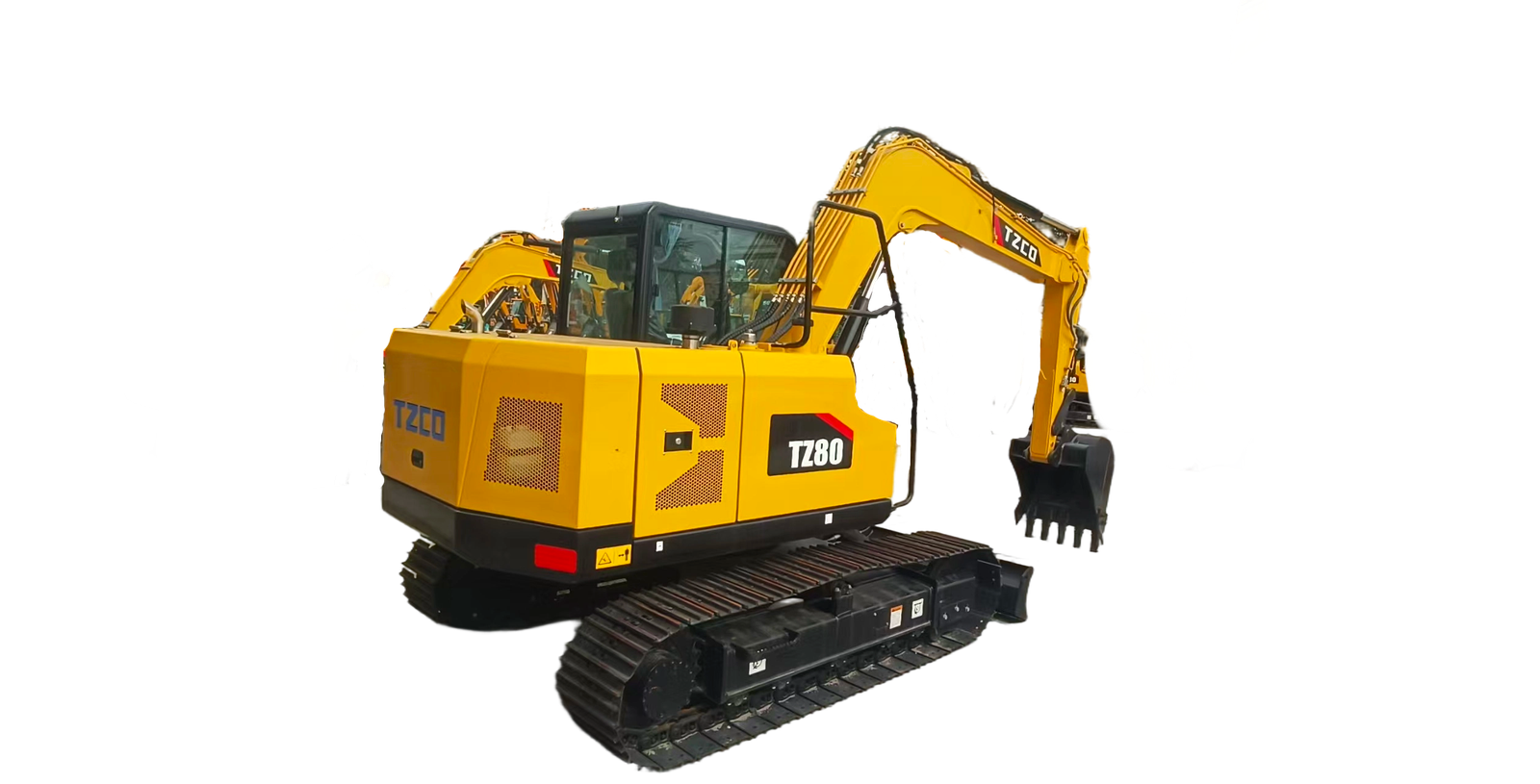
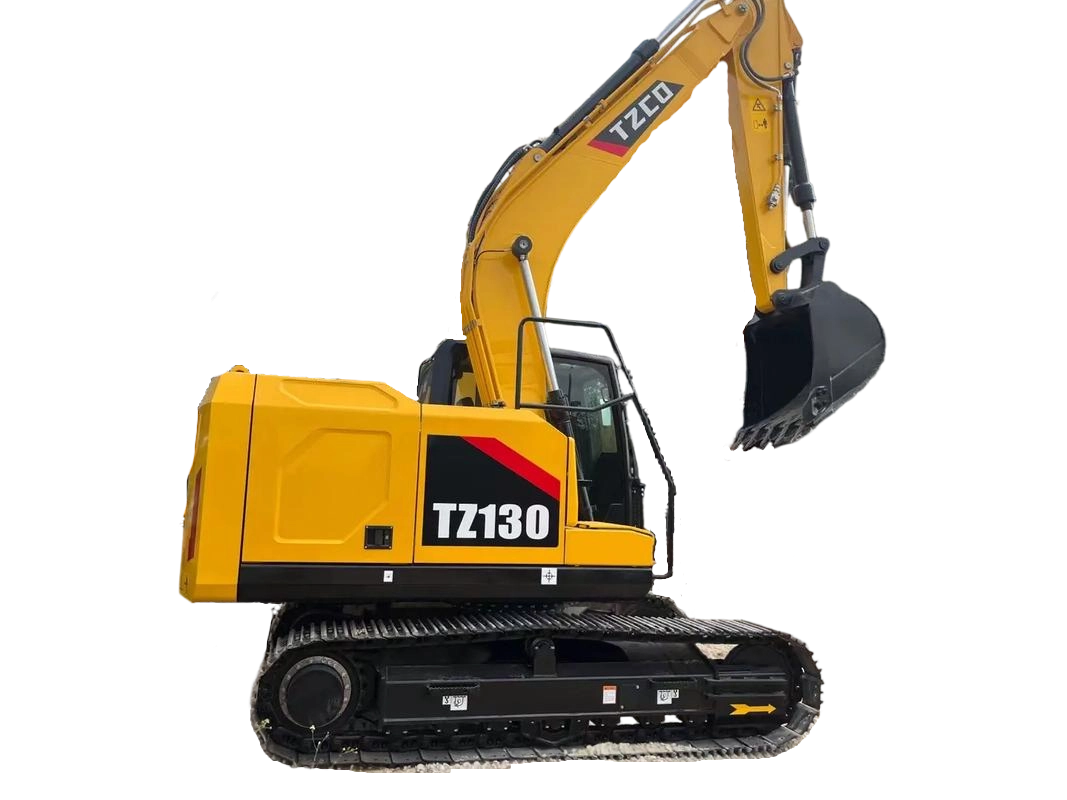
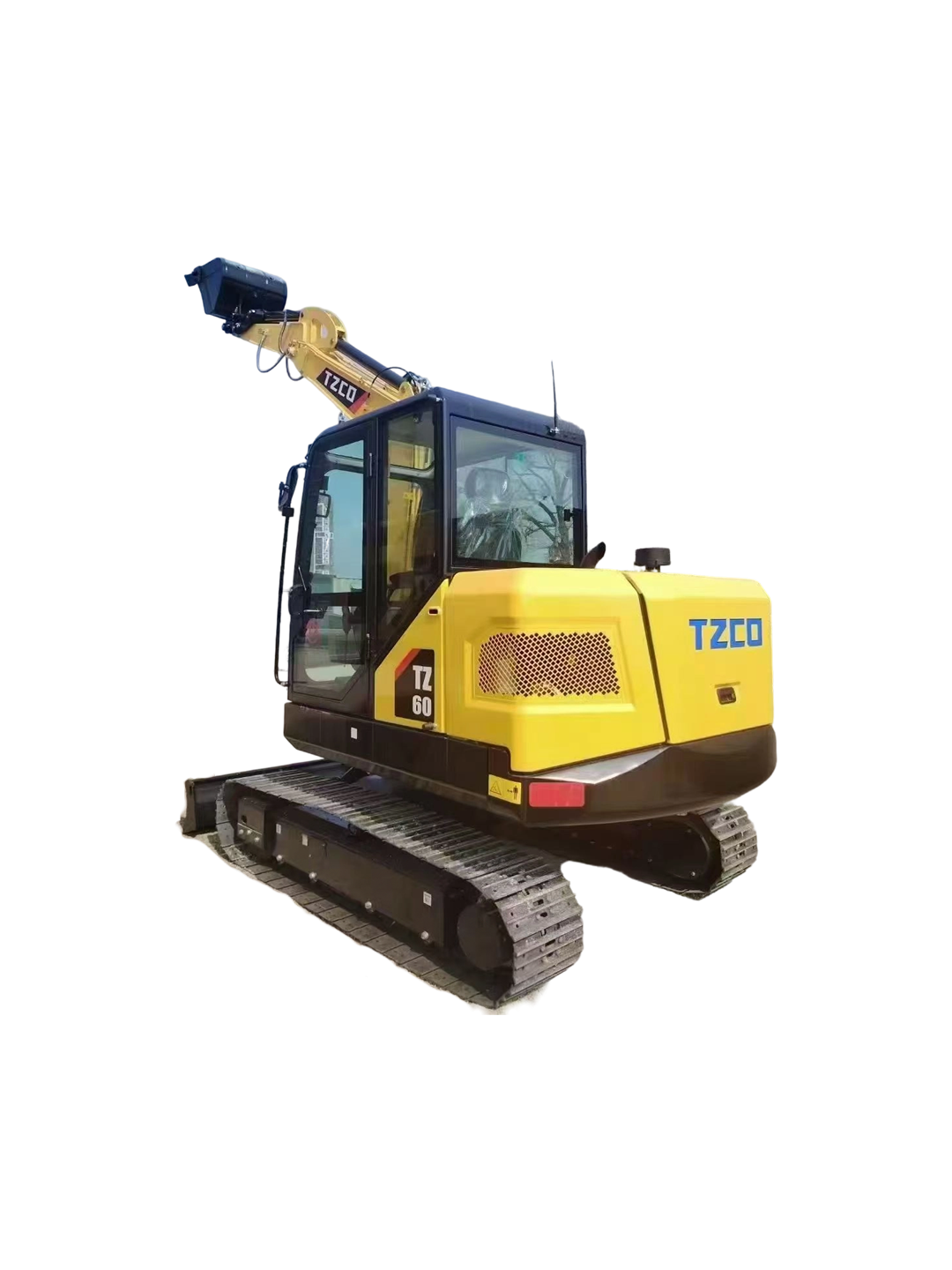
Searching for a “used mini excavator for sale near me” is a significant step for contractors, farmers, landscapers, or DIY enthusiasts looking to add versatile digging power to their equipment fleet without the steep price of a new machine. A used mini excavator can be an excellent investment, offering a fantastic balance of capability, compact size, and value. However, navigating the used equipment market requires careful consideration to avoid costly mistakes. This comprehensive guide will walk you through the essential knowledge points, from initial considerations to final purchase, ensuring you make a well-informed decision.
1. Define Your Needs and Specifications
Before you start browsing listings, clearly define what you need. Mini excavators typically range from 1 to 8 tons. Consider:
Job Type: Will you be digging foundations, trenching for utilities, landscaping, or doing demolition? This determines the required digging depth, reach, and auxiliary hydraulic flow for attachments.
Worksite Constraints: Assess access to your job sites. Narrow gates, confined backyards, or indoor work will demand a smaller, zero- or minimal-tail-swing model.
Attachments: Think beyond the bucket. Will you need a hydraulic thumb, breaker, auger, or tilt coupler? Ensure the machine you choose has the correct hydraulic configuration (standard or high-flow) and plumbing for your intended attachments.
Transportation: How will you move it? Check the weight and dimensions against your trailer and tow vehicle’s capacity.
2. Where to Find “Used Mini Excavator for Sale Near Me”
Local searches are crucial for inspecting and transporting the machine.
Equipment Dealers: Reputable dealers, such as THBSMN, often offer certified used machines with warranties, maintenance records, and peace of mind. They have a vested interest in customer satisfaction and repeat business.
Online Marketplaces: Platforms like Machinery Trader, IronPlanet, and even Craigslist or Facebook Marketplace list numerous private and dealer ads. Filter by location and be prepared for more variable seller reliability.
Auctions: Both online and local industrial auctions can offer good deals but typically sell “as-is, where-is” with no warranty. This option is better for experienced buyers who can thoroughly assess condition on-site or via detailed inspection reports.
3. Critical Inspection Checklist: Beyond a Quick Look
Never buy a used mini excavator sight-unseen. A meticulous inspection is non-negotiable.
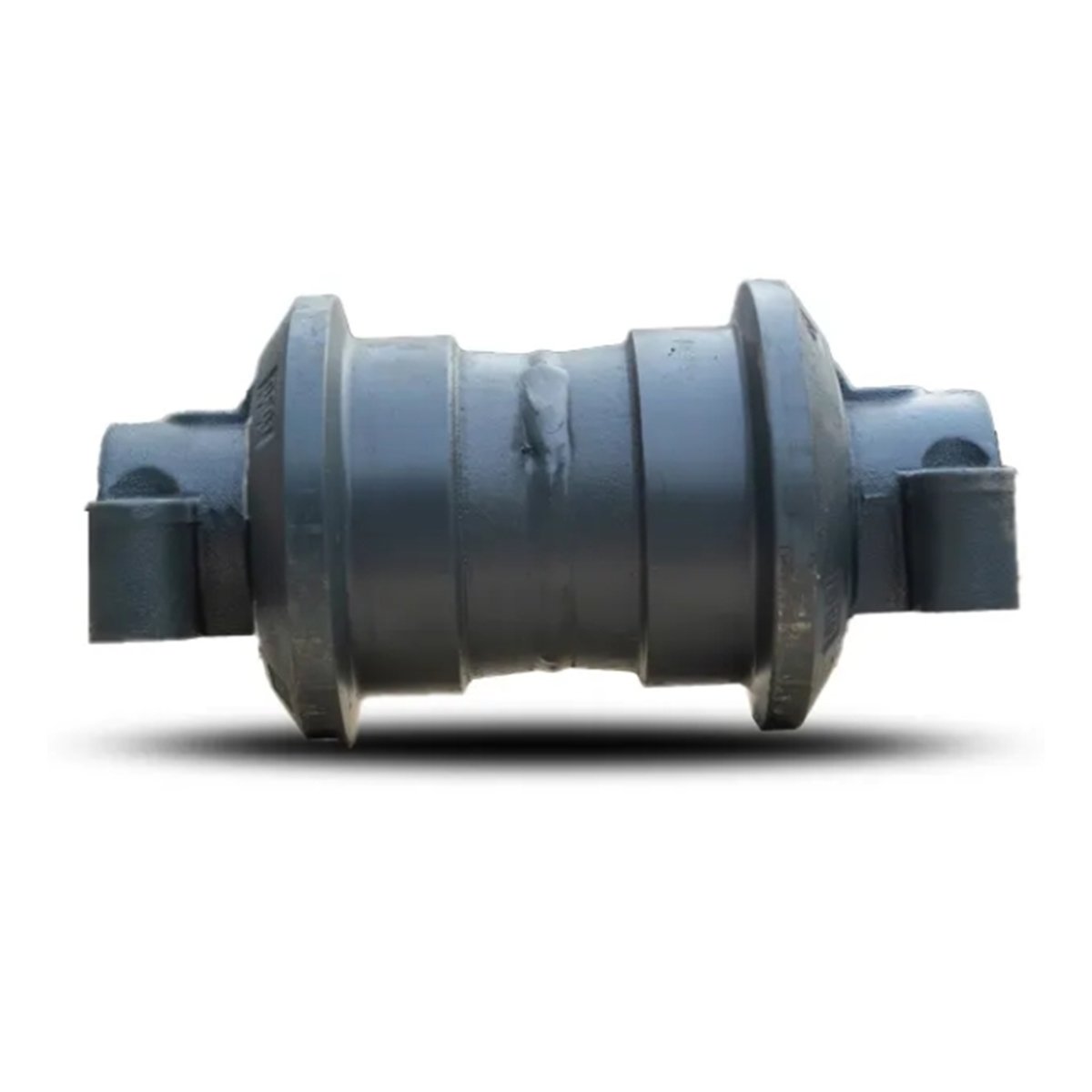
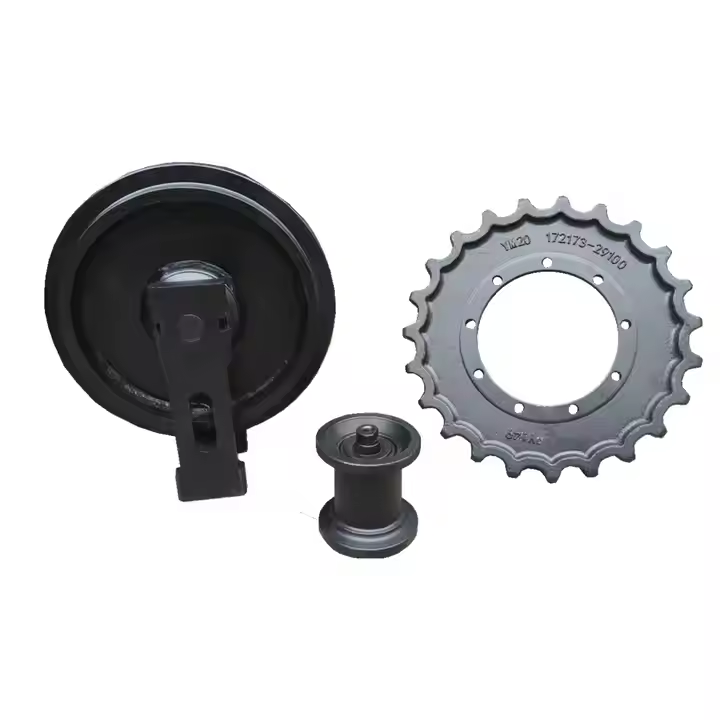
Undercarriage: This is one of the most expensive components to repair. Check for excessive track sag, worn sprockets and idlers, and cracked or worn track pads. Measure the remaining track link height.
Hydraulics: Start the machine and operate all functions. Look for jerky movements, which can indicate hydraulic issues. Check for oil leaks around cylinders, hoses, and the main hydraulic pump. Inspect the hydraulic oil color; it should be amber, not milky or dark black.
Structure and Welds: Examine the main frame, boom, and arm for cracks, especially around stress points and weld joints. Repairs here can be a red flag for past overloading or accidents.
Engine: Listen for unusual knocks or excessive smoke (white, blue, or black) during startup and under load. Check the coolant and oil for signs of mixing (a milky substance indicates a serious problem).
General Condition: Operate all controls in the cab. Test the slew (rotation) for smoothness. Check the condition of the bucket pins and bushings for wear. A generally clean machine often indicates an owner who performed regular maintenance.
4. The Importance of Service History and Documentation
A well-documented service history is worth its weight in gold. Ask the seller for:
Maintenance logs showing regular oil, filter, and hydraulic fluid changes.
Records of any major repairs or component replacements.
Proof of ownership and clear title (no liens).
A dealer like THBSMN will often provide this documentation for their used inventory, adding significant value and transparency to the transaction.
5. Key Questions to Ask the Seller
Why are you selling the machine?
What was its primary application (e.g., light landscaping vs. heavy trenching)?
Are there any known issues or recurring problems?
Can I have a trusted mechanic inspect it?
Is the hour meter accurate? (Compare wear to reported hours).
6. Understanding Pricing and Negotiation
Pricing depends on age, hours, brand, model, condition, and location. Research comparable models online to establish a fair market value. Factor in potential immediate repair costs from your inspection. A slightly higher price from a reputable dealer with a warranty may offer better long-term value than a cheaper, “as-is” private sale. Be prepared to negotiate based on your inspection findings.
7. Final Steps Before Purchase
Test Drive: Put the machine through its paces on a pile of dirt or similar material. Dig, lift, swing, and travel to ensure all systems work under load.
Final Agreement: Get a written bill of sale that includes the machine’s serial number, sale price, and any warranties or guarantees offered.
Arranging Transport: Have a plan to safely transport your new purchase to its first job.
Purchasing a used mini excavator is a practical way to acquire powerful equipment. By methodically defining your needs, sourcing from reputable channels like established dealers (THBSMN), conducting a thorough inspection, and verifying history, you can confidently find a reliable machine that will serve your business well for years to come. The key to success lies in diligent research and a cautious, informed approach to the “used mini excavator for sale near me” market.