








Industry News
Used Mini Excavator Prices and What Affects Their Value
Apr
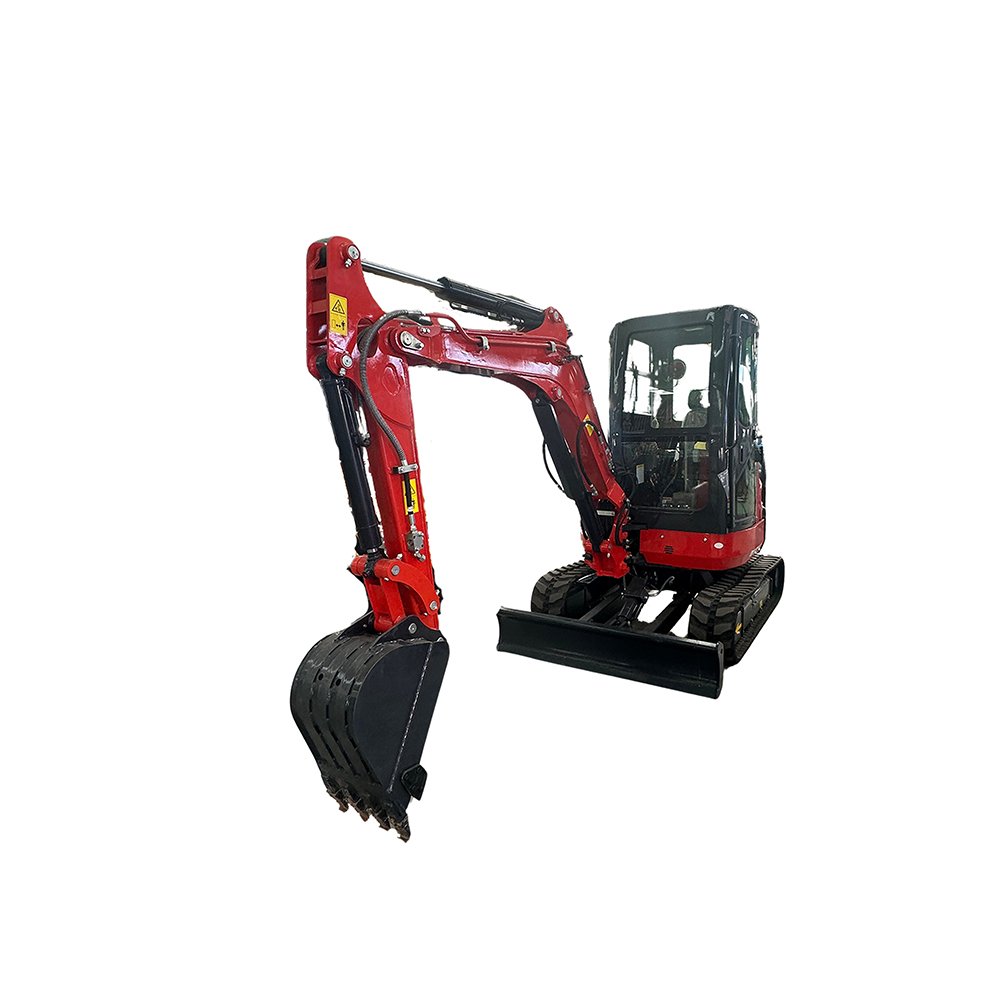
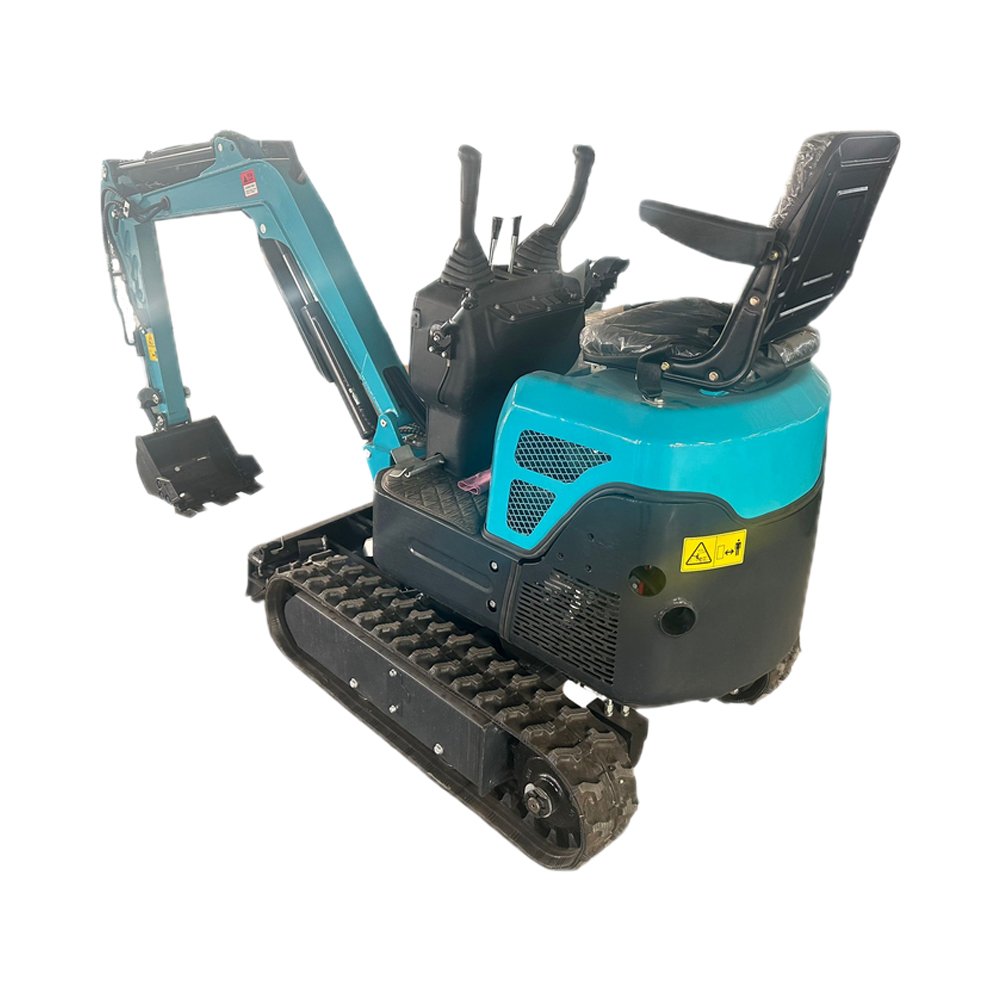
The market for used mini excavators is dynamic and can be an excellent avenue for contractors, landscapers, and property owners to acquire essential machinery without the steep price tag of a new model. Understanding the factors that influence used mini excavator prices is crucial for making an informed purchase or accurately valuing equipment for sale. While a specific price list is elusive due to constant market fluctuations, a general price range for popular models like the Kubota U17, Takeuchi TB216, or Bobcat E35 from the last 5-10 years can span from $15,000 to $50,000+, with older or more basic models potentially starting lower. The final figure is a composite of several key variables.
1. Machine Age, Hours, and Model
These are the foundational metrics. Age indicates technological generation and potential exposure to wear, while operating hours are the engine’s odometer. A 2018 model with 2,000 hours is typically valued higher than a 2012 model with 5,000 hours. The specific model and brand carry immense weight. Established brands like Kubota, Yanmar, Takeuchi, and Bobcat command premium prices due to their renowned reliability, strong dealer networks, and high parts availability. A less common or discontinued brand may sell for less, regardless of condition. Market popularity also plays a role; models known for versatility or specific features (e.g., zero-tail-swing for tight spaces) maintain value better.
2. Mechanical Condition and Maintenance History
This is arguably the most critical factor after basic specs. A well-maintained machine with high hours can be a better value than a neglected low-hour machine. Key aspects include:
Engine and Hydraulics: Smooth operation, no excessive smoke, and no leaks are paramount. Major hydraulic pump or engine issues can devalue a machine by thousands.
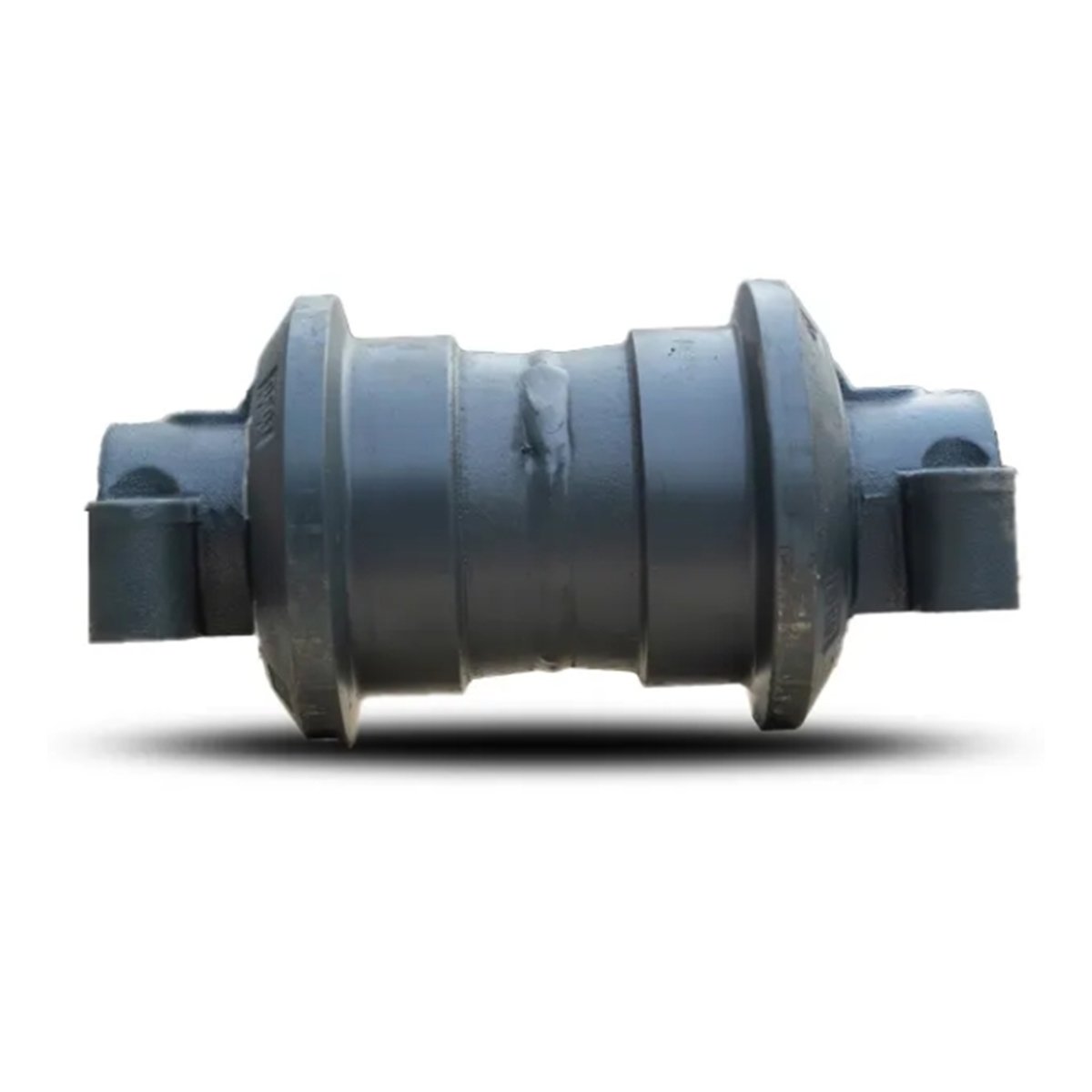
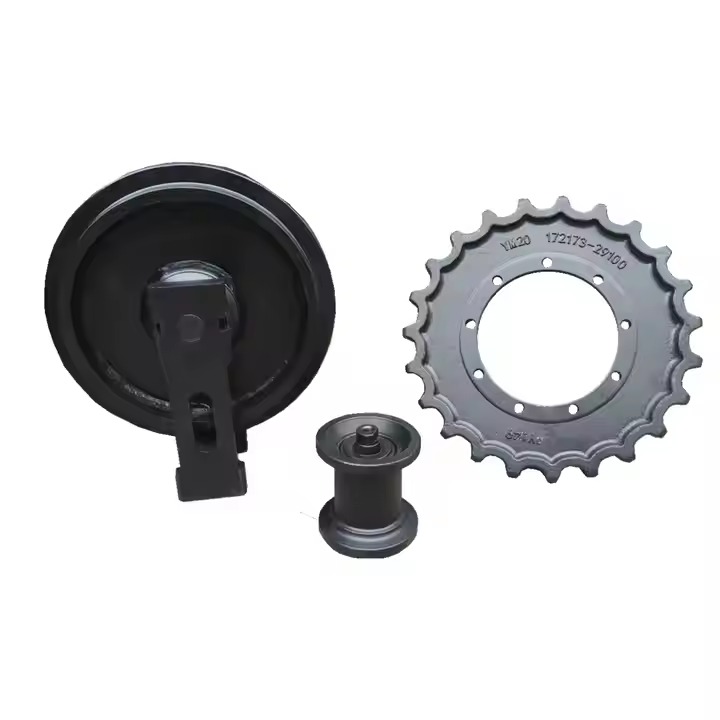
Undercarriage: For mini excavators, the condition of the tracks, rollers, idlers, and sprockets is a major cost driver. Worn undercarriage components are expensive to replace. “Track life remaining” is a common and vital inspection point.
Documentation: A complete and verifiable service history is gold. It proves regular oil changes, filter replacements, and adherence to maintenance schedules, giving buyers confidence and justifying a higher asking price.
3. Attachments and Specifications
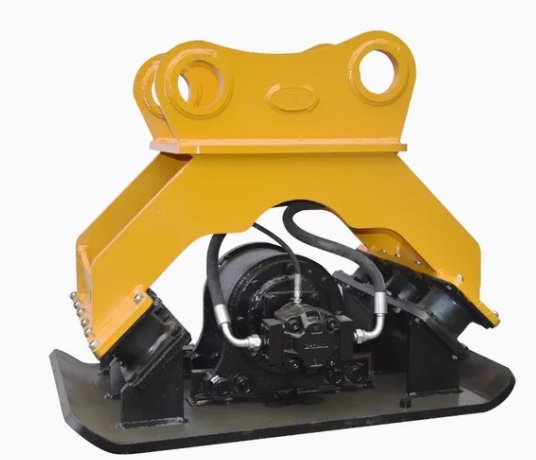
The included attachments significantly affect value. A machine sold with a quick coupler, multiple buckets (digging, grading, trenching), a hydraulic thumb, a breaker (hammer), or an auger is far more valuable and marketable than a bare machine. These attachments represent substantial additional value, often $2,000-$10,000+ if purchased separately. Other specifications like cab type (enclosed with AC/heat vs. open canopy), auxiliary hydraulic flow, and digging depth also influence the price.
4. Market Demand and Geographic Location
Economics of supply and demand directly impact prices. In regions experiencing a construction boom, prices for all equipment rise. Similarly, seasonal demand (e.g., higher in spring for landscaping) can cause temporary price spikes. Geographic location matters due to logistics; prices might be higher in remote areas where supply is low, and transportation costs to bring in a machine are significant. Local competition among dealers and auction results also set regional price benchmarks.
5. Sales Channel and Machine History
Where you buy affects the price and the risk.
Dealers: Offer the highest prices but provide warranties, certified inspections, and financing. You pay a premium for peace of mind and support.
Private Sellers: Often have lower prices but require thorough due diligence. The transaction is “as-is,” and the buyer assumes all risk.
Auctions (Online/In-Person): Can offer deals but are highly competitive. It’s essential to have done pre-inspections or thoroughly review condition reports. Auction prices can sometimes exceed retail if bidding is fierce.
A clean history, free from major accidents, theft recovery, or excessive rust from marine environments, maintains value. A machine with a questionable past will sell at a deep discount.
Navigating the Purchase: Due Diligence is Key
Before committing, invest time in inspection. Operate all functions, check for smooth movement and hydraulic power. Inspect for structural cracks, weld repairs, and excessive play in the boom and arm. Review all fluid levels and their condition. If possible, have a trusted mechanic or technician perform a professional inspection—it’s a small cost that can prevent a catastrophic financial mistake.
For sellers, preparing a machine for sale by addressing minor issues, cleaning it thoroughly, and organizing all maintenance records can significantly increase the final sale price and attract serious buyers faster.
In conclusion, while used mini excavator prices are guided by age and hours, their true value is a detailed equation of brand reputation, documented care, equipped features, and current market dynamics. Whether buying or selling, knowledge of these factors empowers you to navigate the market effectively, ensuring a fair transaction that reflects the machine’s genuine worth. Partnering with a reputable dealer can streamline this process, offering expertise and assurance in a complex marketplace.