








Industry News
Used Small Excavators Buying Guide for Beginners
May
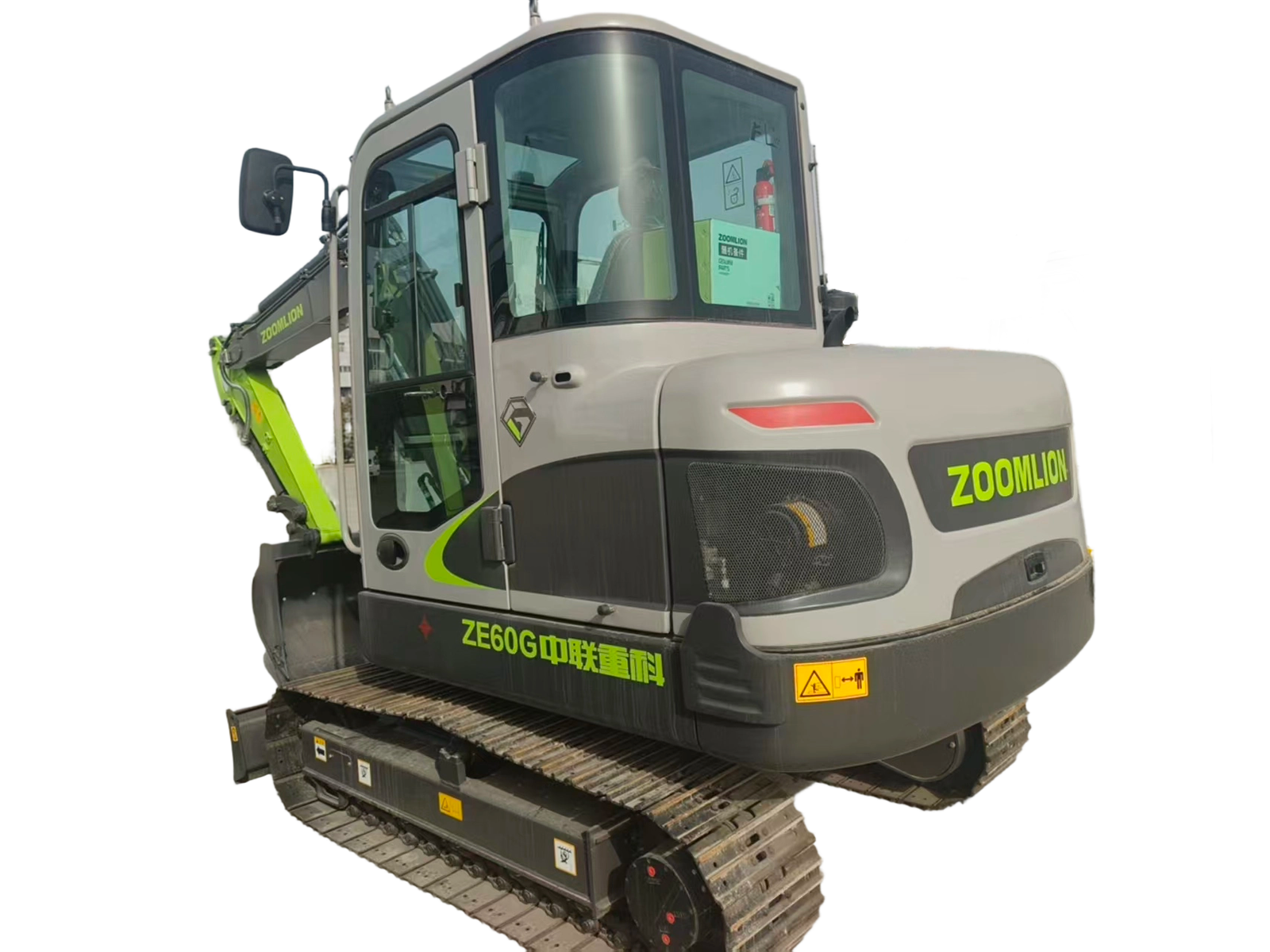
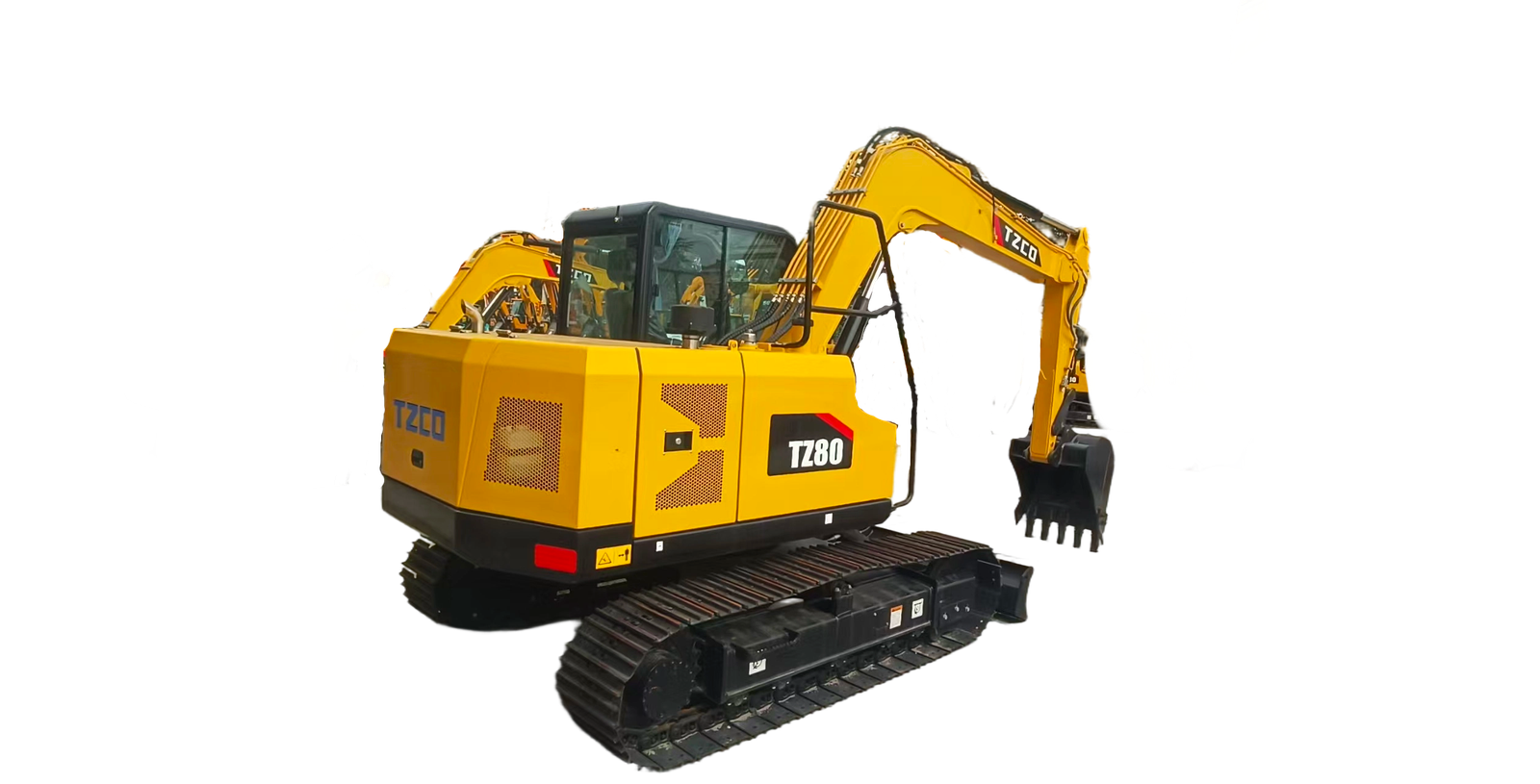
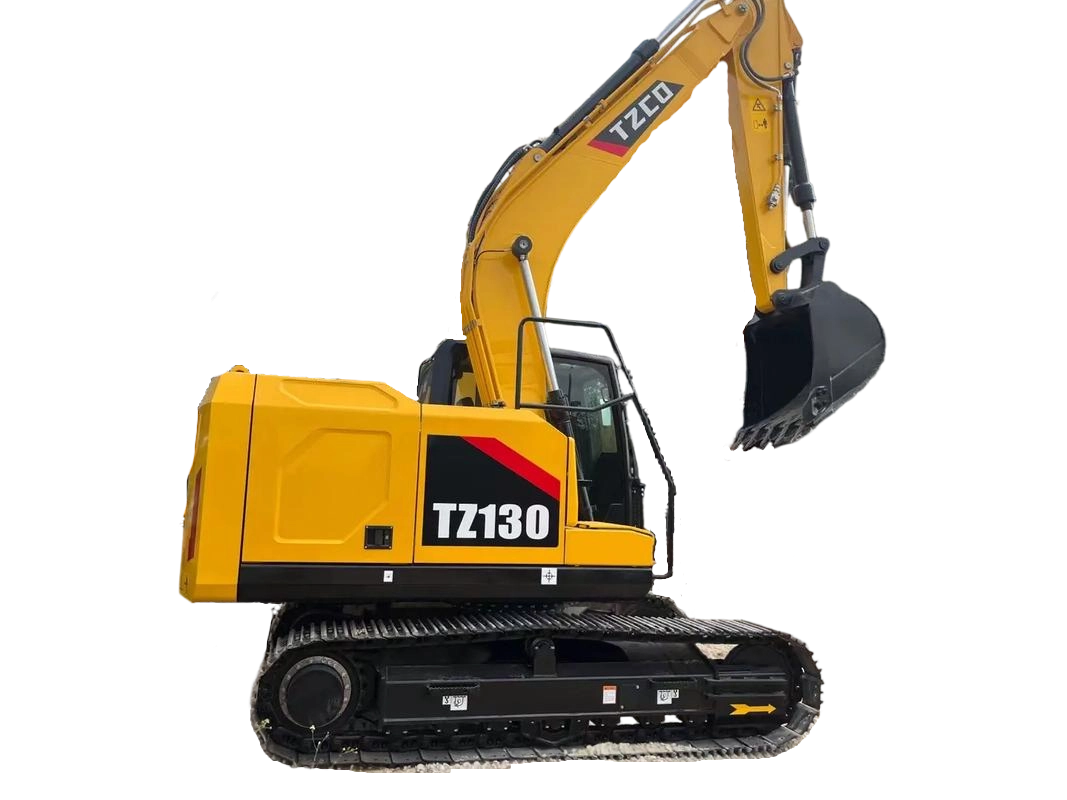
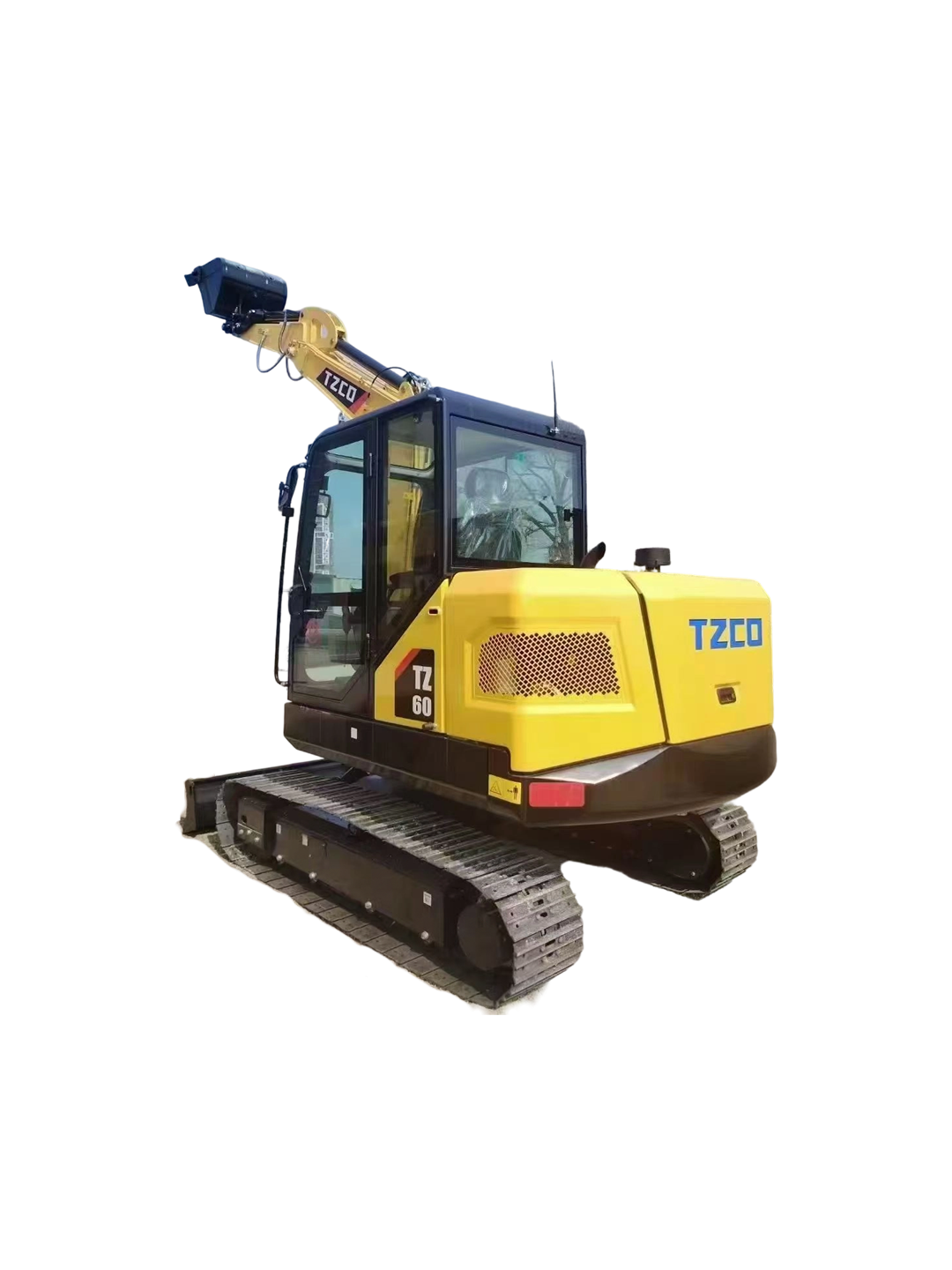
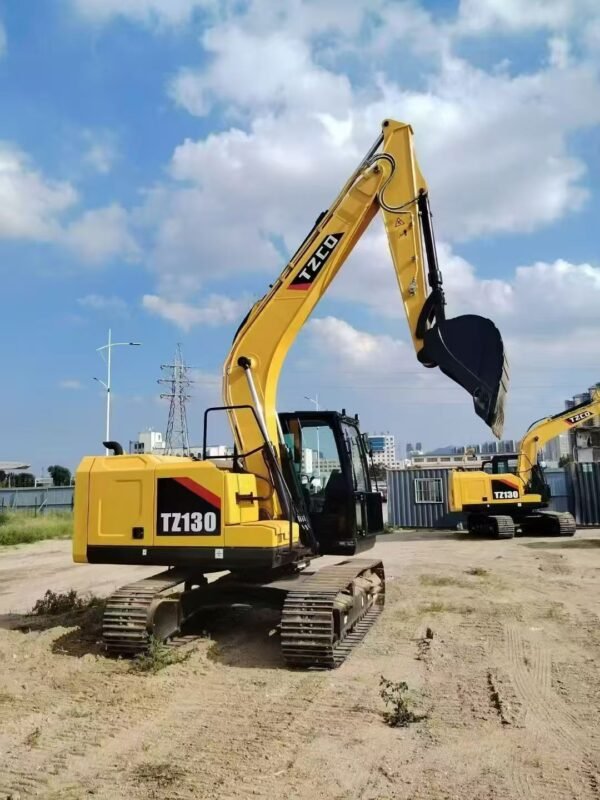
Small excavators have become essential machines for construction, landscaping, agriculture, utility work, and residential projects. Their compact size, strong digging capability, and flexible operation make them highly popular among contractors and first-time equipment buyers. For beginners, purchasing a used small excavator can be a practical and cost-effective way to access reliable machinery while staying within budget.
However, choosing the right machine requires careful planning and understanding of several important factors. From machine size and operating hours to hydraulic performance and maintenance history, every detail can influence long-term value and productivity. This guide explains the key points beginners should understand before buying a used small excavator.
Why Used Small Excavators Are Popular
Used small excavators are widely chosen because they offer an excellent balance between affordability and performance. Many industries rely on compact excavators for projects where larger machines are difficult to operate.
Their smaller footprint allows operators to work efficiently in limited spaces such as residential construction sites, farms, gardens, and urban projects. In addition, transportation and storage costs are generally lower compared to larger heavy equipment.
Some of the most common applications include:
| Industry | Typical Applications |
|---|---|
| Construction | Foundation digging, trenching |
| Landscaping | Tree planting, grading |
| Agriculture | Irrigation and drainage work |
| Utility Installation | Cable and pipe installation |
| Residential Projects | Backyard excavation and renovation |
For beginners, used small excavators provide an opportunity to gain experience with heavy equipment while reducing initial investment costs.
Understanding Small Excavator Types
Before purchasing a machine, it is important to understand the different categories of small excavators. Compact excavators are available in multiple sizes and configurations designed for various job requirements.
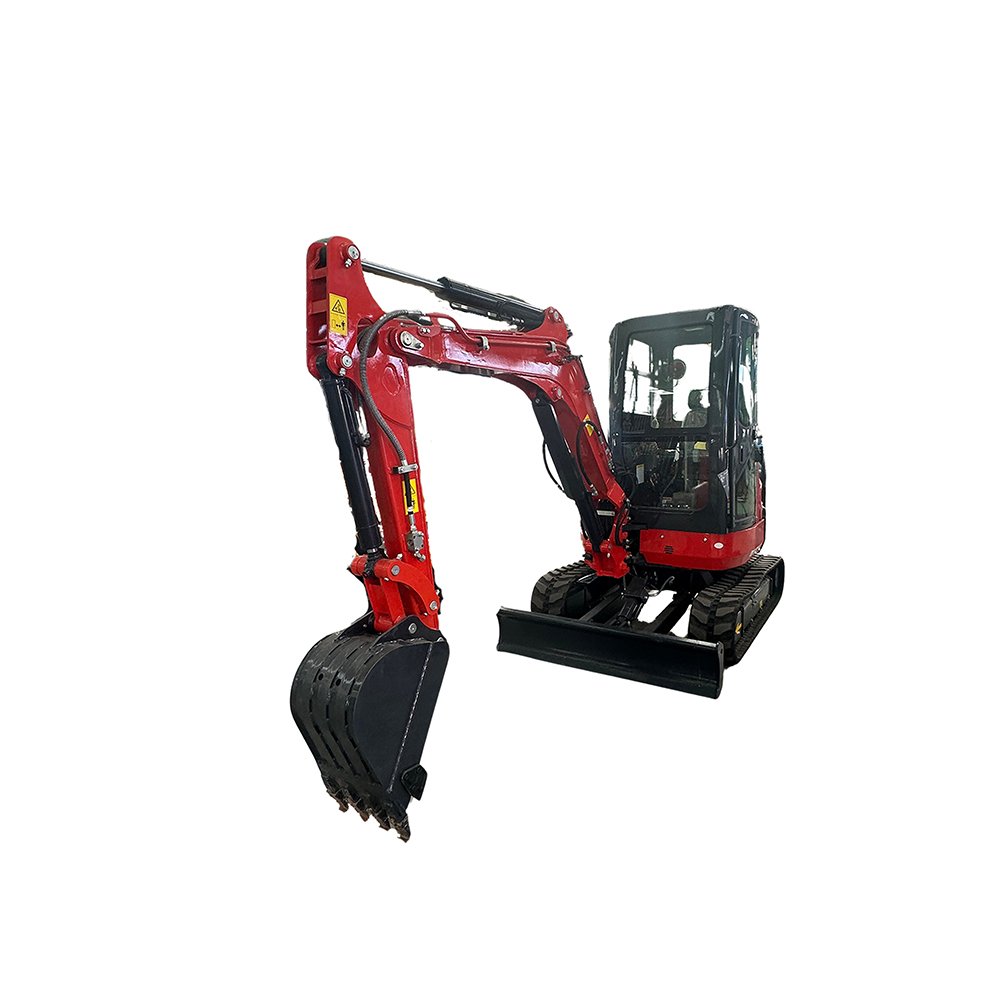
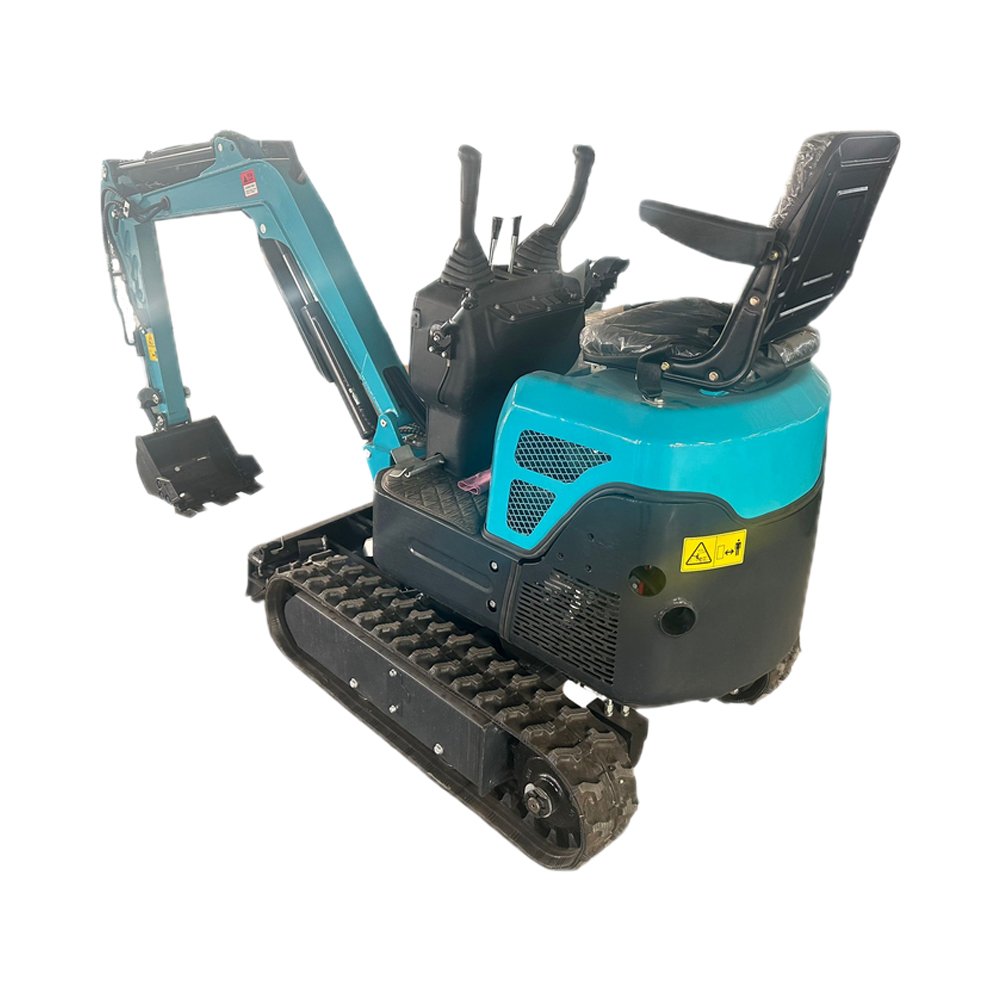
Mini excavators are among the most common options for beginners. These machines are lightweight, easy to transport, and suitable for light construction and landscaping work. Mid-size compact excavators provide greater digging depth and lifting capacity for more demanding projects.
Buyers should also consider tail swing design. Zero-tail-swing excavators are especially useful in confined spaces because the rear section stays within the track width during rotation.
| Excavator Type | Main Advantages |
|---|---|
| Mini Excavator | Compact and beginner-friendly |
| Compact Excavator | Greater power and versatility |
| Zero Tail Swing | Ideal for narrow work areas |
| Standard Tail Swing | Increased stability and reach |
Understanding these machine categories helps beginners select equipment that matches their intended applications.
Choosing the Right Machine Size
Machine size is one of the most important factors when buying a used excavator. A machine that is too small may struggle with demanding tasks, while an oversized machine may increase fuel and transportation costs unnecessarily.
Several specifications should be evaluated before purchasing:
- Operating weight
- Digging depth
- Bucket capacity
- Engine power
- Lifting capability
- Machine width
Smaller excavators are ideal for residential and landscaping projects, while slightly larger compact models are better suited for commercial construction or utility work.
Beginners should carefully evaluate their most common project requirements before deciding on machine size.
Checking Operating Hours and Machine Condition
Operating hours provide useful insight into the overall usage level of a used excavator. Machines with lower hours may offer longer remaining service life, although proper maintenance is equally important.
When inspecting a used excavator, buyers should examine the following areas carefully:
| Inspection Area | What to Check |
|---|---|
| Hydraulic System | Smooth operation and no leaks |
| Engine | Easy starting and stable performance |
| Tracks | Wear condition and alignment |
| Boom and Arm | Cracks or excessive play |
| Bucket | Cutting edge and wear level |
| Cab Controls | Responsive operation |
A detailed visual inspection helps beginners identify machines that have been maintained properly and remain suitable for long-term use.
Importance of Hydraulic System Performance
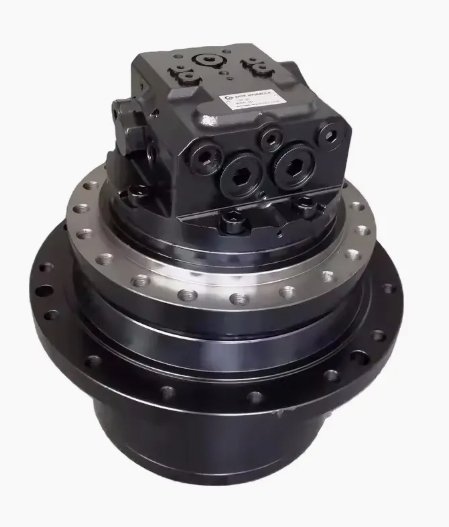
The hydraulic system is one of the most critical components of any excavator. Excavator performance depends heavily on hydraulic pressure and fluid flow efficiency.
A well-functioning hydraulic system ensures smooth digging, lifting, and attachment operation. Buyers should pay close attention to unusual noises, slow movement, or visible hydraulic leaks during inspection.
Testing the machine under working conditions is highly recommended. Operators should evaluate:
- Boom movement
- Arm extension
- Bucket response
- Swing operation
- Travel speed
Consistent hydraulic performance is a strong indicator of machine reliability and operational efficiency.
Engine Performance and Fuel Efficiency
The engine directly affects productivity, reliability, and fuel consumption. Beginners should choose machines with stable engine performance and good fuel efficiency to reduce long-term operating costs.
Modern compact excavators are designed to provide efficient power output while minimizing fuel usage. During inspection, buyers should check for:
| Engine Inspection Point | Desired Condition |
|---|---|
| Startup Performance | Quick and smooth starting |
| Exhaust Smoke | Clean and consistent operation |
| Engine Noise | Stable and even sound |
| Fluid Levels | Proper maintenance condition |
| Cooling System | No overheating signs |
A properly maintained engine contributes significantly to machine longevity and productivity.
Evaluating Maintenance History
Maintenance records provide valuable information about how the machine has been cared for over time. Regular servicing often indicates responsible ownership and better overall condition.
Important maintenance areas include:
- Oil and filter changes
- Hydraulic fluid replacement
- Track maintenance
- Greasing schedules
- Cooling system service
- Electrical inspections
Buyers should prioritize machines with clear maintenance documentation whenever possible.
Attachments and Versatility
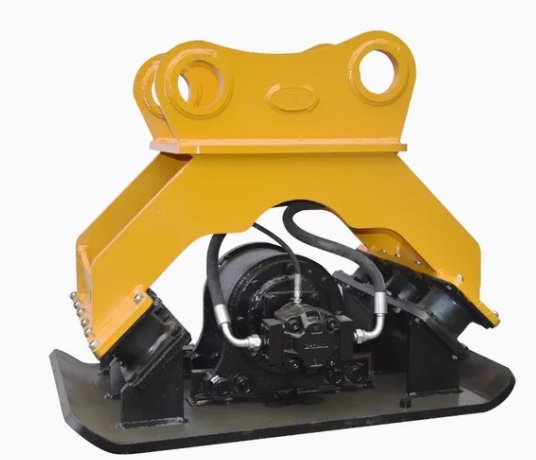
One of the biggest advantages of small excavators is their ability to support multiple attachments. Attachments increase machine versatility and allow operators to perform a wider range of tasks.
Common excavator attachments include:
| Attachment | Main Use |
|---|---|
| Digging Bucket | Excavation work |
| Hydraulic Hammer | Breaking concrete and rock |
| Auger | Drilling holes |
| Grapple | Material handling |
| Grading Bucket | Surface leveling |
Beginners should consider future project requirements when evaluating attachment compatibility.
Transportation and Storage Considerations
Transportation and storage are important practical factors for excavator ownership. Compact excavators are generally easier to transport than large construction equipment, but machine weight and dimensions still matter.
Buyers should confirm:
- Trailer compatibility
- Transport regulations
- Storage space availability
- Access to job sites
Choosing a machine that matches transportation capabilities can help reduce operating costs and improve project flexibility.
Benefits of Buying From Reliable Sellers
Purchasing from reputable equipment dealers or professional sellers often provides additional confidence for first-time buyers. Reliable sellers may offer machine inspections, maintenance records, and technical support that help beginners make informed decisions.
Professional sellers also tend to maintain equipment carefully and prepare machines before resale. This can improve machine reliability and reduce unexpected maintenance requirements.
Working with experienced equipment professionals can simplify the buying process for beginners entering the construction equipment market.
Technology Trends in Modern Compact Excavators
Compact excavators continue evolving with modern technology improvements. Many newer machines include advanced operator features designed to improve efficiency, safety, and comfort.
Some modern innovations include:
- Digital monitoring displays
- Fuel-efficient engine systems
- Enhanced hydraulic controls
- Improved operator cabins
- Quick attachment systems
As technology advances, used excavators equipped with newer features may provide additional long-term value for buyers.
Long-Term Value and Ownership Costs
When buying a used small excavator, beginners should consider not only the purchase price but also long-term ownership costs.
Key ownership factors include:
| Ownership Cost Area | Importance |
|---|---|
| Fuel Consumption | Affects daily operating cost |
| Maintenance Requirements | Influences service expenses |
| Replacement Parts | Impacts repair availability |
| Machine Durability | Determines long-term value |
| Resale Potential | Supports future equipment upgrades |
A balanced purchasing decision helps buyers maximize productivity while maintaining manageable operating expenses.
Buying a used small excavator can be an excellent investment for beginners entering construction, landscaping, agriculture, or utility work. Compact excavators provide versatility, efficiency, and cost-effective performance across a wide range of applications.
By carefully evaluating machine size, operating condition, hydraulic performance, maintenance history, and long-term ownership costs, buyers can make more informed decisions and select equipment that supports reliable productivity for years to come.
Understanding the fundamentals of used excavator purchasing helps beginners build confidence while maximizing equipment value and operational efficiency.