








Industry News
How to Use a Mini Excavator for Backyard Projects
May
Mini excavators have become one of the most practical and efficient machines for residential landscaping and backyard improvement projects. Their compact size, versatility, and ease of operation make them ideal for homeowners and contractors working in limited spaces. Whether you are digging trenches, removing tree stumps, leveling land, installing drainage systems, or preparing foundations for outdoor structures, a mini excavator can significantly improve productivity and reduce manual labor.
As backyard renovation projects continue to grow in popularity, understanding how to properly use a mini excavator can help improve safety, efficiency, and project results. This guide explains the essential steps, techniques, and best practices for using a mini excavator effectively in backyard projects.
Understanding the Basics of a Mini Excavator
Before starting any backyard project, it is important to understand the basic structure and functions of a mini excavator. A mini excavator is a compact construction machine designed for digging, lifting, trenching, grading, and material handling in smaller work areas.
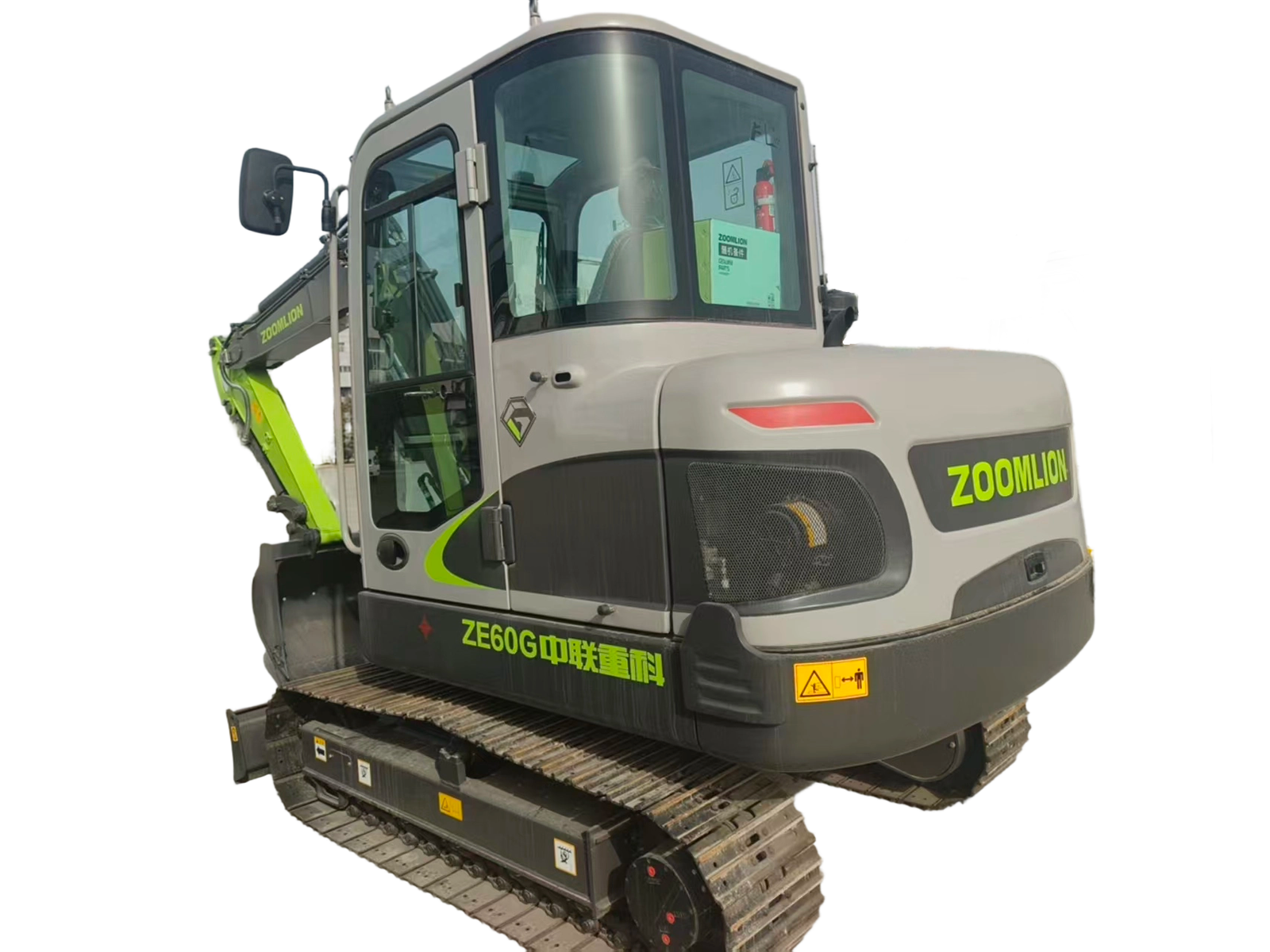
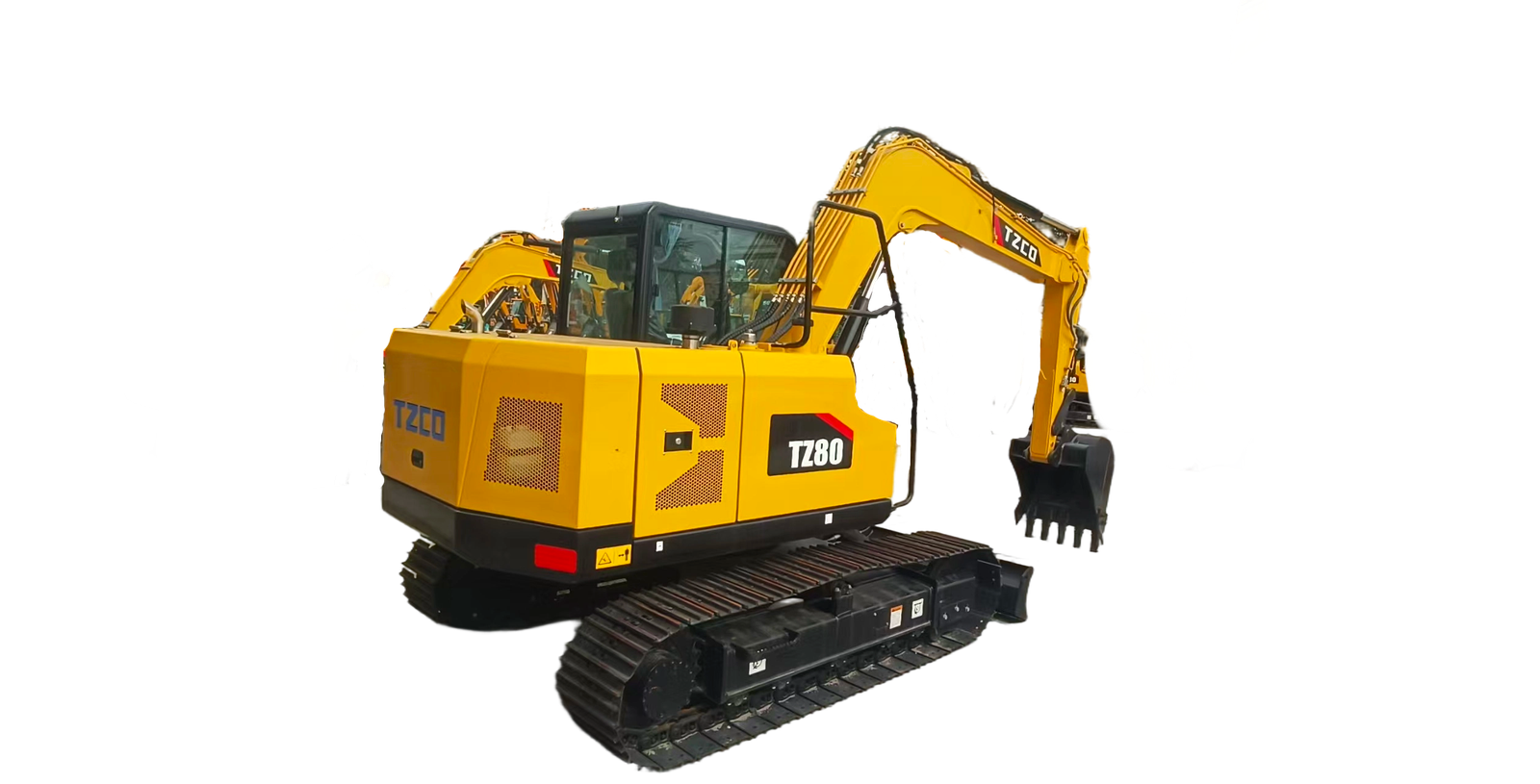
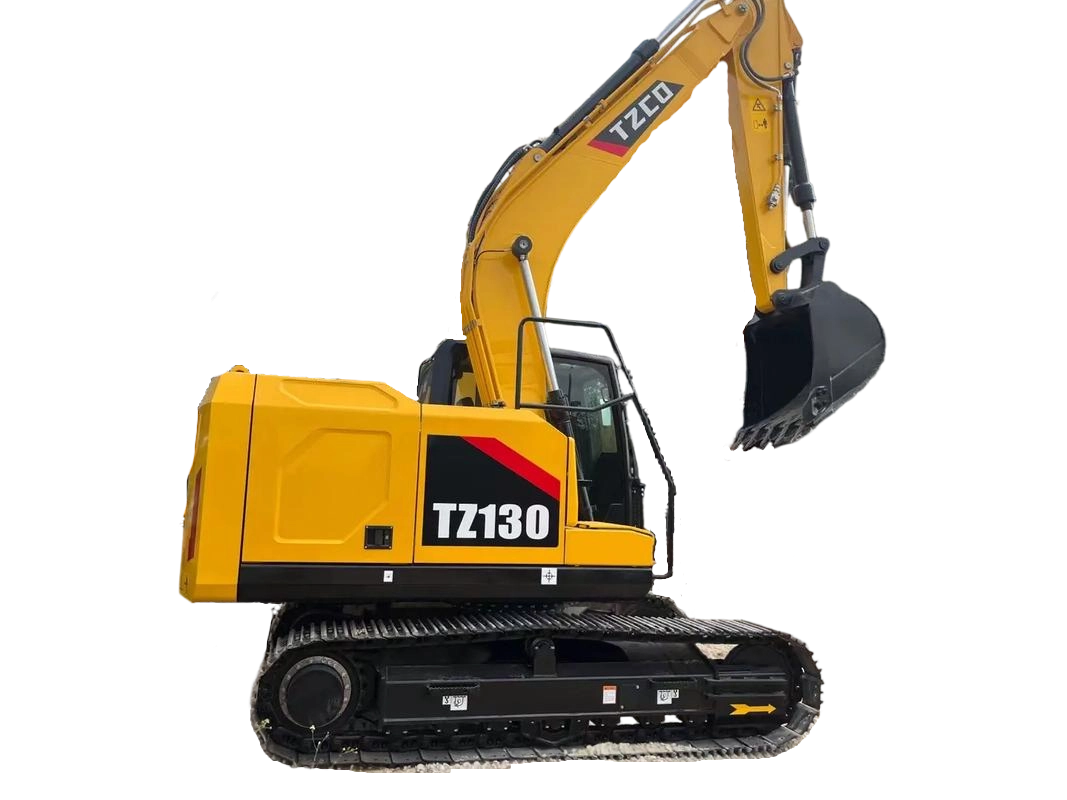
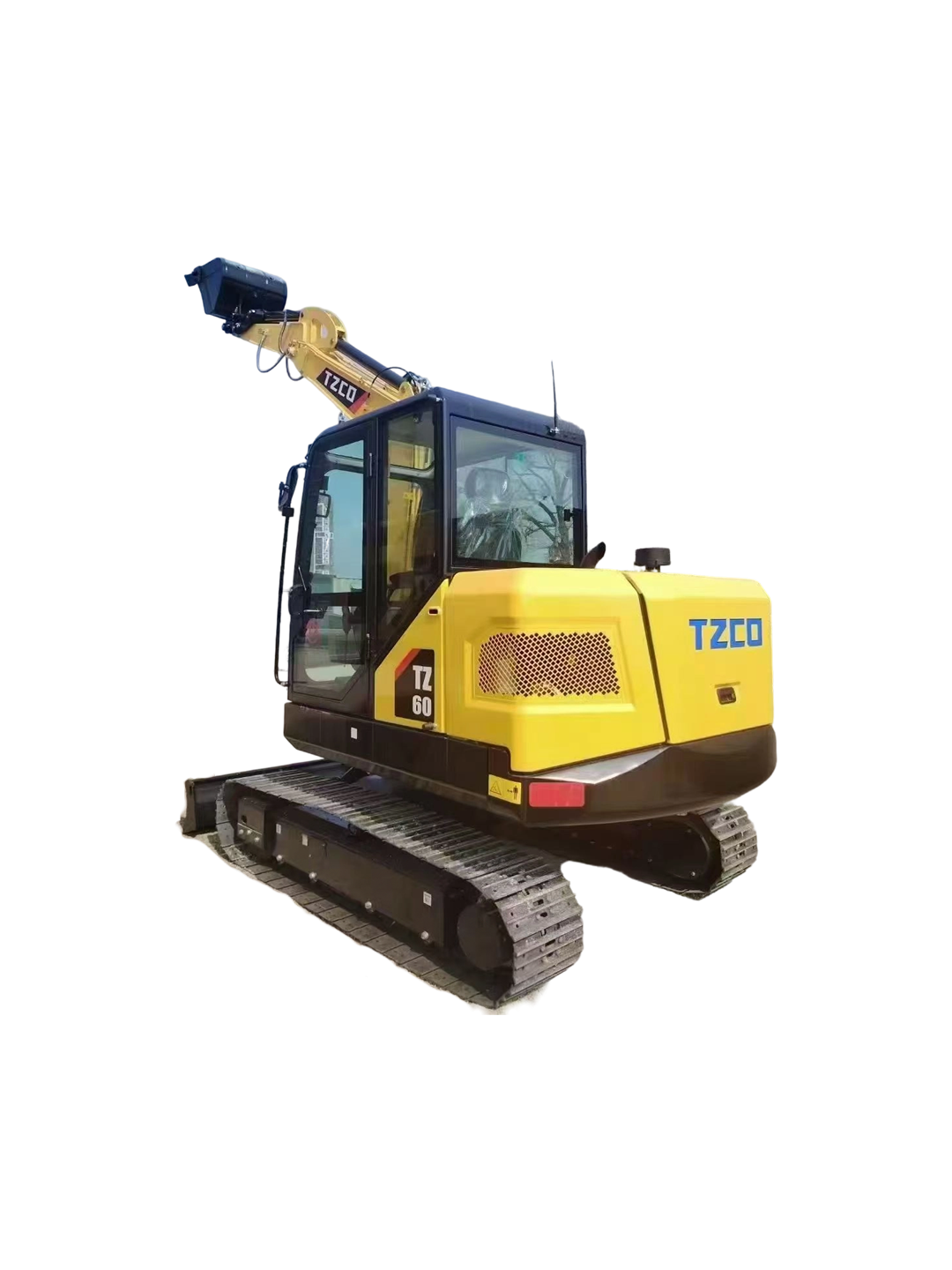
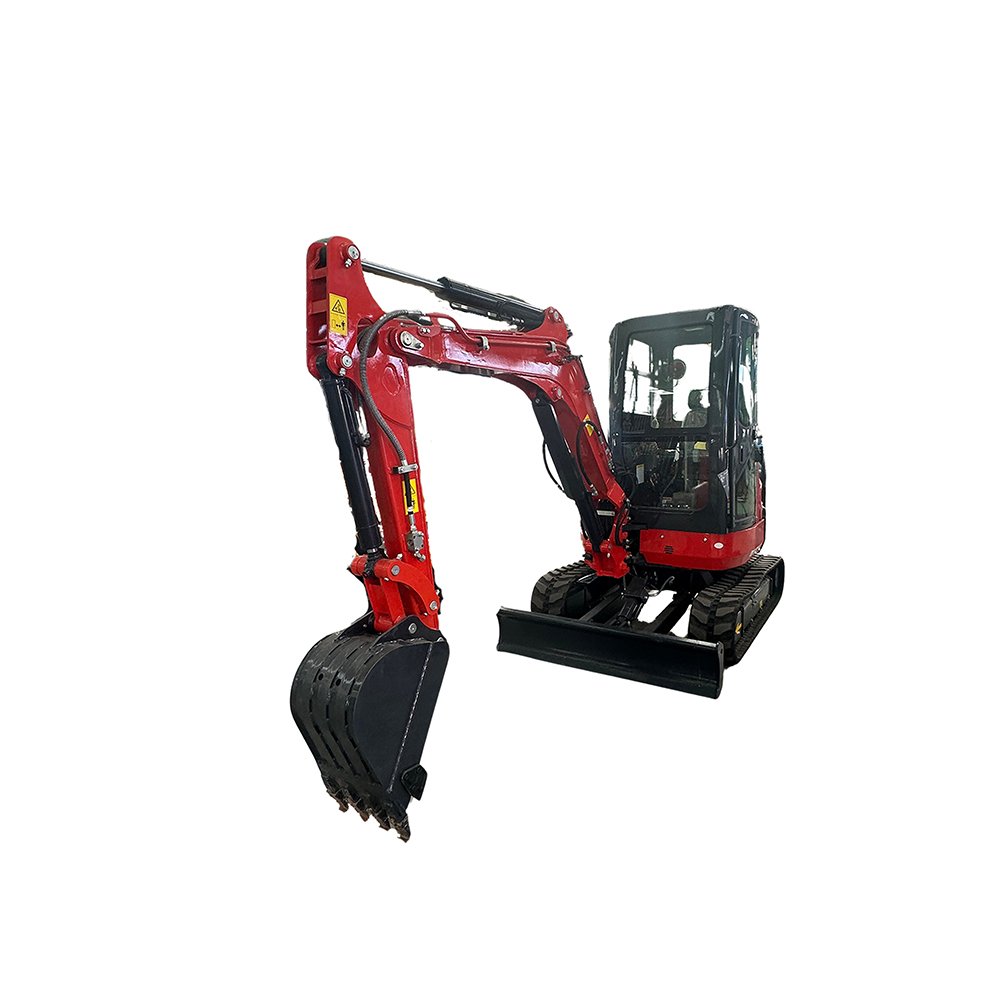
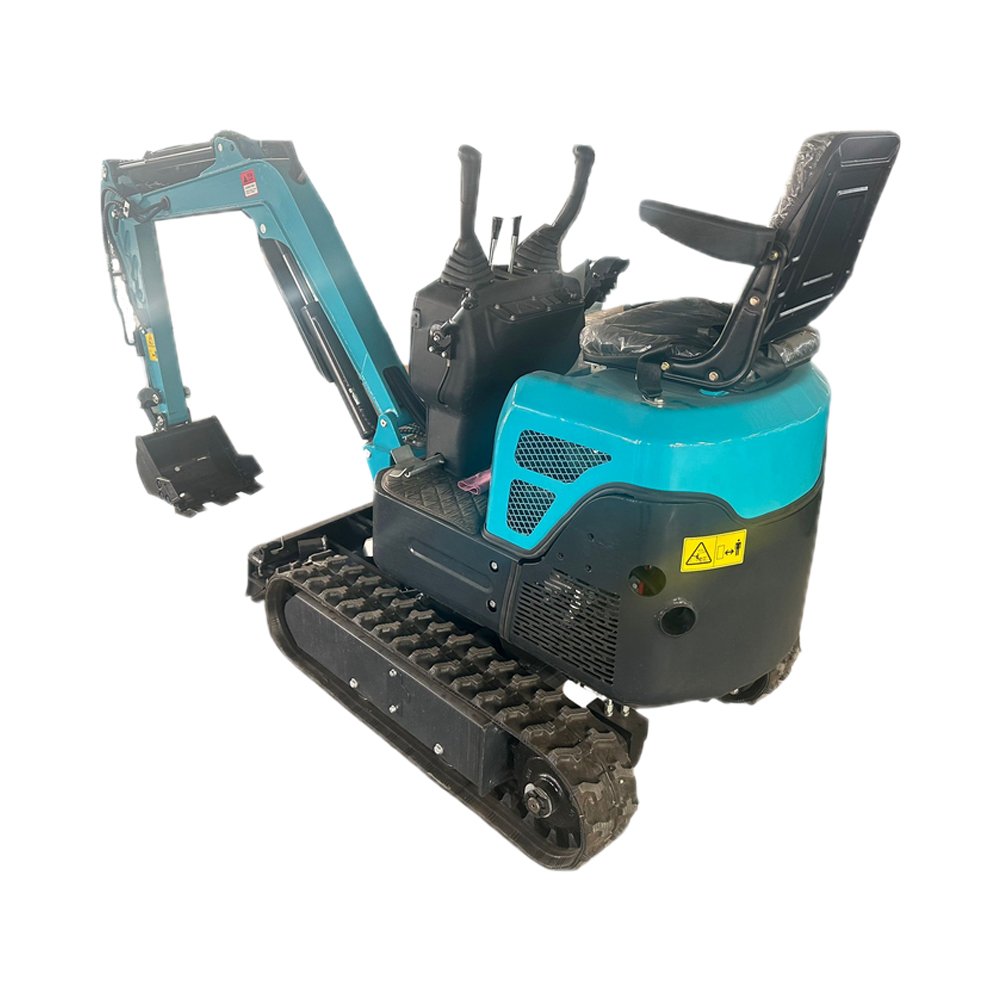
Most mini excavators include several key components such as the cab, boom, arm, bucket, tracks, hydraulic system, and control levers. The hydraulic system powers the movement of the boom and bucket, allowing operators to perform precise digging and lifting tasks.
Mini excavators are available in different sizes and operating capacities. Smaller models are ideal for narrow spaces and residential gardens, while larger compact excavators offer greater digging depth and lifting power for more demanding projects.
Understanding the machine’s controls, operating limits, and attachment options is essential for achieving efficient and accurate project results.
Planning Your Backyard Project
Proper planning is one of the most important steps before operating a mini excavator. A well-organized project layout helps improve efficiency and reduces unnecessary machine movement.
Start by identifying the scope of the project and marking the work area clearly. Common backyard projects include digging trenches for irrigation systems, preparing patios, creating garden ponds, removing old landscaping materials, and leveling uneven ground.
It is also important to inspect the site carefully before excavation begins. Check for underground utility lines, drainage pipes, irrigation systems, or other buried obstacles that could affect digging operations.
Measuring the project area and determining the required digging depth can help ensure accurate excavation work. Creating a clear work plan also allows operators to position the machine efficiently and avoid unnecessary repositioning during operation.
Choosing the Right Attachments
One of the biggest advantages of a mini excavator is its compatibility with various attachments. Different attachments allow the machine to perform multiple backyard tasks efficiently.
The standard digging bucket is commonly used for trenching, soil removal, and foundation preparation. Narrow trenching buckets are useful for irrigation or drainage installation projects that require precise cuts.
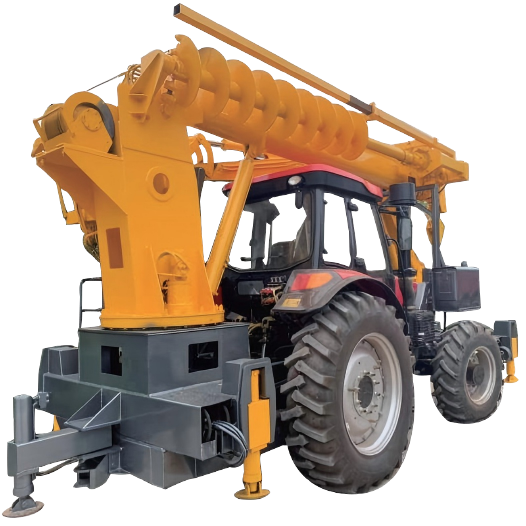
Augers can be used for drilling fence post holes or planting trees. Grapples help move rocks, branches, and landscaping debris, while grading blades assist with leveling and finishing surfaces.
Selecting the right attachment for each task improves productivity and helps achieve cleaner and more professional project results.
Modern mini excavators often allow quick attachment changes, making them highly versatile for residential landscaping and construction projects.
Preparing the Work Area
Before operating the machine, the work area should be prepared carefully to ensure smooth operation and efficient movement.
Remove large debris, loose branches, rocks, and obstacles that may interfere with the excavator tracks or digging operations. Clear pathways help improve maneuverability and reduce interruptions during work.
Soft or muddy ground conditions should also be evaluated before operation begins. Stable ground improves machine balance and allows safer movement during digging and lifting tasks.
In residential environments, protecting nearby landscaping, fences, patios, or walkways is important. Placing protective boards or barriers around sensitive areas can help reduce surface damage while operating the excavator.
Proper site preparation supports better project organization and improves overall operational efficiency.
Operating the Mini Excavator Safely
Safe operation is essential for successful backyard excavation projects. Before starting the machine, operators should become familiar with the control system and operating instructions.
Most mini excavators use joystick controls to operate the boom, arm, bucket, and tracks. Smooth and controlled movements help improve digging accuracy and reduce unnecessary wear on the machine.
When digging, position the excavator on stable ground and keep the machine balanced. Avoid overextending the boom or lifting loads beyond the machine’s operating capacity.
Operators should always maintain good visibility around the work area and ensure that nearby people remain at a safe distance during operation.
Using proper digging techniques also improves efficiency. Gradual and controlled bucket movements reduce soil resistance and create cleaner excavation results.
For beginners, practicing basic machine movements in an open area before starting the actual project can improve confidence and operational control.
Digging Trenches and Foundations
Trenching is one of the most common backyard applications for mini excavators. Trenches are often needed for irrigation lines, drainage systems, electrical conduits, and landscaping installations.
To dig an accurate trench, begin by marking the trench line clearly. Position the excavator parallel to the trench path and use smooth bucket movements to remove soil consistently.
Maintaining a uniform trench depth helps improve installation quality for pipes or cables. Excavated soil should be placed neatly beside the trench for easier backfilling later.
Mini excavators are also useful for preparing small foundations for sheds, decks, retaining walls, or outdoor structures. Controlled excavation allows operators to create level foundation areas with greater precision than manual digging methods.
Because mini excavators can access tighter spaces, they are highly effective for backyard projects where larger equipment may not fit comfortably.
Landscaping and Ground Leveling
Mini excavators are highly valuable for landscaping and terrain preparation projects. They can remove old garden materials, relocate soil, shape terrain, and create new outdoor layouts efficiently.
Ground leveling is often necessary before installing patios, walkways, artificial turf, or outdoor entertainment areas. Using grading attachments or the excavator bucket, operators can smooth uneven surfaces and prepare the site for construction or landscaping work.
Excavators are also commonly used for digging decorative ponds, reshaping garden beds, and creating retaining wall foundations.
The machine’s compact design allows operators to work precisely around trees, fences, and existing structures without requiring excessive space.
Efficient landscaping preparation helps improve project quality while reducing physical labor and project completion time.
Maintaining the Mini Excavator During Projects
Proper machine maintenance is important for ensuring reliable operation throughout backyard projects.
Operators should inspect hydraulic hoses, bucket connections, tracks, and fluid levels regularly. Keeping the machine clean helps prevent dirt buildup that could affect moving components.
Lubricating joints and inspecting attachments before operation can improve machine performance and reduce unnecessary wear.
Fuel management is also important during longer projects. Maintaining adequate fuel levels helps avoid operational interruptions and supports consistent productivity.
Following recommended maintenance procedures helps extend equipment lifespan and maintain efficient machine performance over time.
Benefits of Using a Mini Excavator for Backyard Projects
Mini excavators provide several advantages for residential construction and landscaping projects. Their compact size allows access to narrow areas while minimizing disruption to existing outdoor spaces.
Compared with manual labor, mini excavators significantly reduce physical effort and improve project speed. Tasks that may require several days of digging by hand can often be completed within hours using compact excavation equipment.
The versatility of attachment options also increases machine value by allowing operators to handle multiple tasks with one machine.
Mini excavators support improved precision, cleaner excavation work, and more efficient material handling, making them highly useful for modern backyard improvement projects.
Using a mini excavator for backyard projects can greatly improve efficiency, accuracy, and overall project quality. Whether you are installing drainage systems, preparing foundations, leveling terrain, or completing landscaping upgrades, mini excavators provide practical solutions for residential construction tasks.
By understanding machine operation, choosing the right attachments, preparing the worksite properly, and following safe operating practices, homeowners and contractors can complete backyard projects more effectively and professionally.
As outdoor living spaces continue to evolve, mini excavators remain one of the most valuable tools for transforming residential properties with speed, precision, and versatility.