








Industry News
Used Small Excavators vs New Models Compared
Jun
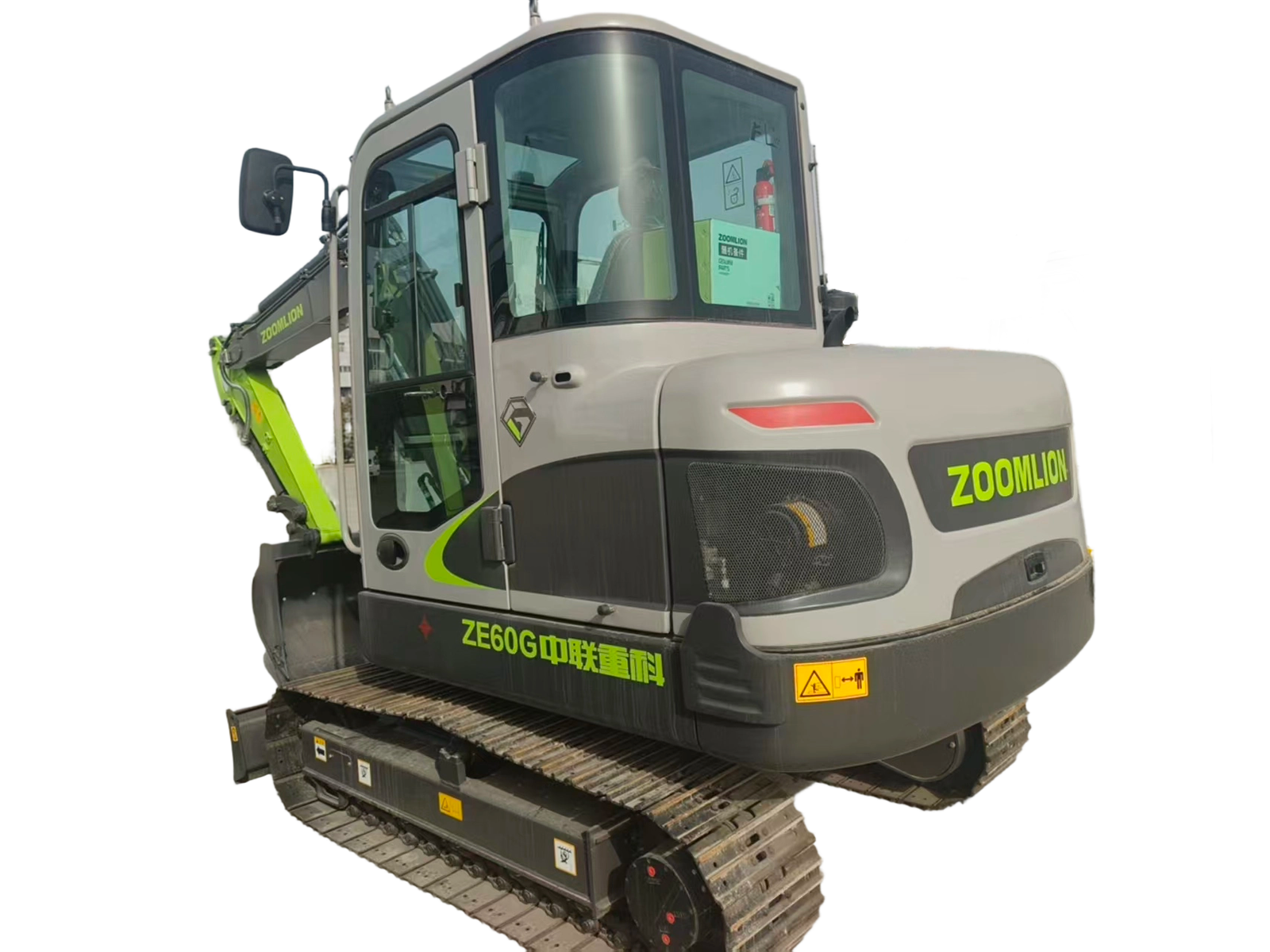
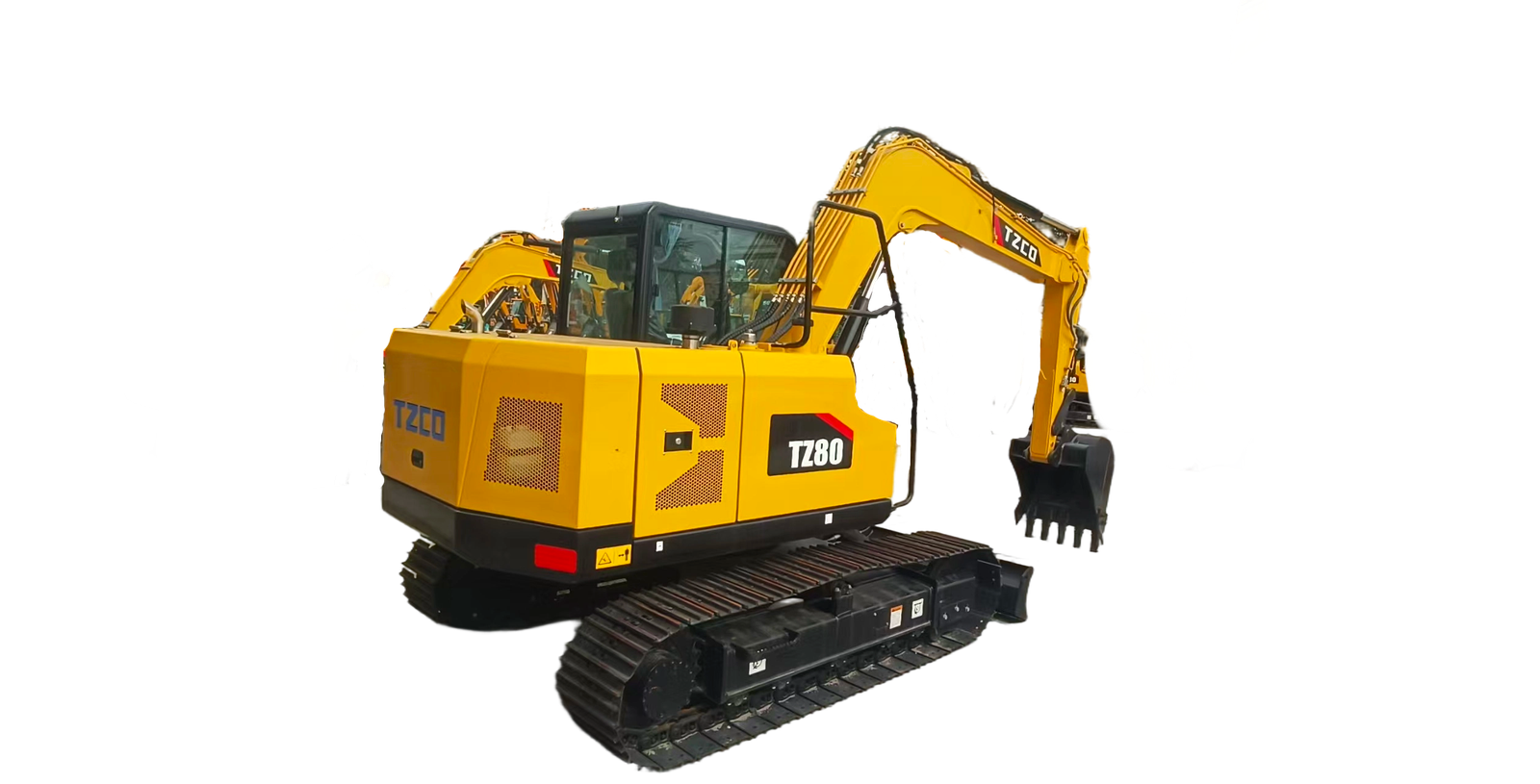
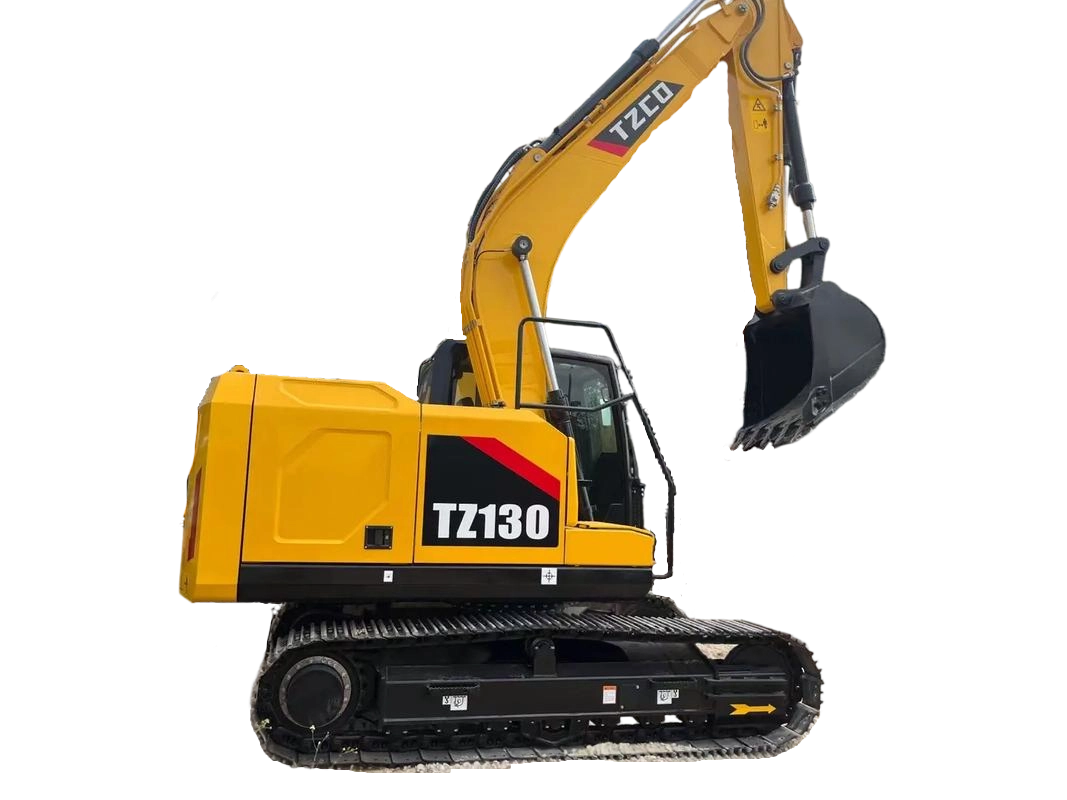
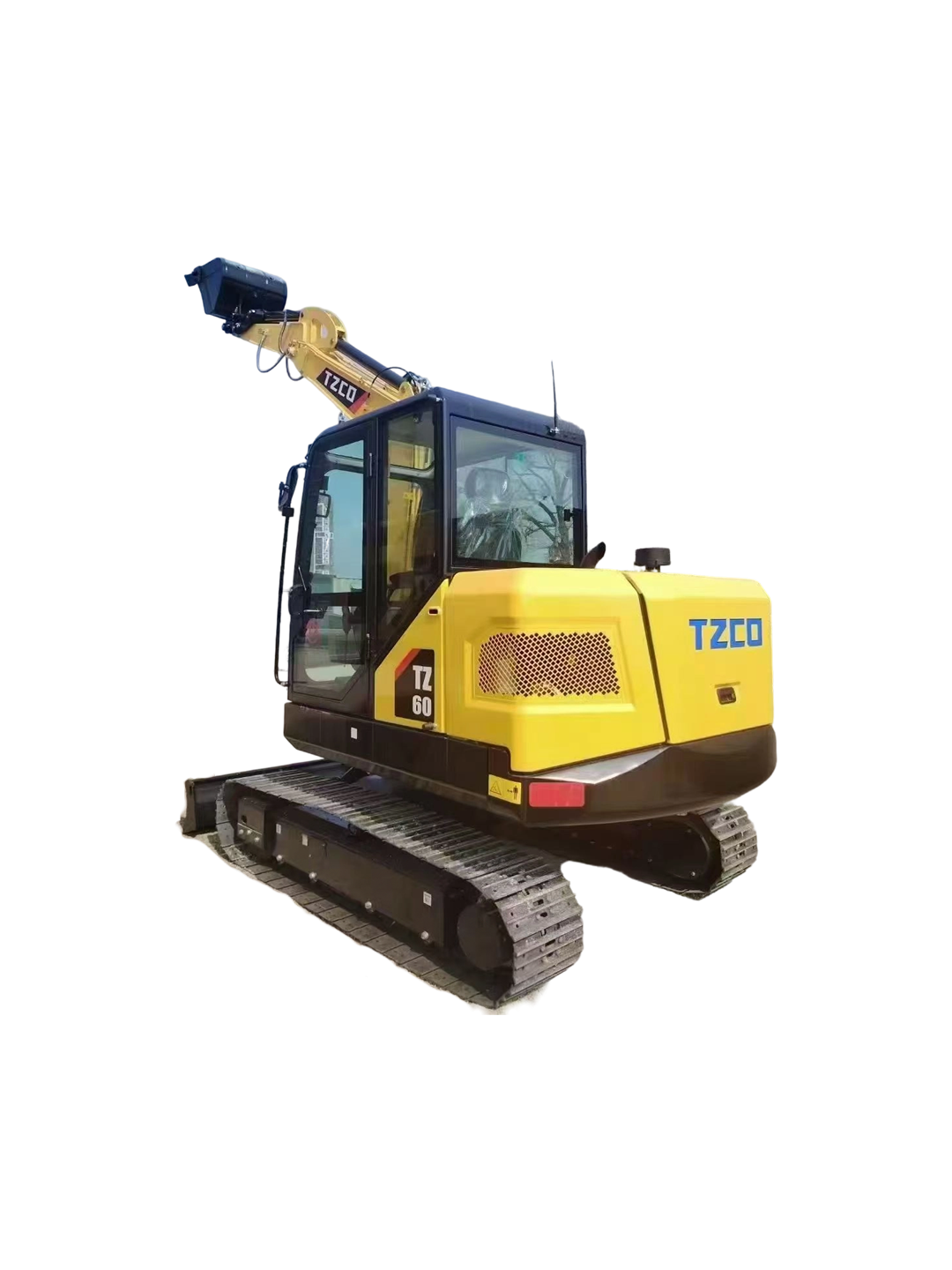
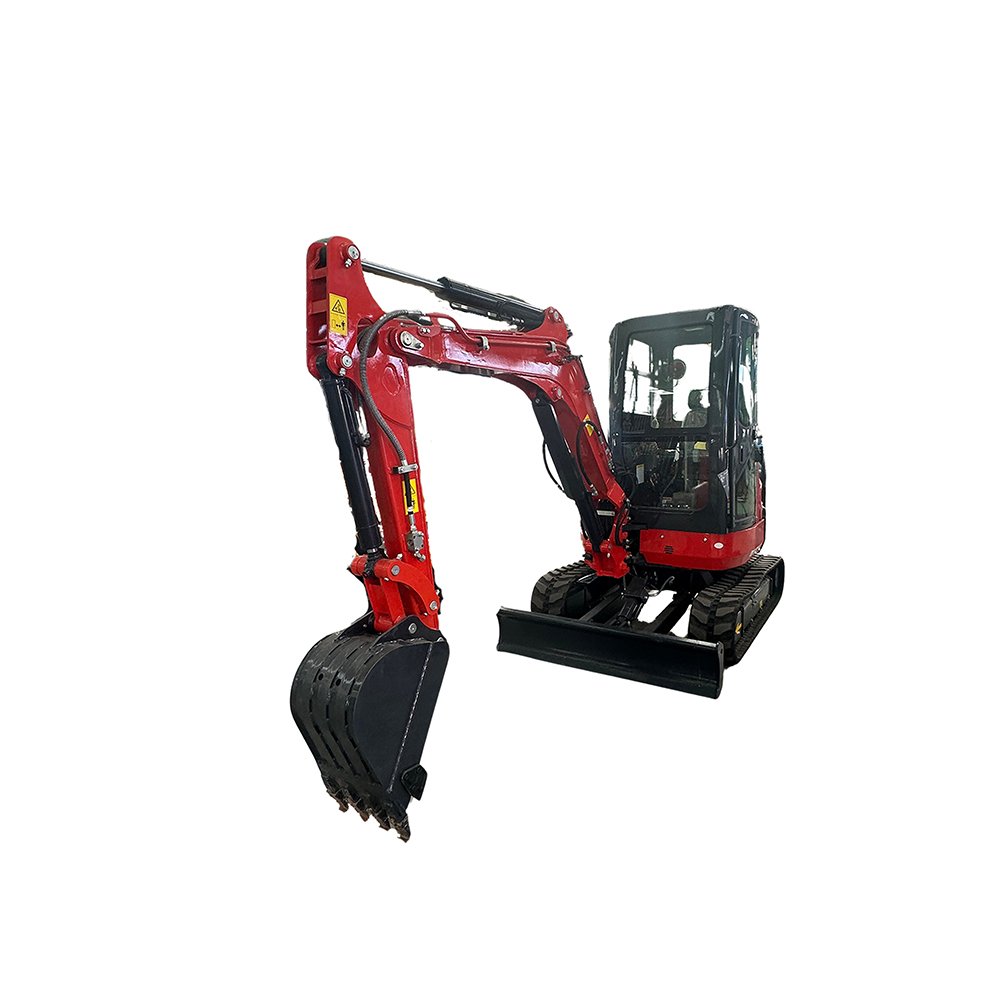
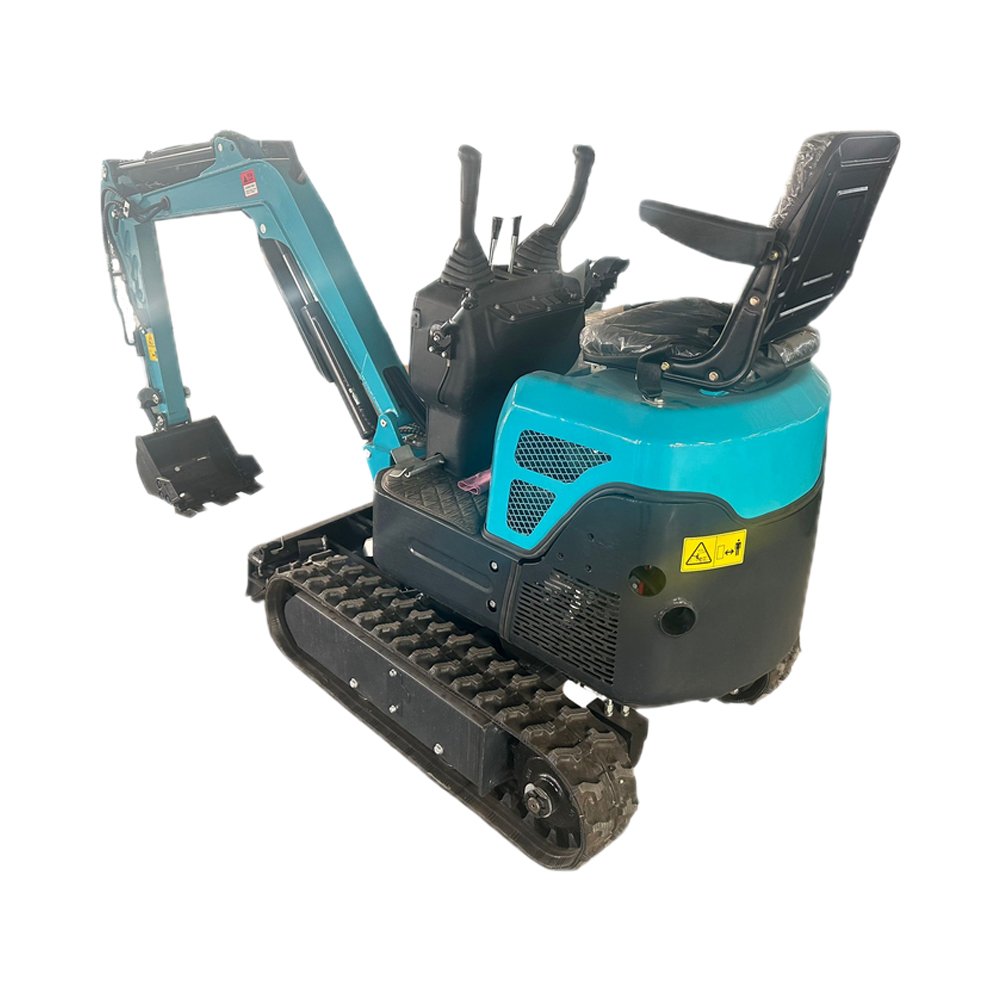
The global demand for compact construction equipment continues to grow as contractors, landscapers, farmers, and property developers seek versatile machinery for a wide range of projects. Among the most popular equipment choices are small excavators, valued for their ability to perform digging, trenching, grading, demolition, and material handling tasks in confined spaces.
When investing in a small excavator, buyers often face an important decision: choosing between a used machine and a new model. Both options offer unique advantages, and the right choice depends on project requirements, budget considerations, operational goals, and long-term equipment strategies.
Understanding the differences between used small excavators and new models can help buyers make informed purchasing decisions while maximizing productivity and return on investment.
Understanding the Growing Popularity of Small Excavators
Small excavators have become essential machines across many industries due to their compact size, maneuverability, and versatility. Unlike larger construction equipment, compact excavators can operate efficiently in residential neighborhoods, urban construction sites, agricultural properties, and landscaping projects.
Modern small excavators support a wide variety of attachments, allowing operators to perform multiple tasks using a single machine. This flexibility makes them attractive investments for businesses seeking efficient equipment utilization.
As demand for compact equipment continues to rise, both new and used small excavators remain important segments of the construction machinery market.
Initial Investment Considerations
One of the most noticeable differences between used and new small excavators is the initial purchase investment.
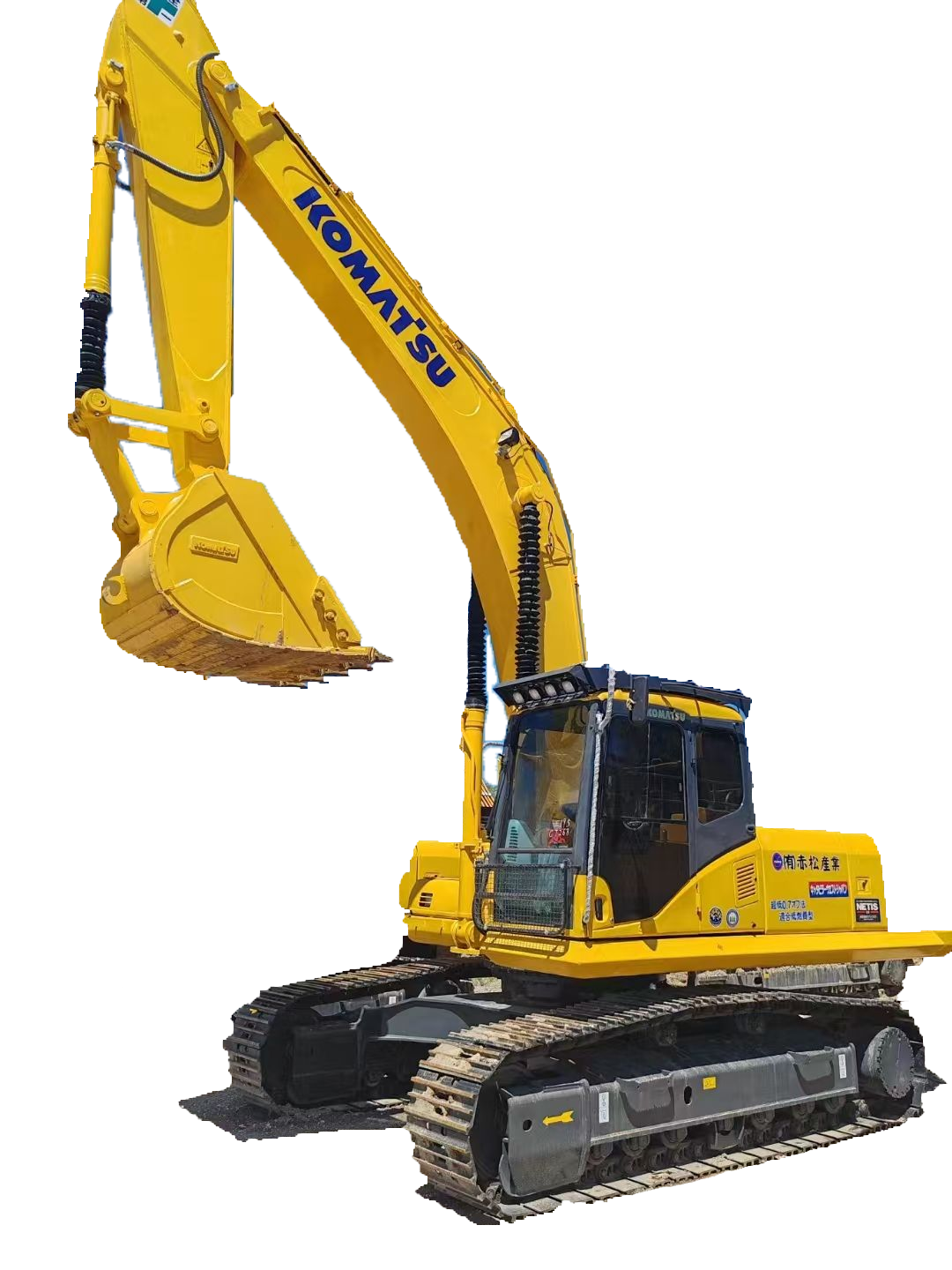
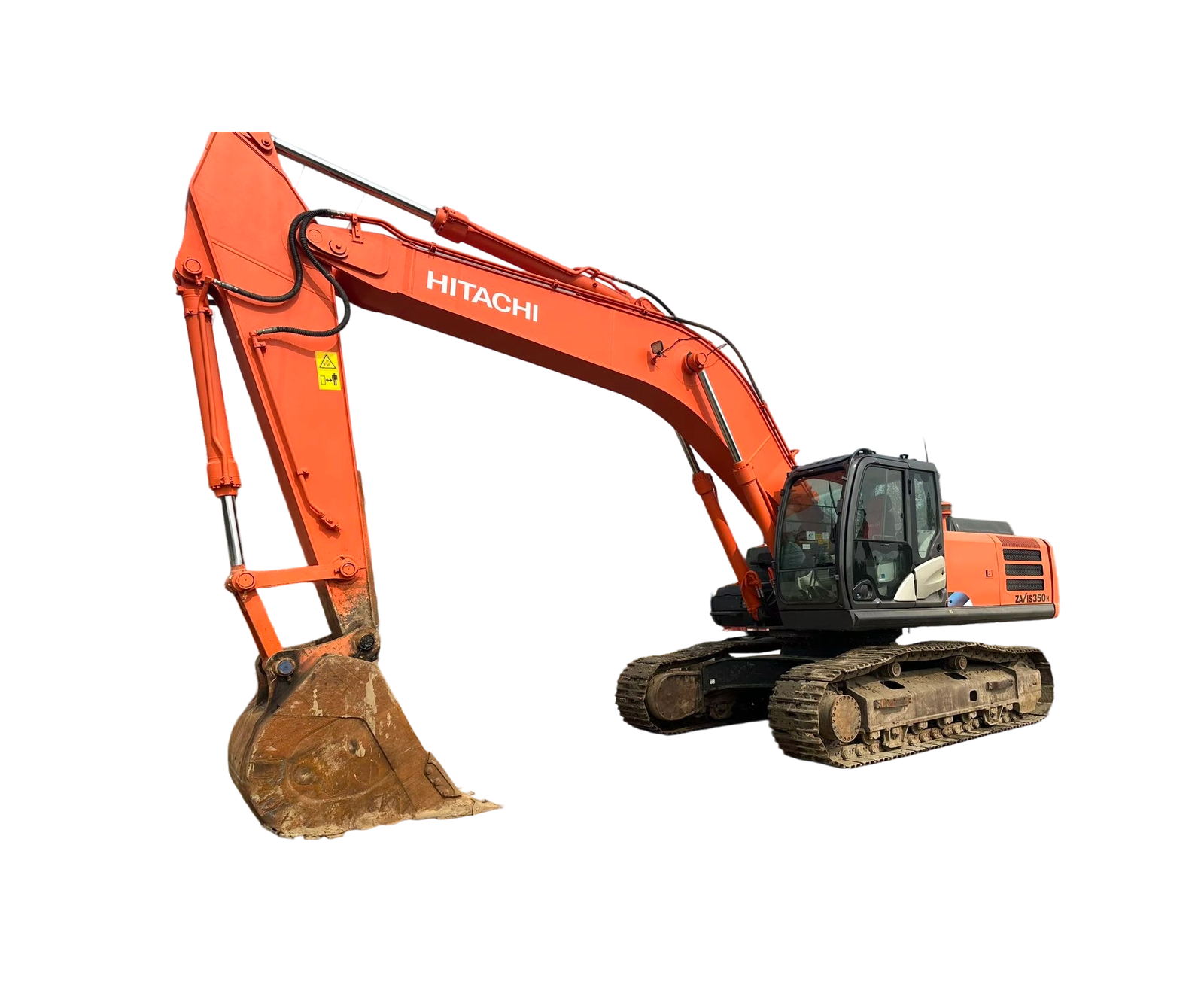
Used small excavators often provide an opportunity for buyers to acquire capable equipment while managing capital expenditures more efficiently. For businesses expanding their fleet or entering the market for the first time, used equipment can offer an accessible entry point.
New excavators, on the other hand, provide the latest manufacturing technologies, updated operator features, and current production specifications. Many buyers appreciate the confidence that comes with purchasing equipment directly from the latest production generation.
The choice ultimately depends on financial planning objectives and operational priorities.
Technology and Equipment Features
Equipment technology has advanced significantly over the past decade. New small excavators often incorporate innovations designed to improve productivity, operator comfort, fuel efficiency, and machine performance.
Modern models may include advanced hydraulic systems, digital monitoring displays, ergonomic controls, enhanced visibility, and intelligent operating modes that help optimize machine performance under varying jobsite conditions.
Used excavators can also deliver excellent operational capabilities, particularly when sourced from well-maintained fleets. Many machines retain proven technologies that continue to perform effectively across a wide range of construction and earthmoving applications.
For some buyers, access to the latest technological features is a major factor, while others prioritize operational reliability and practical functionality.
Productivity in Daily Operations
Productivity remains a critical consideration for equipment owners.
New excavator models are often engineered to maximize digging force, lifting capacity, cycle times, and fuel efficiency. Continuous advancements in hydraulic design and machine control systems contribute to improved jobsite performance.
Used small excavators continue to serve effectively in many applications, including landscaping, utility work, site preparation, and agricultural projects. Their proven field performance often demonstrates the durability and longevity associated with quality construction equipment.
When evaluating productivity, buyers should consider machine specifications, attachment compatibility, operating conditions, and anticipated workload requirements rather than focusing solely on equipment age.
Operator Comfort and User Experience
The operator environment plays an increasingly important role in equipment selection.
New excavators often feature upgraded cabins designed to enhance comfort during long working hours. Improved seating, intuitive controls, reduced vibration, better climate control systems, and enhanced visibility contribute to a more productive operating experience.
Comfort improvements can support operator efficiency and reduce fatigue throughout demanding projects.
Used excavators may also offer comfortable working environments depending on the model, configuration, and maintenance history. Many well-maintained machines continue to provide reliable performance and operator satisfaction for years.
As labor efficiency becomes more important across the construction industry, operator-focused design remains a key purchasing consideration.
Maintenance Planning and Equipment Management
Every excavator requires a structured maintenance strategy to achieve optimal performance and service life.
New machines benefit from factory specifications, updated service schedules, and access to the latest maintenance recommendations. Equipment owners often appreciate the predictability associated with managing newer machinery.
Used excavators can also provide excellent long-term value when supported by regular inspections, preventive maintenance programs, and proper operating practices.
Successful equipment ownership depends less on whether the machine is new or used and more on how effectively maintenance and fleet management practices are implemented throughout the equipment lifecycle.
Long-Term Value and Return on Investment
Purchasing construction equipment is a long-term business decision. Buyers often evaluate equipment based on productivity, operating efficiency, project suitability, and expected return on investment.
Used small excavators can deliver substantial value when matched appropriately to project requirements. Many businesses successfully utilize pre-owned equipment across a variety of applications while maintaining strong operational performance.
New models may appeal to organizations seeking the latest technologies, maximum operational efficiency, and access to current machine capabilities.
Evaluating total ownership value rather than focusing solely on purchase price helps create a more comprehensive investment perspective.
Choosing the Right Excavator for Your Business
There is no universal answer when comparing used small excavators with new models because every operation has unique requirements.
Contractors managing diverse projects may prioritize machine versatility and fleet expansion opportunities. Landscaping companies may focus on compact dimensions and attachment compatibility. Agricultural users may emphasize reliability and ease of operation.
The most effective purchasing decision results from aligning equipment capabilities with project demands, budget objectives, operator preferences, and future business growth plans.
Careful evaluation of machine condition, specifications, support availability, and operational requirements helps ensure long-term satisfaction regardless of whether the excavator is new or used.
Market Trends Supporting Both Equipment Categories
The compact construction equipment market continues to evolve as infrastructure development, urban projects, landscaping activities, and agricultural modernization drive equipment demand.
Both new and used small excavators play important roles in supporting these industries. Manufacturers continue to introduce innovative technologies, while the used equipment market provides additional opportunities for businesses seeking flexible fleet solutions.
This balanced market environment enables buyers to select equipment that best aligns with their operational goals and investment strategies.
Comparing used small excavators and new models is not simply a matter of determining which option is better. Instead, it involves understanding how each choice supports specific business objectives and project requirements.
Used excavators offer proven performance and flexible investment opportunities, while new models provide access to the latest innovations and enhanced operational features. Both options can contribute significantly to productivity, efficiency, and long-term business success when selected thoughtfully.
By evaluating equipment needs, financial goals, and future growth plans, buyers can confidently choose the small excavator solution that delivers the greatest value for their operations.