








Industry News
What to Check Before a Used Mini Excavator Sale Purchase
May
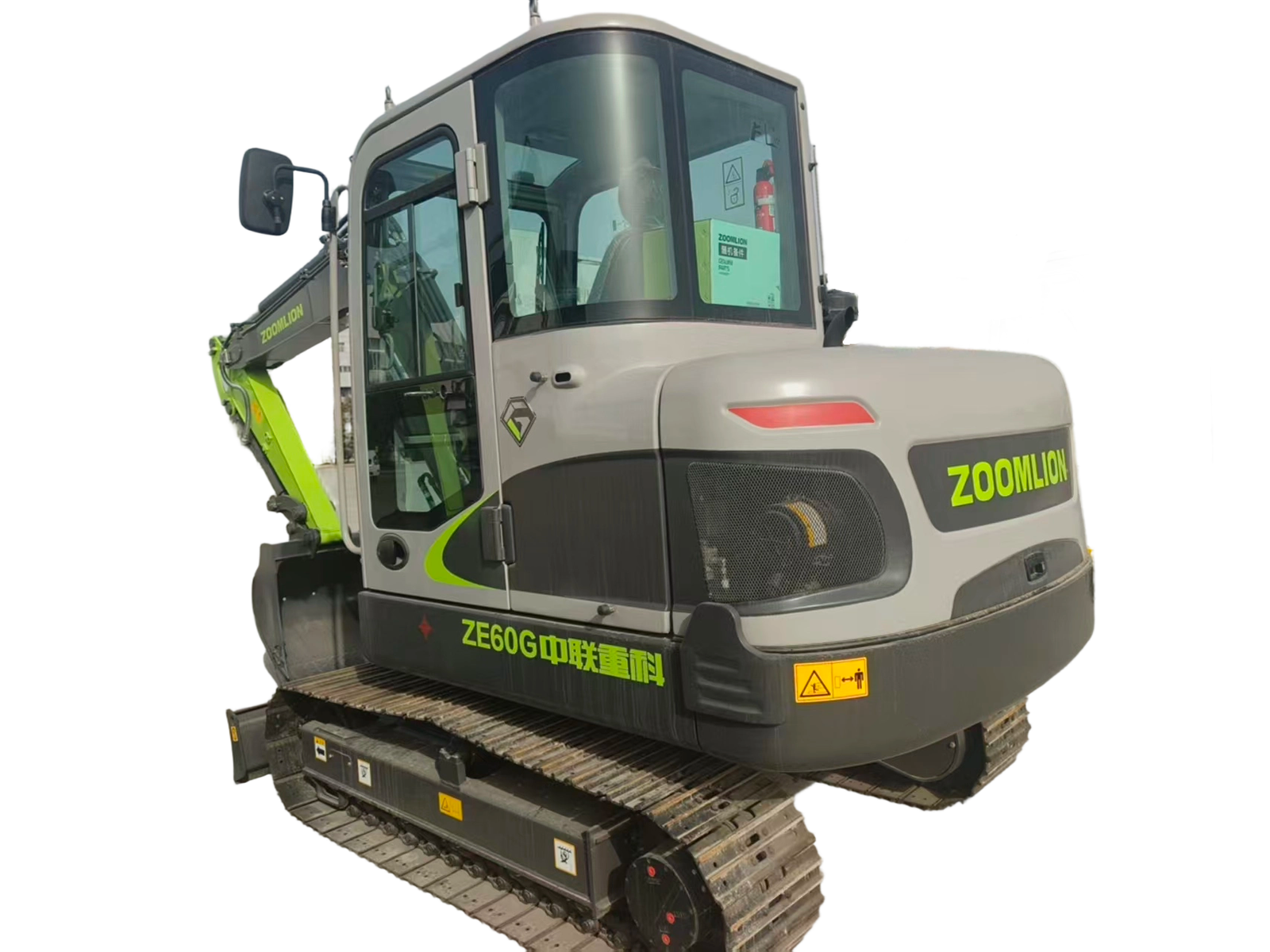
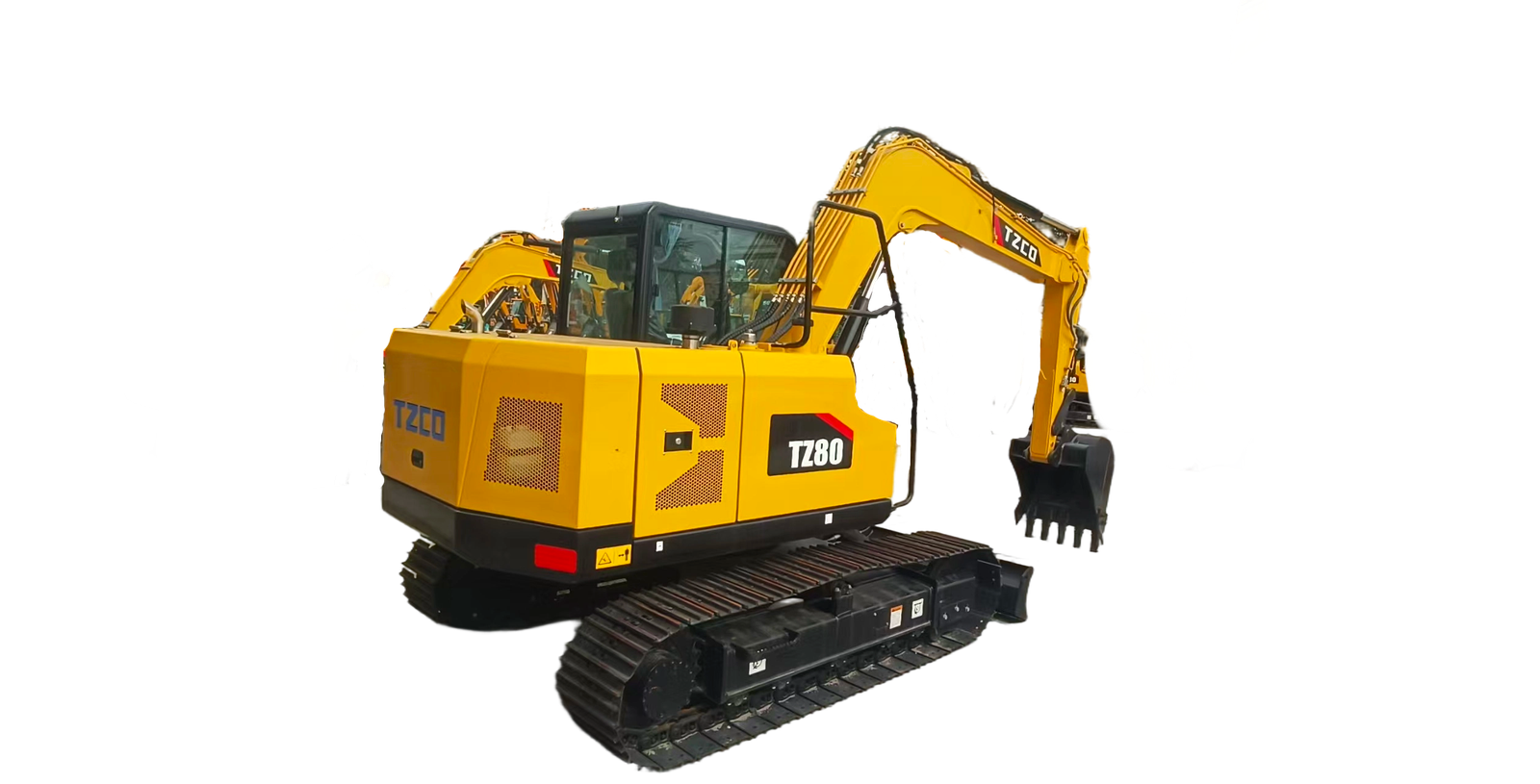
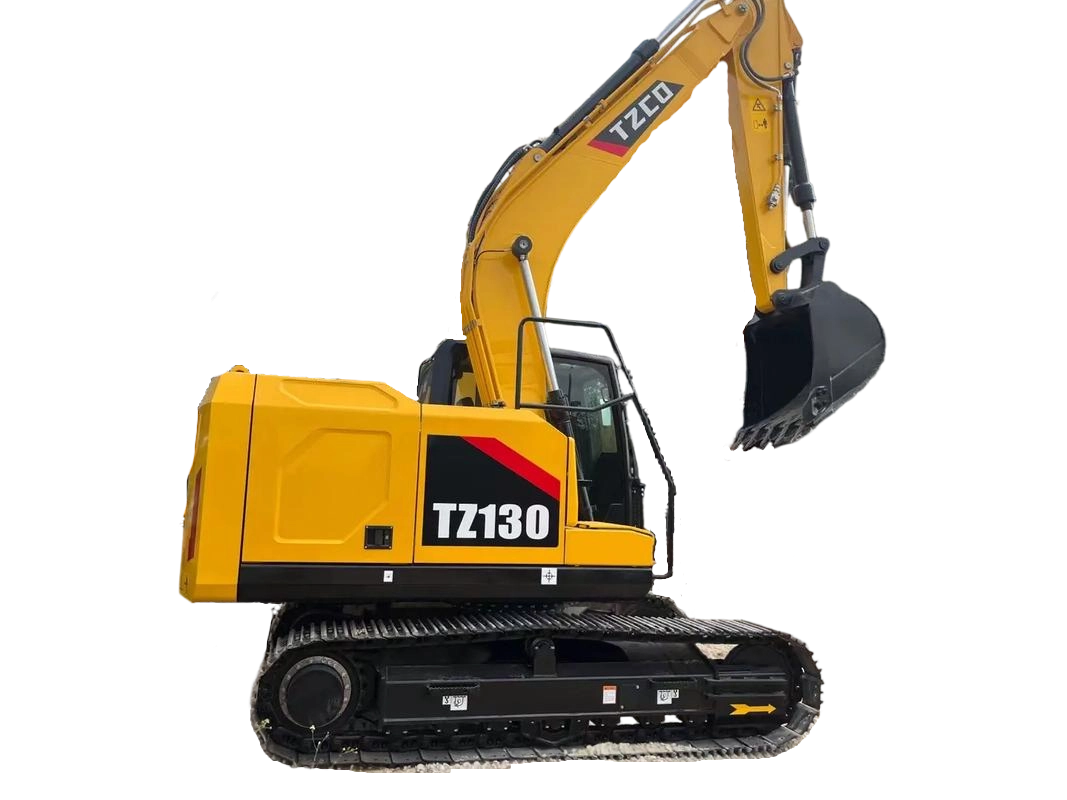
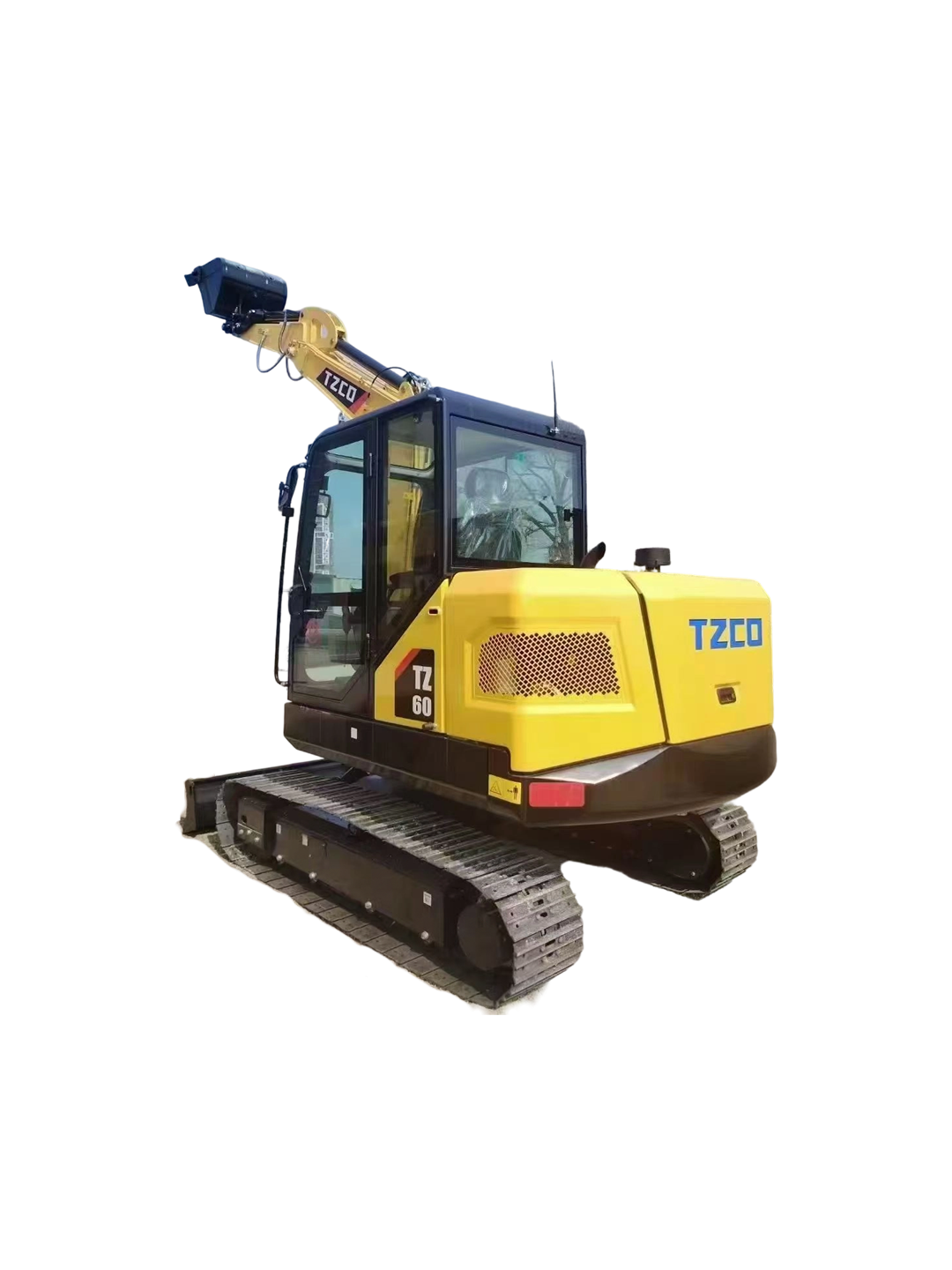
Buying a used mini excavator can be a smart investment for contractors, landscapers, farmers, and property owners looking for reliable equipment at a more affordable cost. Mini excavators are widely used for trenching, digging, grading, demolition, and material handling because of their compact size and versatility. However, purchasing a used machine requires careful inspection and evaluation to ensure long-term performance, efficiency, and value.
A well-maintained used mini excavator can provide years of dependable service, while a poorly inspected machine may lead to unnecessary downtime and maintenance costs. Understanding what to check before making a purchase helps buyers make informed decisions and maximize their equipment investment. This guide explains the most important areas to inspect before buying a used mini excavator.
Evaluate the Overall Machine Condition
The first step when inspecting a used mini excavator is to examine the machine’s overall condition. A clean and well-maintained excavator often indicates that the previous owner followed proper maintenance routines and equipment care practices.
Walk around the machine carefully and inspect the body panels, boom, arm, bucket, and undercarriage for signs of excessive wear or visible damage. Minor scratches and cosmetic marks are common on used equipment, but structural cracks or heavily repaired areas may require closer attention.
Check for rust, corrosion, or paint deterioration, especially around joints, hydraulic components, and attachment points. Machines used in harsh environments may show more signs of wear, so understanding the excavator’s working history can provide valuable insight into its condition.
The condition of the cab or operator station is also important. A clean interior, functional controls, and readable gauges often reflect proper equipment maintenance and operator care.
Inspect the Engine Performance
The engine is one of the most critical components of a mini excavator. A reliable engine ensures smooth operation, consistent power delivery, and fuel efficiency.
Start the engine and listen carefully for unusual sounds such as knocking, excessive vibration, or inconsistent idling. A healthy engine should start smoothly without excessive smoke or delayed ignition.
Check engine oil levels and inspect the oil condition. Clean oil typically indicates regular maintenance, while contaminated or extremely dark oil may suggest poor servicing practices. It is also important to examine coolant levels and inspect for any visible leaks around the engine compartment.
Observe the exhaust during operation. Excessive smoke may indicate engine wear or fuel system issues. The engine should respond smoothly when accelerating and maintain stable performance under load.
Reviewing maintenance records can provide additional confidence regarding oil changes, filter replacements, and scheduled servicing history.
Examine the Hydraulic System
The hydraulic system is essential for mini excavator performance because it powers the boom, arm, bucket, and travel functions. A strong hydraulic system ensures smooth operation and precise control during digging and lifting tasks.
Inspect hydraulic hoses, fittings, and cylinders for leaks, cracks, or signs of wear. Hydraulic fluid leaks can reduce efficiency and increase future maintenance requirements.
Operate the boom, bucket, and swing functions to evaluate responsiveness and smoothness. Movements should feel controlled and consistent without hesitation or unusual noises.
Pay close attention to hydraulic cylinder seals. Damaged seals may allow fluid leakage and reduce operational efficiency over time.
Hydraulic fluid condition should also be checked. Clean fluid indicates proper maintenance, while contaminated fluid may affect system reliability and component lifespan.
Check the Undercarriage and Tracks
The undercarriage is one of the highest-wear areas on any excavator. Careful inspection of the tracks and undercarriage components is essential when evaluating a used mini excavator.
Inspect rubber tracks or steel tracks for signs of excessive wear, cracking, or uneven damage. Worn tracks can affect machine stability and traction.
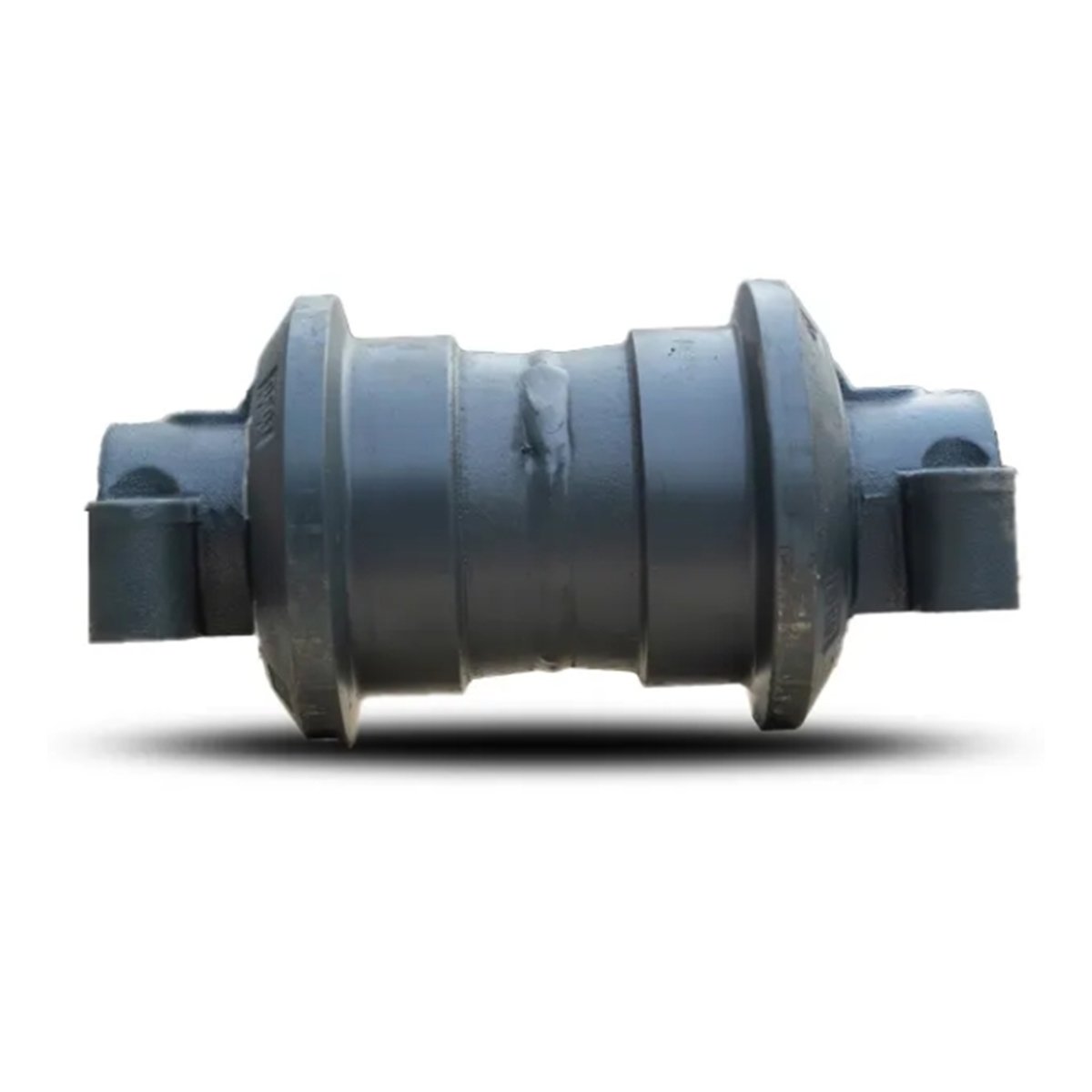
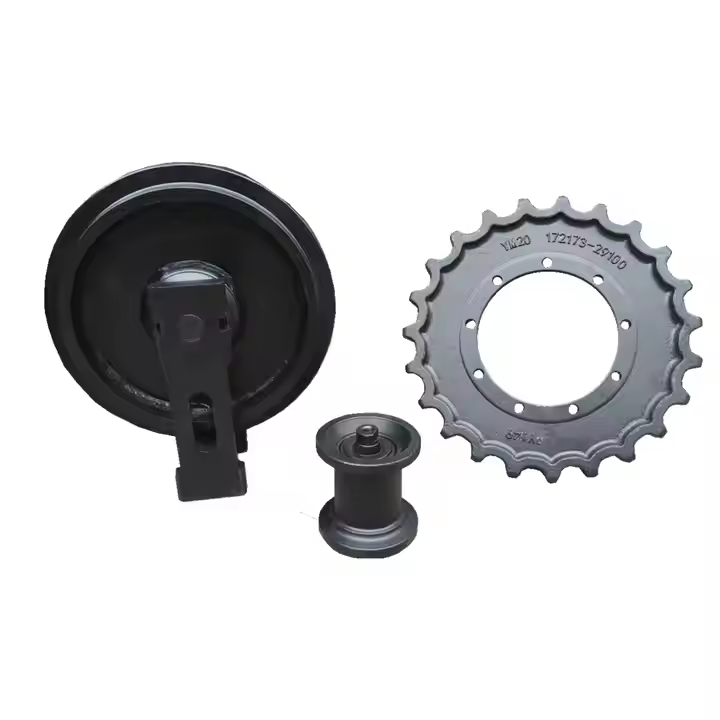
Examine rollers, sprockets, and idlers for wear patterns and alignment issues. Excessive wear in these components may indicate heavy usage or insufficient maintenance.
Track tension should also be checked. Properly adjusted tracks improve performance and reduce unnecessary stress on the undercarriage system.
A well-maintained undercarriage can significantly extend the overall lifespan of the excavator and reduce future operating costs.
Test the Controls and Operation
Operating the mini excavator before purchase is one of the best ways to evaluate its condition and functionality. Test all controls carefully to ensure smooth and accurate machine response.
Drive the excavator forward and backward while checking travel speed and steering performance. The machine should move evenly without pulling to one side.
Operate the boom, arm, bucket, and auxiliary hydraulic functions to assess responsiveness. Controls should feel smooth, predictable, and comfortable during operation.
Pay attention to unusual vibrations or noises while operating the machine. Consistent operation typically reflects good mechanical condition and proper maintenance.
If possible, test the excavator under working conditions such as digging or lifting material. This provides a more accurate understanding of performance and hydraulic strength.
Review Service and Maintenance Records
Maintenance history is an important factor when purchasing used construction equipment. Detailed service records can help buyers verify that the excavator received regular inspections, oil changes, filter replacements, and scheduled maintenance.
Machines with documented maintenance history often provide greater long-term reliability and lower ownership risk. Service records may also reveal previous repairs, component replacements, and operating hours.
Compare the machine’s condition with its reported operating hours. Excessive wear on a low-hour machine may indicate inaccurate hour meter readings or intensive usage conditions.
A transparent maintenance history provides valuable confidence for buyers and supports more informed purchasing decisions.
Verify Attachments and Compatibility
Many mini excavators are sold with attachments such as buckets, augers, breakers, or grading tools. Inspect all included attachments carefully to evaluate their condition and compatibility.
Check attachment mounting points, hydraulic connections, and wear surfaces for damage or excessive wear. Functional attachments can improve productivity and increase the overall value of the purchase.
It is also important to confirm compatibility with future attachments or accessories. Modern mini excavators often support multiple tools, allowing operators to perform a wide variety of tasks efficiently.
Quick coupler systems and auxiliary hydraulic capabilities may further improve machine versatility and operational flexibility.
Consider Machine Size and Application Needs
Choosing the right excavator size is essential for maximizing efficiency and jobsite performance. Mini excavators are available in various sizes and operating capacities designed for different applications.
Smaller models are ideal for residential landscaping, utility work, and tight-access areas, while larger mini excavators provide greater digging depth and lifting capacity for commercial projects.
Before purchasing, evaluate the machine’s operating weight, bucket capacity, reach, and hydraulic power based on intended job requirements.
Selecting the correct machine size helps improve productivity, fuel efficiency, and operator comfort while reducing unnecessary operating costs.
Importance of Dealer Reputation and Inspection Support
Purchasing from a reputable equipment dealer or trusted seller can provide additional confidence and support during the buying process. Professional dealers often perform inspections, maintenance, and machine preparation before resale.
Some sellers may also provide inspection reports, warranty options, or service support after purchase. These services can help buyers reduce uncertainty and improve long-term ownership satisfaction.
Independent inspections by qualified technicians may also be beneficial, especially for higher-value equipment purchases. Professional evaluations can identify hidden issues and confirm overall machine condition.
Buying a used mini excavator can be a cost-effective and practical solution for many construction, landscaping, and agricultural projects. However, careful inspection is essential to ensure reliable performance, durability, and long-term value.
Evaluating the engine, hydraulic system, undercarriage, controls, maintenance history, and attachments helps buyers make informed decisions before completing a purchase. Choosing the right machine size and working with reputable sellers further improves the likelihood of a successful investment.
With proper research and inspection, a quality used mini excavator can deliver excellent productivity and dependable performance for years to come.