








Industry News
Used Kubota Excavator Maintenance Tips to Extend Machine Life
May
Used Kubota excavators are widely valued for their durability, compact design, fuel efficiency, and reliable performance across construction, landscaping, agricultural, and utility projects. However, like any heavy equipment, long-term performance depends heavily on proper maintenance and daily care. A well-maintained used excavator can continue operating efficiently for many years while reducing downtime, improving safety, and protecting investment value.
Whether you own a compact mini excavator or a larger Kubota model, following a consistent maintenance routine is essential for extending machine life and maintaining strong operating performance. From hydraulic system inspections to undercarriage cleaning, every maintenance step contributes to equipment reliability and productivity.
Perform Daily Visual Inspections
One of the most effective ways to extend the life of a used Kubota excavator is by conducting daily visual inspections before operation begins. Simple inspections can help identify small issues early before they develop into costly repairs or unexpected downtime.
Operators should check for fluid leaks, loose bolts, damaged hoses, worn tracks, and visible structural wear. Hydraulic hoses and fittings should be inspected carefully because even small leaks can affect machine efficiency and hydraulic pressure.
The bucket, boom, arm, and attachment points should also be examined for cracks or excessive wear. Detecting these issues early helps maintain operational safety and prevents further component damage.
Daily inspections require only a small amount of time but provide long-term benefits for machine reliability and performance.
Keep Hydraulic Systems in Excellent Condition
The hydraulic system is one of the most important components of any excavator. Proper hydraulic maintenance directly affects digging power, lifting performance, and overall machine efficiency.
Hydraulic fluid levels should be checked regularly to ensure proper operation. Low fluid levels may reduce system pressure and increase wear on hydraulic components. It is also important to use the correct hydraulic oil recommended for the specific Kubota excavator model.
Hydraulic filters should be replaced according to maintenance schedules to prevent contamination from entering the system. Clean hydraulic oil helps reduce internal wear and improves long-term system durability.
Operators should also monitor hydraulic cylinders, seals, and hoses for signs of wear or leakage. Maintaining a healthy hydraulic system is essential for extending excavator life and ensuring smooth operation.
Change Engine Oil and Filters on Schedule
Routine engine maintenance plays a major role in preserving excavator performance and longevity. Engine oil lubricates internal components, reduces friction, and helps maintain proper operating temperatures.
For used Kubota excavators, regular oil changes are especially important because older equipment may experience more engine stress over time. Fresh engine oil improves lubrication efficiency and reduces wear on critical engine parts.
Oil filters should always be replaced during oil changes to maintain clean oil circulation throughout the engine. Dirty or clogged filters can reduce engine efficiency and increase long-term wear.
Air filters and fuel filters should also be checked and replaced regularly. Clean airflow and fuel delivery systems help maintain strong engine performance and improve fuel efficiency.
Clean the Undercarriage Frequently
The undercarriage experiences constant exposure to dirt, mud, rocks, and debris during excavation work. Without regular cleaning, accumulated material can increase wear and reduce machine efficiency.
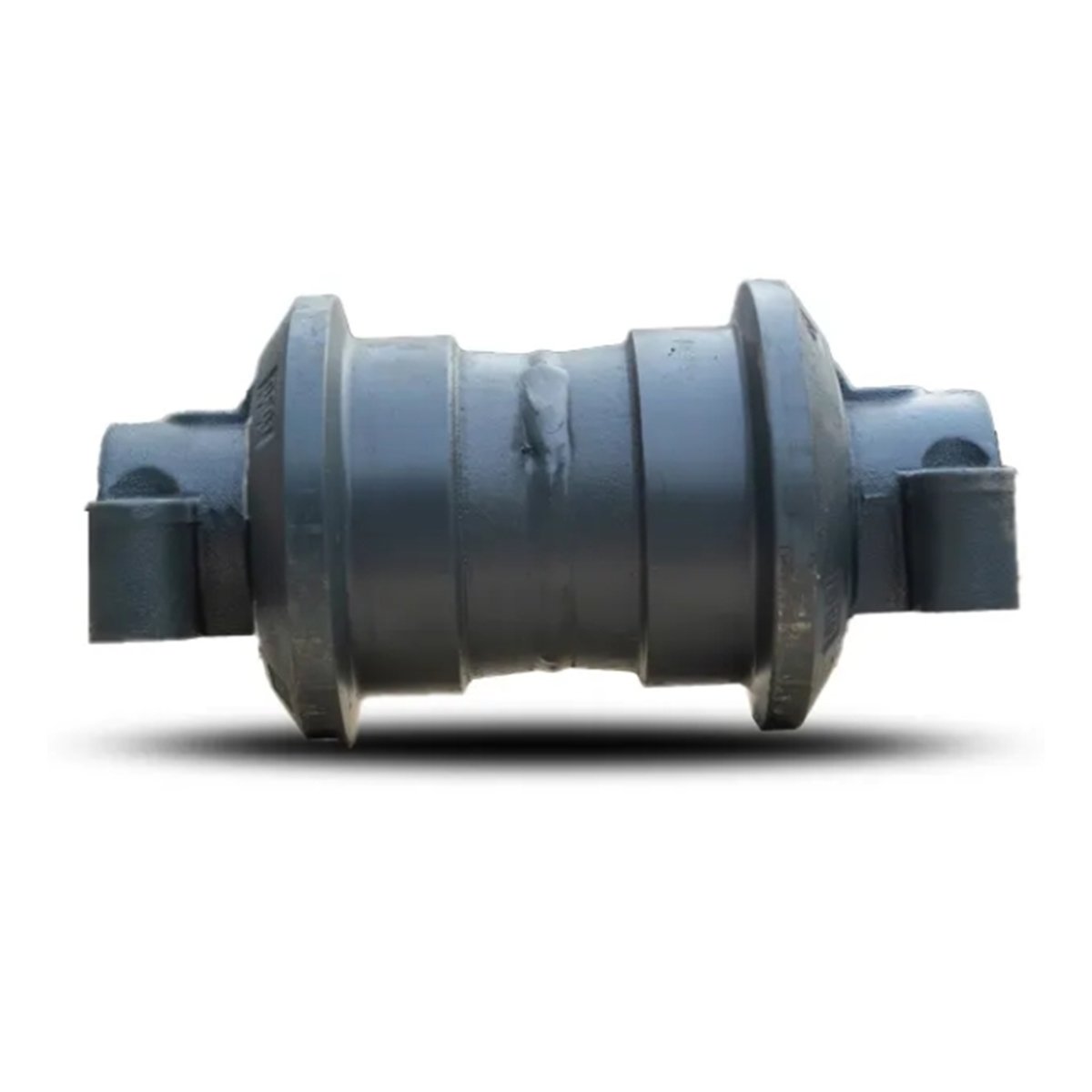
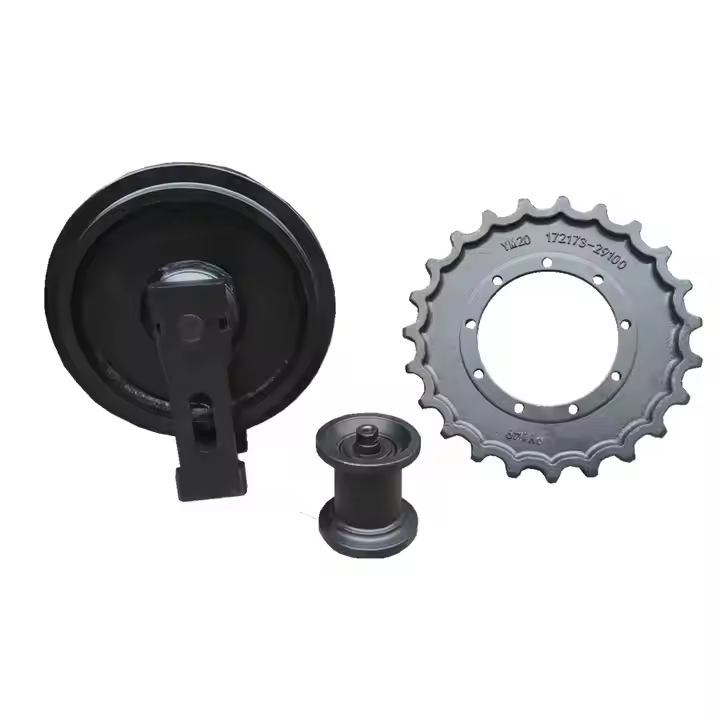
Tracks, rollers, sprockets, and idlers should be cleaned frequently to prevent excessive buildup. Mud and debris trapped in the undercarriage can increase track tension and accelerate component wear.
Regular cleaning also makes it easier to inspect undercarriage components for damage or uneven wear patterns. Maintaining a clean undercarriage improves machine stability, track performance, and overall operational lifespan.
In harsh working environments, more frequent cleaning may be necessary to maintain optimal equipment condition.
Monitor Track Tension Properly
Correct track tension is essential for maintaining excavator performance and reducing unnecessary wear. Tracks that are too loose may slip or derail, while overly tight tracks can place excessive stress on undercarriage components.
Operators should regularly inspect track tension according to manufacturer recommendations. Properly adjusted tracks improve machine balance, mobility, and fuel efficiency.
Track condition should also be monitored closely. Excessive wear, cracks, or damaged track links may affect machine stability and should be addressed promptly.
Maintaining proper track tension helps extend the life of the undercarriage and reduces long-term maintenance costs.
Lubricate Moving Parts Regularly
Excavators contain many moving joints and pivot points that require regular lubrication. Proper greasing reduces friction, minimizes wear, and improves overall machine movement.
Boom joints, bucket pins, swing bearings, and arm pivots should all receive lubrication according to recommended maintenance intervals. Regular greasing also helps prevent rust and moisture-related damage.
Using high-quality grease suitable for heavy equipment applications can further improve component protection and durability.
Consistent lubrication is one of the simplest yet most effective ways to extend the operational life of a used Kubota excavator.
Protect the Cooling System
The cooling system helps regulate engine temperature and prevents overheating during demanding operation. Proper cooling system maintenance is essential for maintaining engine efficiency and avoiding long-term damage.
Radiators should be cleaned regularly to remove dust, dirt, and debris that may block airflow. Coolant levels should also be checked frequently and maintained within recommended ranges.
Cooling hoses and clamps should be inspected for cracks or leaks. Replacing worn cooling components early helps prevent overheating and protects engine performance.
In hot climates or heavy-duty applications, cooling system inspections become even more important for machine reliability.
Use the Excavator Properly
Operating habits have a major impact on equipment lifespan. Proper machine operation reduces unnecessary stress on components and improves long-term durability.
Operators should avoid sudden impacts, excessive overloading, and aggressive machine movements whenever possible. Smooth and controlled operation helps reduce wear on hydraulic systems, boom structures, and undercarriage components.
Using the correct attachments for specific tasks also helps maintain machine efficiency and protects structural integrity.
Proper operator training is highly valuable because experienced operators can maximize productivity while minimizing equipment wear.
Store Equipment in Suitable Conditions
Storage conditions can significantly influence the long-term condition of a used excavator. Proper storage helps protect the machine from environmental exposure and unnecessary deterioration.
Whenever possible, excavators should be stored in covered areas to reduce exposure to rain, sunlight, and moisture. Long-term outdoor exposure may affect paint quality, rubber components, and electrical systems.
If indoor storage is unavailable, protective covers can help shield critical components from weather conditions.
Before storing equipment for extended periods, operators should clean the machine thoroughly, lubricate moving parts, and check fluid levels to maintain equipment readiness.
Follow a Preventive Maintenance Schedule
Preventive maintenance is one of the most important strategies for extending excavator life. Rather than waiting for problems to occur, preventive maintenance focuses on regular servicing and early issue detection.
Maintenance schedules should include inspections, fluid changes, filter replacements, lubrication, and system testing at specific operating hour intervals.
Keeping detailed maintenance records can help owners track service history and identify recurring issues. Organized maintenance management improves equipment reliability and supports higher resale value.
Preventive maintenance reduces unexpected downtime and helps ensure consistent machine performance over the long term.
Used Kubota excavators can provide many years of dependable service when properly maintained. Daily inspections, hydraulic system care, engine servicing, undercarriage cleaning, lubrication, and preventive maintenance all play essential roles in extending machine life and improving performance.
By following consistent maintenance practices and operating equipment responsibly, owners can maximize productivity, reduce repair costs, and protect long-term investment value. A well-maintained used excavator not only performs more efficiently but also remains reliable across a wide range of construction and excavation projects.