








Industry News
How to Choose the Right Skid Steer Loader for Your Construction Needs
May
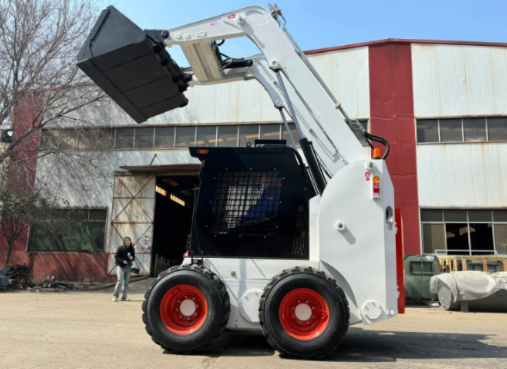
A skid steer loader is one of the most versatile pieces of equipment used in modern construction, landscaping, agriculture, and material handling projects. Its compact size, maneuverability, and compatibility with a wide range of attachments make it an essential machine for contractors and business owners seeking efficiency and productivity.
However, choosing the right skid steer loader requires more than simply selecting a machine based on size or price. Different construction projects have unique requirements, and selecting the appropriate model can significantly impact operational efficiency, job site performance, and long-term return on investment.
This guide explores the key factors to consider when choosing a skid steer loader that aligns with your construction needs.
Understanding What a Skid Steer Loader Does
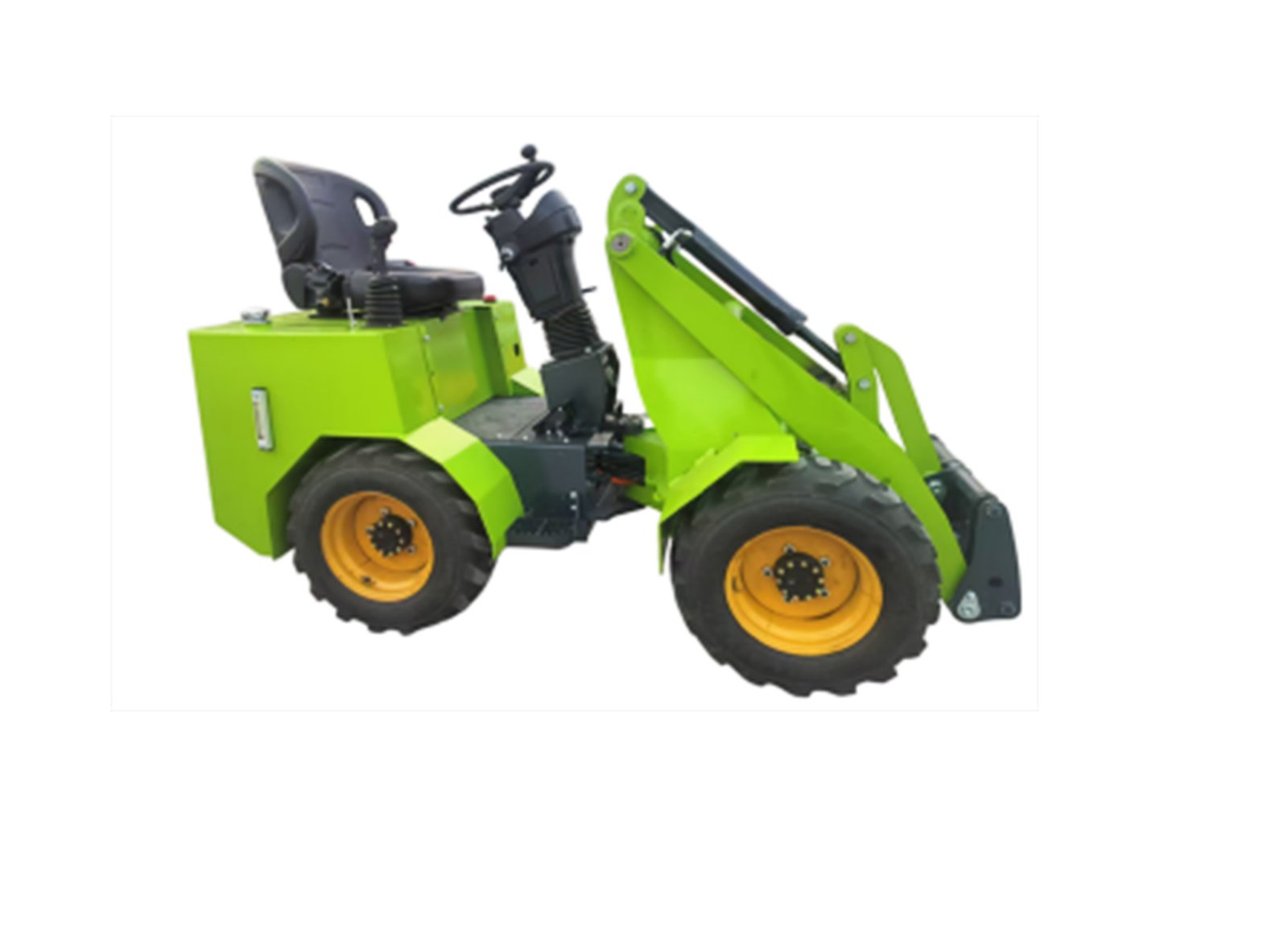
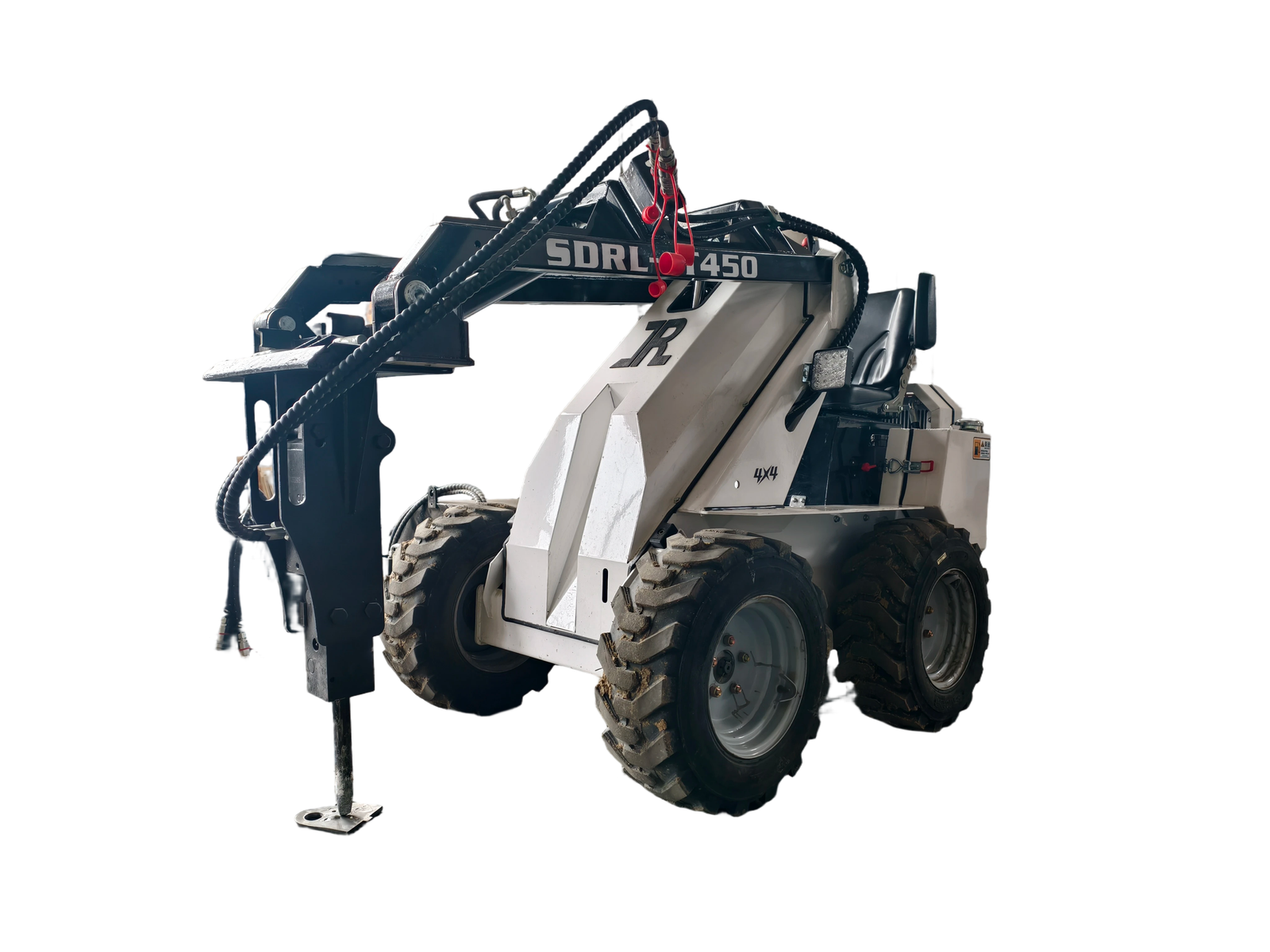
A skid steer loader is a compact, engine-powered machine equipped with lift arms that can support numerous attachments. Unlike larger construction equipment, skid steers are designed to operate efficiently in confined spaces while delivering impressive lifting and digging capabilities.
Common applications include:
- Site preparation
- Material transportation
- Excavation support
- Landscaping
- Demolition work
- Snow removal
- Road maintenance
- Agricultural operations
Because of their versatility, skid steer loaders are often considered one of the most valuable machines on a construction site.
Evaluate Your Project Requirements
The first step in selecting the right skid steer loader is understanding the specific tasks it will perform.
Different projects require different machine capabilities. For example, a landscaping contractor may prioritize maneuverability and attachment versatility, while a construction company may focus on lifting capacity and hydraulic performance.
Consider factors such as:
- Type of materials being handled
- Frequency of machine use
- Job site conditions
- Required attachments
- Expected workload
- Operating environment
Clearly defining project requirements helps narrow down suitable equipment options.
Consider Rated Operating Capacity
Rated Operating Capacity (ROC) is one of the most important specifications when choosing a skid steer loader.
ROC refers to the maximum load a machine can safely lift and transport during normal operation.
General categories include:
Small Frame Loaders
Typically designed for light-duty applications and confined workspaces.
Suitable for:
- Residential landscaping
- Small construction projects
- Light material handling
Medium Frame Loaders
Provide a balance between maneuverability and lifting power.
Ideal for:
- General construction
- Utility work
- Commercial landscaping
Large Frame Loaders
Offer higher lifting capacities and increased productivity.
Best suited for:
- Heavy construction
- Industrial projects
- Large-scale material movement
Selecting an appropriate ROC ensures safe and efficient operation.
Choose the Right Lift Path
Skid steer loaders generally feature two lift path designs.
Radial Lift
Radial lift machines follow a curved lifting path.
Benefits include:
- Strong mid-range reach
- Efficient digging performance
- Excellent grading capability
- Lower operating costs
Radial lift models are often preferred for excavation, backfilling, and ground-level work.
Vertical Lift
Vertical lift machines raise loads in a straighter upward motion.
Advantages include:
- Greater maximum lift height
- Improved loading efficiency
- Better truck loading capability
- Enhanced material handling performance
These machines are ideal for lifting materials into trucks, hoppers, and elevated storage areas.
Evaluate Engine Power
Engine horsepower directly affects machine performance and productivity.
Higher horsepower provides benefits such as:
- Faster work cycles
- Improved attachment performance
- Greater pushing power
- Enhanced hydraulic output
For demanding construction applications, sufficient engine power is essential to maintain efficiency throughout the workday.
When evaluating horsepower, consider both current and future project requirements.
Understand Hydraulic System Performance
Many skid steer attachments rely on hydraulic power for operation.
Examples include:
- Augers
- Trenchers
- Mulchers
- Cold planers
- Brush cutters
- Hydraulic breakers
A high-flow hydraulic system may be necessary if your projects require advanced attachments.
Important hydraulic specifications include:
- Hydraulic flow rate
- Hydraulic pressure
- Auxiliary hydraulic options
- Attachment compatibility
Choosing a machine with the appropriate hydraulic capacity increases versatility and productivity.
Match the Machine to Job Site Conditions
Job site conditions play a major role in equipment selection.
Urban Construction Sites
Compact dimensions and maneuverability are often priorities.
Look for:
- Narrow machine width
- Tight turning radius
- Excellent visibility
Rough Terrain Projects
Construction sites with uneven surfaces may require enhanced traction and stability.
Consider:
- Larger tires
- Improved suspension
- Higher ground clearance
Indoor Construction Work
Indoor projects often require machines that can operate efficiently in restricted spaces while minimizing disruption.
Selecting a machine suited to site conditions improves safety and operational performance.
Attachment Compatibility Matters
One of the greatest advantages of a skid steer loader is its ability to use multiple attachments.
Common attachments include:
- Buckets
- Pallet forks
- Grapples
- Sweepers
- Snow blades
- Trenchers
- Augers
- Landscape rakes
Before purchasing a machine, verify compatibility with current and future attachments.
A versatile attachment system increases equipment utilization and reduces the need for additional machinery.
Prioritize Operator Comfort and Visibility
Operator productivity is closely linked to comfort and machine ergonomics.
Modern skid steer loaders often include features such as:
- Adjustable seating
- Climate-controlled cabins
- Advanced display systems
- Reduced vibration
- Enhanced visibility
- Ergonomic controls
Comfortable operators can work more efficiently, especially during long shifts and demanding projects.
Focus on Safety Features
Construction sites require equipment designed with safety in mind.
Important safety features include:
- Backup cameras
- Rear visibility systems
- Rollover protection structures
- Falling object protection systems
- Automatic parking brakes
- Operator presence systems
Investing in equipment with advanced safety technologies helps create a safer work environment.
Evaluate Maintenance Requirements
Routine maintenance contributes significantly to machine longevity and reliability.
When comparing skid steer loaders, consider:
- Service access points
- Filter replacement procedures
- Maintenance schedules
- Parts availability
- Diagnostic systems
Machines designed for easy maintenance can reduce downtime and improve overall productivity.
Consider Long-Term Operating Costs
The purchase price is only one aspect of equipment ownership.
Long-term costs may include:
- Fuel consumption
- Maintenance expenses
- Replacement parts
- Operator training
- Attachment investments
Evaluating total ownership costs provides a more accurate picture of long-term value.
A machine with excellent efficiency and durability often delivers greater return on investment over its operational lifespan.
Future-Proof Your Equipment Investment
Construction businesses frequently expand their service offerings over time.
Choosing a skid steer loader with additional capacity, hydraulic capability, and attachment compatibility can support future growth without requiring immediate equipment replacement.
A scalable equipment solution helps maximize flexibility and long-term profitability.
Why Skid Steer Loaders Remain Essential in Construction
Skid steer loaders continue to be among the most popular construction machines because they combine versatility, compactness, and productivity.
Their ability to perform multiple tasks with a single machine offers significant operational advantages.
Benefits include:
- Reduced equipment costs
- Increased job site efficiency
- Greater flexibility
- Improved productivity
- Broad application range
These advantages make skid steer loaders valuable assets for construction professionals.
Choosing the right skid steer loader for your construction needs involves evaluating project requirements, lifting capacity, hydraulic performance, attachment compatibility, operator comfort, and long-term operating costs. A carefully selected machine can improve efficiency, increase productivity, and support business growth for years to come.
By understanding how different specifications affect performance, contractors can make informed purchasing decisions and maximize the value of their equipment investment. Whether working on residential landscaping projects, commercial construction sites, or industrial developments, the right skid steer loader provides the versatility and reliability needed for success.