








Industry News
Avant Wheel Loader vs Skid Steer Which One Is Better
May
Compact construction equipment has become essential across landscaping, agriculture, property maintenance, material handling, and light construction industries. Among the most popular machine categories are Avant wheel loaders and skid steer loaders. Both machines are highly versatile and capable of handling multiple tasks through interchangeable attachments, but they differ significantly in design, maneuverability, comfort, terrain handling, and operational efficiency.
When comparing an Avant wheel loader vs skid steer, the better option often depends on the working environment, application requirements, and operator preferences. Understanding the strengths of each machine type helps businesses and property owners make informed investment decisions that improve productivity and long-term value.
Understanding Avant Wheel Loaders
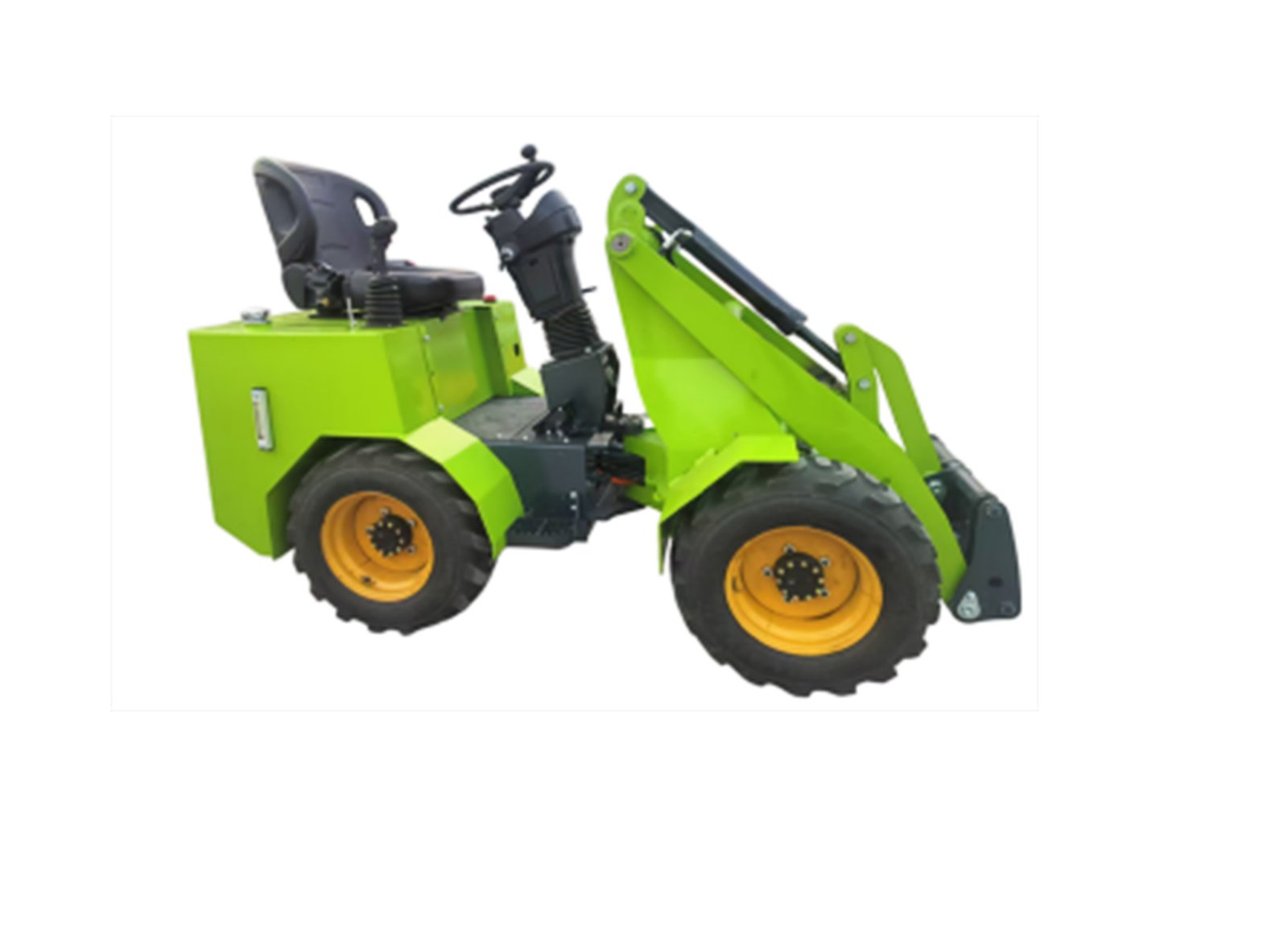
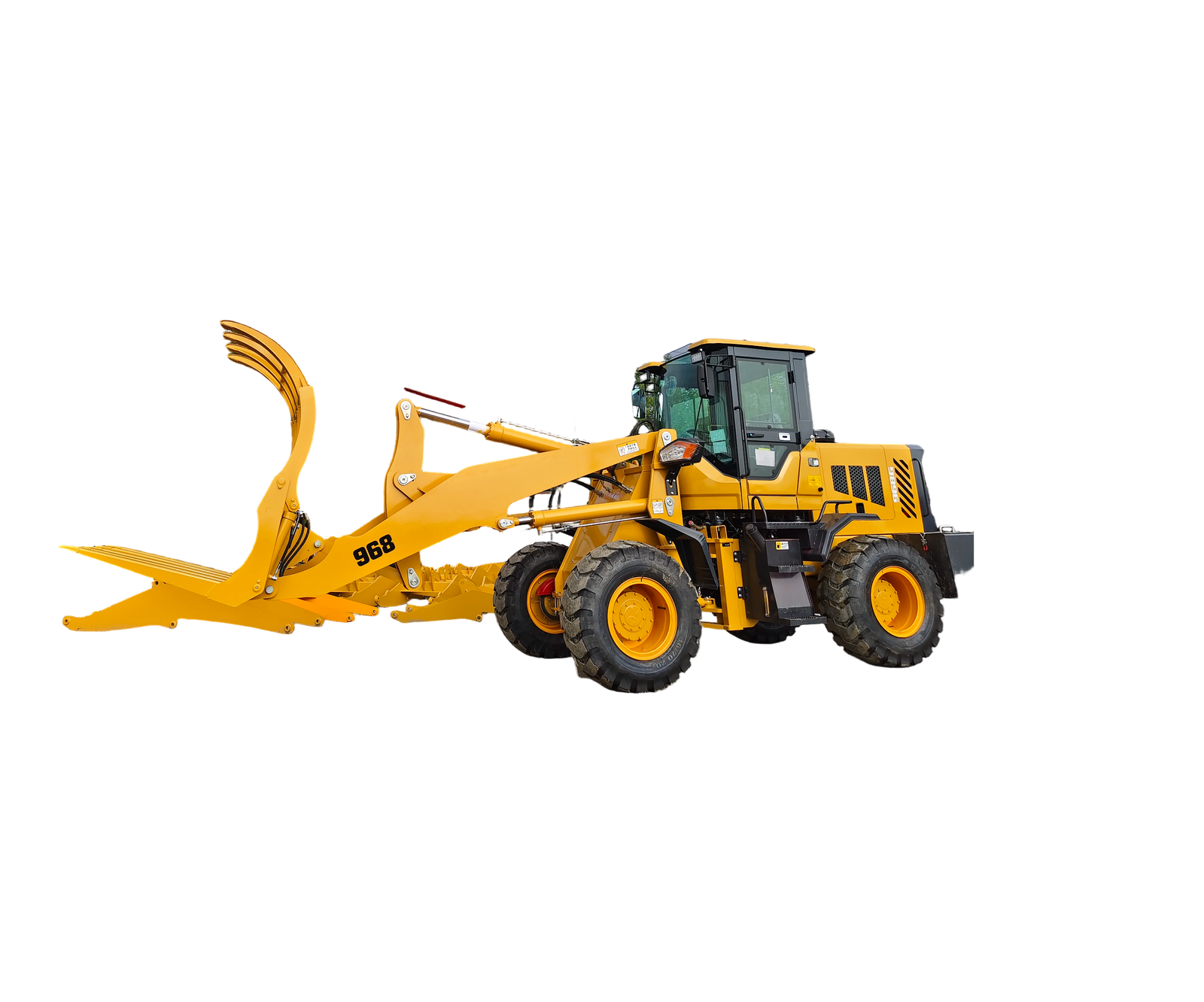
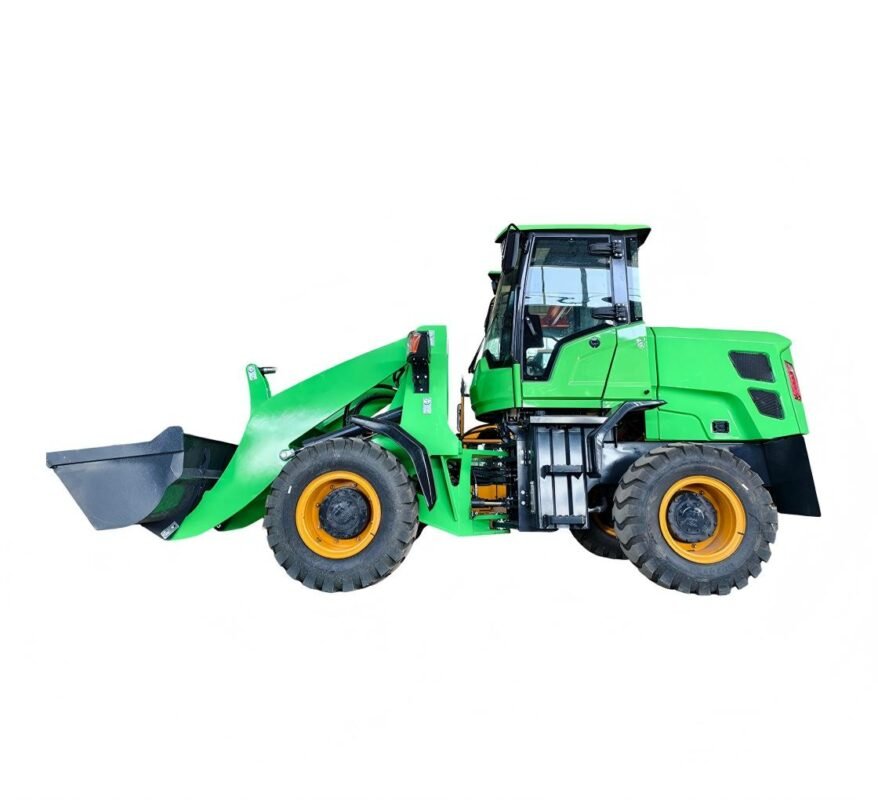
Avant wheel loaders are compact articulated loaders designed for multi-purpose use across agriculture, landscaping, municipal maintenance, and property management applications. These machines are known for their articulated steering system, telescopic boom capabilities, compact dimensions, and operator-friendly controls.
The articulated frame allows the front and rear sections of the machine to pivot independently, creating smooth turning performance with minimal surface disturbance. This design improves maneuverability while reducing damage to lawns, paved surfaces, and delicate ground conditions.
Avant wheel loaders are commonly equipped with quick-attach systems that support a wide range of attachments, including buckets, pallet forks, sweepers, augers, mowers, grapples, and snow removal equipment.
Their versatility makes them suitable for year-round operation across multiple industries.
Understanding Skid Steer Loaders
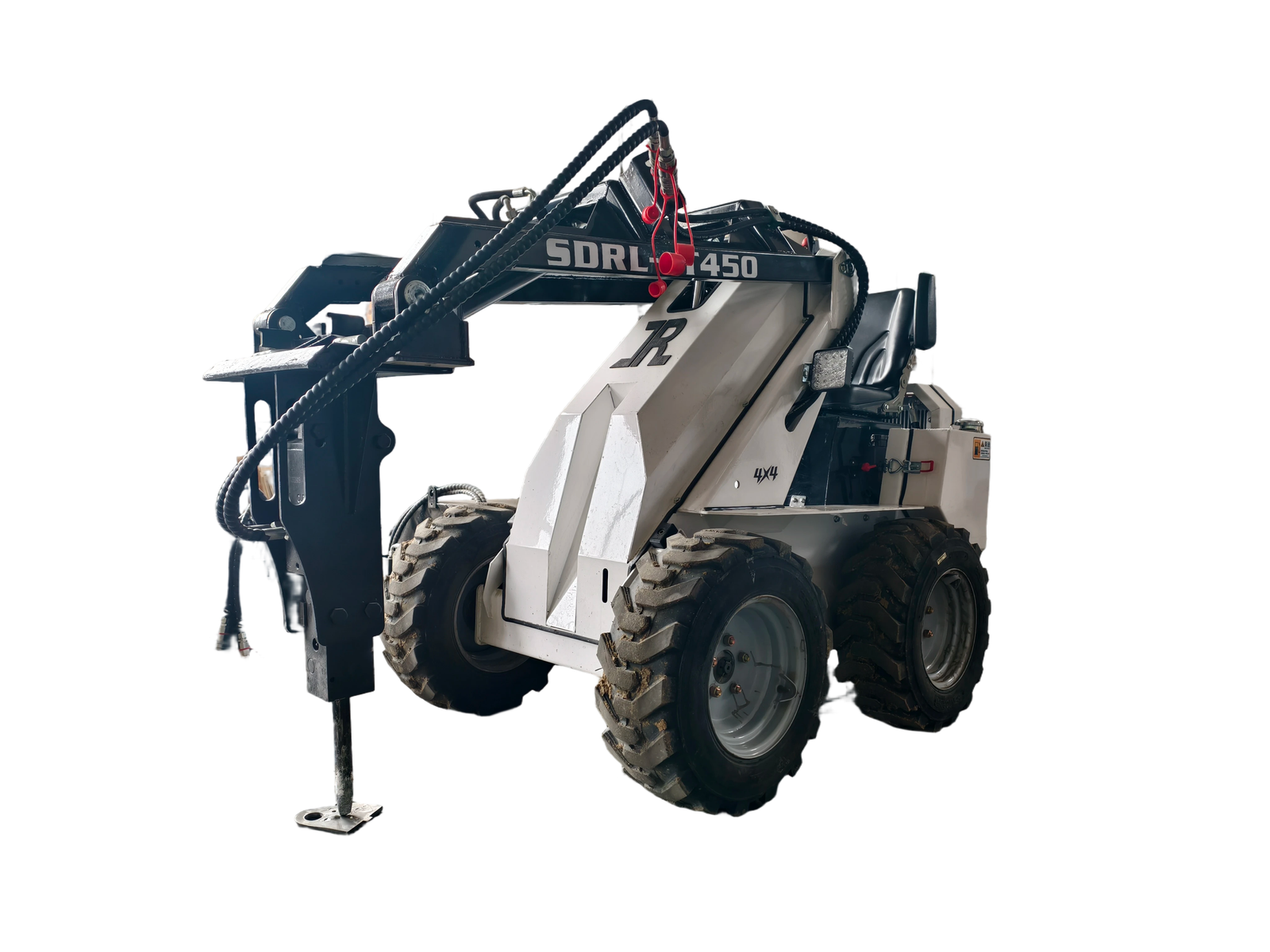
Skid steer loaders are compact machines designed with a rigid frame and lift arms used for lifting, digging, grading, loading, and material handling tasks. The machine turns by skidding or dragging its wheels at different speeds on each side, allowing tight turning capabilities within confined job sites.
Skid steers are widely used in construction, demolition, excavation, roadwork, farming, and industrial applications due to their strong lifting performance and compatibility with numerous hydraulic attachments.
Modern skid steer loaders are available in both wheeled and tracked configurations, offering flexibility for different terrain conditions and operational demands.
Their compact size and powerful hydraulic systems make them highly productive in demanding work environments.
Maneuverability and Ground Impact
One of the biggest differences between Avant wheel loaders and skid steers is maneuverability and surface impact.
Avant articulated wheel loaders provide smooth steering that minimizes tire scrubbing and ground damage. This is especially beneficial for landscaping projects, golf courses, parks, residential properties, and other sensitive surfaces where preserving ground conditions is important.
The articulated design also allows operators to maintain better traction while turning, improving efficiency on soft or uneven terrain.
Skid steer loaders offer extremely tight turning capabilities, making them highly effective in confined construction sites and industrial work zones. Their zero-radius turning allows efficient movement in compact spaces.
However, the skid steering motion can create more surface friction, particularly on delicate lawns or finished pavement surfaces.
Choosing between the two often depends on whether ground protection or tight-space maneuverability is the primary priority.
Operator Comfort and Visibility
Operator comfort plays an important role in equipment productivity and long working hours.
Avant wheel loaders are often recognized for their open visibility and ergonomic design. The articulated structure and boom positioning provide operators with clear sightlines to attachments and surrounding work areas.
Many wheel loader models also offer lower vibration levels and smoother driving characteristics, especially on uneven terrain. This can improve comfort during extended operation.
Skid steer loaders provide enclosed cab options with advanced controls, climate systems, and suspension seating. Their compact cabin structure supports safe operation in heavy-duty job sites.
Visibility in skid steers may vary depending on lift arm design and attachment positioning, but modern models continue improving operator visibility and control technology.
Comfort preferences often depend on job type, operating hours, and worksite conditions.
Attachment Versatility
Both Avant wheel loaders and skid steer loaders are highly versatile because they support a broad range of attachments.
Common attachments include buckets, trenchers, pallet forks, snow blowers, grapples, augers, sweepers, hydraulic breakers, and mowing systems.
Avant wheel loaders are particularly popular in landscaping and property maintenance because their telescopic boom improves lifting reach and loading flexibility. The compact design also allows easier operation in residential and urban environments.
Skid steer loaders are widely used in heavy construction and material handling due to their strong hydraulic power and robust attachment compatibility.
The choice often depends on the type of attachments most frequently used and the intensity of the required tasks.
Performance on Different Terrain Types
Terrain conditions significantly influence equipment selection.
Avant wheel loaders perform well on grass, soft soil, gravel, snow, and uneven surfaces because their articulated steering distributes weight more evenly and reduces ground pressure.
Their lightweight structure helps minimize surface damage while maintaining traction and stability.
Skid steer loaders are highly effective on rugged construction sites, dirt surfaces, and industrial environments where durability and lifting strength are priorities.
Tracked skid steer models provide improved traction on muddy or loose terrain and are commonly used for grading, excavation, and earthmoving projects.
Understanding terrain conditions helps determine which machine type will deliver better operational efficiency.
Lifting Capacity and Material Handling
Material handling performance is another key factor when comparing wheel loaders and skid steers.
Skid steer loaders are often selected for applications requiring strong breakout force, vertical lifting capability, and heavy material handling performance. Their hydraulic systems are designed for demanding construction and loading operations.
Avant wheel loaders provide excellent lifting reach and loading flexibility through telescopic boom systems. This makes them highly efficient for loading trucks, stacking pallets, moving landscaping materials, and handling agricultural supplies.
The articulated design also improves machine balance while carrying loads over uneven terrain.
Businesses should evaluate lifting height requirements, material weight, and worksite space limitations when choosing equipment.
Fuel Efficiency and Maintenance
Operating costs are important considerations for contractors, landscapers, farmers, and property owners.
Avant wheel loaders are often appreciated for fuel-efficient operation and simplified daily maintenance access. Their lighter weight and efficient hydraulic systems can help reduce fuel consumption during routine operations.
The articulated steering system may also reduce tire wear compared to skid steering systems.
Skid steer loaders are built for high-performance operation and can deliver strong productivity in demanding environments. Modern machines include advanced engine technologies and improved hydraulic efficiency systems that help optimize fuel usage.
Routine maintenance for both machine types includes hydraulic inspection, tire or track maintenance, fluid replacement, and attachment servicing.
Long-term maintenance costs may vary depending on operating conditions and equipment usage intensity.
Applications Across Industries
Avant wheel loaders are commonly used in landscaping, agriculture, municipal maintenance, equestrian facilities, residential construction, snow removal, and property management.
Their low ground impact, maneuverability, and compact design make them ideal for projects requiring precision and surface protection.
Skid steer loaders are widely used in construction, excavation, demolition, roadwork, warehouse operations, recycling facilities, and industrial material handling.
Their strong hydraulic power and lifting capabilities support heavy-duty operational demands.
Each machine category excels in different industries and application environments.
Choosing the Right Machine for Your Needs
Choosing between an Avant wheel loader and a skid steer depends on operational priorities and project requirements.
Businesses focused on landscaping, property maintenance, agriculture, and surface-sensitive environments may prefer articulated wheel loaders because of their lower ground impact, operator visibility, and smooth maneuverability.
Construction contractors and industrial operators often select skid steer loaders for their compact power, heavy lifting capabilities, and strong hydraulic performance.
Evaluating terrain conditions, attachment needs, operator comfort, maintenance requirements, and long-term operating costs can help buyers identify the most suitable machine.
Working with experienced equipment suppliers also helps ensure the right configuration and attachment selection for specific applications.
Future Trends in Compact Equipment
Compact equipment technology continues evolving rapidly across construction and agricultural industries.
Manufacturers are increasingly integrating electric power systems, smart controls, telematics, and automated safety technologies into both wheel loaders and skid steers.
Improved fuel efficiency, lower emissions, and enhanced operator comfort are becoming major priorities.
Compact articulated loaders and skid steers are also benefiting from expanding attachment compatibility, allowing businesses to maximize machine utilization throughout the year.
As infrastructure, landscaping, agriculture, and property maintenance industries continue growing, demand for compact multi-purpose equipment is expected to remain strong.
The comparison between Avant wheel loaders and skid steer loaders ultimately depends on the specific needs of the operator and work environment. Both machine types provide excellent versatility, productivity, and attachment compatibility for a wide range of applications.
Avant wheel loaders offer advantages in maneuverability, surface protection, visibility, and operator comfort, making them highly suitable for landscaping and property maintenance. Skid steer loaders provide strong hydraulic performance, lifting capacity, and compact power for demanding construction and industrial applications.
By carefully evaluating job requirements, terrain conditions, and operational priorities, businesses can choose the equipment solution that delivers the best long-term performance and efficiency.