








Industry News
Common Mistakes When Buying Second Hand Excavators
May
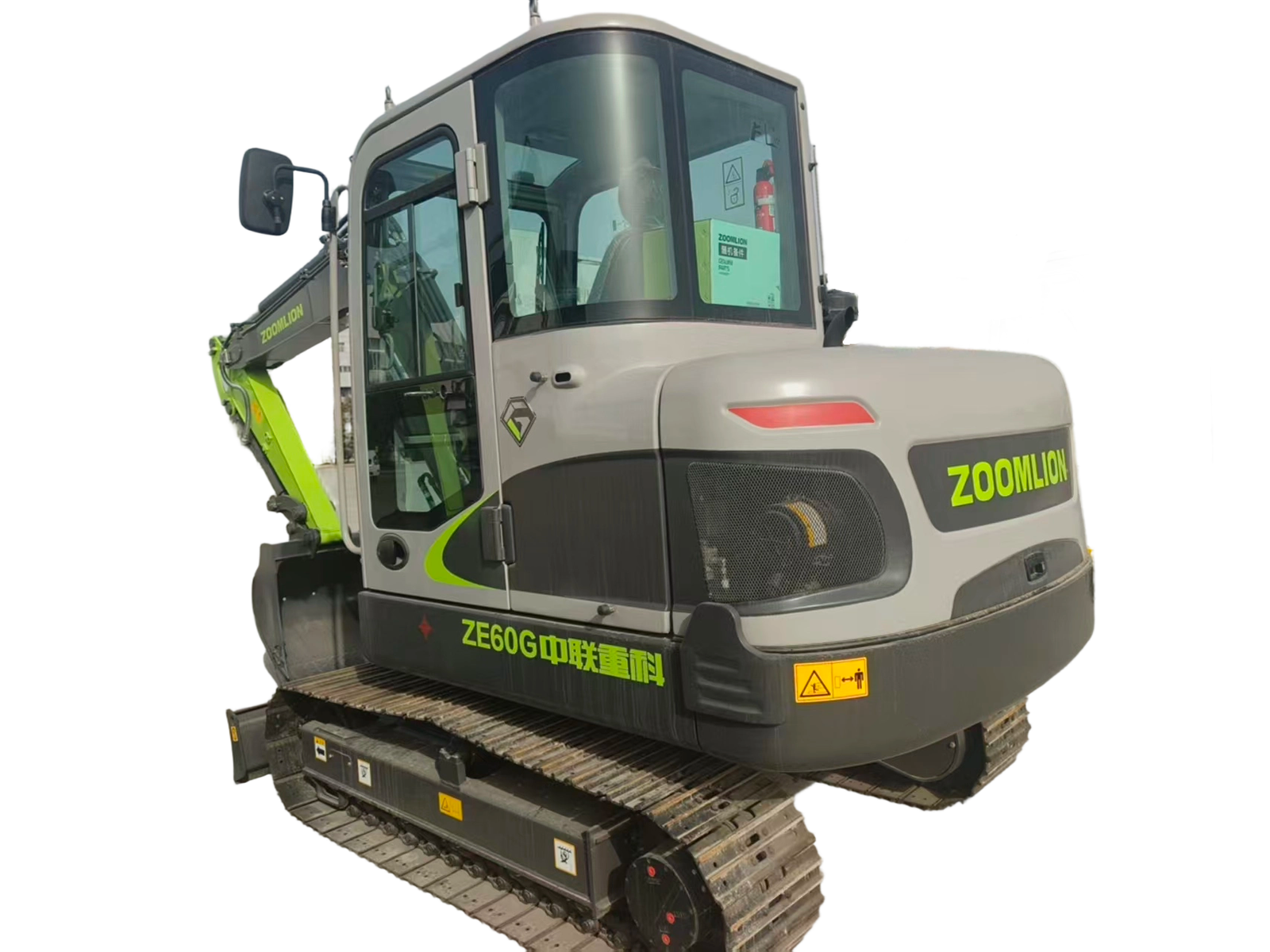
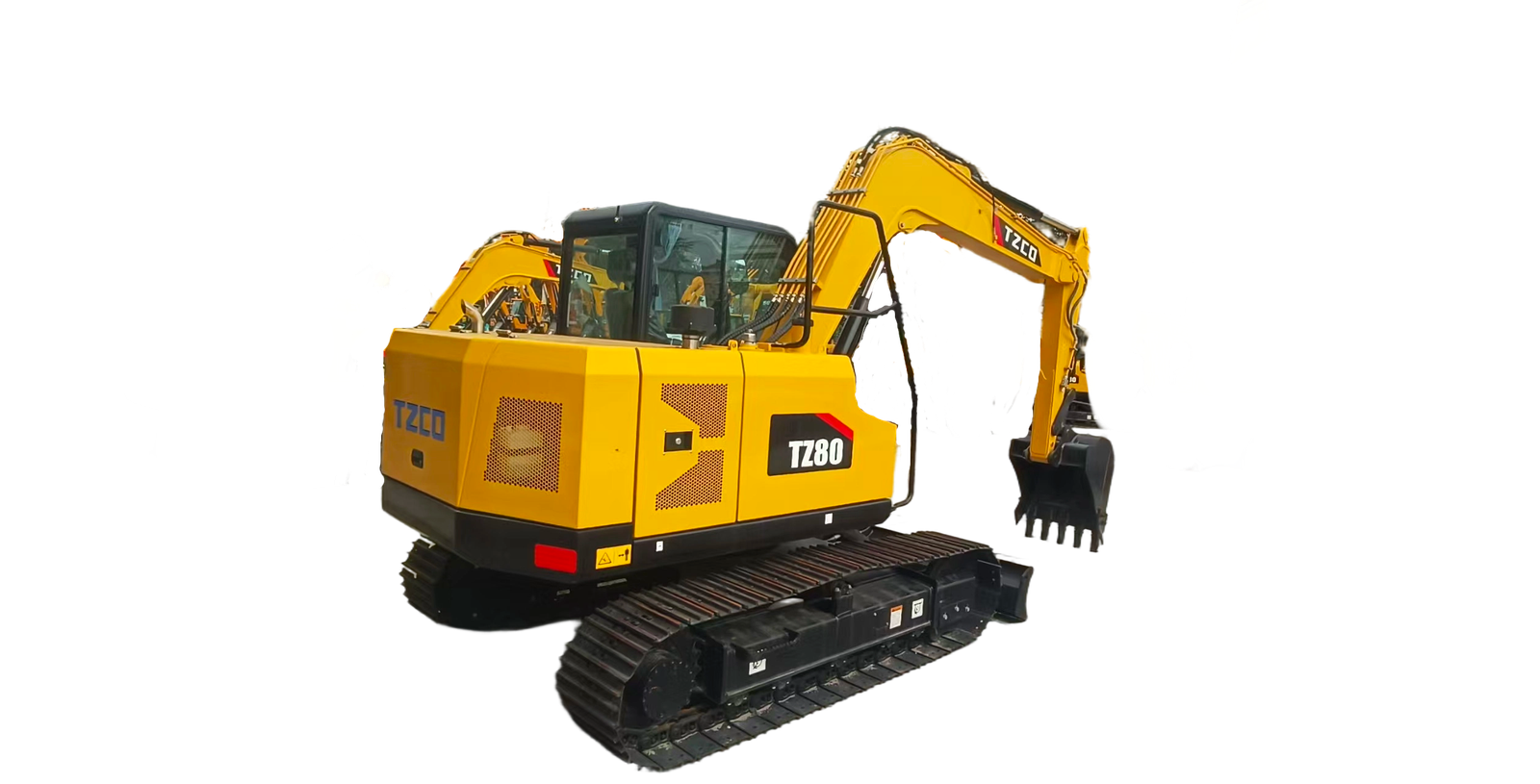
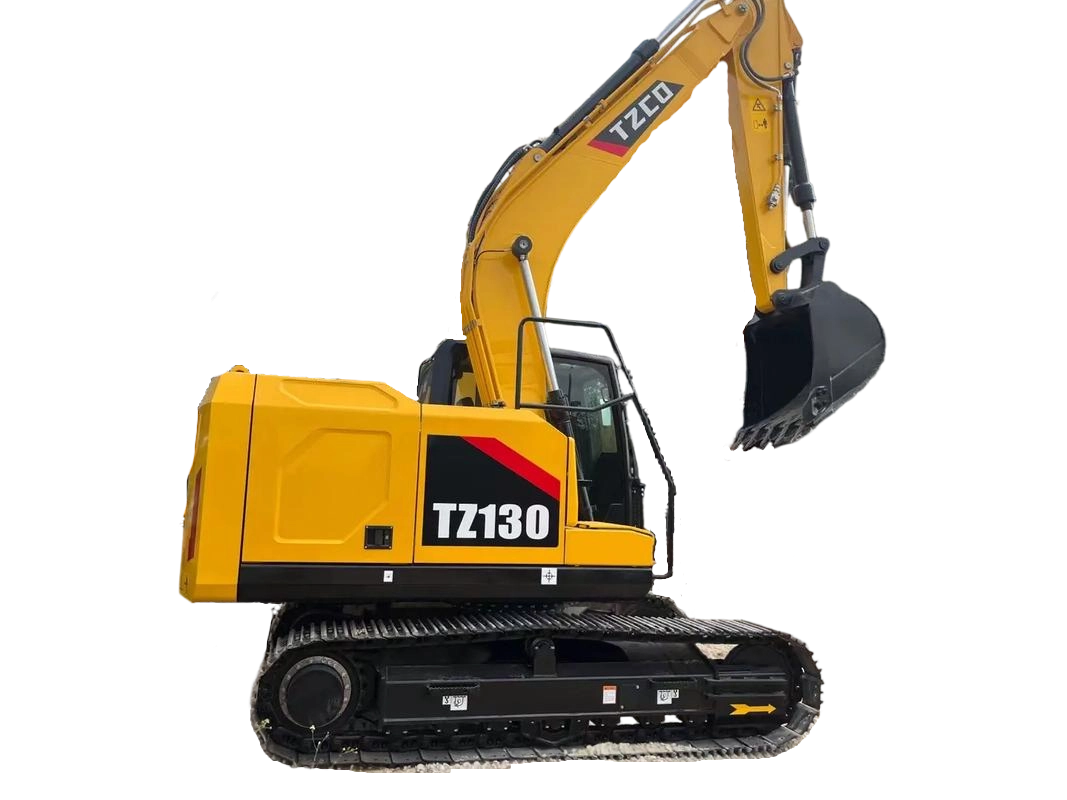
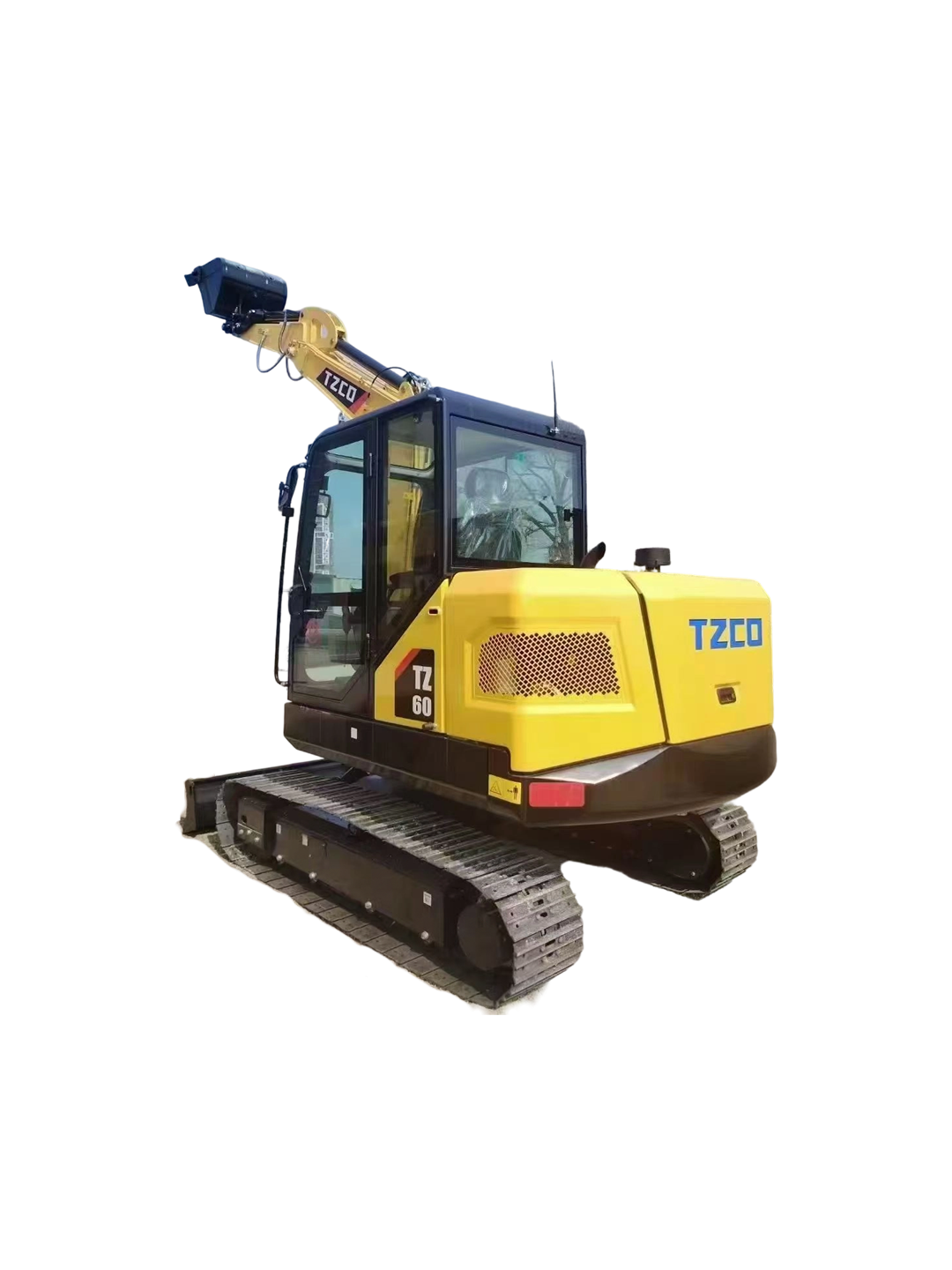
Buying a second hand excavator can be a smart investment for construction companies, contractors, farmers, and equipment rental businesses. Used excavators often provide excellent value while helping buyers reduce upfront equipment costs. With proper inspection and research, a second hand excavator can deliver strong performance, long service life, and improved operational efficiency.
However, many buyers make avoidable mistakes during the purchasing process. Focusing only on price, overlooking maintenance records, or ignoring machine condition can lead to unexpected repair expenses and reduced productivity. Understanding the most common mistakes when buying second hand excavators can help buyers make more informed decisions and maximize long-term value.
This article explains the key mistakes buyers should avoid, along with important inspection tips and purchasing strategies for used excavators.
Focusing Only on the Purchase Price
One of the most common mistakes buyers make is concentrating only on the initial purchase price. While a lower price may appear attractive, it does not always reflect the true value of the excavator.
A cheaper machine with excessive wear, outdated components, or hidden maintenance issues may eventually require significant repair costs. In many cases, investing slightly more in a well-maintained excavator can provide better reliability, longer operating life, and lower ownership expenses over time.
Buyers should evaluate the total cost of ownership rather than only comparing purchase prices. Fuel efficiency, maintenance history, component condition, and future resale value all contribute to the overall investment quality.
Choosing an excavator based on long-term performance rather than short-term savings often results in better operational efficiency and profitability.
Ignoring the Machine’s Service History
Maintenance records are extremely important when evaluating second hand excavators. Some buyers overlook service history and focus only on the machine’s appearance, which can lead to poor purchasing decisions.
A well-documented maintenance history provides valuable information about oil changes, hydraulic servicing, filter replacements, engine repairs, and scheduled inspections. Machines that receive regular maintenance are typically more reliable and better preserved.
Buyers should request service logs, inspection reports, and repair records whenever possible. Consistent maintenance often indicates that the previous owner operated the excavator responsibly and followed proper service schedules.
Without maintenance documentation, it becomes more difficult to evaluate the machine’s true condition and future reliability.
Failing to Inspect the Hydraulic System
The hydraulic system is one of the most important components of any excavator. Some buyers underestimate the importance of hydraulic inspection and focus primarily on exterior appearance.
Hydraulic pumps, cylinders, hoses, and valves directly affect digging performance, lifting capacity, and machine efficiency. Problems within the hydraulic system can reduce productivity and increase operating costs.
During inspection, buyers should look for hydraulic leaks, damaged hoses, slow boom movement, unusual noises, or inconsistent control response. Clean hydraulic fluid and stable machine operation are usually signs of proper maintenance.
Testing the excavator under working conditions can help identify performance issues that may not be visible during a stationary inspection.
Overlooking Undercarriage Wear
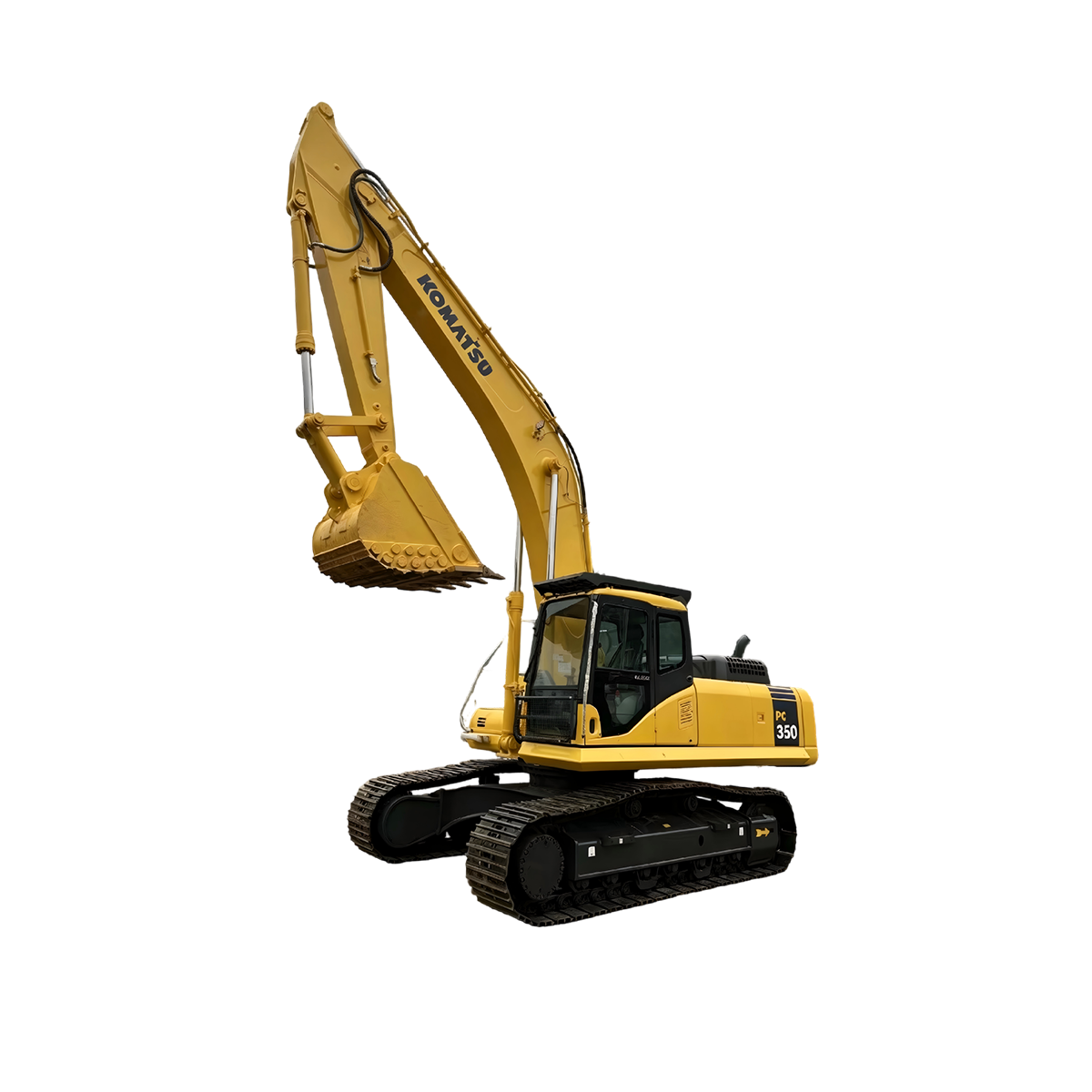
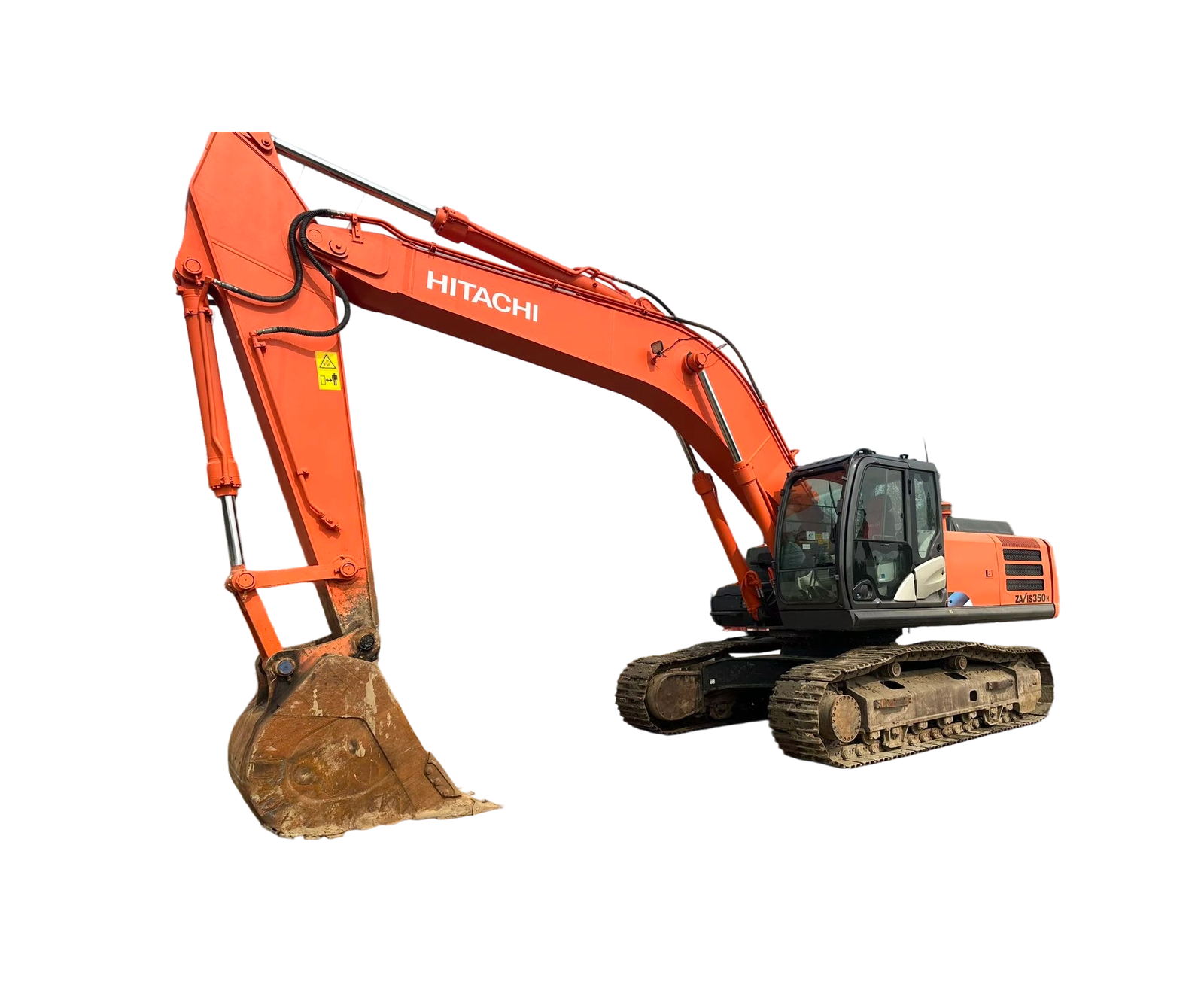
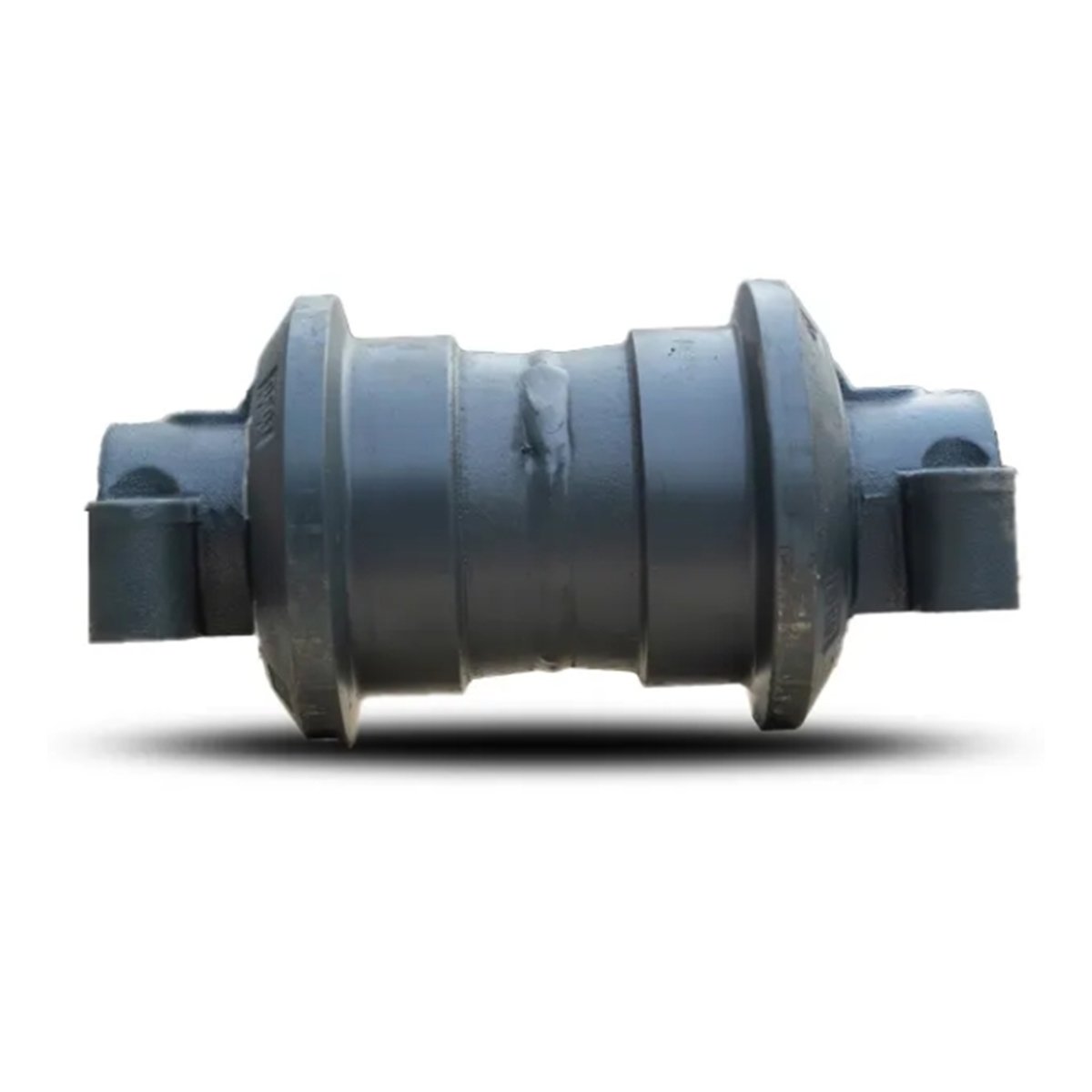
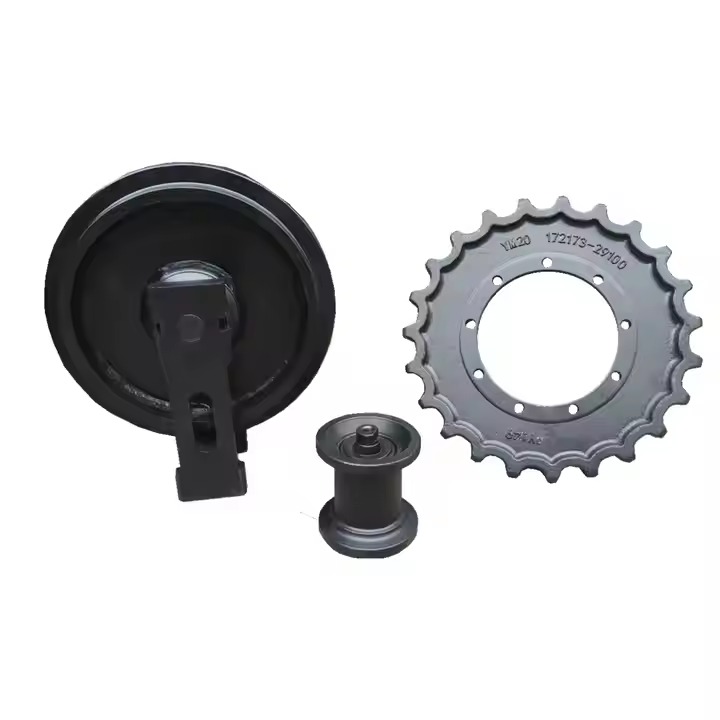
The undercarriage is one of the most expensive wear areas on a crawler excavator. Tracks, rollers, sprockets, idlers, and track chains experience constant stress during operation.
Some buyers fail to carefully inspect the undercarriage, even though repairs or replacements can represent a significant maintenance expense. Excessive wear may reduce machine stability, traction, and operational performance.
Buyers should inspect track tension, roller condition, sprocket teeth, and overall wear patterns. Uneven wear may indicate alignment problems or poor previous maintenance practices.
A strong undercarriage can significantly extend the useful life of a second hand excavator and reduce future repair costs.
Not Verifying Operating Hours Correctly
Operating hours are often used to estimate machine usage and wear levels. However, some buyers rely only on hour meter readings without further verification.
Hour meters can sometimes be replaced or disconnected during a machine’s lifetime. Therefore, buyers should also evaluate the overall condition of pedals, controls, seats, joysticks, and attachments to determine whether the displayed hours appear consistent with actual wear.
Machines with moderate operating hours but excellent maintenance may perform better than poorly maintained excavators with lower recorded hours.
Careful inspection and professional evaluation help provide a more accurate understanding of the machine’s true usage history.
Skipping a Professional Inspection
Another common mistake is purchasing a second hand excavator without obtaining a professional inspection. While experienced operators may identify obvious problems, professional mechanics and equipment inspectors can often detect hidden mechanical or structural issues.
A professional inspection may include:
- Hydraulic pressure testing
- Engine performance evaluation
- Structural crack inspection
- Electronic diagnostics
- Fluid analysis
- Undercarriage measurement
Although inspections involve additional cost, they can help buyers avoid expensive future repairs and improve purchasing confidence.
Professional evaluations are especially important for high-value excavators or machines intended for heavy daily operation.
Ignoring Engine Condition
The engine is the core power source of the excavator. Some buyers focus heavily on cosmetic appearance while overlooking engine performance and reliability.
Buyers should carefully inspect for excessive smoke, abnormal engine noise, overheating signs, fluid leaks, or difficult starting conditions. Smooth startup, stable idle operation, and responsive acceleration are important indicators of engine health.
Engine repairs can be costly and may affect machine downtime, fuel consumption, and productivity. Proper engine inspection is essential before finalizing any purchase.
Machines with clean maintenance records and stable engine performance generally offer better long-term reliability.
Choosing the Wrong Excavator Size
Selecting the wrong excavator size for the intended application is another common purchasing mistake. Some buyers choose larger machines than necessary, while others underestimate jobsite requirements.
Oversized excavators may increase fuel consumption, transportation costs, and operating expenses. Smaller machines may struggle with lifting capacity, digging depth, or heavy workloads.
Buyers should carefully evaluate project requirements, working conditions, site access limitations, and attachment compatibility before selecting a machine size.
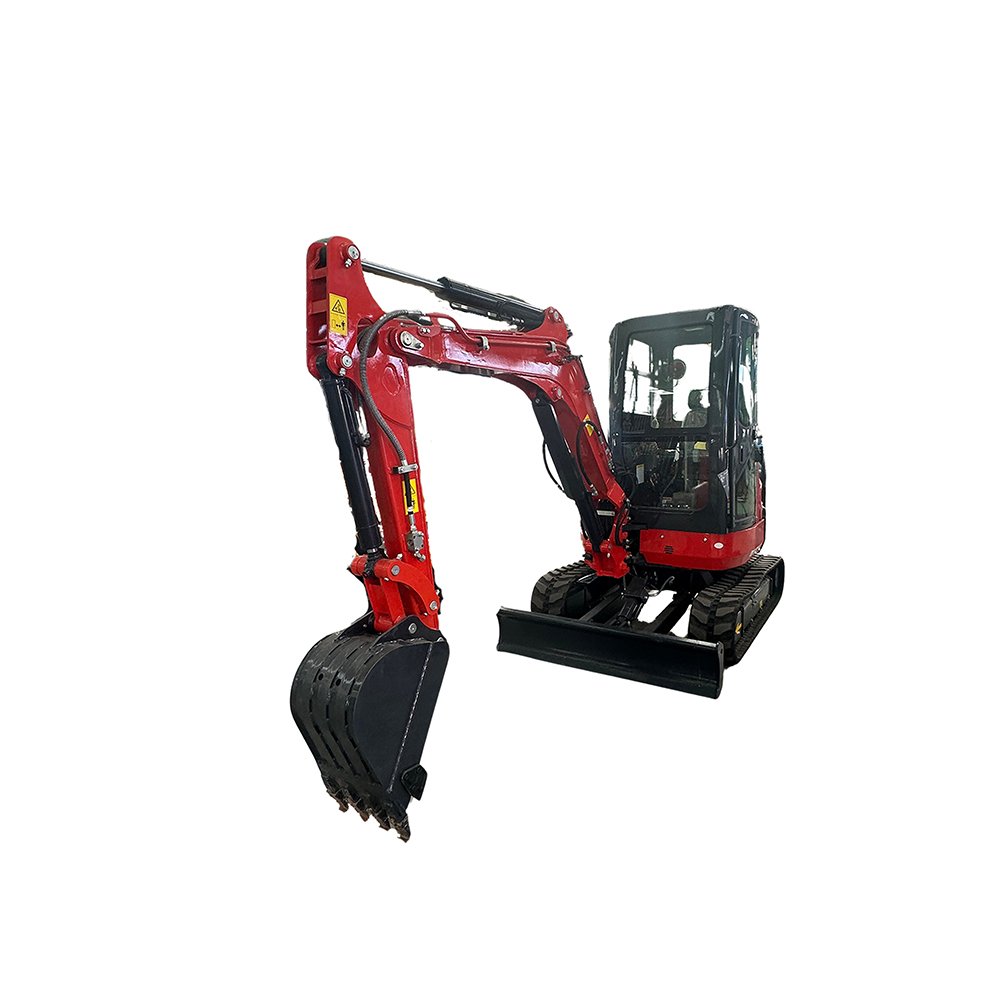
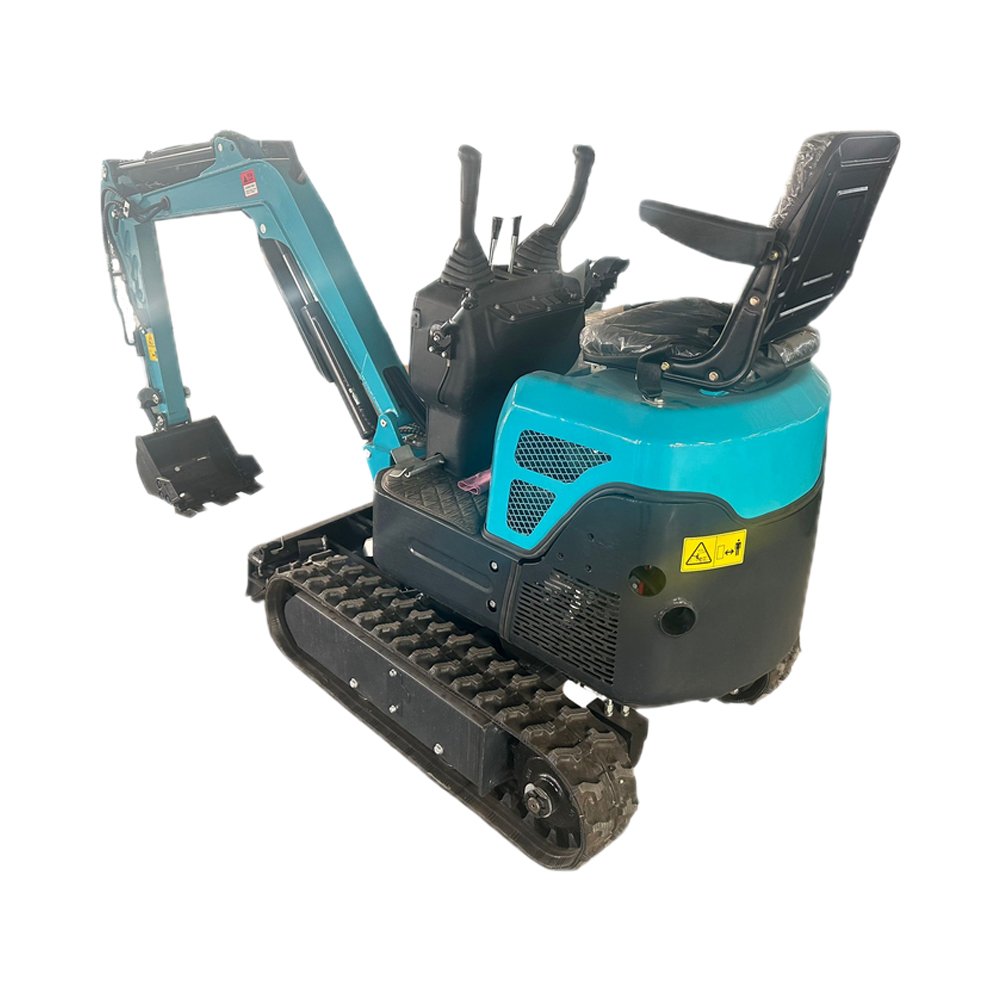
Compact excavators are often ideal for urban construction and landscaping projects, while larger excavators are more suitable for mining, infrastructure, and heavy earthmoving applications.
Neglecting Attachment Compatibility
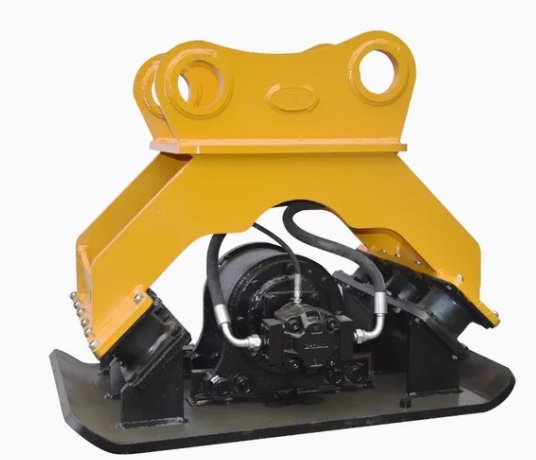
Excavators are commonly used with multiple attachments such as buckets, breakers, grapples, augers, and compactors. Some buyers forget to verify whether the excavator supports the attachments required for future projects.
Hydraulic flow capacity, coupler compatibility, and auxiliary hydraulic systems all affect attachment performance. Buyers should confirm that the machine can efficiently operate planned attachments without requiring major modifications.
Choosing a versatile excavator with strong attachment compatibility can improve productivity and expand jobsite capabilities.
Forgetting Transportation and Operating Costs
The purchase price is only one part of excavator ownership. Transportation, fuel usage, insurance, maintenance, and storage expenses also affect long-term operating costs.
Some buyers fail to consider transportation restrictions or site access requirements. Larger excavators may require specialized trailers and permits for transportation between jobsites.
Fuel efficiency is another important factor, especially for companies operating equipment daily. Modern excavators with efficient hydraulic systems and engines may help reduce operating expenses over time.
Understanding the complete ownership cost helps buyers make more financially sustainable equipment decisions.
Buying Without Testing the Machine
A visual inspection alone is not enough when purchasing a second hand excavator. Some buyers skip operational testing, which can lead to overlooked performance problems.
Testing the excavator under working conditions allows buyers to evaluate:
- Hydraulic responsiveness
- Swing performance
- Travel speed
- Bucket control
- Engine load handling
- Stability during operation
Operational testing provides valuable insight into how the excavator performs in real jobsite conditions.
Whenever possible, buyers should test the machine on soil, slopes, or active work environments to identify potential issues more accurately.
Ignoring Dealer or Seller Reputation
The reputation of the seller is also an important consideration. Reliable equipment dealers and experienced sellers often provide better transparency, maintenance documentation, and after-sales support.
Buyers should research seller reviews, company experience, customer feedback, and available inspection policies before making a purchase decision.
Trusted sellers are more likely to provide accurate machine descriptions and professional support throughout the buying process.
Building relationships with reputable dealers can also improve access to future equipment, spare parts, and maintenance services.
Buying a second hand excavator can provide excellent value when approached carefully and strategically. However, overlooking important inspection areas or focusing only on price can lead to avoidable maintenance costs and operational challenges.
By understanding common purchasing mistakes, buyers can better evaluate machine condition, verify maintenance history, inspect critical components, and select equipment that matches their operational needs.
A well-maintained second hand excavator with proper inspection and documentation can deliver years of reliable performance, making it a practical and cost-effective investment for construction, landscaping, agriculture, and industrial projects.