








Industry News
What to Check Before Buying a Second Hand Excavator
May
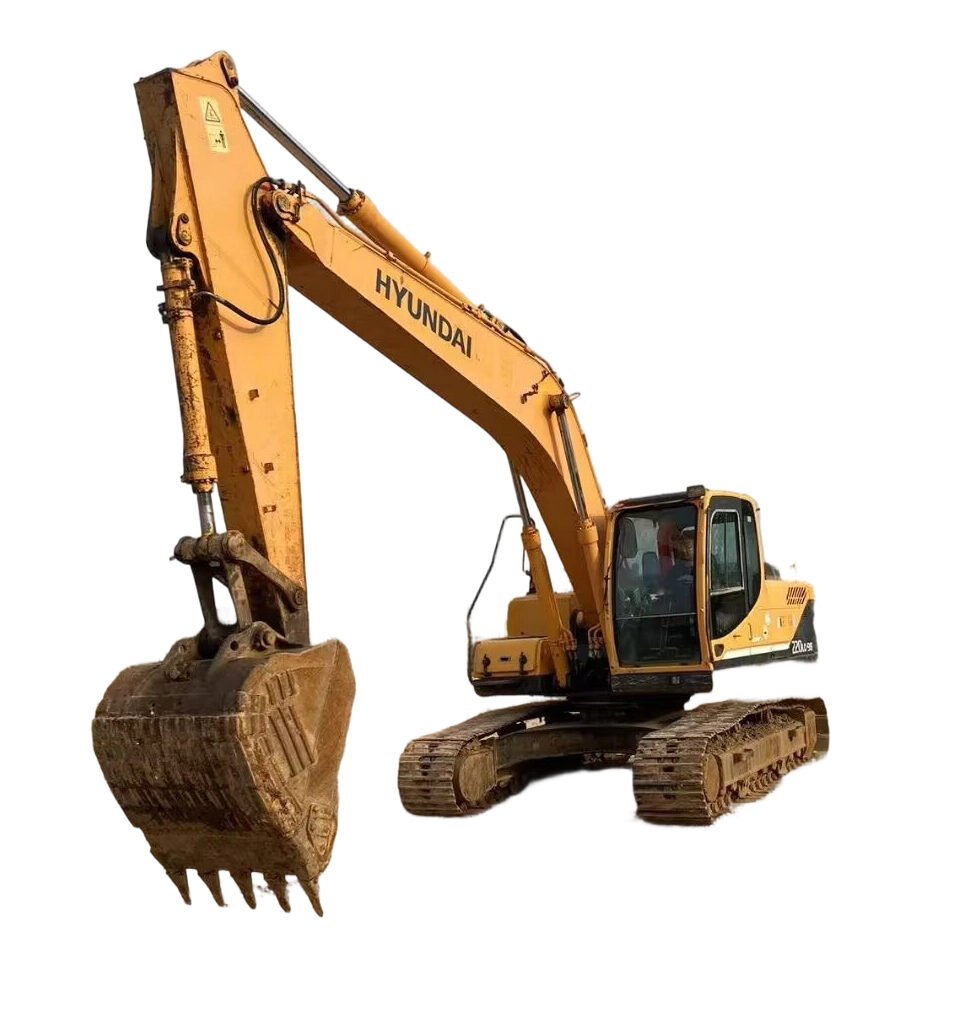
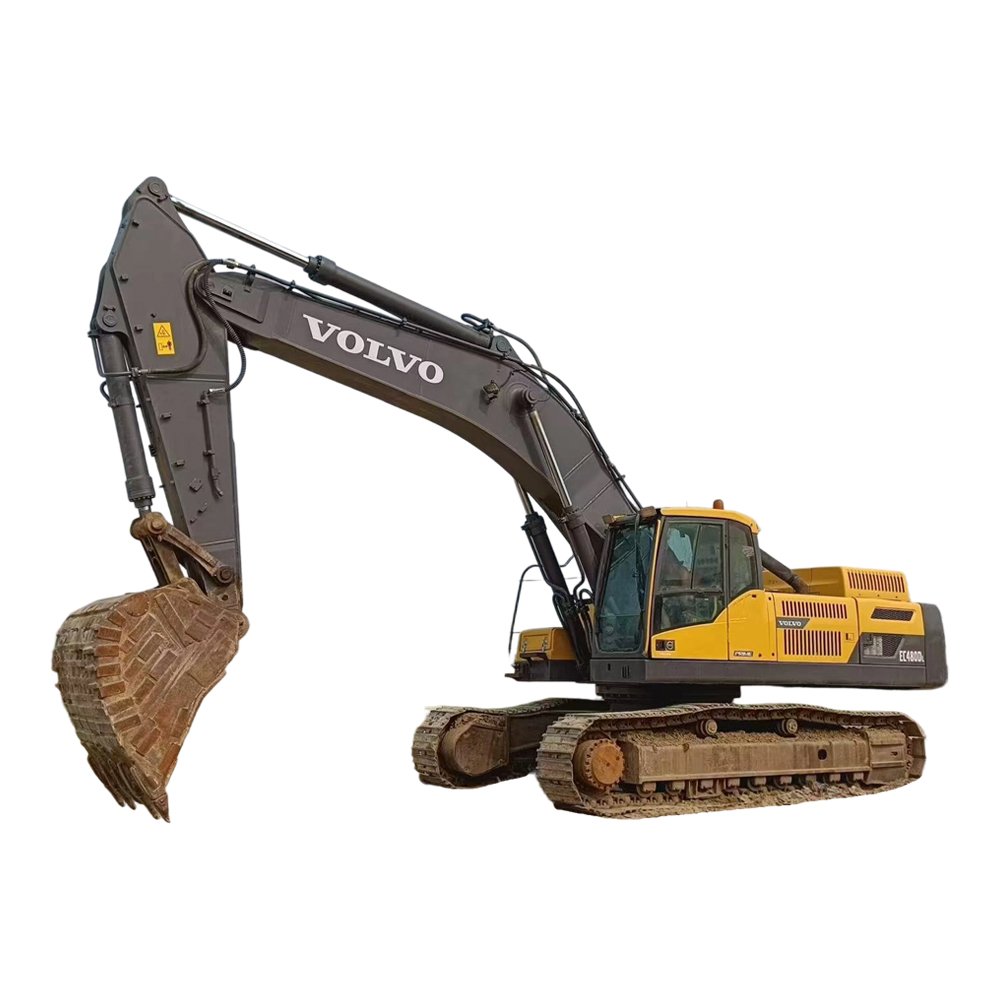
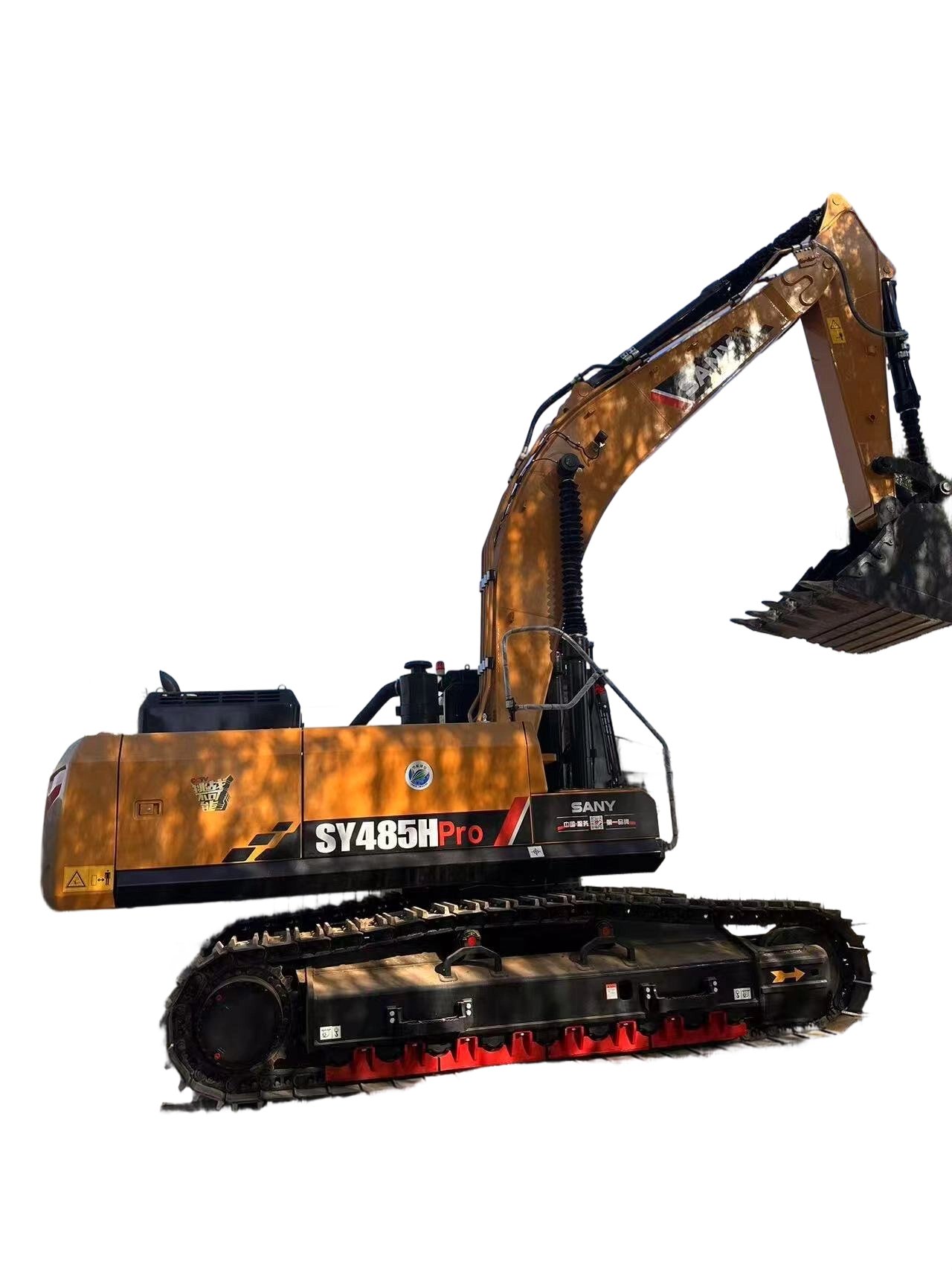
Second hand excavators continue to be a popular choice for contractors, construction companies, farmers, mining businesses, and equipment rental providers. Purchasing a used excavator can offer significant value while helping businesses expand their equipment fleet within budget. Many buyers choose second hand machinery because it allows them to access reliable heavy equipment at a lower investment cost compared with purchasing brand-new models.
The growing global construction industry has also increased demand for used excavators in infrastructure projects, road construction, landscaping, demolition, and agricultural applications. However, before purchasing a second hand excavator, buyers should carefully evaluate several important factors to ensure long-term performance, operational efficiency, and equipment reliability.
A professional inspection process helps reduce future maintenance costs and improves confidence in the purchasing decision.
Check the Overall Exterior Condition
The first step when evaluating a second hand excavator is examining the overall exterior condition of the machine. A clean and well-maintained appearance often indicates that the previous owner followed regular maintenance routines and cared for the equipment properly.
Buyers should inspect the body panels, boom, arm, bucket, and frame for visible signs of excessive wear. Minor scratches and cosmetic marks are common on used machinery, but structural damage should be carefully reviewed.
Pay close attention to weld points, reinforcement areas, and any visible repairs. Consistent paint quality and smooth structural surfaces often suggest better long-term maintenance history.
A visual inspection also provides valuable insight into how the excavator was previously operated and maintained.
Inspect the Engine Performance
The engine is one of the most important components of any excavator. Before buying a second hand machine, buyers should carefully evaluate engine condition and operational performance.
A healthy engine should start smoothly and operate consistently at different speeds. Listen for unusual sounds, vibrations, or irregular idle behavior during operation. Engine response should remain stable during digging movements and hydraulic activity.
Check for clean engine compartments and proper fluid levels. Professional sellers often maintain organized engine systems that reflect regular servicing and preventive maintenance.
Service records and maintenance documentation can also provide useful information about oil changes, filter replacements, and routine inspections completed over the life of the machine.
Examine the Hydraulic System Carefully
Hydraulic systems play a critical role in excavator performance because they control digging power, arm movement, bucket operation, and machine efficiency.
Buyers should inspect hydraulic hoses, cylinders, pumps, and connectors for signs of proper maintenance. Smooth and responsive hydraulic movements often indicate good system condition.
During operation, test the boom, arm, bucket, and swing functions to ensure all movements operate smoothly without hesitation. Stable hydraulic performance is essential for productivity and jobsite efficiency.
Hydraulic oil quality and cleanliness can also provide insight into the overall maintenance condition of the excavator.
Review the Undercarriage Condition
The undercarriage is one of the most heavily used areas of an excavator and often represents a significant portion of maintenance expenses. Careful undercarriage inspection is essential before purchasing a used machine.
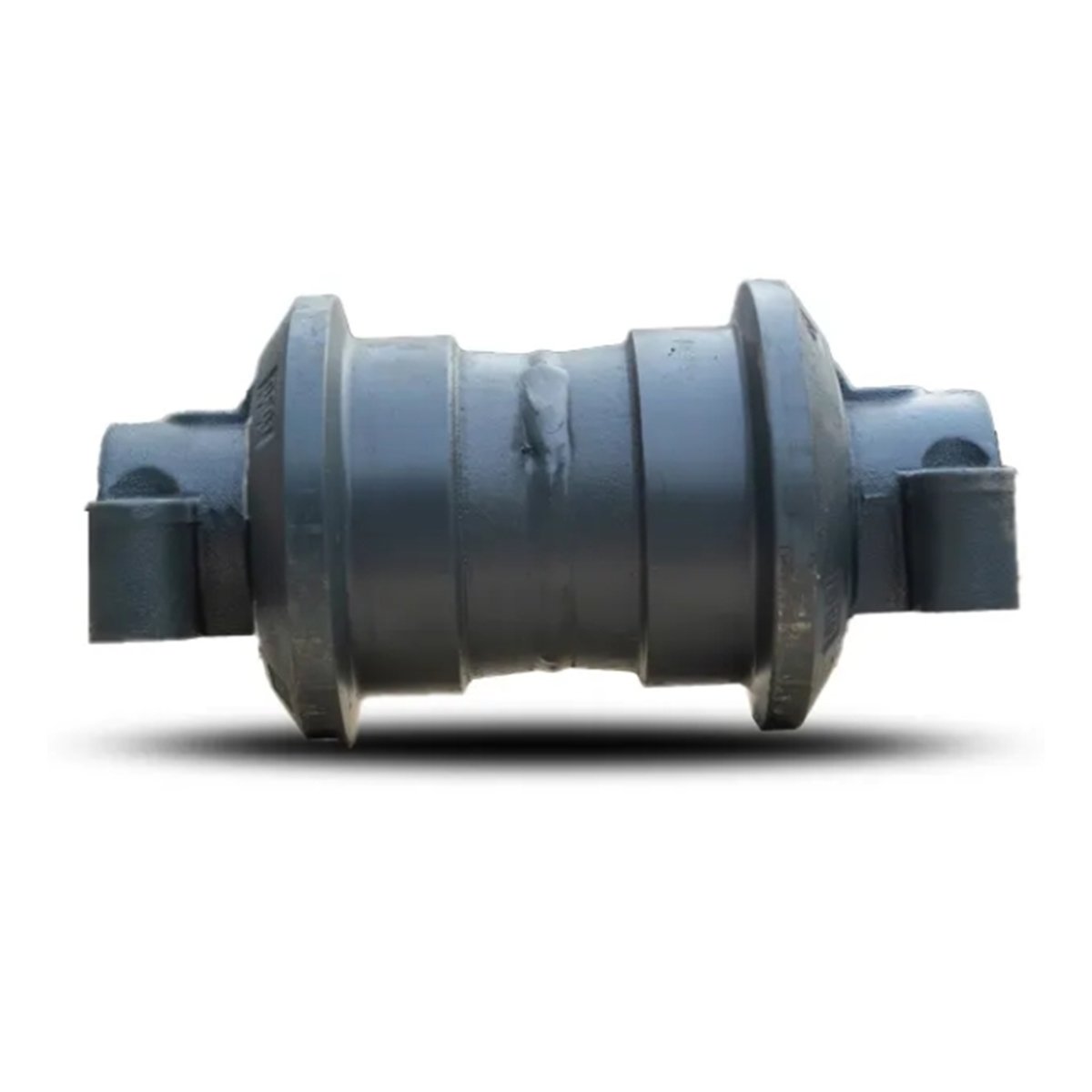
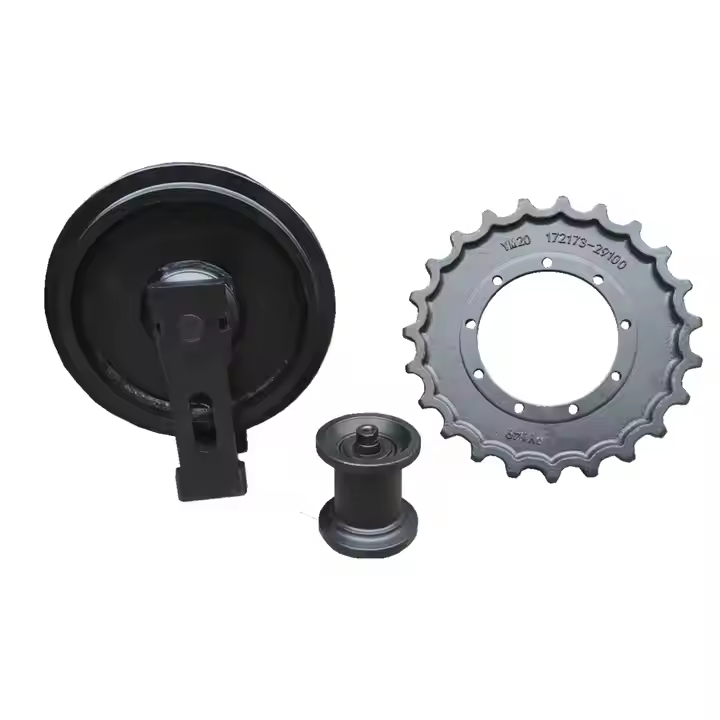
Check the tracks, rollers, sprockets, idlers, and track tension for wear consistency and structural stability. Even wear patterns often suggest balanced machine operation and proper maintenance practices.
Well-maintained undercarriage components help improve machine stability, fuel efficiency, and operational safety on construction sites.
Because undercarriage repairs can be expensive, buyers should carefully evaluate component condition during the inspection process.
Verify the Hour Meter and Usage History
Operating hours are an important factor when evaluating second hand excavators. The hour meter provides insight into how extensively the machine has been used throughout its service life.
Machines with moderate operating hours and strong maintenance records may continue performing reliably for many years. However, buyers should compare the machine’s appearance, wear condition, and service records with the displayed operating hours to ensure consistency.
Equipment usage history is also important. Excavators previously used in lighter applications such as landscaping may experience different wear levels compared with machines used in demanding mining or demolition projects.
Understanding the machine’s previous working environment can help buyers make more informed purchasing decisions.
Inspect the Cab and Operator Controls
A comfortable and functional operator cabin contributes significantly to productivity and machine usability. Buyers should inspect the cab condition carefully before purchasing a used excavator.
Check the seat, pedals, joysticks, display systems, switches, air conditioning, and visibility from the operator position. Smooth control response and organized cabin layout often indicate proper care and maintenance.
Modern excavators frequently include digital monitoring systems and safety features that improve operational efficiency. Ensure all control systems function correctly during testing.
A clean and well-maintained cabin environment can also reflect the overall professionalism of previous equipment ownership.
Evaluate Attachments and Bucket Condition
Many second hand excavators are sold with buckets and additional attachments. Buyers should inspect attachment condition carefully because these components directly affect machine productivity.
Check bucket edges, teeth, pins, bushings, and quick coupler systems for wear and structural stability. Strong attachment condition helps maintain efficient digging performance and reduces future replacement costs.
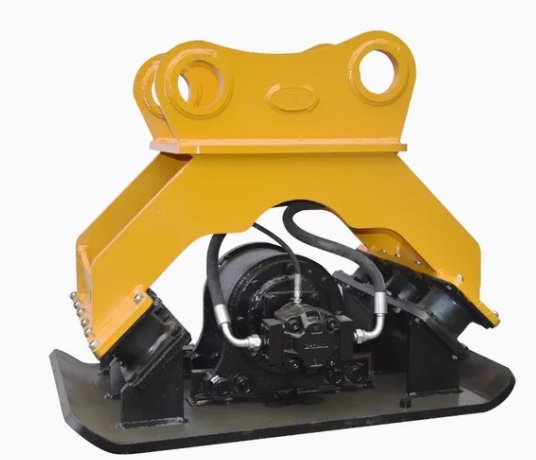
Additional attachments such as breakers, grapples, augers, and compactors may also increase the overall value and versatility of the excavator.
Understanding which attachments are included can help buyers maximize equipment utilization across multiple jobsite applications.
Confirm Maintenance and Service Records
Well-documented maintenance history is one of the strongest indicators of a reliable second hand excavator. Professional equipment owners often keep detailed records of inspections, repairs, fluid changes, and scheduled servicing.
Buyers should request available service documentation before finalizing a purchase. Maintenance records provide confidence that the excavator received proper care throughout its operational life.
Regular servicing helps improve machine longevity, fuel efficiency, hydraulic performance, and overall reliability.
A transparent maintenance history also supports better long-term equipment planning and future resale value.
Check for Safety Features and Compliance
Safety remains a top priority in the construction and heavy equipment industry. Buyers should verify that the excavator includes essential safety systems and meets local operational requirements.
Inspect lighting systems, alarms, mirrors, cameras, emergency shut-off controls, and operator protection structures. Functional safety equipment helps improve jobsite security and operator confidence.
Many newer excavators also include advanced technology features that enhance operational awareness and machine monitoring capabilities.
Ensuring compliance with local safety standards supports smoother project operations and equipment registration processes.
Consider Spare Parts and Technical Support Availability
Before purchasing a second hand excavator, buyers should evaluate the availability of spare parts, technical support, and maintenance services in their region.
Reliable access to replacement components helps reduce downtime and improves long-term operational efficiency. Machines supported by established service networks often provide better maintenance convenience and lower ownership stress.
Professional equipment dealers and suppliers may also offer inspection assistance, maintenance programs, and operator training support.
Strong after-sales support can significantly improve ownership experience and equipment performance over time.
Compare Market Value and Total Ownership Costs
Price is an important factor when purchasing used heavy equipment, but buyers should also consider long-term ownership costs beyond the initial purchase price.
Fuel efficiency, maintenance requirements, spare parts availability, and machine condition all influence overall operating expenses. A well-maintained excavator may provide stronger long-term value and productivity.
Comparing multiple machines and conducting thorough inspections helps buyers make balanced decisions based on performance, condition, and operational goals.
A careful purchasing strategy can improve return on investment and support sustainable business growth.
Buying a second hand excavator can be an excellent investment for construction companies, contractors, farms, and equipment operators seeking reliable heavy machinery at a competitive cost. However, successful purchasing decisions require careful inspection and professional evaluation.
Checking the engine, hydraulic system, undercarriage, operator cabin, maintenance records, attachments, and safety features helps buyers identify well-maintained equipment with strong long-term potential.
With proper research, detailed inspections, and attention to equipment condition, buyers can confidently select second hand excavators that deliver dependable performance, operational efficiency, and lasting value across a wide range of construction and industrial applications.