








Industry News
How Much Should You Pay? Pricing Guide for Used Mini Excavators for Sale
May
Mini excavators have become one of the most versatile and valuable pieces of equipment in the construction, landscaping, agriculture, utility, and property maintenance industries. Their compact size, maneuverability, and ability to handle a wide range of tasks make them a practical investment for businesses and individual operators alike.
For many buyers, purchasing a used mini excavator offers an excellent balance between performance and cost efficiency. However, determining the right price can be challenging because values vary significantly depending on machine age, operating hours, condition, specifications, attachments, and market demand.
Understanding the factors that influence pricing helps buyers make informed decisions and maximize their return on investment. This guide explores how used mini excavator prices are determined, what affects market value, and how to evaluate whether a machine is fairly priced.
Why Choose a Used Mini Excavator?
Many contractors and business owners choose used equipment because it allows them to acquire capable machinery while managing capital expenditures effectively.
A quality used mini excavator can provide years of productive service while offering advantages such as:
- Lower initial investment
- Faster return on investment
- Reduced depreciation impact
- Greater equipment flexibility
- Access to premium machine features at a lower cost
When properly maintained, a used mini excavator can deliver performance comparable to newer models for many applications.
Average Price Ranges for Used Mini Excavators
Used mini excavator prices vary according to machine size and condition.
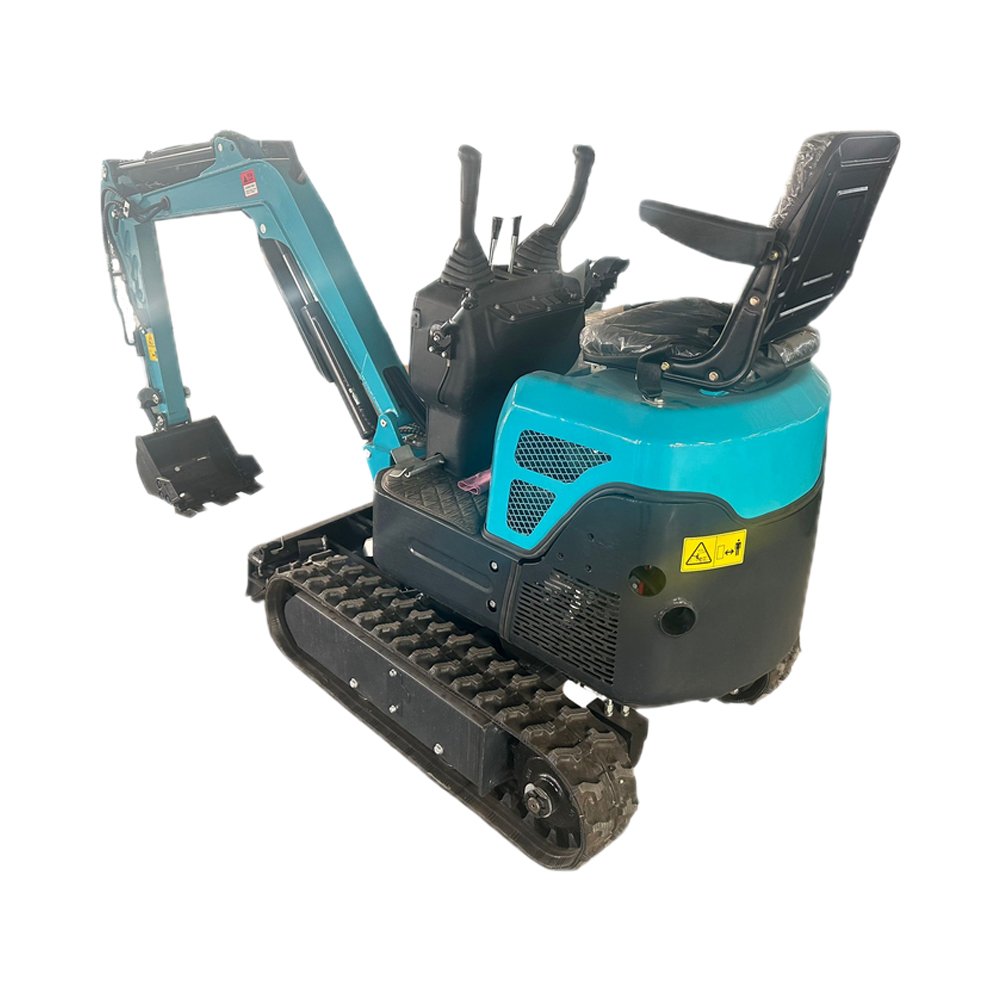
Compact Models (1–2 Tons)
Smaller mini excavators are commonly used for residential landscaping, trenching, irrigation work, and light construction projects.
Typical price range:
- $8,000 to $25,000
Factors influencing price include operating hours, attachment packages, and overall condition.
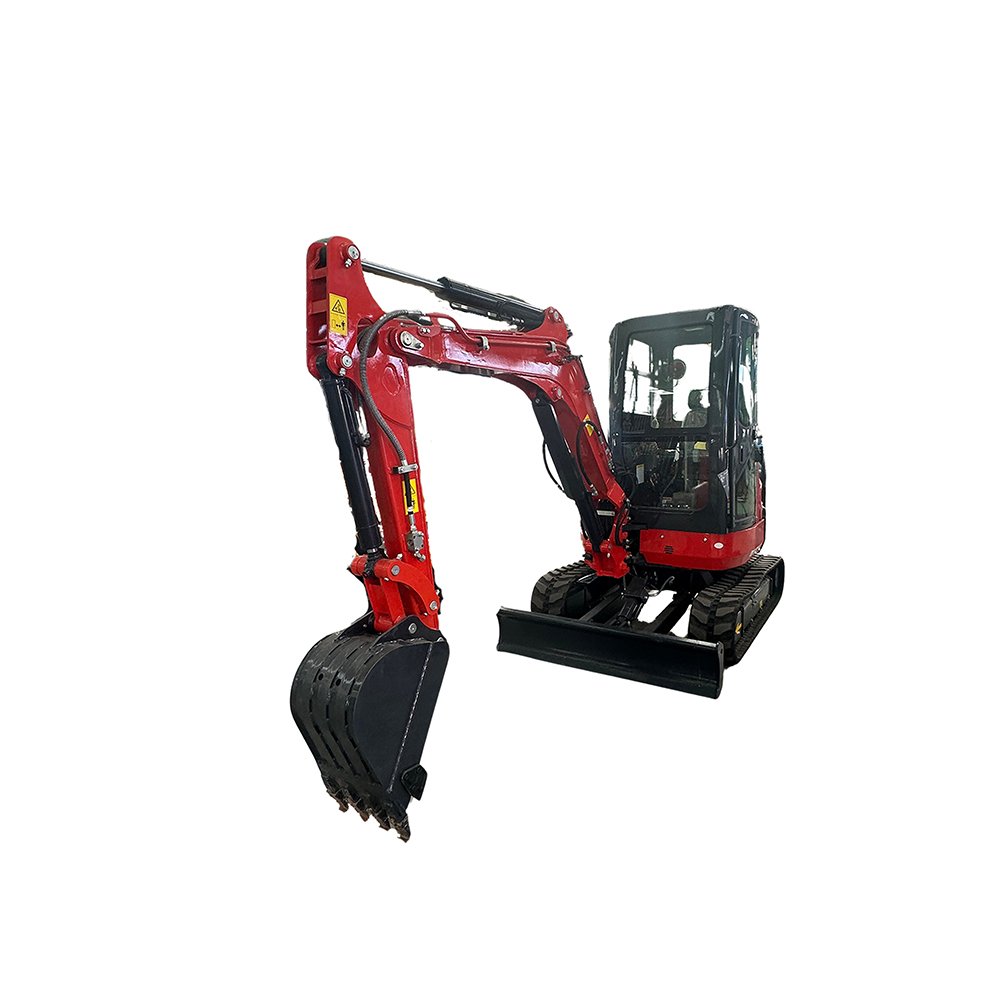
Mid-Size Models (2–4 Tons)
These machines offer a balance between compact dimensions and increased digging capability.
Typical price range:
- $20,000 to $50,000
Mid-size units are popular among contractors due to their versatility and productivity.
Larger Mini Excavators (4–8 Tons)
Larger compact excavators provide enhanced digging depth, lifting capacity, and hydraulic performance.
Typical price range:
- $40,000 to $90,000+
Pricing depends heavily on machine age, maintenance history, and included attachments.
Factors That Affect Used Mini Excavator Pricing
Machine Age
The age of a mini excavator significantly impacts its value.
Newer machines often command higher prices because they typically incorporate updated technology, improved fuel efficiency, and enhanced operator comfort features.
However, older machines with excellent maintenance records may still represent outstanding value.
Buyers should consider both age and condition rather than focusing solely on the manufacturing year.
Operating Hours
Operating hours are similar to mileage on a vehicle.
Machines with lower operating hours generally command higher prices because they often have more remaining service life.
Typical categories include:
- Under 1,000 hours
- 1,000–3,000 hours
- 3,000–5,000 hours
- Over 5,000 hours
Well-maintained machines can continue operating effectively even at higher hour levels.
Maintenance history is often as important as total operating hours.
Overall Machine Condition
Physical condition directly affects market value.
Areas to evaluate include:
- Undercarriage wear
- Hydraulic system performance
- Engine operation
- Boom and arm condition
- Bucket wear
- Cab condition
- Electrical systems
Machines that have been properly serviced and stored often command premium pricing.
Maintenance Records
Comprehensive service records can significantly increase buyer confidence.
Documented maintenance demonstrates that the equipment has received routine inspections, servicing, and component replacements when necessary.
A well-documented maintenance history often supports a higher resale value.
Attachments and Accessories
Attachments can add substantial value to a used mini excavator.
Common attachments include:
- Buckets
- Hydraulic breakers
- Augers
- Grapples
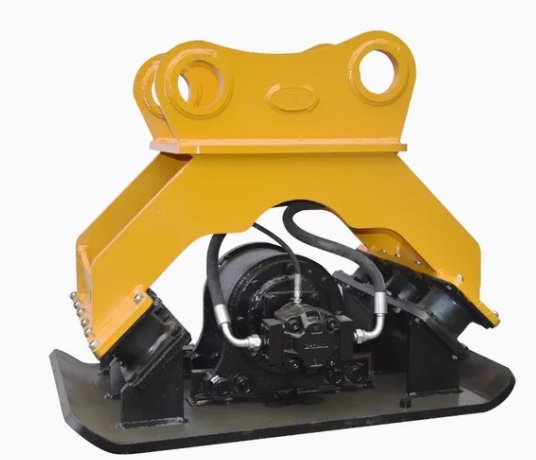
- Compactors
- Rippers
- Tilt couplers
A machine sold with multiple attachments may offer a better overall value compared to purchasing attachments separately.
Machine Features That Influence Pricing
Enclosed Cab vs. Open Station
Mini excavators equipped with enclosed cabs generally command higher prices than open-station models.
Benefits include:
- Improved operator comfort
- Weather protection
- Reduced noise exposure
- Enhanced productivity
These features often justify a higher purchase price.
Advanced Hydraulic Systems
Modern hydraulic systems improve precision, efficiency, and attachment compatibility.
Machines equipped with auxiliary hydraulic circuits may have increased market value due to expanded functionality.
Zero Tail Swing Design
Zero tail swing and reduced tail swing configurations are highly desirable for work in confined spaces.
Their enhanced maneuverability often contributes to stronger resale values.
Regional Market Conditions
Used mini excavator pricing can vary by geographic location.
Factors influencing regional prices include:
- Construction activity levels
- Infrastructure projects
- Seasonal demand
- Equipment availability
- Transportation costs
Areas experiencing strong construction growth may see higher demand and stronger resale values.
Evaluating Cost Versus Value
The lowest-priced machine is not always the best investment.
Buyers should evaluate:
- Remaining service life
- Maintenance condition
- Operating efficiency
- Attachment package
- Future repair considerations
- Productivity potential
A slightly higher-priced machine with excellent maintenance and lower operating hours may provide significantly better long-term value.
Inspection Checklist Before Purchase
A thorough inspection helps determine whether a machine is priced appropriately.
Key inspection points include:
Hydraulic System
Check for:
- Smooth operation
- Hose condition
- Cylinder leaks
- Hydraulic responsiveness
Engine Performance
Evaluate:
- Startup characteristics
- Idle quality
- Exhaust condition
- Cooling system performance
Undercarriage
Inspect:
- Tracks
- Rollers
- Sprockets
- Idlers
Undercarriage replacement can represent a significant ownership cost.
Structural Components
Review:
- Boom integrity
- Arm wear
- Bucket condition
- Weld quality
Structural components should show proper maintenance and minimal excessive wear.
The Impact of Technology on Pricing
Newer mini excavators increasingly incorporate advanced technologies.
Features that may influence pricing include:
- Digital displays
- Telematics systems
- Fuel-saving technologies
- Enhanced operator controls
- Automatic idle functions
- Diagnostic monitoring systems
Machines with modern technology often maintain stronger market values due to increased efficiency and productivity.
Financing Considerations
Many buyers choose financing options when purchasing used equipment.
Factors to consider include:
- Interest rates
- Loan terms
- Monthly payments
- Equipment utilization rates
- Expected project revenue
A well-structured financing plan can help preserve working capital while enabling equipment acquisition.
Future Resale Value
Resale potential should be considered when evaluating a used mini excavator purchase.
Factors supporting long-term value retention include:
- Consistent maintenance
- Popular machine sizes
- Quality attachments
- Clean operating history
- Modern features
Maintaining equipment properly can help preserve value and maximize future resale opportunities.
Tips for Getting the Best Deal
Buyers can improve purchasing outcomes by following several best practices:
- Research local market pricing
- Compare multiple listings
- Inspect machines carefully
- Review maintenance records
- Evaluate included attachments
- Consider total ownership costs
- Assess productivity requirements
A comprehensive evaluation process helps ensure a fair purchase price and long-term satisfaction.
Industry Trends Affecting Used Mini Excavator Prices
Several industry trends continue to influence equipment values:
- Growing urban construction activity
- Increased landscaping demand
- Utility infrastructure expansion
- Compact equipment adoption
- Sustainability-focused projects
These trends contribute to ongoing demand for versatile mini excavators across multiple industries.
Determining how much to pay for a used mini excavator requires careful evaluation of multiple factors, including machine age, operating hours, condition, attachments, maintenance history, and local market conditions. While pricing can vary widely, understanding these variables allows buyers to assess value more accurately and make confident purchasing decisions.
A quality used mini excavator represents a practical investment that can deliver strong productivity, operational flexibility, and long-term value. By conducting thorough inspections, reviewing service records, and focusing on overall machine condition rather than price alone, buyers can identify equipment that meets both budget and performance objectives.
As demand for compact construction equipment continues to grow, used mini excavators remain an attractive solution for contractors, landscapers, agricultural operators, and property owners seeking reliable equipment at a competitive cost.