








Industry News
Second Hand Excavator Price Guide for Small Businesses
May
For small businesses involved in construction, landscaping, agriculture, demolition, utility installation, and site development, purchasing heavy equipment is often one of the largest capital investments. While buying a brand-new excavator may provide the latest technology and features, many small businesses choose second-hand excavators because they offer excellent value, lower upfront costs, and faster return on investment.
Understanding second hand excavator pricing is essential for making an informed purchasing decision. Prices can vary significantly depending on machine size, age, operating hours, condition, brand reputation, attachments, and market demand. By evaluating these factors carefully, business owners can find reliable equipment that supports productivity while staying within budget.
This guide explores the key factors that influence second-hand excavator prices and provides practical insights for small businesses seeking the best value.
Why Small Businesses Choose Second-Hand Excavators
Many small businesses operate with limited equipment budgets and must maximize every investment.
Purchasing a used excavator offers several advantages:
- Lower acquisition costs
- Faster return on investment
- Reduced depreciation impact
- Greater equipment accessibility
- Wider model selection
- Opportunity to expand fleet capacity
For businesses managing multiple projects simultaneously, a quality second-hand excavator can provide excellent performance without the higher cost associated with new equipment.
Average Price Ranges for Used Excavators
The price of a second-hand excavator varies according to machine size and specifications.
Typical market ranges include:
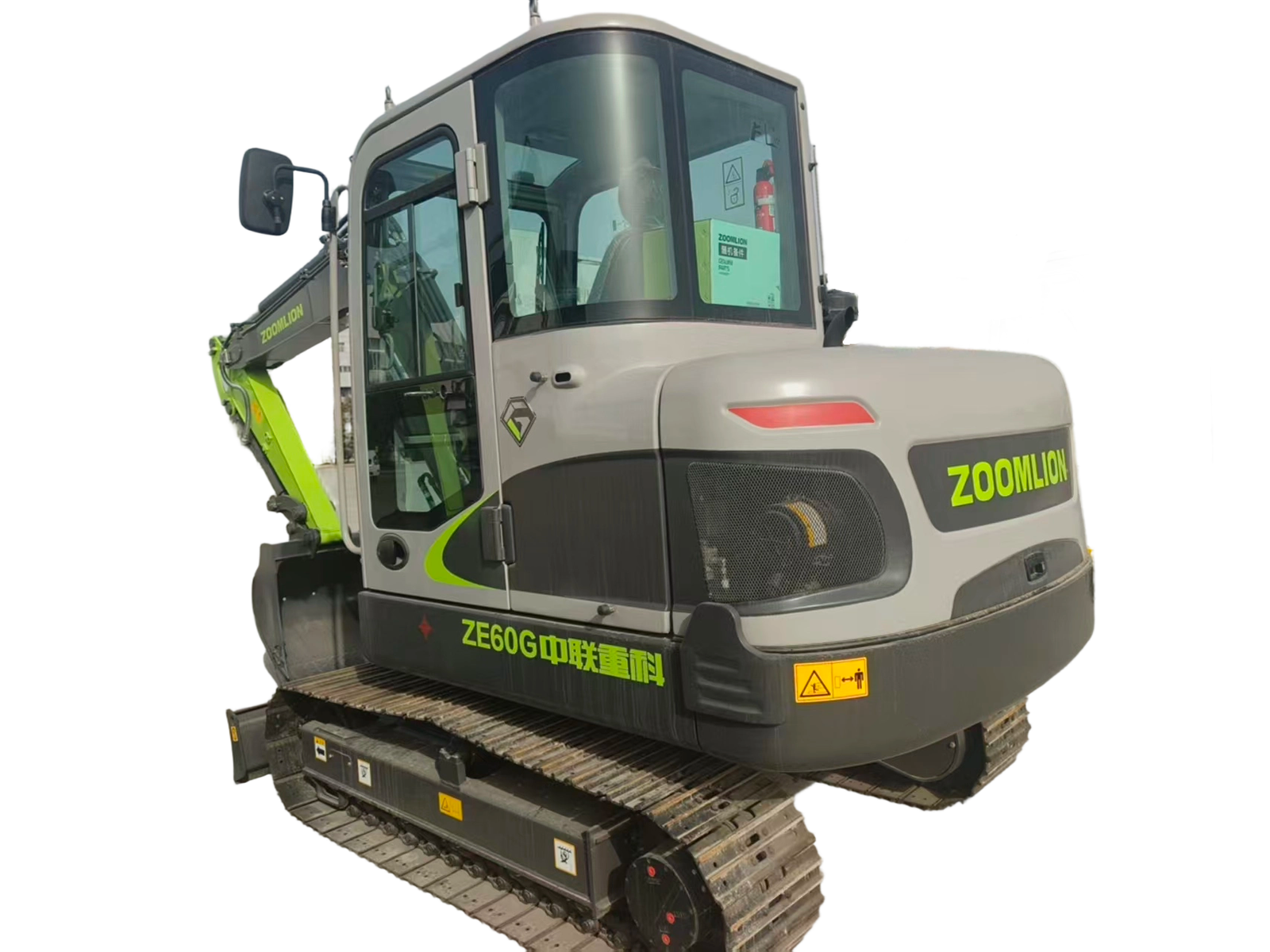
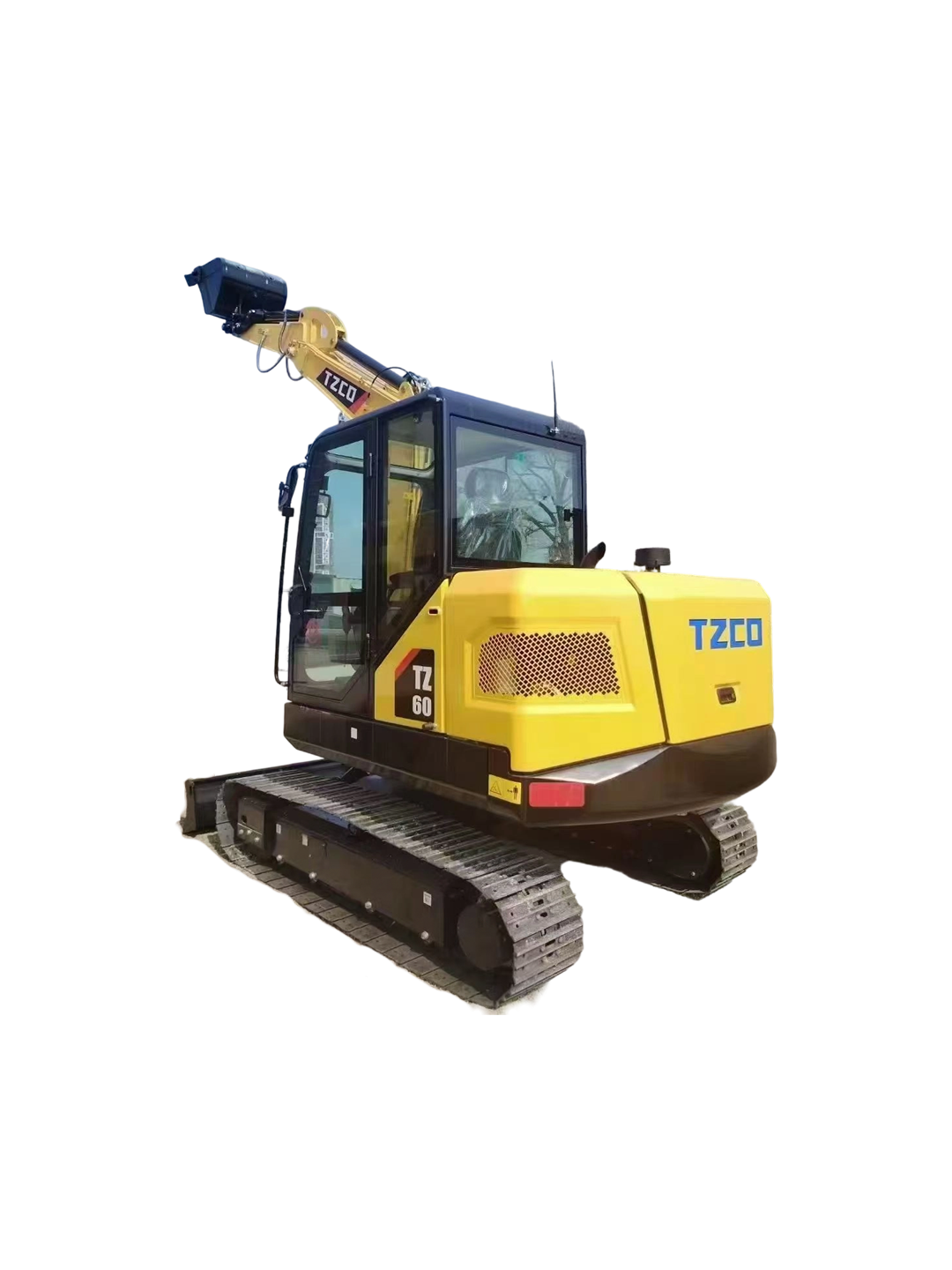
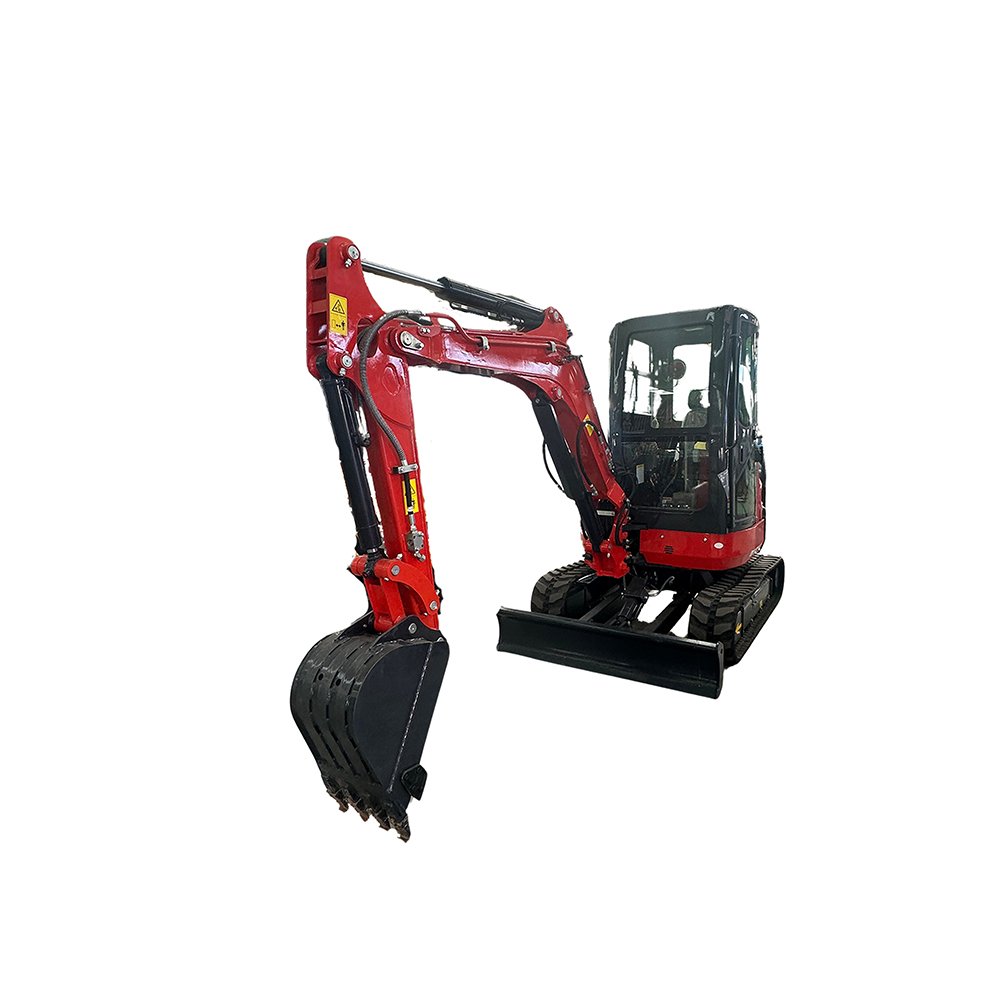
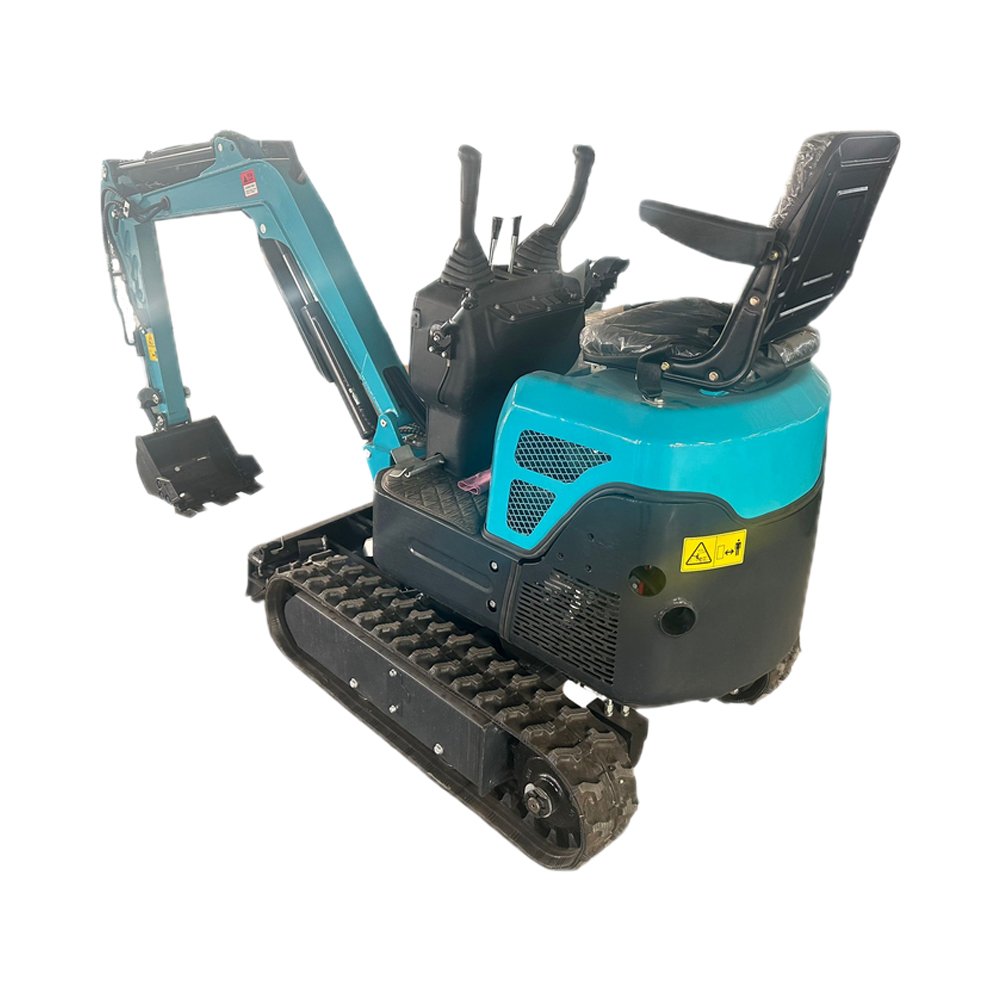
Mini Excavators (1–6 tons)
- Approximately $10,000 to $50,000
- Suitable for landscaping, utility work, and residential projects
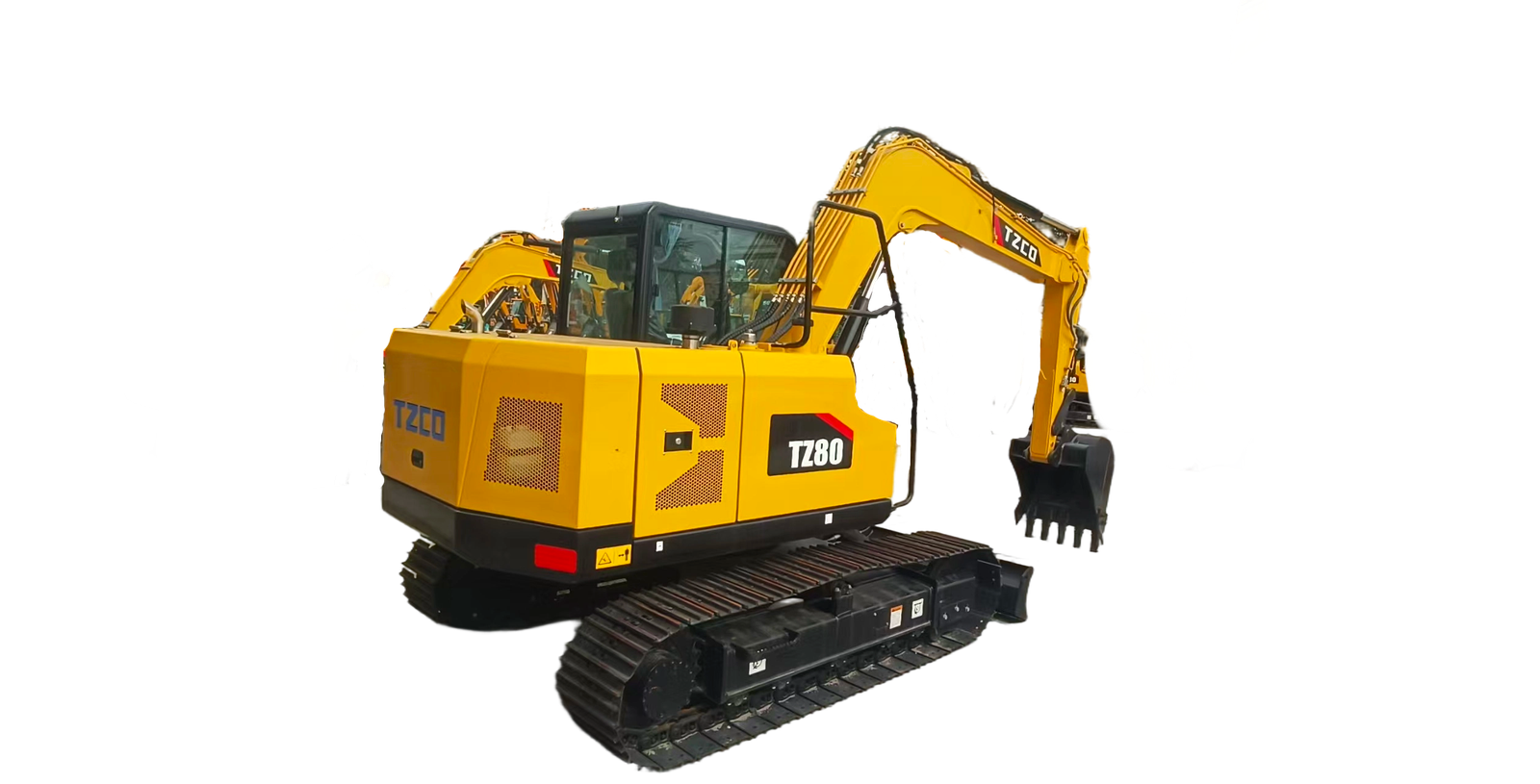
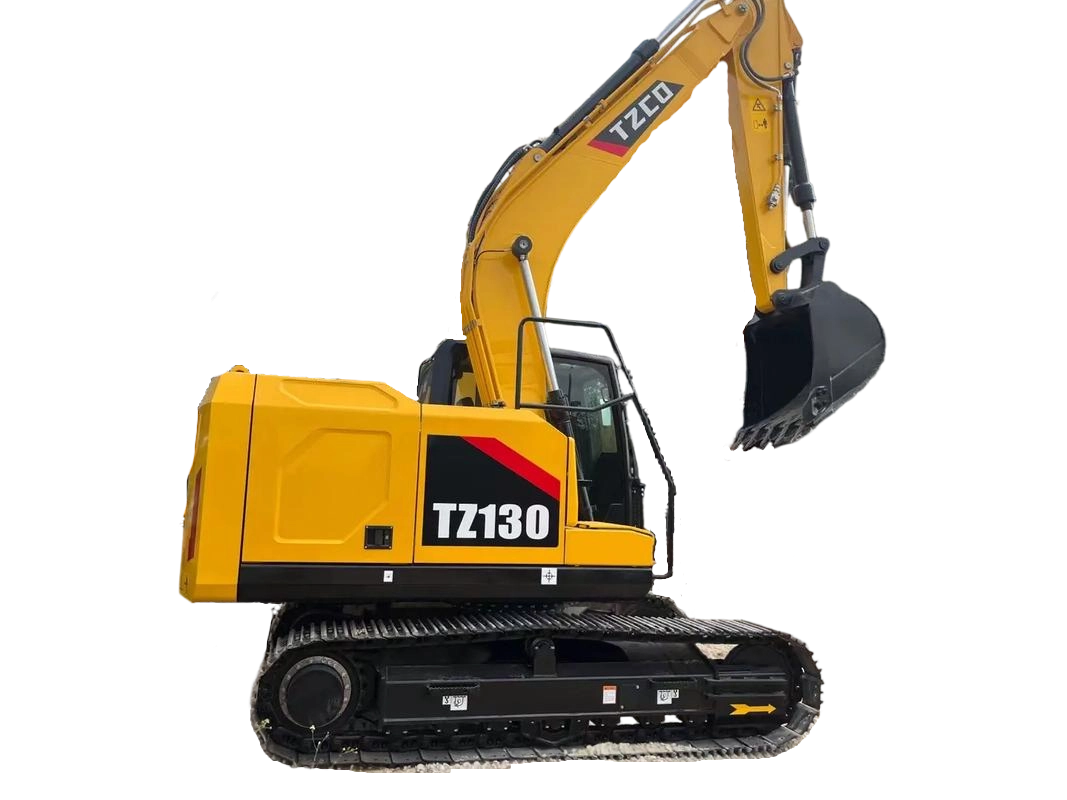
Medium Excavators (7–20 tons)
- Approximately $30,000 to $120,000
- Commonly used for general construction and earthmoving
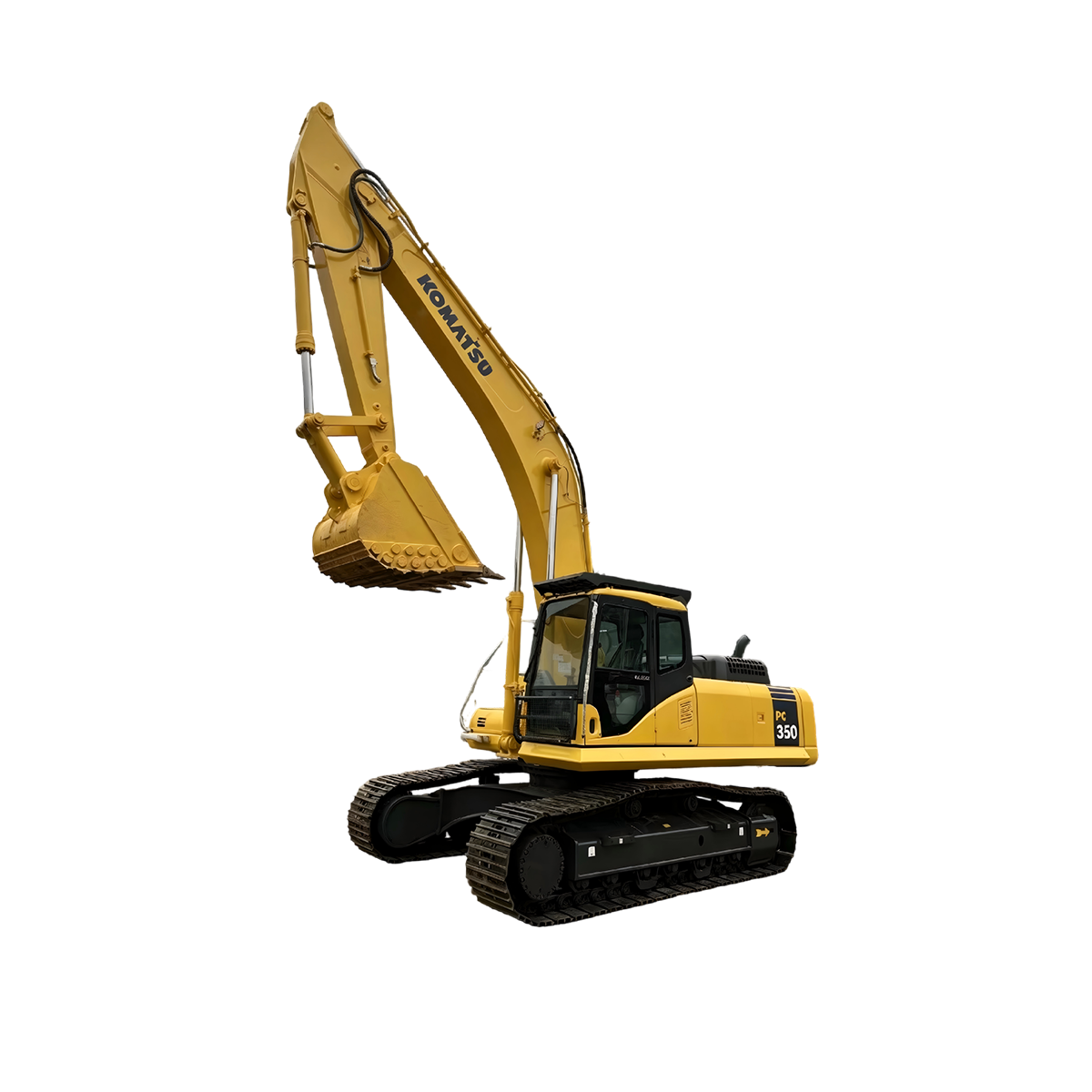
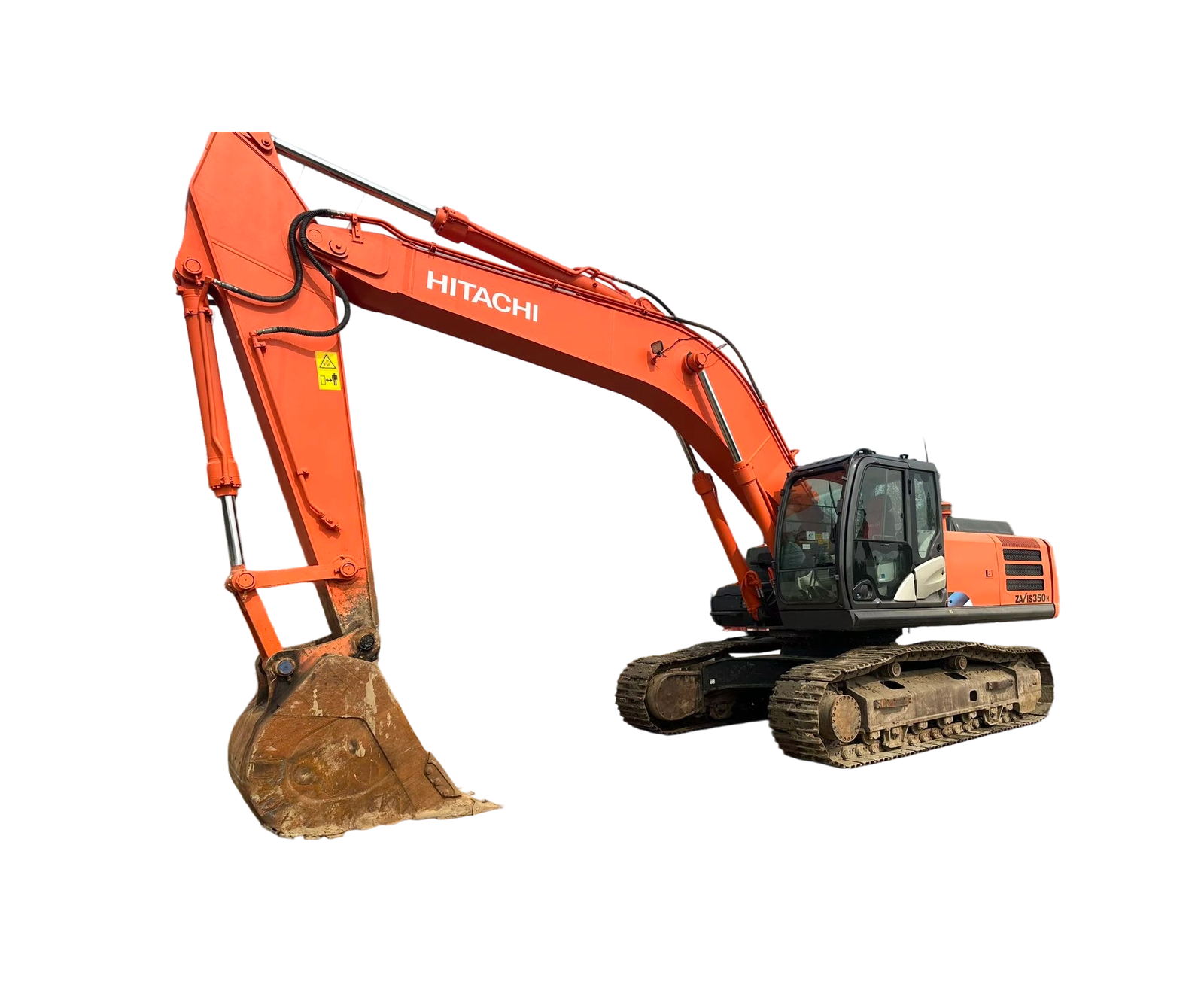
Large Excavators (20–50+ tons)
- Approximately $80,000 to $300,000 or more
- Designed for heavy construction, mining, and infrastructure projects
Actual pricing depends on machine condition, maintenance history, location, and current market demand.
Factors That Influence Second-Hand Excavator Prices
Several variables affect the value of a used excavator.
Understanding these factors helps buyers evaluate whether a machine is priced competitively.
Machine Age
Age is one of the most obvious pricing factors.
Generally, newer machines command higher prices because they often feature:
- Updated technology
- Improved fuel efficiency
- Enhanced operator comfort
- Longer remaining service life
However, older excavators that have been properly maintained can still provide outstanding performance and value.
Many small businesses find that machines between three and eight years old offer an excellent balance between cost and reliability.
Operating Hours
Operating hours function similarly to mileage on a vehicle.
Excavators with lower hours often attract higher prices because they typically have experienced less wear.
General benchmarks include:
- Under 3,000 hours: Premium pricing
- 3,000–6,000 hours: Strong value range
- 6,000–10,000 hours: Budget-friendly options
- Over 10,000 hours: Requires careful inspection
Operating hours should always be considered alongside maintenance history and overall machine condition.
Maintenance and Service Records
A well-documented maintenance history can significantly influence market value.
Buyers often prefer equipment that includes records showing:
- Scheduled servicing
- Oil changes
- Hydraulic maintenance
- Filter replacements
- Component inspections
- Major repairs
Consistent maintenance indicates responsible ownership and may increase buyer confidence.
Machine Condition
The physical condition of an excavator plays a major role in pricing.
Important areas to inspect include:
- Undercarriage
- Hydraulic system
- Engine performance
- Boom and arm structures
- Bucket condition
- Swing mechanism
- Tracks or tires
- Cab interior
Machines that show signs of professional care typically retain higher resale value.
Brand Reputation and Market Demand
Some manufacturers are known for producing durable equipment with strong parts availability and service support.
Factors that affect resale value include:
- Industry reputation
- Equipment reliability
- Dealer network coverage
- Spare parts accessibility
- Market popularity
Machines with strong industry recognition often maintain value more effectively over time.
Attachments and Accessories
Additional attachments can increase the overall value of a used excavator.
Popular attachments include:
- Hydraulic breakers
- Grapples
- Augers
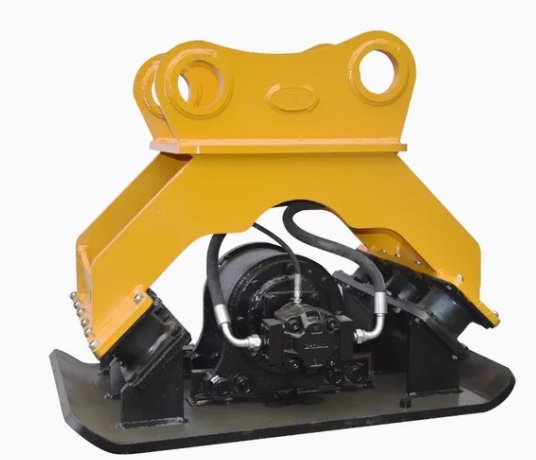
- Compactors
- Trenching buckets
- Grading buckets
- Quick couplers
When included in the purchase price, these attachments can improve productivity and reduce future equipment expenses.
Regional Market Conditions
Local market conditions also influence second-hand excavator pricing.
Prices may vary depending on:
- Construction activity levels
- Infrastructure projects
- Equipment availability
- Seasonal demand
- Transportation costs
Businesses should compare multiple listings within their region to better understand prevailing market values.
Best Excavator Sizes for Small Businesses
Selecting the right machine size is just as important as evaluating price.
Mini Excavators
Mini excavators are ideal for:
- Residential landscaping
- Utility installation
- Small construction projects
- Urban job sites
Benefits include:
- Lower purchase costs
- Easy transportation
- Reduced fuel consumption
- Excellent maneuverability
Many small businesses begin fleet expansion with a compact excavator because of its versatility.
Mid-Size Excavators
Mid-size models provide greater digging power while maintaining operational flexibility.
Common applications include:
- Commercial construction
- Site preparation
- Roadwork
- Agricultural development
These machines often offer the best balance between productivity and affordability.
Large Excavators
Large excavators are suited for:
- Major infrastructure projects
- Quarry operations
- Heavy earthmoving
- Industrial construction
Although they require higher investment, they can deliver significant productivity gains on large-scale projects.
Financing Considerations for Small Businesses
Many equipment dealers and financial institutions offer financing options for used machinery.
Potential benefits include:
- Improved cash flow management
- Preservation of working capital
- Flexible repayment terms
- Easier fleet expansion
Before financing a second-hand excavator, businesses should evaluate ownership costs, projected utilization rates, and expected project demand.
Cost of Ownership Beyond Purchase Price
The purchase price is only one part of total ownership cost.
Additional considerations include:
- Fuel consumption
- Routine maintenance
- Replacement parts
- Transportation
- Insurance
- Operator training
- Storage expenses
Calculating total ownership costs helps ensure long-term profitability.
Tips for Finding the Best Value
Small businesses can maximize value by following several best practices.
Recommended steps include:
- Conduct thorough inspections
- Review maintenance records
- Compare multiple listings
- Evaluate operating hours
- Verify attachment condition
- Consider future parts availability
- Assess project requirements carefully
A systematic buying process often leads to better long-term outcomes.
The Growing Demand for Used Excavators
Global construction and infrastructure development continue to drive demand for second-hand equipment.
Businesses increasingly recognize that quality used excavators can offer:
- Strong operational performance
- Lower investment risk
- Faster equipment acquisition
- Improved project flexibility
As a result, the used equipment market remains an important resource for companies seeking cost-effective solutions.
A second-hand excavator can be an excellent investment for small businesses seeking reliable equipment without the higher cost of purchasing new machinery. Understanding the factors that influence pricing—including age, operating hours, maintenance history, condition, attachments, and regional demand—helps buyers make informed decisions.
Whether selecting a compact mini excavator for landscaping projects or a larger machine for commercial construction, careful evaluation is essential for maximizing value and operational efficiency. By focusing on total ownership costs and long-term business goals, small companies can find used excavators that support growth, productivity, and profitability for years to come.