








Industry News
Wheel Loader Rental Checklist: What to Inspect Before Delivery
May
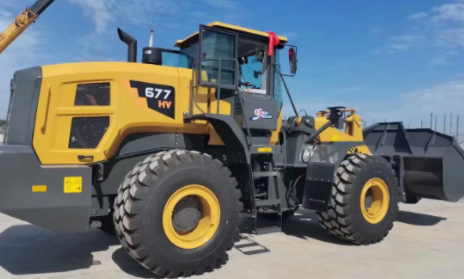
Wheel loaders are among the most versatile and productive pieces of equipment used across construction, mining, landscaping, agriculture, waste management, and material handling industries. Renting a wheel loader offers businesses a flexible and cost-effective solution for short-term projects, seasonal demands, and specialized applications without the significant capital investment associated with purchasing equipment.
However, the success of any rental project depends on receiving a machine that is safe, reliable, and ready for immediate operation. Conducting a thorough inspection before delivery helps ensure maximum productivity, minimizes downtime, and allows operators to begin work with confidence.
This wheel loader rental checklist outlines the key components, systems, and documentation that should be inspected before equipment arrives on-site.
Why Pre-Delivery Inspection Matters
A pre-delivery inspection is an essential step in equipment rental management. It helps verify that the machine meets project requirements and is prepared to perform efficiently under site conditions.
Benefits of a thorough inspection include:
- Improved operational efficiency
- Enhanced workplace safety
- Reduced project delays
- Better equipment performance
- Increased operator confidence
- Compliance with site requirements
Taking the time to evaluate the loader before delivery can contribute significantly to project success.
Verify Machine Specifications
Before inspecting the physical condition of the wheel loader, confirm that the machine specifications match project needs.
Important specifications include:
- Operating weight
- Bucket capacity
- Engine power
- Lift height
- Dump clearance
- Load capacity
- Tire configuration
- Attachment compatibility
Selecting the appropriate machine size helps maximize productivity while maintaining efficiency on the job site.
Inspect the Exterior Condition
The overall appearance of the wheel loader can provide valuable insight into how well the machine has been maintained.
Check for:
- Cleanliness
- Structural integrity
- Signs of professional maintenance
- Secure body panels
- Properly installed guards
- Visible damage assessment
A well-maintained machine often reflects a strong commitment to equipment care and reliability.
Examine the Bucket and Attachments
The bucket is one of the most heavily used components on a wheel loader.
Inspect the bucket for:
- Excessive wear
- Cracks
- Secure mounting points
- Proper cutting edge condition
- Smooth movement
If additional attachments are included, inspect:
- Forks
- Grapples
- Snow pushers
- Material handling tools
- Quick coupler systems
Verify that all attachments are compatible with the machine and intended application.
Check Hydraulic Systems
Hydraulic performance directly impacts the productivity of a wheel loader.
Inspect the hydraulic system for:
- Clean hydraulic lines
- Secure hose connections
- Proper cylinder operation
- Smooth lifting performance
- Consistent bucket movement
- Visible fluid levels
Hydraulic components should operate smoothly without unusual resistance or delays.
Inspect Tires and Wheels
Tires significantly influence machine stability, traction, and operating efficiency.
Evaluate:
- Tire tread depth
- Even wear patterns
- Sidewall condition
- Proper inflation
- Wheel integrity
- Lug nut security
Proper tire condition contributes to safer operation and improved fuel efficiency.
Review Engine Performance
The engine serves as the heart of the wheel loader.
Before delivery, inspect:
- Engine startup performance
- Idle stability
- Acceleration response
- Exhaust condition
- Fluid levels
- Cooling system components
A properly functioning engine ensures reliable power output throughout the rental period.
Evaluate the Transmission System
The transmission plays a critical role in loader performance.
Check:
- Smooth gear engagement
- Forward and reverse operation
- Travel speed consistency
- Response under load
- Transmission fluid condition
Reliable transmission performance helps maintain productivity across different work environments.
Inspect Steering and Braking Systems
Safe machine operation depends heavily on steering and braking functionality.
Verify:
- Smooth steering response
- Proper articulation movement
- Brake pedal operation
- Parking brake functionality
- Emergency stopping capability
These systems should respond consistently and predictably under all operating conditions.
Test Electrical Components
Modern wheel loaders rely on numerous electrical systems for operation and safety.
Inspect:
- Battery condition
- Instrument panel displays
- Lighting systems
- Backup alarms
- Warning indicators
- Work lights
- Wiring condition
Fully functional electrical systems support both safety and machine efficiency.
Examine Operator Cab Conditions
A comfortable operator environment contributes directly to productivity and safety.
Inspect the cab for:
- Clean interior surfaces
- Comfortable seating
- Adjustable controls
- Functional HVAC systems
- Clear visibility
- Intact mirrors
- Proper windshield condition
Operator comfort becomes particularly important during extended work shifts.
Verify Safety Features
Safety systems should be thoroughly inspected before equipment deployment.
Review:
- Seat belts
- Emergency exits
- Fire extinguisher availability
- Safety decals
- Horn operation
- Backup warning systems
- Handrails and steps
A complete safety inspection helps support a safe and compliant work environment.
Check Fluid Levels and Maintenance Records
Routine maintenance is critical for wheel loader reliability.
Verify:
- Engine oil levels
- Hydraulic fluid levels
- Coolant levels
- Brake fluid condition
- Fuel system status
In addition, request maintenance records to confirm regular servicing and preventive maintenance activities.
Review Telematics and Monitoring Systems
Many modern wheel loaders include telematics technologies that provide valuable operational insights.
Features may include:
- Fuel monitoring
- Location tracking
- Utilization reporting
- Maintenance scheduling
- Performance analytics
These tools can help improve fleet management and operational efficiency throughout the rental period.
Confirm Delivery Logistics
Successful equipment deployment requires proper delivery planning.
Before delivery, confirm:
- Delivery schedule
- Site access requirements
- Transportation arrangements
- Unloading procedures
- Operator availability
- Attachment preparation
Clear communication helps ensure a smooth transition from delivery to operation.
Operator Training and Documentation
Even experienced operators benefit from reviewing machine-specific information.
Request:
- Operator manuals
- Safety instructions
- Maintenance guidelines
- Equipment specifications
- Attachment operating procedures
Proper documentation supports safe and efficient machine operation.
Seasonal and Jobsite Considerations
Different work environments may require additional inspection items.
For example:
Construction Sites
Focus on:
- Bucket performance
- Lift capacity
- Tire durability
Agricultural Operations
Evaluate:
- Attachment compatibility
- Maneuverability
- Fuel efficiency
Snow Removal Projects
Inspect:
- Snow attachments
- Lighting systems
- Cold-weather readiness
Tailoring inspections to the application improves equipment performance and project outcomes.
Benefits of a Comprehensive Inspection Checklist
A detailed inspection process offers several advantages:
- Better project planning
- Improved machine utilization
- Enhanced safety performance
- Greater operational reliability
- Increased equipment lifespan
- Stronger return on rental investment
Organizations that prioritize equipment inspections often experience smoother project execution and higher productivity.
Future Trends in Wheel Loader Rentals
Technology continues to improve rental equipment management.
Emerging trends include:
- Advanced telematics integration
- Predictive maintenance systems
- AI-powered diagnostics
- Remote fleet monitoring
- Electrified wheel loaders
- Smart safety technologies
These innovations are helping rental customers achieve greater efficiency and operational control.
A wheel loader rental represents a valuable investment in project productivity and operational flexibility. Conducting a thorough inspection before delivery ensures the machine arrives ready to perform safely, efficiently, and reliably.
By reviewing machine specifications, hydraulic systems, tires, engine performance, safety features, maintenance records, and operator resources, businesses can maximize the value of their rental equipment while minimizing potential disruptions.
A well-planned inspection process not only protects project schedules but also contributes to long-term operational success, making it an essential part of any wheel loader rental strategy.