








Industry News
How to Find the Best Deals on Used Kubota Excavator Models
May
The demand for compact and mid-sized excavators continues to grow across construction, landscaping, agriculture, utility work, and property development industries. Many contractors and equipment buyers are turning to used excavators as a cost-effective solution that provides reliable performance while reducing upfront investment costs.
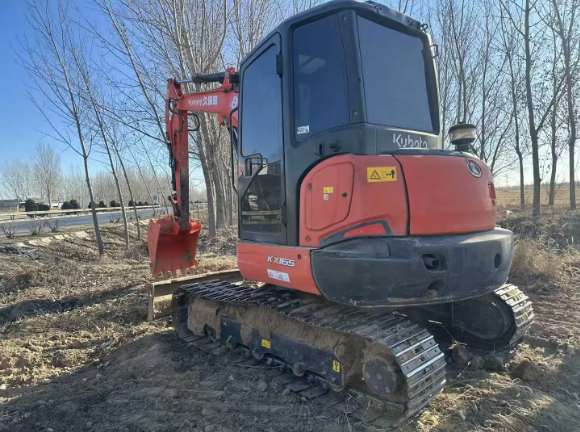
Used Kubota excavator models are especially popular because they are known for durability, fuel efficiency, compact design, and operator-friendly controls. Whether purchasing equipment for residential construction projects, farm work, trenching, or commercial landscaping, finding the right used excavator at the best value requires careful planning and informed decision-making.
This guide explains how to find the best deals on used Kubota excavator models, what factors affect pricing, where to search, how to evaluate machine condition, and how buyers can maximize long-term equipment value.
Why Used Kubota Excavators Are Popular
Kubota excavators have built a strong reputation in the compact equipment market because of their reliable engineering and versatility. Many contractors choose used Kubota models because they offer a balance of performance, efficiency, and manageable operating costs.
Popular advantages include:
- Compact size for tight job sites
- Smooth hydraulic performance
- Fuel-efficient engines
- Easy transportation
- Operator comfort
- Reliable digging capability
- Wide attachment compatibility
- Long equipment lifespan
Because many Kubota excavators maintain strong operational performance for years, the used equipment market remains highly active.
Benefits of Buying a Used Excavator
Purchasing a used excavator can provide several financial and operational advantages for businesses and independent operators.
Lower Initial Investment
Used equipment generally costs significantly less than new machinery, allowing buyers to allocate budget toward attachments, transportation, or additional equipment.
Reduced Depreciation
New heavy equipment typically experiences the highest depreciation during the early ownership period. Used excavators often retain value more steadily over time.
Faster Equipment Availability
Many used machines are immediately available, reducing waiting periods that can sometimes occur with factory orders.
Access to Higher Specifications
Some buyers may afford larger or more advanced models within their budget by purchasing used equipment instead of new machines.
Proven Performance History
Well-maintained used excavators often have documented service histories that help buyers evaluate reliability and previous usage conditions.
Determine the Right Excavator Size
Before searching for deals, buyers should first determine what excavator size best matches their intended projects.
Compact excavators are commonly used for:
- Residential landscaping
- Small trenching jobs
- Utility installations
- Backyard projects
- Farm maintenance
Mid-sized excavators may be better suited for:
- Commercial construction
- Large-scale excavation
- Roadwork
- Demolition support
- Heavy material handling
Selecting the correct size helps buyers avoid overspending on unnecessary capacity while ensuring the machine can handle expected workloads efficiently.
Research Popular Kubota Excavator Models
Understanding common Kubota excavator models helps buyers compare specifications, pricing, and equipment features more effectively.
Some buyers prioritize:
- Compact maneuverability
- Digging depth
- Hydraulic power
- Cab comfort
- Fuel efficiency
- Zero-tail swing capability
- Attachment versatility
Researching model specifications in advance allows buyers to narrow their search and focus on machines that align with operational needs.
Comparing operating weight, bucket capacity, lifting capability, and transport requirements can also help identify the most suitable machine.
Where to Find Used Kubota Excavator Deals
There are several reliable sources for locating used excavator inventory.
Equipment Dealerships
Authorized equipment dealers often provide inspected used inventory, financing options, and service support. Dealer inventory may include trade-in machines and certified used equipment.
Online Equipment Marketplaces
Digital equipment platforms allow buyers to compare multiple listings across different regions. Online searches make it easier to evaluate pricing trends and available inventory.
Construction Equipment Auctions
Auctions may provide opportunities to find competitively priced excavators. Buyers should research machine condition carefully before participating.
Local Contractors and Fleet Sales
Construction companies occasionally upgrade fleets and sell well-maintained used equipment directly.
Equipment Rental Companies
Rental fleets sometimes rotate inventory and sell excavators that have received regular maintenance and scheduled servicing.
Inspect Machine Condition Carefully
One of the most important steps when buying a used excavator is conducting a detailed equipment inspection.
Check Operating Hours
Machine hours provide insight into overall equipment usage. Lower hours often indicate less wear, although maintenance quality is equally important.
Examine Hydraulic Systems
Inspect hydraulic hoses, cylinders, and connections for leaks, cracks, or unusual wear.
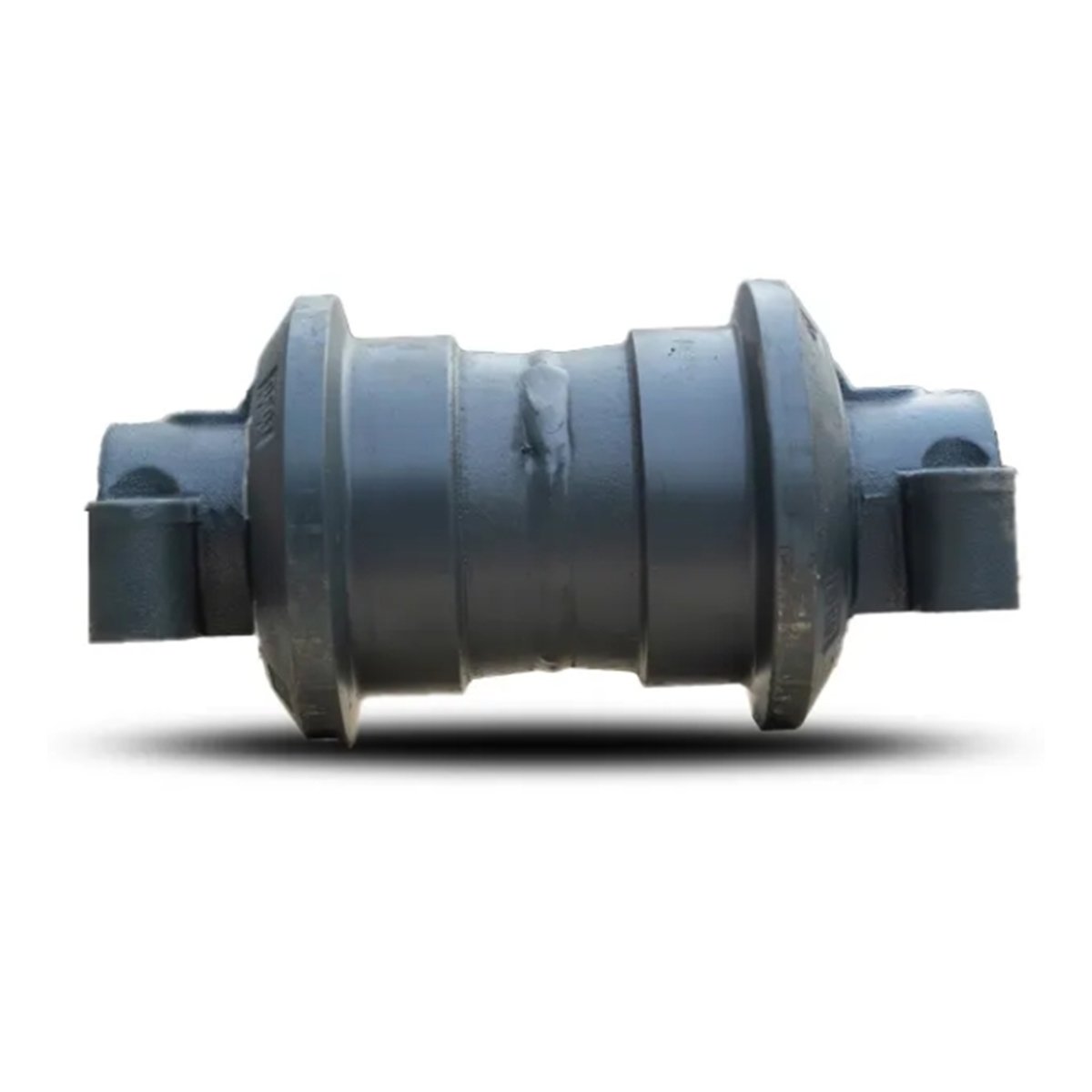
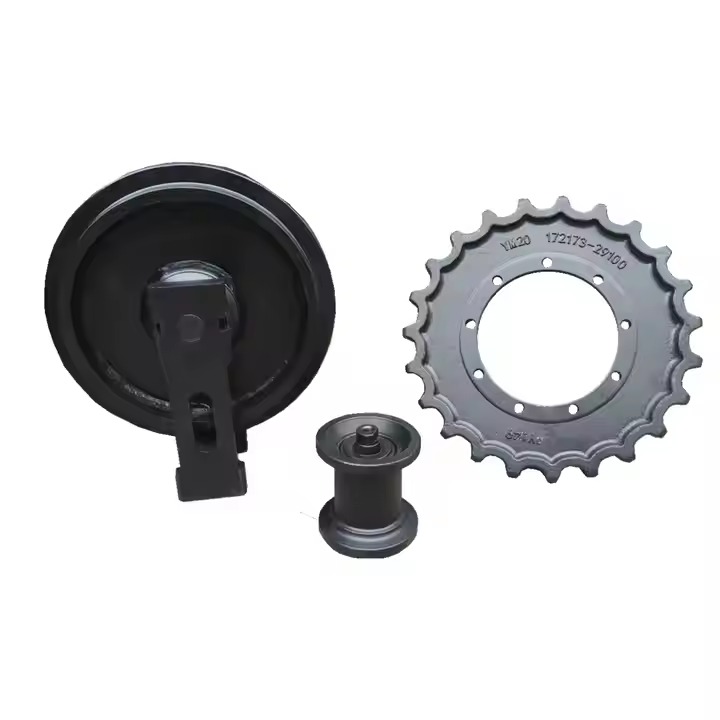
Inspect Tracks and Undercarriage
The undercarriage is one of the most expensive wear areas on an excavator. Buyers should inspect:
- Track condition
- Rollers
- Sprockets
- Idlers
- Track tension
Evaluate the Engine
Start the machine and observe engine performance. Smooth startup, stable idle, and responsive acceleration are positive signs.
Inspect the Cab and Controls
Operator comfort and control functionality affect productivity. Check:
- Seat condition
- Joystick response
- Instrument displays
- Air conditioning
- Visibility
Look for Service Records
Maintenance history helps confirm whether the machine received regular servicing and proper care.
Understand Pricing Factors
Several factors influence used excavator pricing.
Age of the Machine
Newer models generally command higher prices due to updated technology and lower wear levels.
Equipment Hours
Machines with lower operating hours often have higher market value.
Attachments Included
Additional buckets, hydraulic thumbs, breakers, augers, and specialty attachments can increase overall package value.
Regional Demand
Construction activity and local equipment demand may affect pricing in different markets.
Machine Condition
Well-maintained excavators with clean service histories typically achieve stronger resale value.
Compare Multiple Listings
Buyers should compare several listings before making a purchasing decision. Reviewing multiple options helps identify fair market pricing and better equipment value.
Important comparison areas include:
- Year model
- Operating hours
- Included attachments
- Overall condition
- Transportation costs
- Warranty options
- Maintenance records
Taking time to compare listings often leads to better long-term purchasing decisions.
Consider Transportation and Logistics
Excavator transportation costs can significantly affect total purchase expenses. Buyers should calculate:
- Delivery distance
- Shipping permits
- Trailer requirements
- Fuel costs
- Loading assistance
Compact excavators are often easier and more affordable to transport compared to larger construction equipment.
Financing Options for Used Excavators
Many equipment buyers use financing to improve cash flow flexibility.
Potential financing sources include:
- Equipment dealers
- Commercial lenders
- Equipment finance companies
- Agricultural financing providers
Financing approval may depend on:
- Business history
- Credit profile
- Equipment age
- Down payment amount
Carefully reviewing financing terms helps buyers manage long-term ownership costs more effectively.
Importance of Attachments
Attachments greatly expand excavator versatility and overall project capability.
Common excavator attachments include:
- Digging buckets
- Grading buckets
- Hydraulic thumbs
- Augers
- Breakers
- Rippers
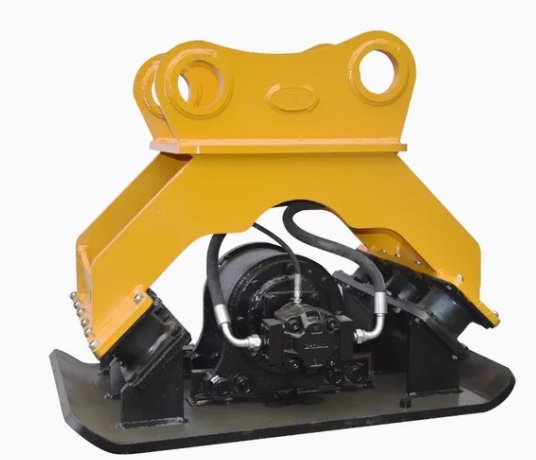
- Compactors
Machines that include multiple attachments may provide stronger operational value and reduce future equipment expenses.
Maintenance Tips After Purchase
Proper maintenance helps maximize excavator lifespan and long-term performance.
Recommended maintenance practices include:
- Regular fluid inspections
- Hydraulic system monitoring
- Track cleaning
- Scheduled lubrication
- Filter replacements
- Routine engine servicing
- Undercarriage inspections
Consistent maintenance improves productivity, reliability, and resale value.
Long-Term Value of Used Kubota Excavators
Many buyers choose used Kubota excavators because they often deliver dependable long-term performance with manageable maintenance requirements.
Well-maintained machines may continue operating efficiently for many years across landscaping, excavation, utility, and agricultural applications.
Strong parts availability and broad attachment compatibility also contribute to long-term ownership value.
For many businesses, a carefully selected used excavator represents an effective balance between affordability and productivity.
Finding the best deals on used Kubota excavator models requires careful research, equipment inspection, and long-term planning. Buyers should evaluate machine condition, operating hours, maintenance history, attachments, and transportation costs before making a purchase.
By comparing multiple listings and selecting equipment that matches operational needs, contractors and property owners can secure reliable machinery while controlling investment costs. With proper maintenance and informed purchasing decisions, used Kubota excavators can provide excellent long-term value and dependable performance across a wide range of construction and excavation projects.