









Industry News
How to Use a Backhoe and Avoid Common Mistakes

May
Backhoes are among the most versatile pieces of equipment used in construction, landscaping, agriculture, utility installation, and property development projects. Combining the capabilities of a loader and an excavator in one machine, a backhoe can perform digging, trenching, lifting, material handling, grading, and site preparation tasks efficiently.
Whether you are a new operator or someone looking to improve equipment productivity, understanding how to use a backhoe properly is essential. Safe operation, proper planning, and effective machine control can improve project efficiency, reduce equipment wear, and deliver better results. This guide explains how to use a backhoe effectively while highlighting best practices that help operators achieve professional-quality performance.
Understanding the Main Components of a Backhoe
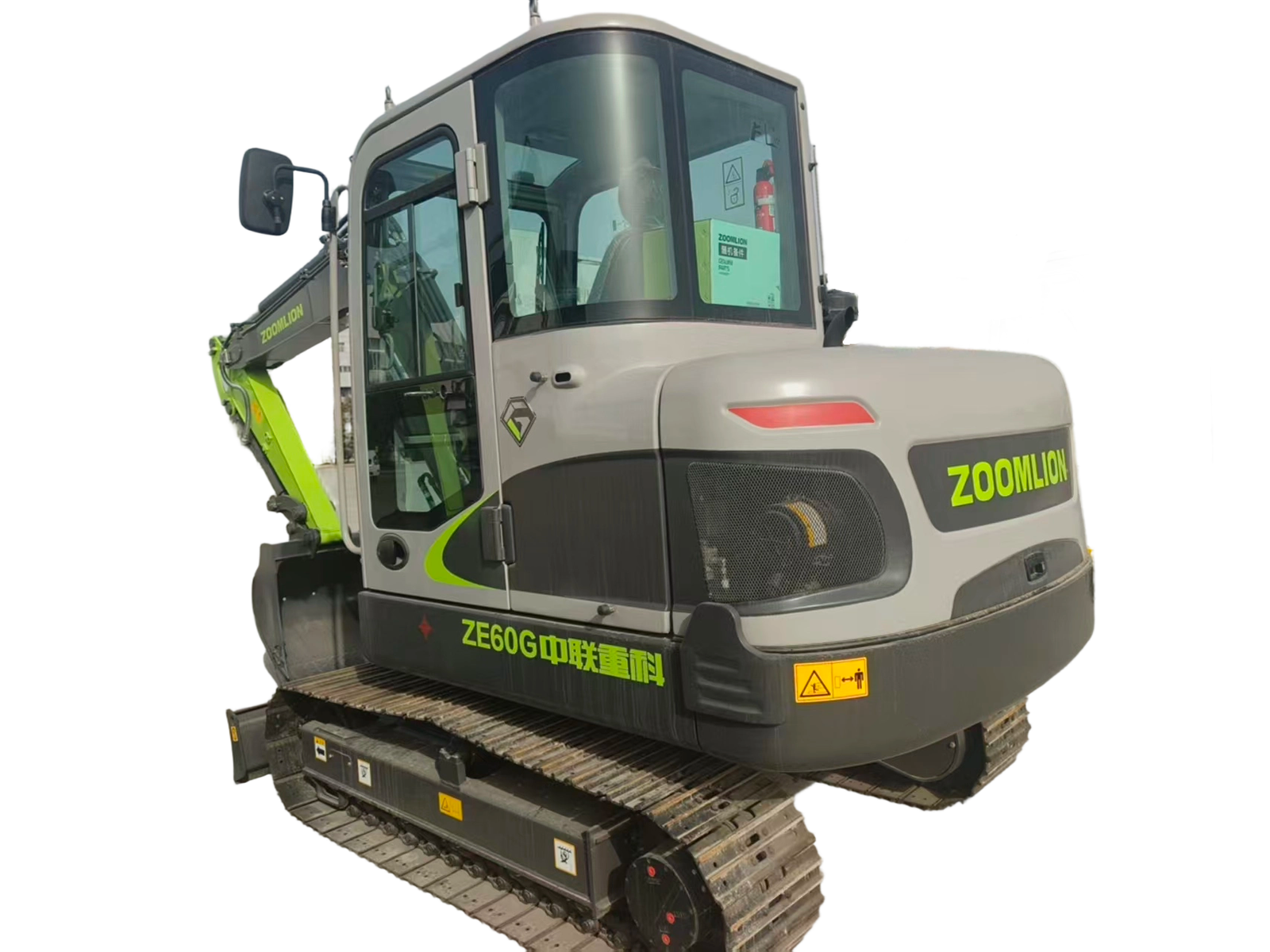
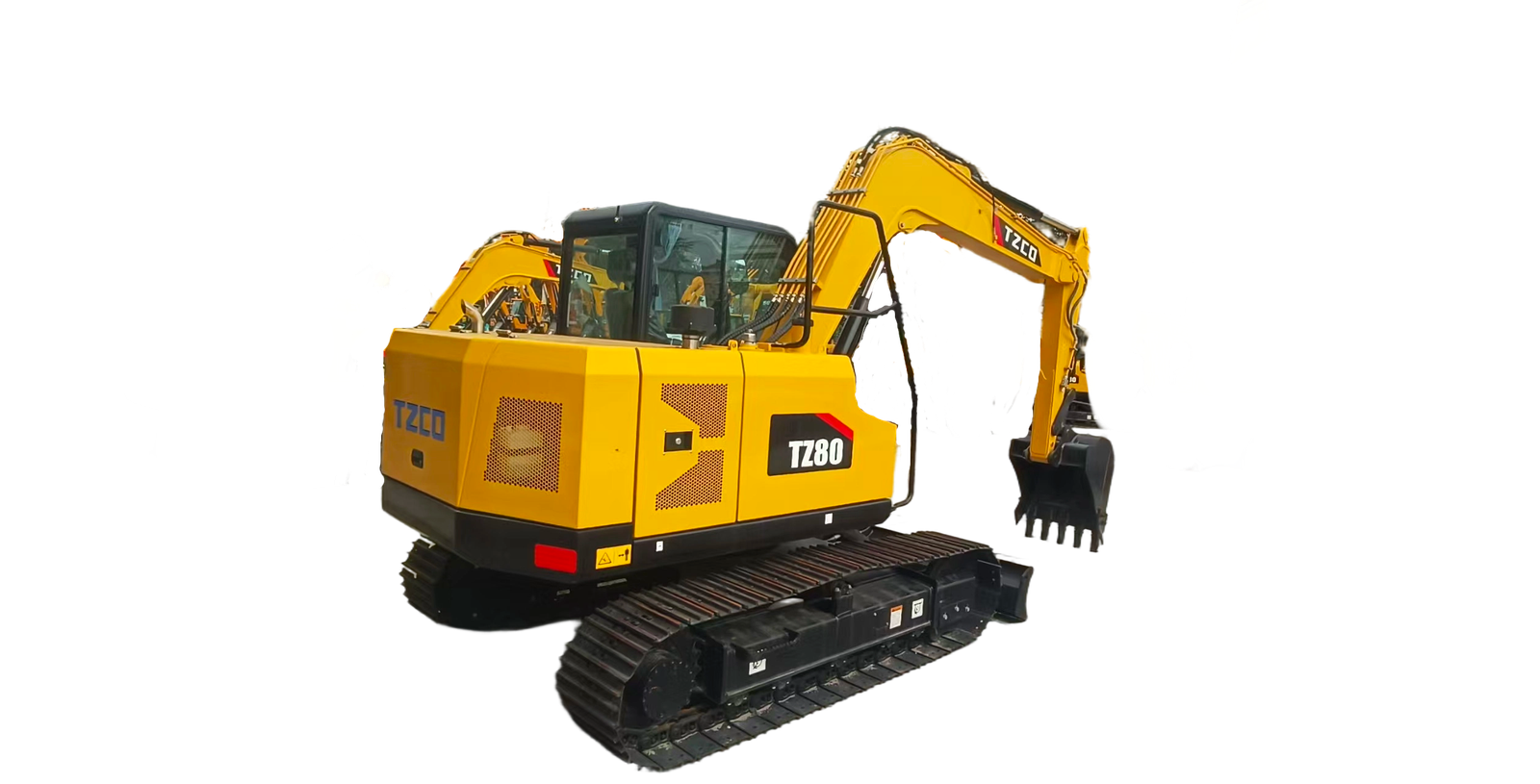
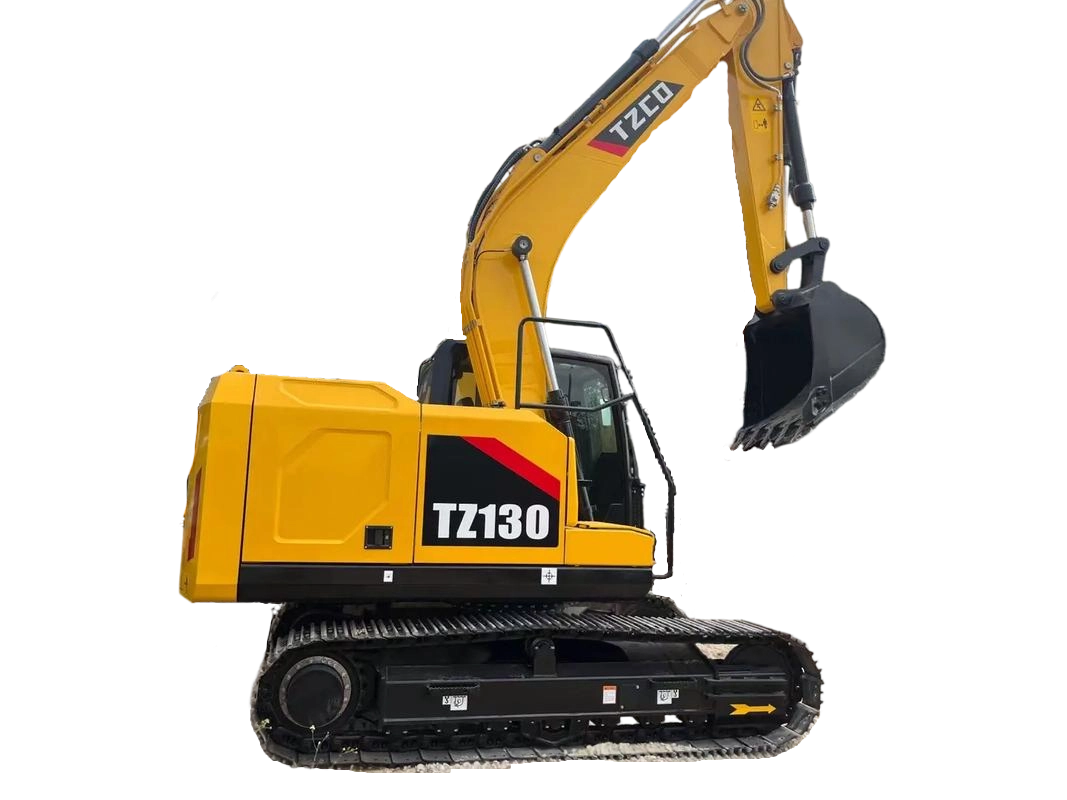
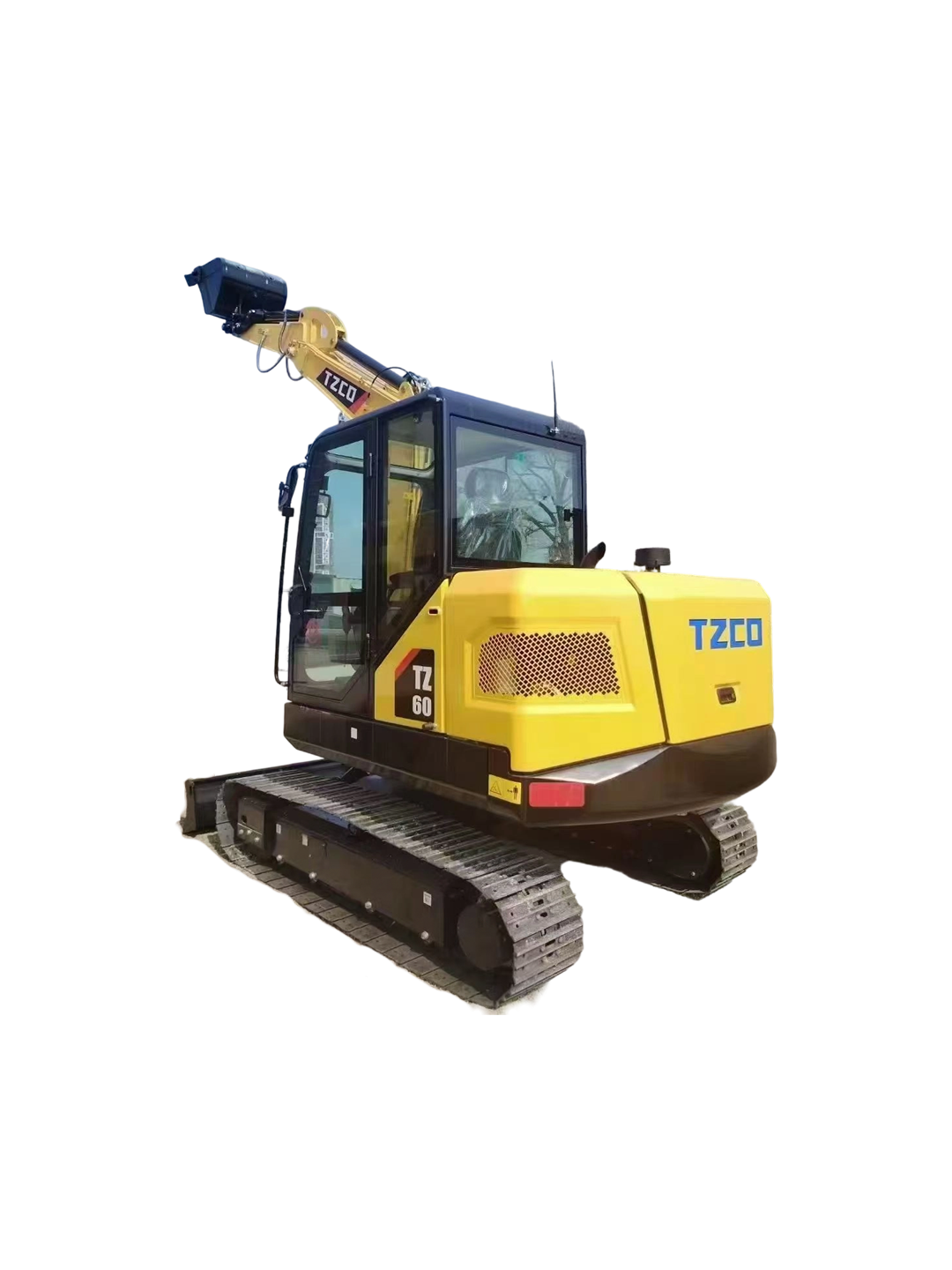
Before operating a backhoe, it is important to understand its primary components and their functions.
A typical backhoe consists of:
- Front loader bucket
- Rear backhoe attachment
- Boom
- Dipper arm
- Bucket
- Stabilizers
- Operator cab
- Hydraulic system
- Tires or tracks
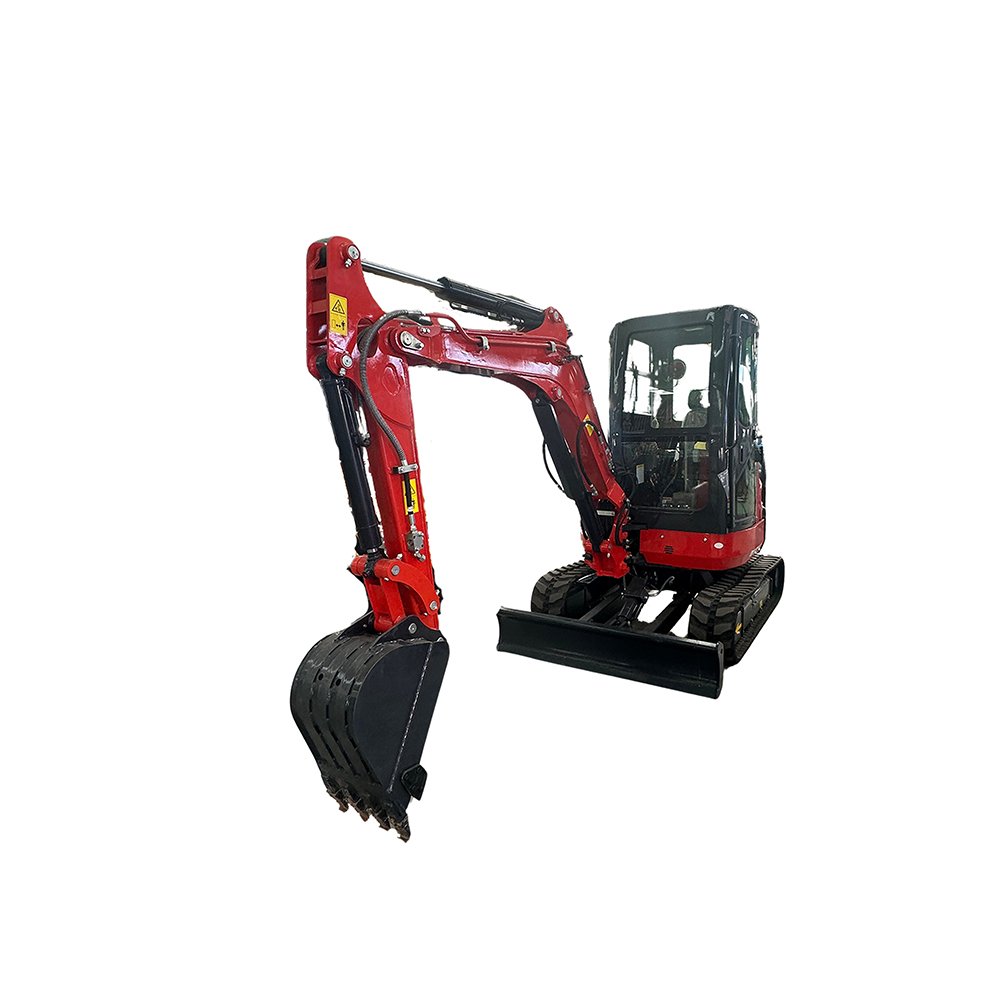
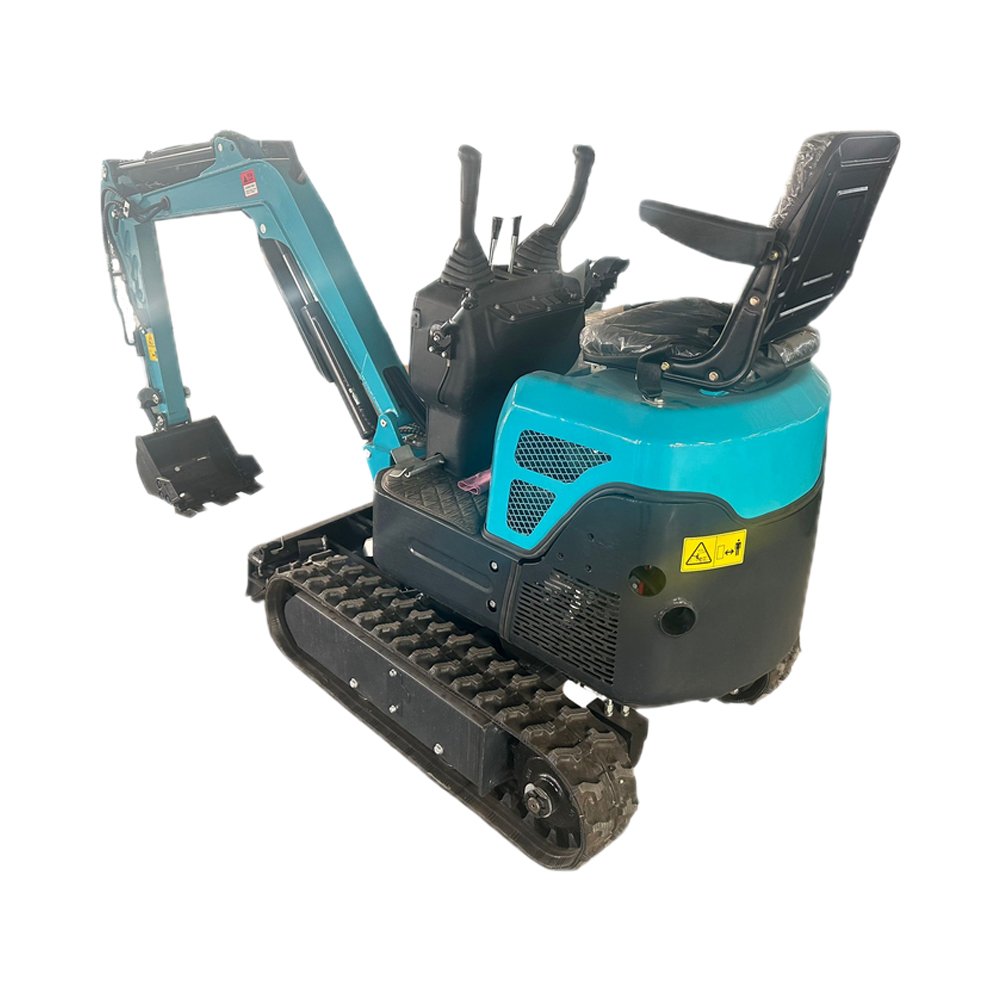
The front loader is generally used for moving materials, leveling surfaces, and loading trucks. The rear backhoe is designed for digging trenches, excavating foundations, and performing precision earthmoving tasks.
Familiarity with these components helps operators work more efficiently and maintain better machine control.
Conducting a Pre-Operation Inspection
A thorough inspection before operation helps ensure optimal machine performance.
Key inspection areas include:
- Hydraulic fluid levels
- Engine oil levels
- Coolant levels
- Tire condition
- Hydraulic hoses
- Bucket attachments
- Safety lights
- Warning indicators
- Stabilizers
- Operator controls
Routine inspections support equipment reliability and help identify maintenance needs before work begins.
Preparing the Job Site
Successful backhoe operation begins with proper site preparation.
Before starting work, operators should evaluate:
- Ground conditions
- Soil type
- Project layout
- Utility locations
- Access routes
- Material storage areas
- Equipment movement paths
A well-organized job site improves efficiency and allows operators to perform tasks with greater accuracy.
Learning Basic Backhoe Controls
Modern backhoes utilize hydraulic controls that allow precise movement of the boom, dipper arm, bucket, and stabilizers.
Operators should spend time becoming familiar with:
- Boom lifting and lowering
- Arm extension and retraction
- Bucket curling and dumping
- Swing functions
- Loader controls
- Stabilizer controls
Practicing control movements in an open area helps develop coordination and smooth operation techniques.
Positioning the Backhoe Correctly
Proper machine positioning is one of the most important factors in productive excavation.
When preparing to dig:
- Park on stable ground
- Lower stabilizers fully
- Level the machine
- Ensure sufficient working space
- Position the excavation area within the machine’s operating range
Good positioning minimizes unnecessary machine movement and improves digging efficiency.
Using Stabilizers Effectively
Stabilizers provide critical support during excavation operations.
Before digging, lower the stabilizers until they firmly contact the ground and help level the machine.
Proper stabilizer use offers several benefits:
- Improved stability
- Enhanced digging power
- Greater operator control
- Reduced machine movement
- Increased precision
Stable equipment contributes to smoother and more efficient operation.
Digging Techniques for Better Performance
Effective digging requires coordinated control of the boom, dipper arm, and bucket.
A common excavation process includes:
- Extend the dipper arm toward the digging area.
- Lower the bucket into the soil.
- Curl the bucket to collect material.
- Raise the boom smoothly.
- Swing the boom toward the spoil pile.
- Empty the bucket.
- Repeat the cycle consistently.
Smooth, controlled movements often improve productivity while reducing strain on hydraulic components.
Trenching with a Backhoe
Trenching is one of the most common backhoe applications.
To create accurate trenches:
- Establish clear trench lines
- Position the machine parallel to the trench path
- Maintain consistent bucket depth
- Monitor trench alignment regularly
- Remove excavated material efficiently
Careful trenching techniques help achieve uniform dimensions and improve project quality.
Utilizing the Front Loader Efficiently
The front loader expands the versatility of a backhoe significantly.
Common loader applications include:
- Moving soil
- Loading materials
- Backfilling trenches
- Grading surfaces
- Site cleanup
- Transporting aggregate
Operators should keep loads balanced and maintain smooth travel speeds when transporting materials.
Material Handling Best Practices
Backhoes are frequently used to lift and move materials around job sites.
For effective material handling:
- Use appropriate attachments
- Keep loads close to the machine
- Move slowly and steadily
- Maintain machine balance
- Monitor visibility continuously
Careful handling improves efficiency while protecting both equipment and materials.
Maintaining Proper Hydraulic Operation
Hydraulic systems are the foundation of backhoe performance.
To maximize efficiency:
- Operate controls smoothly
- Avoid abrupt movements
- Monitor hydraulic fluid levels
- Follow maintenance schedules
- Keep hydraulic components clean
Proper hydraulic system care contributes to consistent machine performance and extended equipment life.
Improving Fuel Efficiency
Efficient operation can help optimize fuel consumption.
Strategies include:
- Planning work sequences
- Reducing unnecessary travel
- Maintaining proper engine speed
- Performing regular maintenance
- Limiting excessive idle time
Well-planned operations often result in higher productivity and lower operating costs.
Working on Different Terrain Types
Backhoes frequently operate on a variety of surfaces and soil conditions.
Operators should adjust their techniques based on:
- Soft soil
- Compacted ground
- Rocky terrain
- Sloped areas
- Wet conditions
Understanding terrain characteristics helps improve machine control and work quality.
The Importance of Operator Training
Professional training plays a significant role in maximizing equipment performance.
Well-trained operators typically demonstrate:
- Better machine control
- Higher productivity
- Improved efficiency
- Greater precision
- Enhanced equipment care
Continuous learning helps operators adapt to evolving technologies and job site requirements.
Routine Maintenance for Long-Term Performance
Regular maintenance supports reliability and protects equipment investments.
Important maintenance tasks include:
- Lubricating moving parts
- Checking fluid levels
- Inspecting hydraulic systems
- Cleaning air filters
- Monitoring tire wear
- Examining bucket teeth
- Reviewing safety systems
A proactive maintenance program helps ensure consistent operation throughout the equipment lifecycle.
Choosing the Right Attachments
Many modern backhoes support a variety of attachments that expand machine capabilities.
Popular attachments include:
- Trenching buckets
- General-purpose buckets
- Hydraulic breakers
- Augers
- Grapples
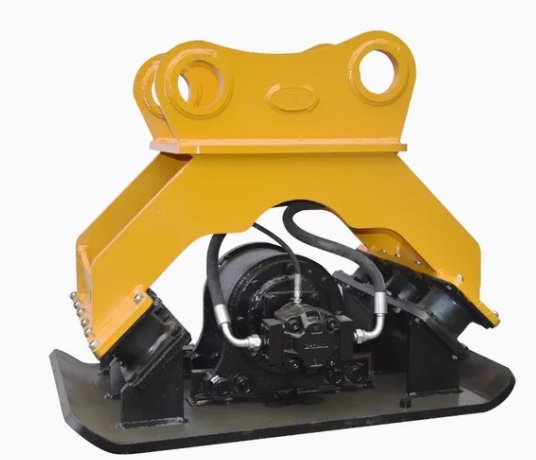
- Compactors
Selecting the proper attachment for each task improves productivity and project efficiency.
Enhancing Productivity Through Planning
Effective project planning can significantly improve backhoe performance.
Successful operators often:
- Review project requirements beforehand
- Organize material placement
- Minimize machine repositioning
- Schedule tasks logically
- Coordinate equipment movements
Thoughtful planning reduces downtime and supports smoother operations.
Learning how to use a backhoe effectively involves more than simply operating the controls. Success depends on understanding machine functions, preparing the job site, maintaining equipment properly, and applying efficient operating techniques.
By focusing on proper positioning, smooth hydraulic control, effective digging practices, and routine maintenance, operators can maximize productivity while achieving high-quality project results. As construction and earthmoving projects continue to evolve, mastering backhoe operation remains an essential skill that contributes to efficiency, reliability, and long-term equipment performance.