








Industry News
Skid Steer Loader vs. Compact Track Loader: Which One Should You Buy?
May
Choosing the right compact construction equipment is an important decision for contractors, landscapers, farmers, property developers, and equipment fleet managers. Among the most popular options available today are skid steer loaders and compact track loaders. Both machines offer impressive versatility, excellent maneuverability, and compatibility with a wide range of attachments. However, their performance characteristics differ in ways that can significantly impact productivity, efficiency, and long-term value.
Understanding the differences between a skid steer loader and a compact track loader is essential before making a purchase. The best choice depends on your work environment, operating conditions, project requirements, and business goals.
This guide compares both machine types in detail to help buyers make an informed investment decision.
Understanding Skid Steer Loaders
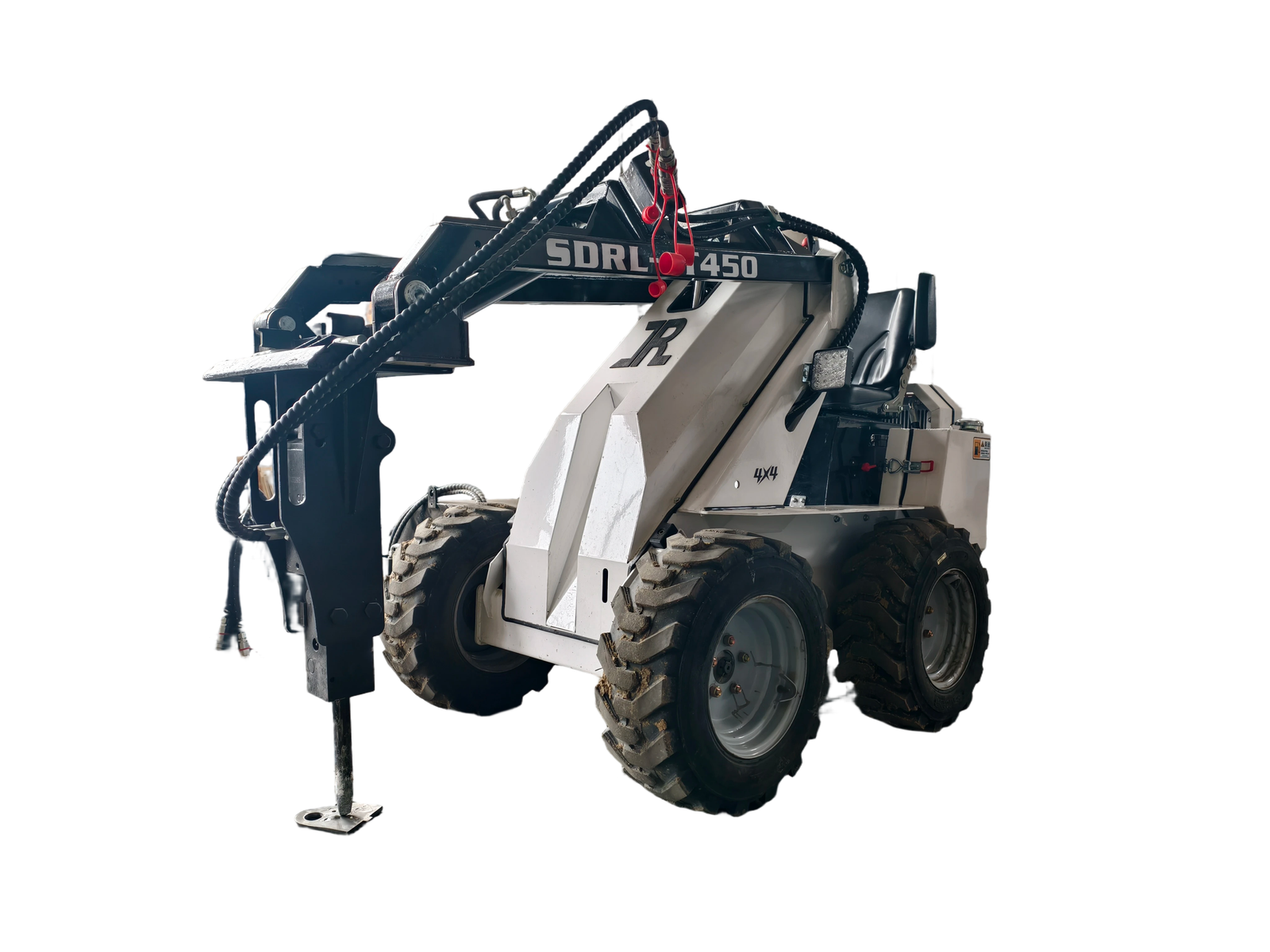
A skid steer loader is a compact machine equipped with four wheels and a rigid frame. It turns by varying the speed of the wheels on each side, allowing the machine to pivot within its own footprint.
This unique steering mechanism makes skid steer loaders highly maneuverable in confined spaces.
Common applications include:
- Construction projects
- Material handling
- Site preparation
- Landscaping
- Snow removal
- Agricultural operations
- Warehouse yard work
Their compact size and agility make them a valuable asset for projects where space is limited.
Understanding Compact Track Loaders
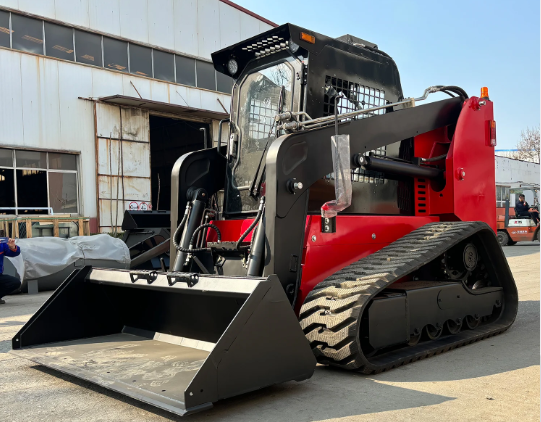
A compact track loader shares many design similarities with a skid steer loader but uses rubber tracks instead of wheels.
The track system distributes machine weight across a larger surface area, helping improve traction and flotation on various terrains.
Compact track loaders are frequently used for:
- Earthmoving projects
- Land clearing
- Forestry applications
- Site development
- Utility installation
- Soft-ground construction
- Large landscaping projects
Their ability to operate efficiently across challenging surfaces makes them highly versatile in outdoor environments.
Maneuverability and Jobsite Access
One of the primary strengths of a skid steer loader is maneuverability.
Because the machine can rotate within its own footprint, operators can navigate tight spaces with ease.
This advantage is particularly valuable for:
- Urban construction sites
- Residential projects
- Interior demolition
- Material yards
- Equipment storage facilities
Compact track loaders also offer excellent maneuverability but generally require slightly more turning space due to their track systems.
For operations that involve frequent movement in restricted areas, skid steer loaders often provide exceptional efficiency.
Performance on Different Ground Conditions
Ground conditions play a major role when selecting equipment.
Skid steer loaders perform exceptionally well on:
- Concrete surfaces
- Asphalt pavements
- Compacted gravel
- Hard-packed soil
- Industrial yards
Compact track loaders excel on:
- Soft soil
- Muddy terrain
- Sandy surfaces
- Uneven ground
- Wet conditions
The larger contact area created by tracks helps reduce ground pressure and improves machine stability.
For projects involving diverse terrain conditions, compact track loaders provide outstanding adaptability.
Traction and Stability
Traction directly affects machine performance and productivity.
Compact track loaders generally offer superior traction due to their continuous track systems. This additional grip helps maintain performance when working on slopes or loose surfaces.
Benefits include:
- Enhanced climbing capability
- Improved pushing power
- Better material handling performance
- Increased stability on uneven terrain
Skid steer loaders also provide reliable traction on firm surfaces and can deliver impressive performance in many applications.
The ideal choice depends largely on the typical conditions of the jobsite.
Ground Pressure and Surface Protection
Ground pressure refers to how much machine weight is applied to the surface below.
Compact track loaders distribute weight more evenly, which can help preserve sensitive ground surfaces.
This characteristic is particularly beneficial for:
- Landscaping projects
- Turf management
- Agricultural operations
- Residential developments
- Parks and recreational areas
Skid steer loaders exert more concentrated ground pressure through their tires, making them highly effective on durable surfaces such as concrete and pavement.
Choosing the right machine can help optimize site conditions and project outcomes.
Operating Comfort and Productivity
Operator comfort contributes significantly to overall productivity.
Modern skid steer loaders and compact track loaders offer advanced cab designs featuring:
- Ergonomic controls
- Climate control systems
- Enhanced visibility
- Suspension seating
- User-friendly interfaces
Compact track loaders often provide a smoother ride on rough terrain because tracks absorb ground irregularities more effectively.
This can help improve operator comfort during extended work periods.
Skid steer loaders also deliver excellent comfort levels, particularly when operating on smooth and stable surfaces.
Attachment Compatibility
Both machine types are known for their exceptional versatility.
Common attachments include:
- Buckets
- Pallet forks
- Augers
- Grapples
- Trenchers
- Snow pushers
- Brush cutters
- Hydraulic breakers
The ability to switch attachments quickly allows operators to perform multiple tasks using a single machine.
Whether choosing a skid steer loader or compact track loader, attachment compatibility significantly increases equipment value and utilization.
Transportation and Mobility
Transportation efficiency is an important factor for contractors managing multiple jobsites.
Skid steer loaders generally offer advantages in:
- Ease of transport
- Trailer compatibility
- Quick relocation
- Reduced transport complexity
Their lighter weight often simplifies logistics and equipment movement between projects.
Compact track loaders may require additional transport considerations due to their larger operating weight, but they remain highly portable compared to larger construction equipment.
Maintenance Considerations
Routine maintenance is essential for maximizing machine performance and longevity.
Skid steer loaders typically feature:
- Simple tire maintenance
- Easy service access
- Efficient daily inspections
Compact track loaders require maintenance of both the undercarriage and track systems in addition to standard machine servicing.
Regardless of machine type, following manufacturer maintenance schedules supports reliable operation and long-term productivity.
Cost Considerations and Long-Term Value
Investment decisions should consider both acquisition costs and operational value.
Factors influencing ownership value include:
- Project requirements
- Annual machine utilization
- Attachment usage
- Ground conditions
- Productivity goals
Skid steer loaders often provide excellent value for operations focused on hard surfaces and confined work areas.
Compact track loaders may deliver significant advantages for projects involving challenging terrain, soft ground, and extensive earthmoving activities.
Evaluating expected workloads and jobsite conditions can help determine which machine offers the best return on investment.
Which One Should You Buy?
The ideal choice depends on your primary applications.
A skid steer loader may be an excellent option if you regularly work on:
- Concrete surfaces
- Asphalt lots
- Urban construction sites
- Tight working environments
- Material handling projects
A compact track loader may be a strong choice if your work frequently involves:
- Soft ground conditions
- Landscaping projects
- Site development
- Agricultural operations
- Uneven terrain
Both machines offer exceptional versatility, reliability, and productivity when matched to the right operating environment.
Skid steer loaders and compact track loaders are among the most versatile pieces of equipment available in today’s construction, landscaping, agricultural, and infrastructure industries. Each machine offers distinct advantages that make it suitable for specific applications and working conditions.
Skid steer loaders excel in maneuverability, transport convenience, and hard-surface performance, while compact track loaders provide outstanding traction, flotation, and stability on challenging terrain. By carefully evaluating project requirements, operating environments, and long-term business objectives, buyers can confidently select the machine that best supports their productivity goals and future growth.