








Industry News
How to Use a Backhoe Safely and Easily
May
Backhoes are among the most versatile machines used in construction, landscaping, agriculture, and utility projects. Their ability to dig, lift, move materials, and perform multiple tasks makes them valuable for both small and large job sites. Whether working on trenching projects, land preparation, road maintenance, or property improvements, a backhoe can improve productivity and efficiency.
Learning how to use a backhoe safely and easily is essential for operators who want to achieve smooth performance and reliable results. Modern backhoes are designed with user-friendly controls, advanced hydraulic systems, and improved operator comfort, making them easier to operate than ever before.
Understanding the machine’s basic functions, operating techniques, and maintenance practices can help beginners and experienced operators work more confidently and efficiently.
Understanding the Main Parts of a Backhoe
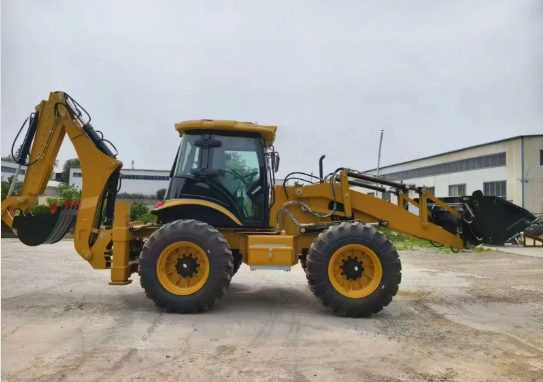
Before operating a backhoe, it is important to understand the machine’s major components and their functions. A standard backhoe typically combines a front loader and a rear excavating arm, allowing the machine to perform multiple tasks without changing equipment.
The front loader is used for lifting, carrying, pushing, and loading materials such as soil, gravel, and debris. It is commonly used for site cleanup and material transportation.
The rear digging arm includes the boom, dipper arm, and bucket. This section is primarily used for excavation, trenching, and digging operations.
Backhoes also include hydraulic stabilizers, which help improve balance and stability during digging activities. The operator cabin contains steering controls, joysticks, pedals, and monitoring systems that allow precise machine operation.
Understanding these components helps operators use the machine more effectively and safely.
Conducting a Pre-Operation Inspection
Performing a pre-operation inspection is an important step before starting any backhoe project. Regular inspections help ensure that the machine operates efficiently and remains in good condition.
Operators should check hydraulic fluid levels, engine oil, coolant, fuel supply, and tire condition before beginning work. Inspecting hoses, lights, mirrors, and attachments can also help identify maintenance needs early.
The work area should be reviewed carefully to ensure there are no unexpected obstacles, unstable ground conditions, or underground utilities.
Testing the controls and verifying that all systems are functioning properly can improve operational reliability and operator confidence.
Consistent inspections contribute to smoother machine performance and long-term equipment durability.
Starting and Positioning the Backhoe
Starting a backhoe properly helps ensure safe and efficient operation. Operators should always enter the cabin using the designated steps and handholds to maintain stability.
Once seated, adjusting mirrors, seat position, and controls can improve visibility and comfort during operation. Fastening the seatbelt is also an important safety practice.
After starting the engine, operators should allow the machine to warm up briefly before using hydraulic functions. Smooth and gradual control movements help prevent unnecessary wear and improve handling precision.
Positioning the backhoe on stable and level ground is especially important before digging operations begin. Proper positioning improves balance and enhances digging efficiency.
Using stabilizers correctly can further increase machine stability and provide smoother excavation performance.
Learning Basic Backhoe Controls
Modern backhoes use hydraulic joystick controls that allow operators to move the boom, bucket, and dipper arm with precision.
Learning the basic control layout is essential for beginners. Most machines use separate controls for lifting the boom, extending the arm, curling the bucket, and rotating the swing mechanism.
Practicing slow and controlled movements helps operators become familiar with machine response and hydraulic sensitivity.
Coordinating multiple movements smoothly is an important skill that develops with experience. Gentle operation not only improves accuracy but also reduces unnecessary stress on the machine.
Many training environments encourage operators to practice in open areas before moving to active job sites.
Safe Digging Techniques
Digging is one of the primary functions of a backhoe, and using proper techniques improves both safety and efficiency.
Operators should begin by lowering the stabilizers and positioning the bucket correctly before starting excavation. Gradual digging motions help maintain control and reduce soil resistance.
When trenching, keeping the machine aligned with the work area improves accuracy and minimizes repositioning time.
Avoiding sudden hydraulic movements can improve machine stability and produce cleaner excavation results.
Backhoes are often used for utility trenches, drainage systems, landscaping foundations, and agricultural projects, making precision and consistency important for quality work.
Understanding soil conditions can also help operators adjust digging techniques for better performance.
Using the Front Loader Efficiently
The front loader section of a backhoe is highly useful for transporting and moving materials around a job site.
Operators can use the loader to carry soil, gravel, sand, or construction materials efficiently. Proper bucket positioning improves balance and material retention during transportation.
Keeping loads low while moving helps maintain visibility and machine stability.
Smooth acceleration, braking, and turning techniques improve operational control and reduce wear on tires and hydraulic systems.
The front loader can also assist with grading, leveling, and site cleanup tasks, increasing the machine’s versatility.
Improving Operator Comfort and Productivity
Modern backhoes are designed with operator comfort in mind because comfortable operators often perform more efficiently during long working hours.
Features such as adjustable seats, ergonomic controls, climate-controlled cabins, and improved visibility help reduce fatigue and improve concentration.
Maintaining proper posture while operating the machine can also support long-term comfort and control precision.
Organized workflows and proper job planning further improve productivity by reducing unnecessary movements and repositioning.
Experienced operators often focus on smooth operation techniques that maximize fuel efficiency and minimize machine wear.
Importance of Regular Maintenance
Routine maintenance is essential for keeping a backhoe operating smoothly and reliably.
Daily cleaning helps remove dirt, mud, and debris that may affect moving components and hydraulic systems.
Lubricating pivot points, inspecting hydraulic hoses, and replacing filters according to maintenance schedules help extend machine lifespan.
Proper tire maintenance and regular fluid checks also contribute to better performance and fuel efficiency.
Well-maintained backhoes often experience improved reliability, lower operating costs, and longer service life.
Maintenance records can also help operators track equipment condition and plan future servicing efficiently.
Common Applications for Backhoes
Backhoes are widely used across many industries because of their versatility and efficiency.
In construction, they assist with excavation, trenching, demolition preparation, and site grading.
Landscaping professionals use backhoes for tree planting, drainage installation, and land shaping projects.
Agricultural operations often rely on backhoes for irrigation work, fence installation, and material handling.
Municipal and utility projects also benefit from backhoe capabilities for road repairs, underground cable work, and maintenance tasks.
The ability to switch between digging and loading functions makes backhoes highly practical for multi-purpose job sites.
Tips for Beginner Operators
New backhoe operators can improve their skills more quickly by focusing on gradual learning and consistent practice.
Starting with simple tasks in open areas allows operators to become comfortable with machine controls and hydraulic movement.
Watching experienced operators and participating in training programs can also improve confidence and operational understanding.
Maintaining patience and focusing on smooth control movements often leads to better long-term operating habits.
As experience grows, operators develop better coordination, positioning accuracy, and machine efficiency.
Continuous learning and safe operation practices contribute to long-term success in heavy equipment operation.
Learning how to use a backhoe safely and easily is an important step for anyone working in construction, landscaping, agriculture, or utility industries. Modern backhoes combine powerful performance with user-friendly controls, making them valuable tools for a wide range of projects.
By understanding machine components, practicing proper operating techniques, performing regular maintenance, and following safe work habits, operators can improve efficiency and confidence on the job site.
As backhoe technology continues to advance, operators who prioritize skill development and equipment care will continue to benefit from reliable performance, improved productivity, and successful project results.