








Industry News
Tips for Buying from a Used Mini Excavator Sale
May
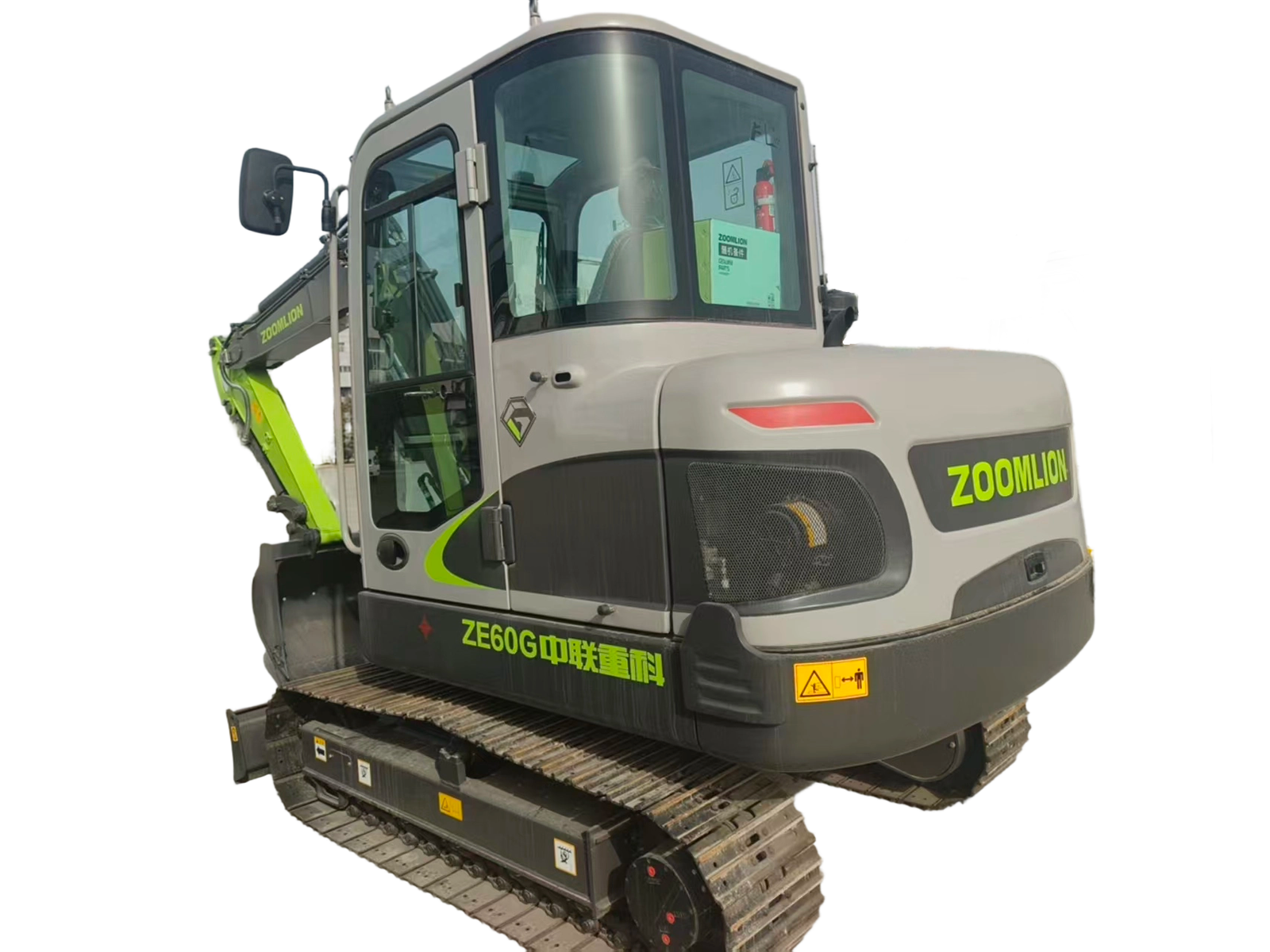
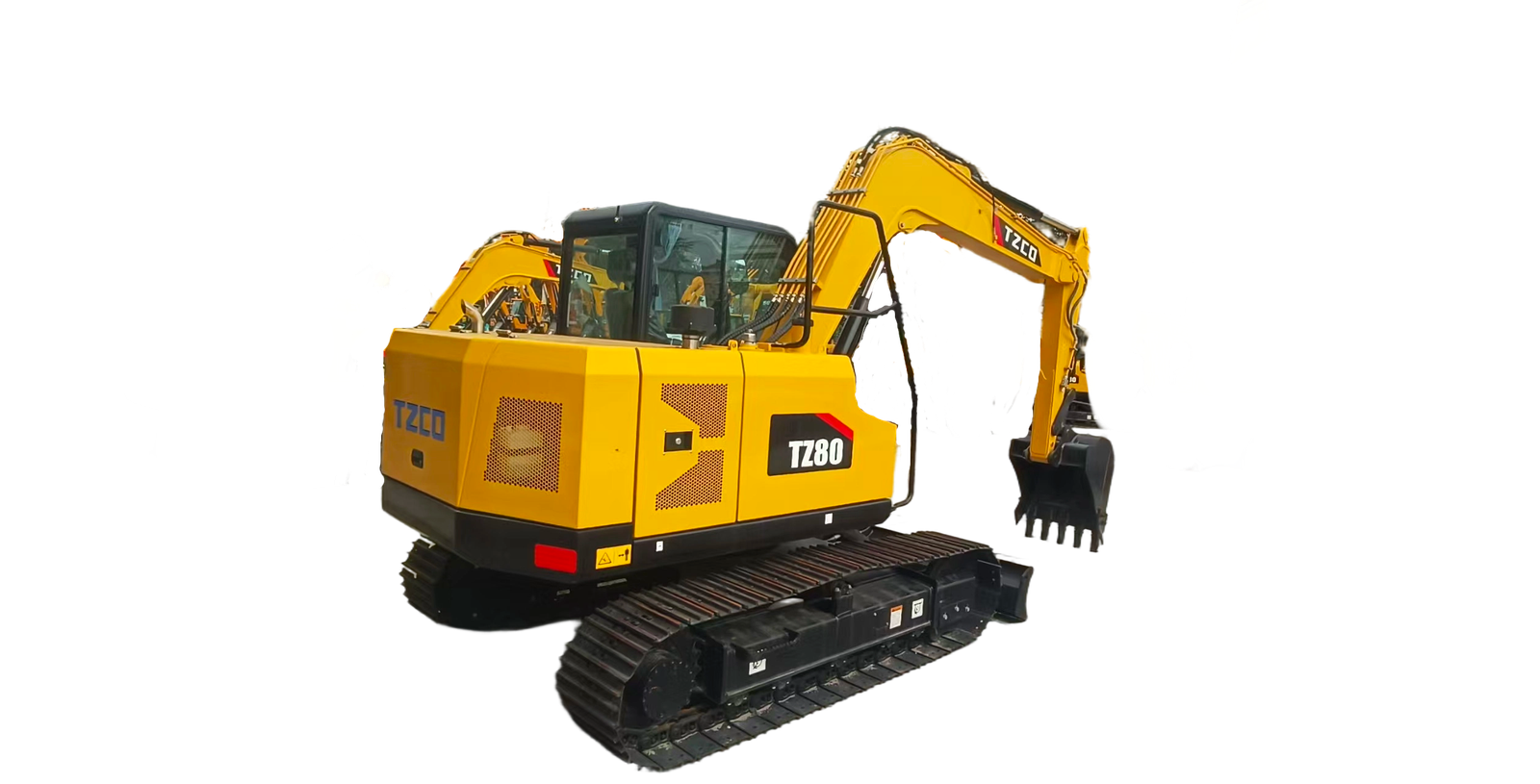
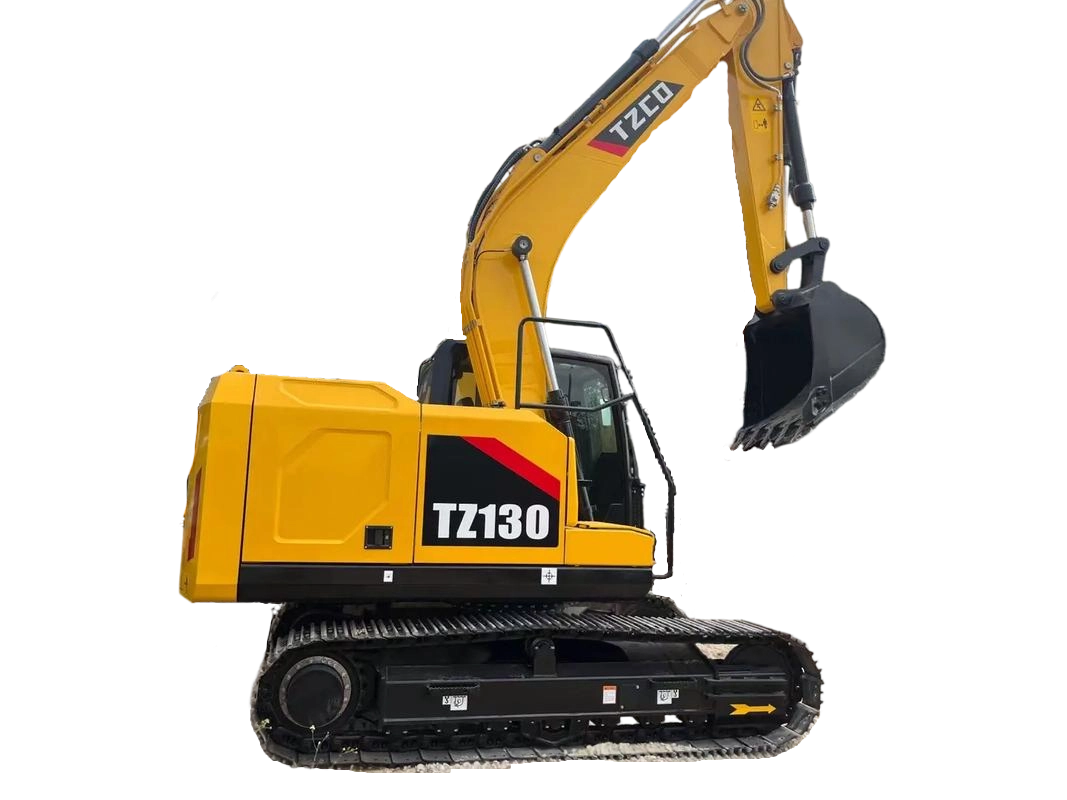
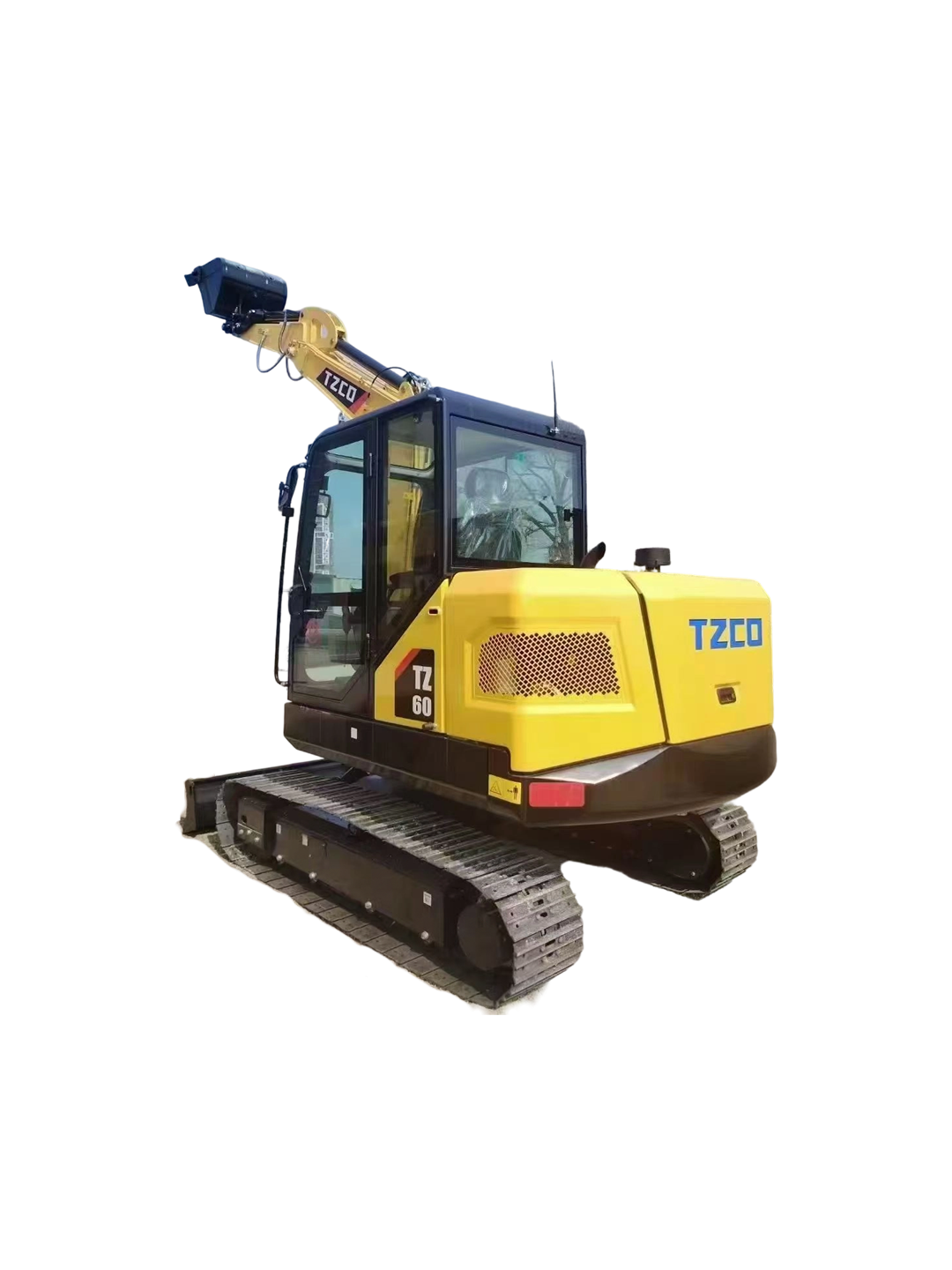
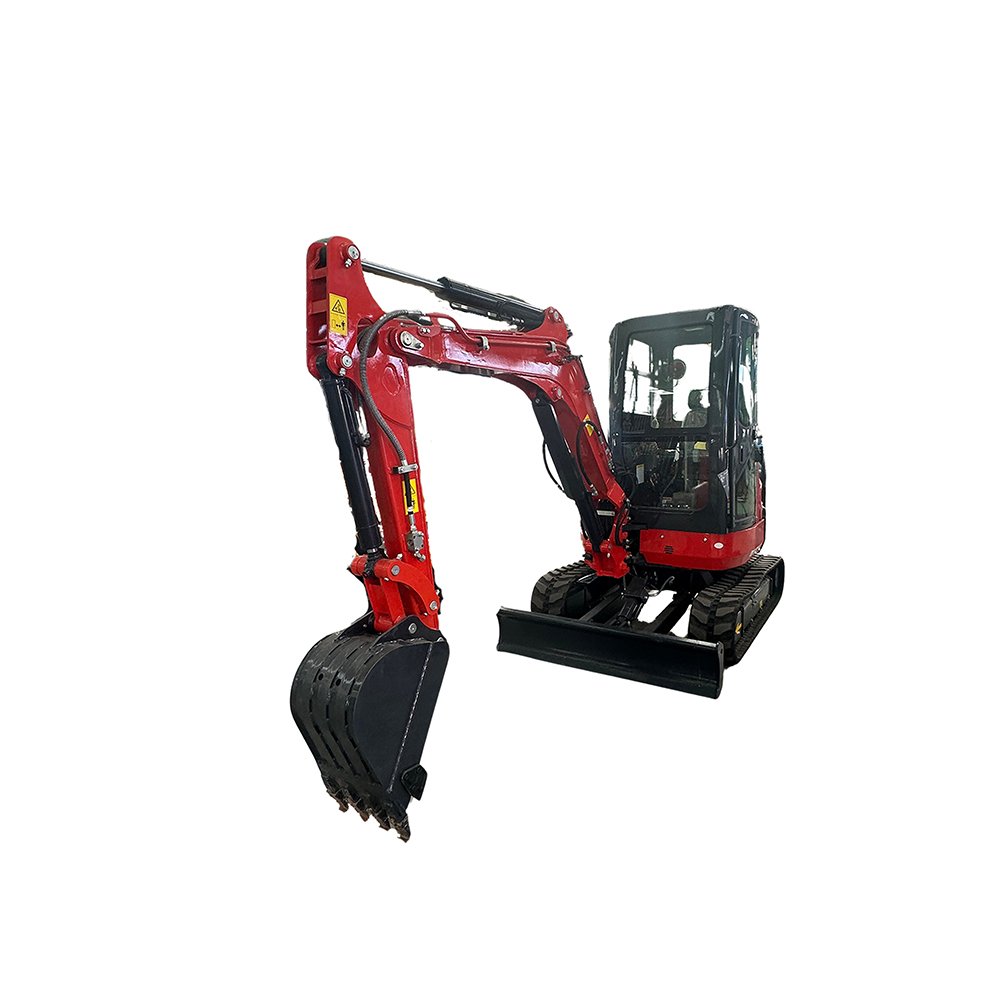
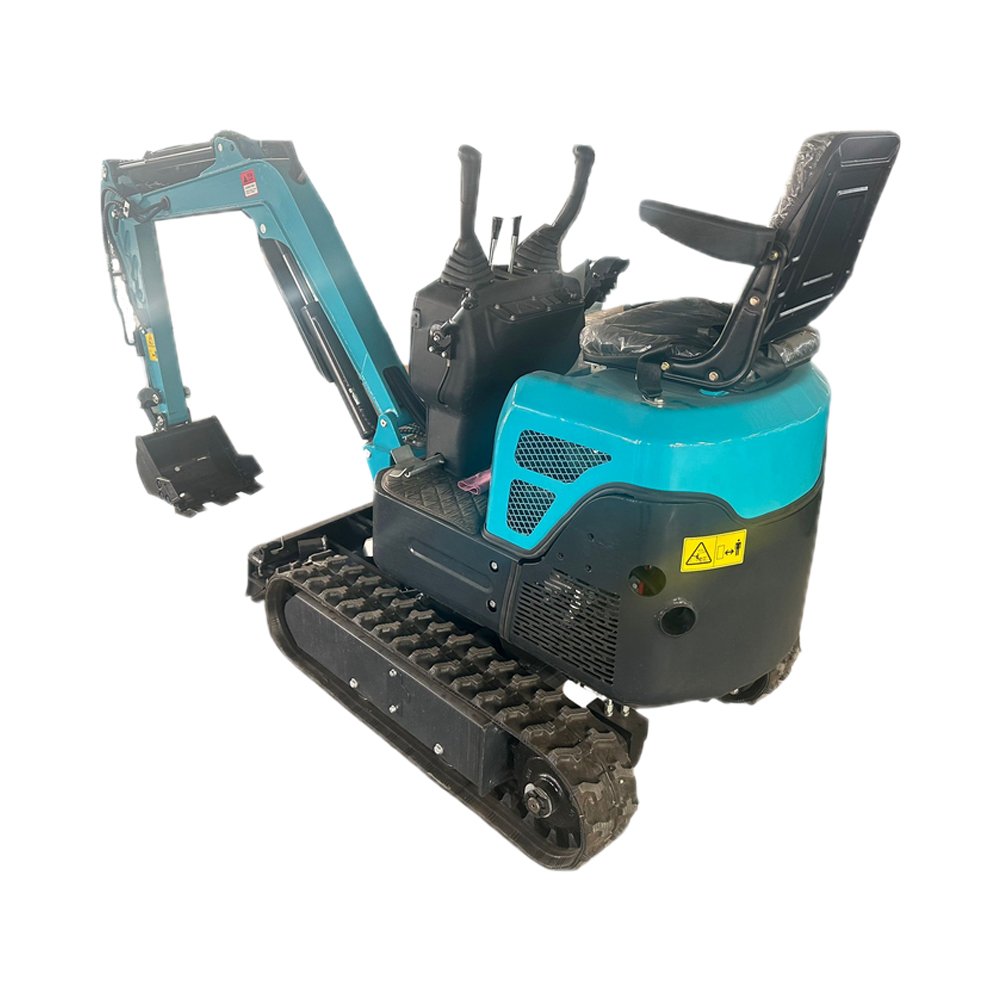
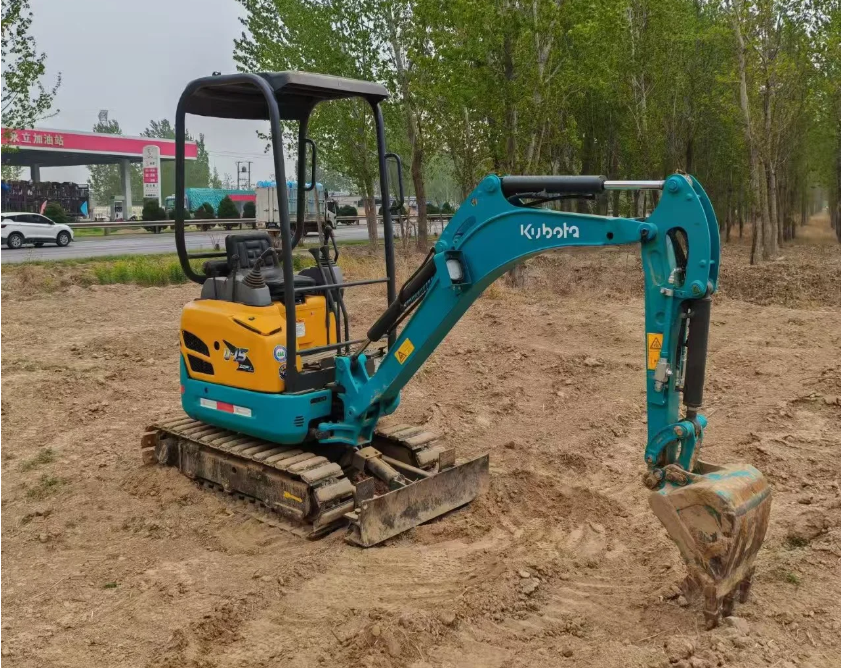
Mini excavators have become essential machines for construction, landscaping, farming, utility installation, and small-scale excavation projects. Their compact size, versatility, and efficient performance make them ideal for work in confined spaces where larger equipment cannot easily operate. As demand for cost-effective equipment solutions continues growing, many buyers are turning to used mini excavator sales to find reliable machines at competitive prices.
Purchasing a used mini excavator can be a smart investment when buyers understand what to inspect, how to evaluate machine condition, and which features best match their project requirements. With proper research and careful decision-making, used equipment can deliver excellent productivity and long-term value.
This article provides practical tips for buying from a used mini excavator sale, helping buyers make informed purchasing decisions while maximizing equipment performance and operational efficiency.
Understand Your Project Requirements
Before exploring a used mini excavator sale, it is important to clearly define your project needs. Mini excavators are available in various sizes, operating weights, and configurations designed for different applications.
Consider factors such as:
- Digging depth requirements
- Jobsite space limitations
- Soil conditions
- Transportation needs
- Attachment compatibility
- Hydraulic power requirements
Understanding these operational needs helps narrow down suitable machine options and prevents overspending on unnecessary features.
For landscaping and residential work, smaller compact models may offer sufficient performance. Larger mini excavators may be more suitable for utility work, trenching, or commercial construction projects.
Research the Machine’s Operating Hours
Operating hours are one of the most important indicators of a used mini excavator’s overall usage history. Similar to mileage on a vehicle, machine hours provide insight into how extensively the equipment has been used.
Well-maintained excavators with moderate operating hours can often provide excellent value and long service life. However, machine condition is equally important because maintenance quality significantly affects performance and durability.
Buyers should compare operating hours alongside service records, inspection results, and overall appearance when evaluating equipment.
Inspect the Undercarriage Carefully
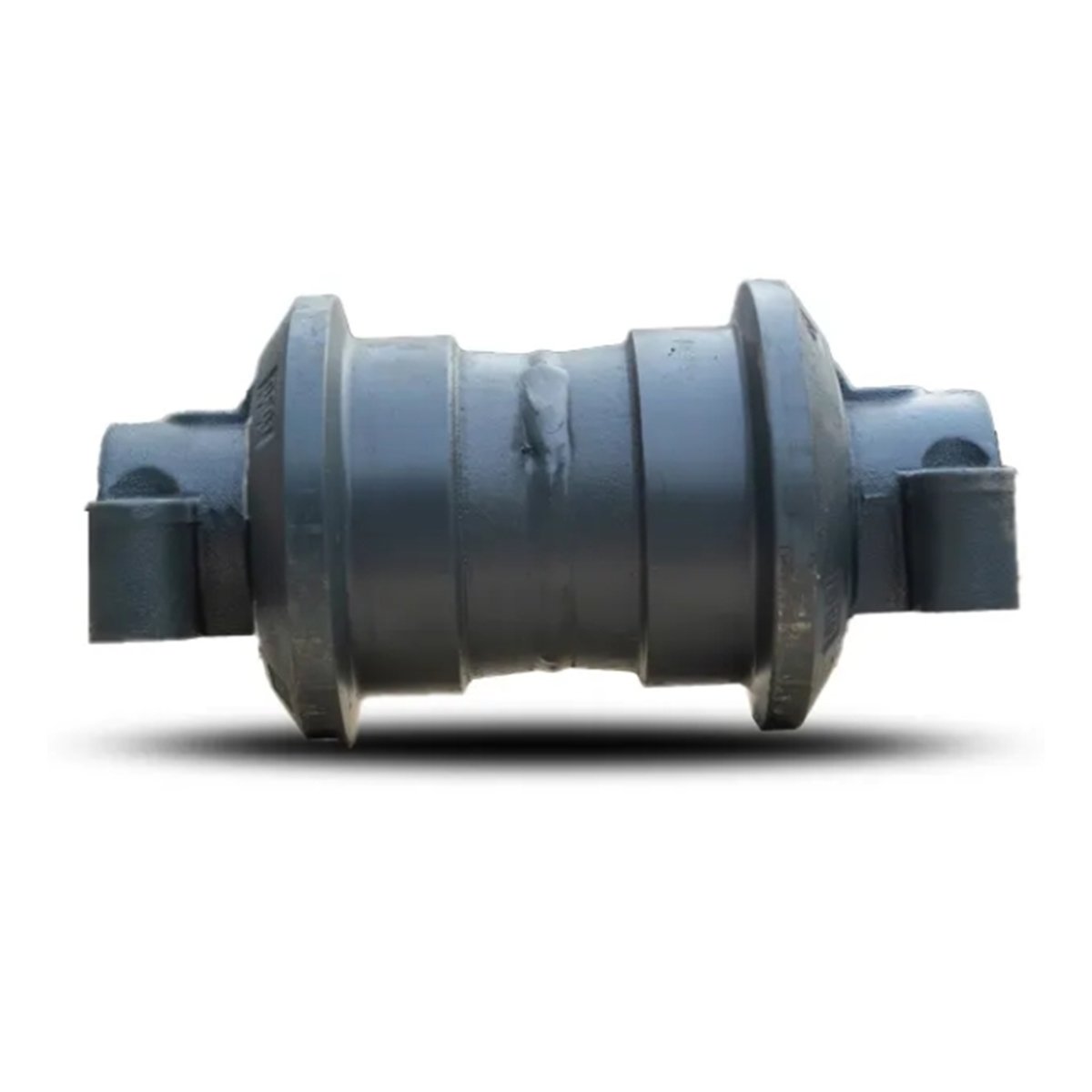
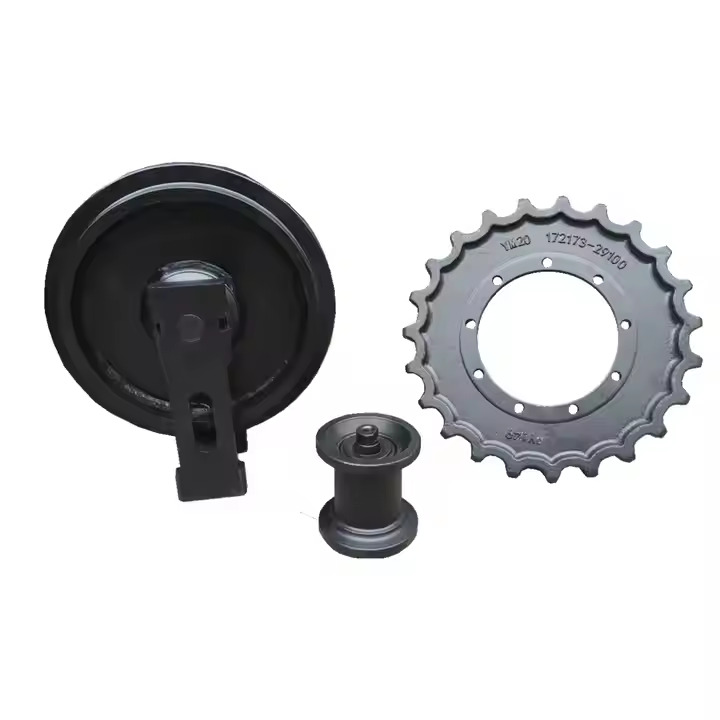
The undercarriage is one of the most heavily used components on a mini excavator. Tracks, rollers, sprockets, and idlers experience continuous wear during operation.
When inspecting a used mini excavator, examine the undercarriage for:
- Track condition
- Uneven wear patterns
- Proper track tension
- Roller condition
- Sprocket wear
- Signs of damage or excessive usage
A well-maintained undercarriage often indicates that the machine has been properly cared for overall.
Rubber tracks should have good tread depth and minimal cracking. Steel tracks should show consistent wear without excessive damage.
Check the Hydraulic System
Hydraulic performance is critical for mini excavator operation. The hydraulic system powers digging, lifting, boom movement, and attachments.
During inspection, check for:
- Smooth hydraulic movement
- Hose condition
- Hydraulic fluid leaks
- Cylinder performance
- Proper control response
- Consistent lifting power
Operate the machine if possible to evaluate hydraulic responsiveness and overall functionality.
A strong hydraulic system supports productivity and helps ensure efficient operation across different jobsite tasks.
Examine the Engine and Fluids
The engine is another major component that deserves close attention when purchasing used equipment.
Inspect the engine area for cleanliness, visible leaks, and signs of regular maintenance. Check engine oil, coolant, hydraulic fluid, and fuel system condition.
A smooth engine startup, stable idle, and consistent operating sound can indicate proper maintenance history.
Buyers should also review maintenance records whenever available to better understand servicing schedules and component replacements.
Evaluate Attachment Compatibility
Mini excavators are highly versatile because they support multiple attachments for different applications.
Common attachments include:
- Buckets
- Hydraulic breakers
- Augers
- Grapples
- Rippers
- Tilt couplers
When buying from a used mini excavator sale, confirm that the machine is compatible with the attachments required for your projects.
Machines with auxiliary hydraulic systems may provide greater flexibility for specialized tasks.
Review Maintenance and Service History
A detailed service history can provide valuable insight into how well a machine has been maintained throughout its operational life.
Maintenance records may include:
- Oil changes
- Hydraulic servicing
- Filter replacements
- Track maintenance
- Component inspections
- Repair history
Consistent maintenance often contributes to better reliability, smoother operation, and extended equipment lifespan.
Professional servicing records can also increase buyer confidence during the purchasing process.
Consider Machine Size and Transportability
Mini excavators are available in different weight classes ranging from ultra-compact units to larger compact excavators.
Selecting the right size depends on both operational requirements and transportation logistics.
Smaller models may be easier to transport between jobsites and operate in restricted spaces. Larger models may provide increased digging depth, lifting capacity, and hydraulic power.
Buyers should ensure that their transportation equipment and trailers can safely handle the excavator’s operating weight.
Inspect the Cab and Operator Controls
Operator comfort and visibility are important factors for productivity and safety.
During inspection, evaluate:
- Seat condition
- Control responsiveness
- Visibility
- Display functionality
- Air conditioning or heating systems
- Safety features
A clean and well-maintained cab often reflects overall machine care.
Modern mini excavators may also include advanced technology features that improve operational efficiency and ease of use.
Test Drive the Excavator
Whenever possible, buyers should operate the excavator before making a purchase decision.
A test drive allows evaluation of:
- Engine performance
- Hydraulic response
- Swing operation
- Travel speed
- Noise levels
- Attachment functionality
Testing the machine under operating conditions provides a better understanding of performance and handling characteristics.
Understand the Total Ownership Cost
The purchase price is only one part of the overall investment. Buyers should also consider long-term ownership costs such as:
- Fuel consumption
- Maintenance expenses
- Replacement parts
- Transportation costs
- Insurance
- Attachment purchases
A reliable and fuel-efficient machine may provide better long-term value even if the initial purchase price is slightly higher.
Buy from Reliable Sellers
Purchasing from reputable dealers, equipment specialists, or professional auction platforms can help improve the buying experience.
Reliable sellers often provide:
- Equipment inspections
- Service records
- Operational testing
- Financing options
- Delivery assistance
- Technical support
Professional sellers may also offer additional guidance to help buyers select machines suited to their operational needs.
Benefits of Buying a Used Mini Excavator
Many businesses and contractors choose used mini excavators because they offer several practical advantages.
Benefits include:
- Lower initial investment
- Faster equipment availability
- Reduced depreciation impact
- Access to quality equipment at competitive prices
- Flexibility for expanding fleets
Used mini excavators can support both new businesses and experienced contractors seeking cost-effective equipment solutions.
Growing Demand for Mini Excavators
The demand for compact construction equipment continues growing worldwide due to increasing infrastructure development, landscaping projects, and urban construction activities.
Mini excavators remain popular because they combine:
- Compact maneuverability
- Strong digging performance
- Multi-attachment capability
- Lower operating costs
- Efficient transportation
As more industries seek versatile equipment solutions, used mini excavator sales are expected to remain active and competitive.
Buying from a used mini excavator sale can be an excellent way to obtain reliable equipment while managing project budgets efficiently. By carefully inspecting machine condition, reviewing maintenance history, testing hydraulic systems, and selecting the right size for operational needs, buyers can make informed purchasing decisions with greater confidence.
A well-maintained used mini excavator can provide years of dependable performance across construction, landscaping, farming, and utility applications. With proper research and attention to detail, buyers can maximize productivity, operational efficiency, and long-term equipment value.