








Industry News
New Excavator Maintenance Checklist for First Owners
May
Purchasing a new excavator is a major investment for contractors, construction companies, landscapers, and farm operators. Whether used for digging, trenching, grading, demolition, or material handling, a well-maintained excavator delivers better efficiency, longer service life, and more reliable performance on the job site.
For first-time owners, understanding proper excavator maintenance is essential. Routine inspections and preventive care not only help maximize machine productivity but also support fuel efficiency, operator safety, and long-term operating value.
This maintenance checklist provides practical guidance for new excavator owners who want to keep their equipment operating smoothly and efficiently from the very beginning.
Why Excavator Maintenance Matters
Modern excavators are designed with advanced hydraulic systems, powerful engines, and precision components that require regular maintenance to perform at their best.
Consistent maintenance helps reduce unnecessary wear, improves machine reliability, and supports smoother operation under different working conditions. A properly maintained excavator can also maintain stronger resale value and lower long-term ownership costs.
For first owners, establishing a maintenance routine early is one of the most important steps toward protecting equipment performance and productivity.
Perform a Daily Walkaround Inspection
One of the simplest but most important habits for excavator owners is completing a daily visual inspection before operation.
A walkaround inspection allows operators to identify potential issues early while ensuring the machine is ready for work. During the inspection, check for fluid leaks, loose bolts, damaged hoses, cracked components, and signs of unusual wear.
Inspect the undercarriage, boom, arm, bucket, hydraulic lines, and attachment connections carefully. Catching small problems early can help prevent larger maintenance requirements later.
Daily inspections also improve job site safety and reduce unexpected downtime.
Check Engine Oil Levels Regularly
Engine oil plays a critical role in lubrication, cooling, and engine protection. Low or contaminated oil can reduce engine efficiency and overall machine performance.
New excavator owners should check engine oil levels daily or according to the manufacturer’s recommended schedule. Always use the correct oil type and viscosity recommended for the machine.
Oil filters should also be replaced at proper service intervals to maintain engine cleanliness and optimal lubrication performance.
Keeping the engine properly lubricated helps extend engine life and improve fuel efficiency.
Monitor Hydraulic Fluid Condition
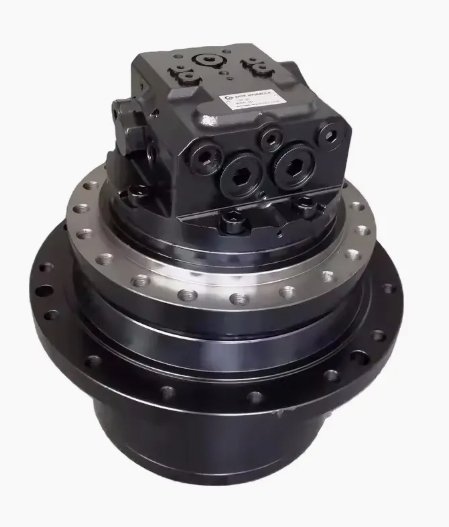
The hydraulic system is one of the most important components of an excavator. Hydraulic fluid powers machine movement, digging functions, and attachment operation.
Operators should regularly inspect hydraulic fluid levels and monitor fluid cleanliness. Contaminated hydraulic fluid can affect performance and reduce component lifespan.
Check hydraulic hoses, fittings, and seals for signs of leakage or wear. Maintaining clean hydraulic fluid and replacing filters on schedule helps keep the system operating efficiently.
Proper hydraulic maintenance supports smoother operation and better digging performance.
Inspect the Undercarriage Frequently
The undercarriage experiences constant contact with rough terrain and heavy loads, making it one of the highest wear areas on an excavator.
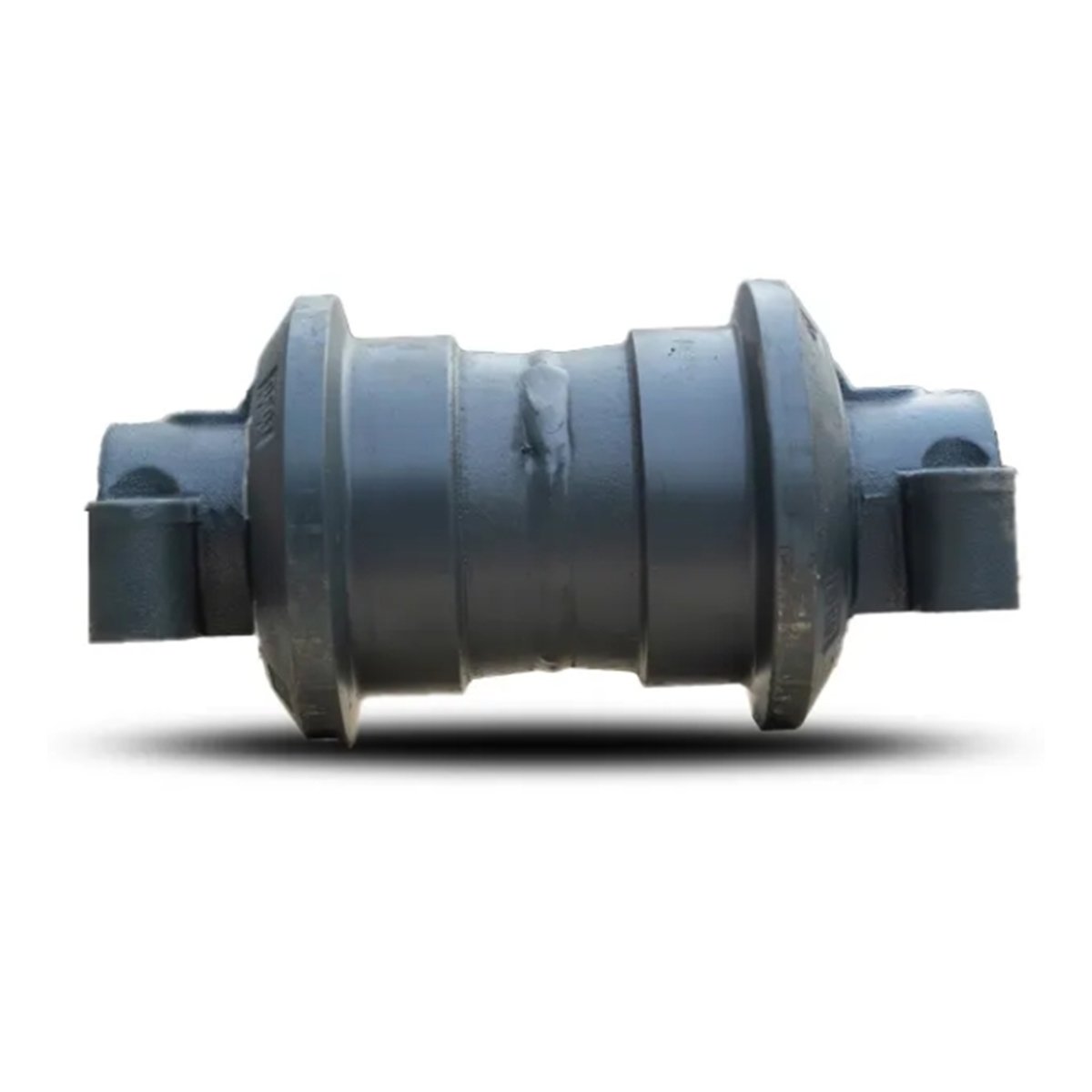
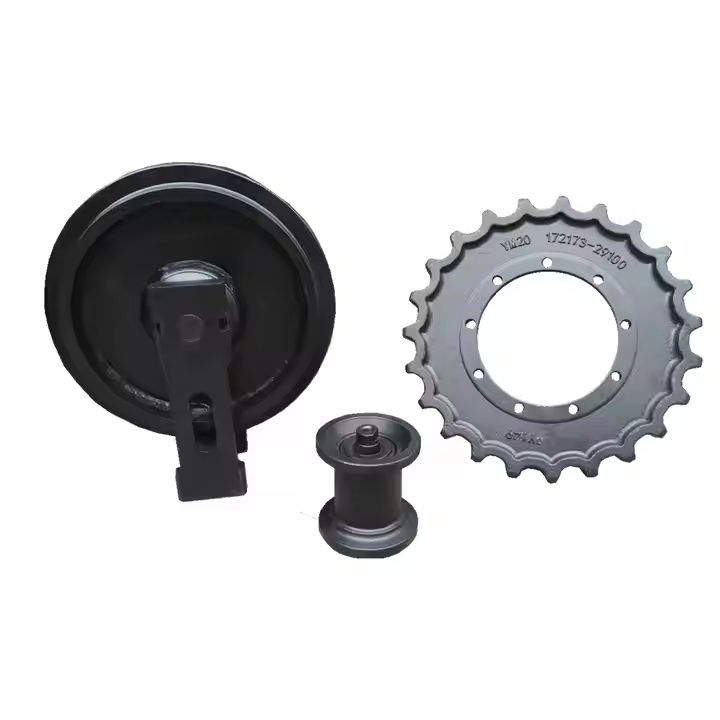
Owners should regularly inspect tracks, rollers, sprockets, idlers, and track tension. Dirt, mud, and debris should be cleaned from the undercarriage after operation to reduce wear and improve track performance.
Maintaining proper track tension is also important. Tracks that are too loose or too tight can affect machine stability and increase wear on components.
Routine undercarriage care helps improve machine efficiency and extend component life.
Keep the Cooling System Clean
Excavators generate significant heat during operation, especially in demanding environments. The cooling system helps maintain proper engine and hydraulic temperatures.
Radiators, coolers, and air intake areas should be cleaned regularly to remove dirt, dust, and debris that may restrict airflow.
Operators should also check coolant levels and inspect hoses for proper condition. Maintaining a clean cooling system supports consistent engine performance and helps prevent overheating.
Grease Moving Components Properly
Excavators contain many pivot points and moving joints that require proper lubrication. Greasing helps reduce friction, improve movement, and protect components from excessive wear.
Boom joints, arm pins, bucket linkages, swing bearings, and attachment connections should all be greased according to the recommended service schedule.
Using high-quality grease and following proper lubrication intervals helps maintain smoother machine operation and reduces maintenance costs over time.
Inspect Bucket Teeth and Attachments
Bucket teeth and attachments are exposed to continuous digging pressure and ground contact. Worn teeth can reduce digging efficiency and increase stress on the excavator.
First-time owners should inspect bucket teeth regularly for wear or damage. Replacing worn components helps maintain strong digging performance and fuel efficiency.
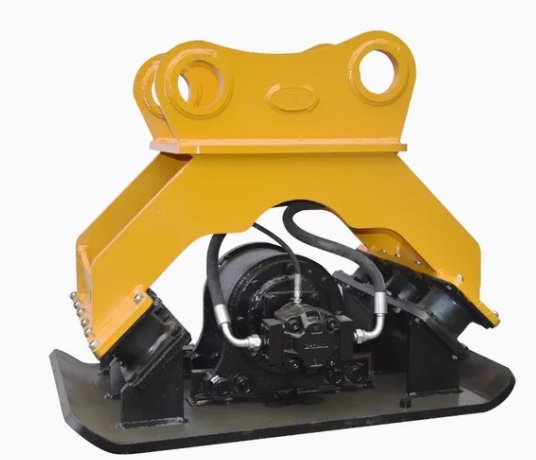
Attachments such as hydraulic breakers, grapples, augers, and quick couplers should also be checked for secure connections and proper operation.
Proper attachment maintenance improves versatility and overall machine productivity.
Maintain Clean Air Filters
Excavators often operate in dusty and challenging environments where clean airflow is essential for engine performance.
Air filters should be inspected frequently and cleaned or replaced when necessary. A clean air filter supports efficient combustion, protects the engine, and improves fuel economy.
Cab air filters should also be maintained to improve operator comfort and maintain good airflow inside the cabin.
Monitor Battery Performance
The electrical system is essential for starting the excavator and powering monitoring systems, lighting, and controls.
Battery terminals should remain clean and securely connected. Operators should inspect battery charge levels regularly and check for signs of corrosion.
Maintaining battery performance helps ensure reliable machine startup and consistent electrical operation.
Follow Manufacturer Service Intervals
Every excavator manufacturer provides recommended service intervals for oil changes, filter replacement, hydraulic maintenance, and component inspections.
Following these service schedules is extremely important for maintaining machine performance and long-term reliability.
Keeping accurate maintenance records also helps owners track service history and improve equipment management.
Scheduled maintenance reduces the risk of unexpected repairs while helping maximize machine lifespan.
Train Operators on Proper Usage
Proper operation is just as important as mechanical maintenance. Even a new excavator can experience excessive wear if operated incorrectly.
First-time owners should ensure operators understand proper startup procedures, digging techniques, travel methods, and safety practices.
Well-trained operators can help reduce fuel consumption, minimize unnecessary stress on components, and improve overall productivity.
Good operating habits contribute significantly to long-term machine performance.
Store the Excavator Correctly
Proper storage conditions can help protect the excavator from environmental exposure and unnecessary wear.
Whenever possible, store the machine on level ground in a covered area. Clean the excavator after use and remove mud or debris before storage.
If the machine will remain unused for an extended period, owners should follow proper storage procedures for fluids, battery maintenance, and hydraulic protection.
Good storage practices help maintain equipment condition and appearance.
Use Genuine Replacement Parts and Fluids
Using high-quality replacement parts and approved fluids helps maintain excavator reliability and performance.
Proper filters, lubricants, hydraulic fluids, and wear components are specifically designed to support machine efficiency and durability.
Reliable maintenance materials help reduce wear while supporting smoother equipment operation over time.
Future Benefits of Preventive Maintenance
Preventive maintenance is one of the smartest investments new excavator owners can make. Regular inspections and timely servicing help reduce downtime, improve machine reliability, and support long-term productivity.
As construction equipment technology continues evolving, maintenance programs are also becoming more advanced through telematics, remote diagnostics, and digital service monitoring.
Owners who prioritize preventive care can maximize machine value while improving operational efficiency for years to come.
A new excavator represents a valuable investment, and proper maintenance is essential for achieving reliable performance and long-term productivity. For first owners, following a structured maintenance checklist helps protect equipment condition, improve efficiency, and support safer operation.
Daily inspections, fluid monitoring, undercarriage care, proper lubrication, and scheduled servicing all contribute to better machine performance and lower operating costs.
By developing strong maintenance habits from the start, excavator owners can extend equipment lifespan, improve job site productivity, and maximize the value of their investment.