








Industry News
Second Hand Excavator vs New Which Is Better
May
Excavators are among the most important machines in construction, landscaping, mining, agriculture, and infrastructure projects. Whether used for digging, trenching, demolition, or material handling, choosing the right excavator can significantly impact project efficiency and operational costs. One of the most common purchasing decisions contractors and business owners face is whether to buy a second hand excavator or invest in a brand-new machine. Both options offer unique advantages depending on budget, workload, project requirements, and long-term business goals. Understanding the differences between used and new excavators can help buyers make informed decisions that maximize value and productivity.
Understanding the Difference Between New and Second Hand Excavators
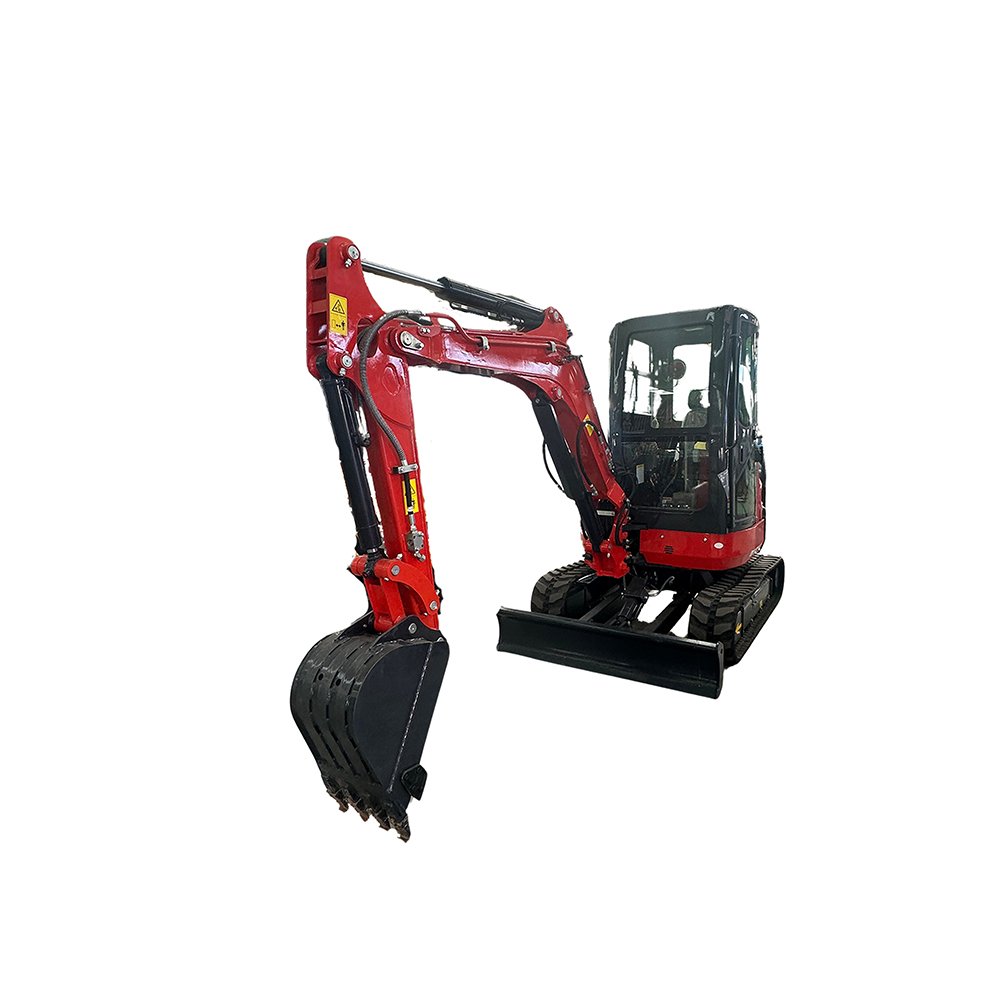
A new excavator is a machine purchased directly from a manufacturer or authorized dealer with zero operating hours and the latest technology features. New models are typically equipped with modern hydraulic systems, advanced fuel efficiency, improved operator comfort, and updated safety technologies.
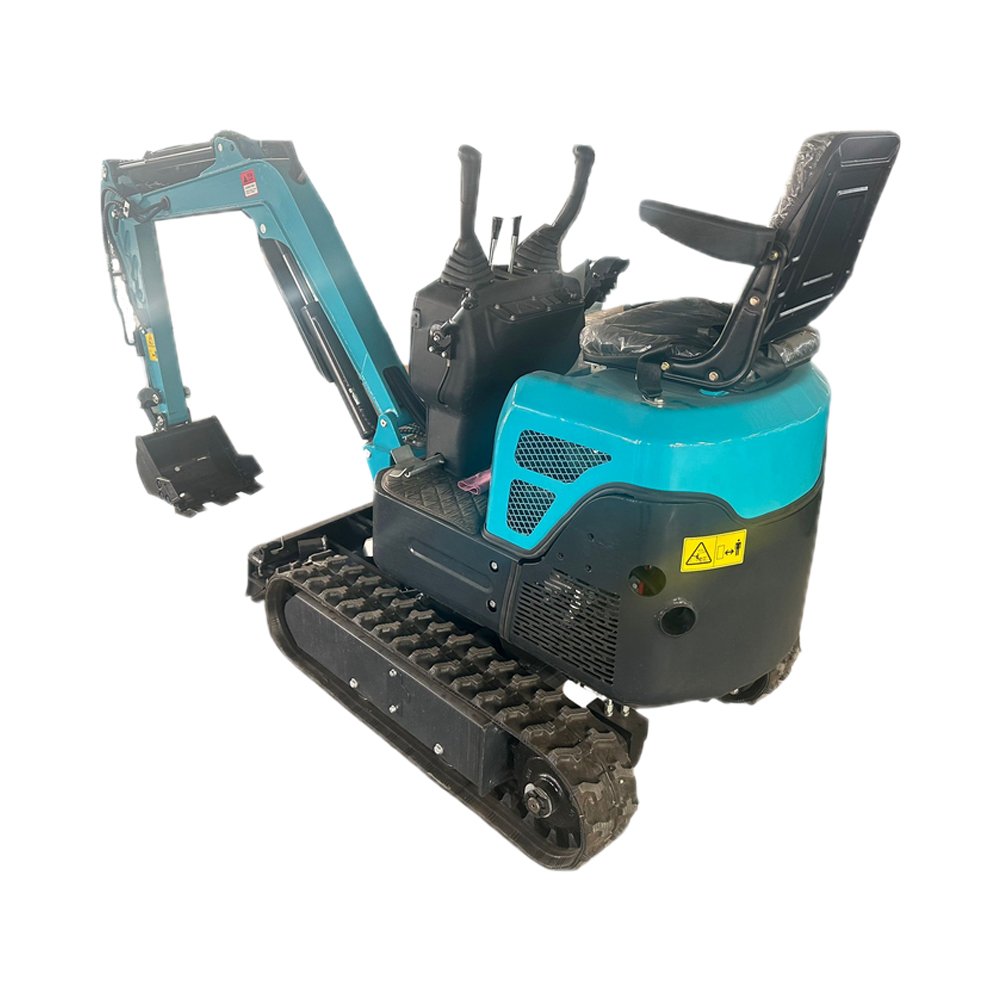
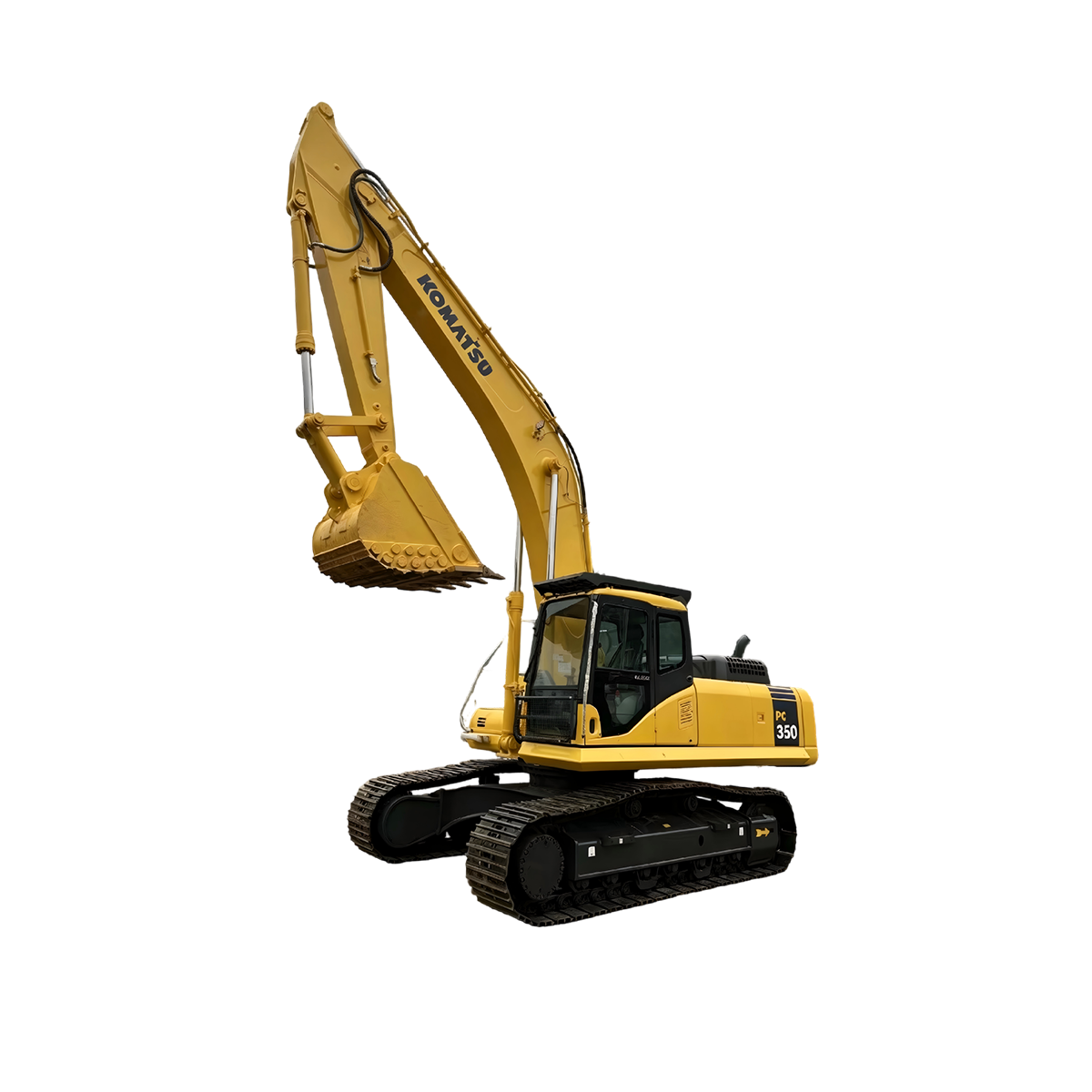
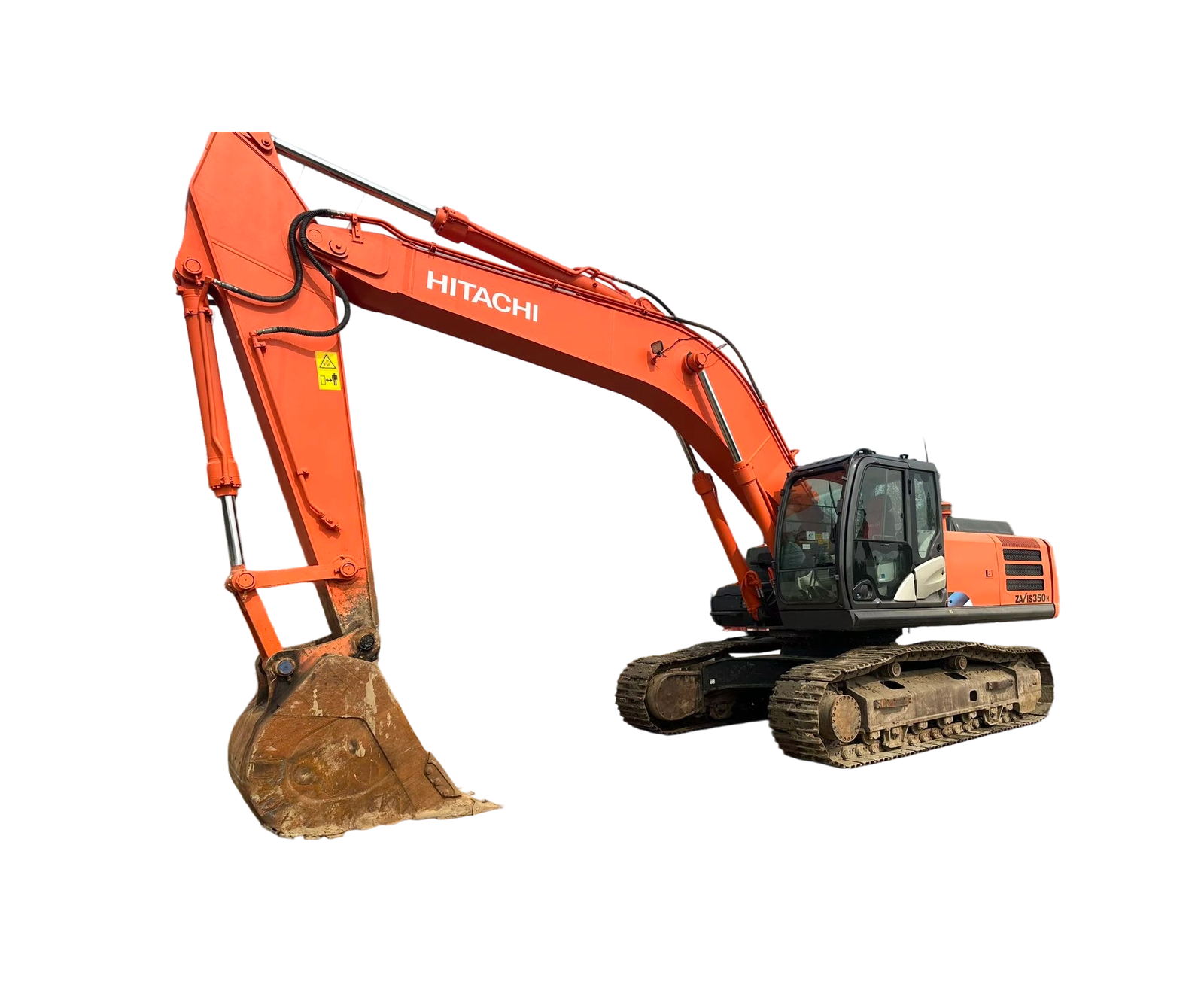
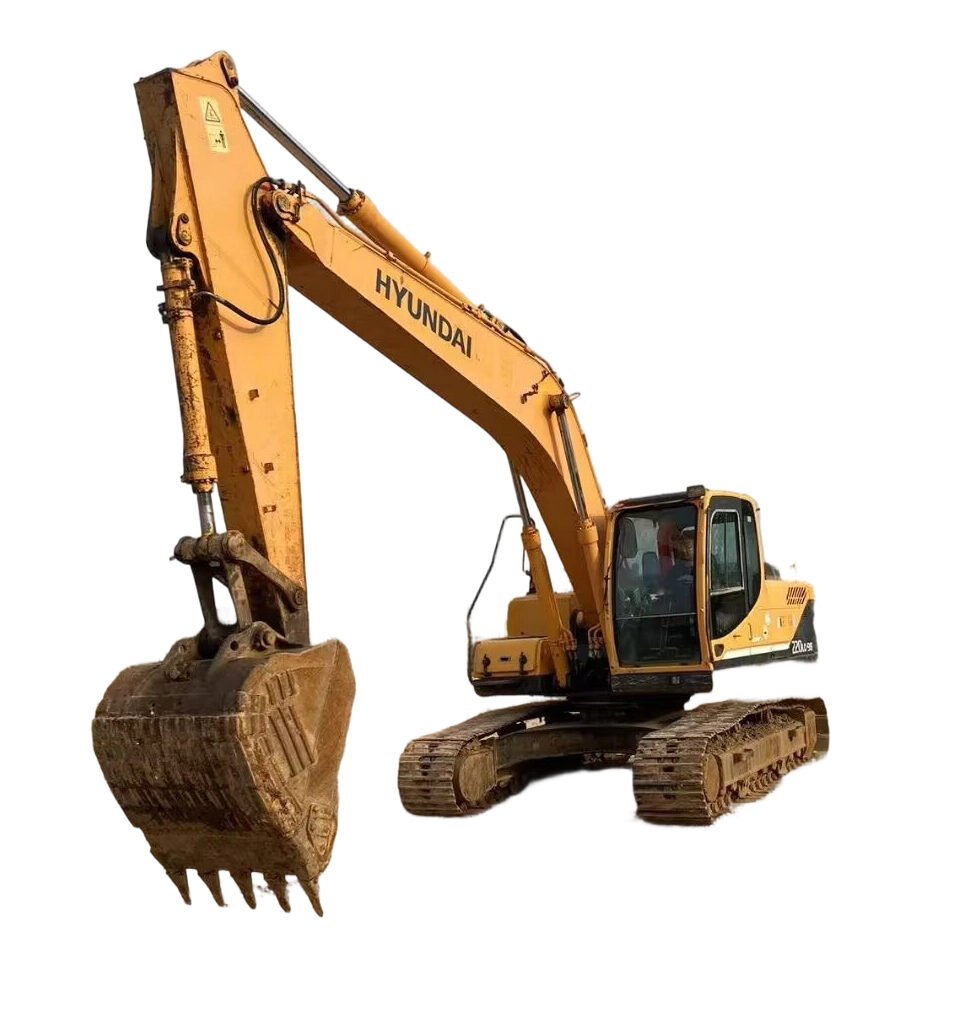
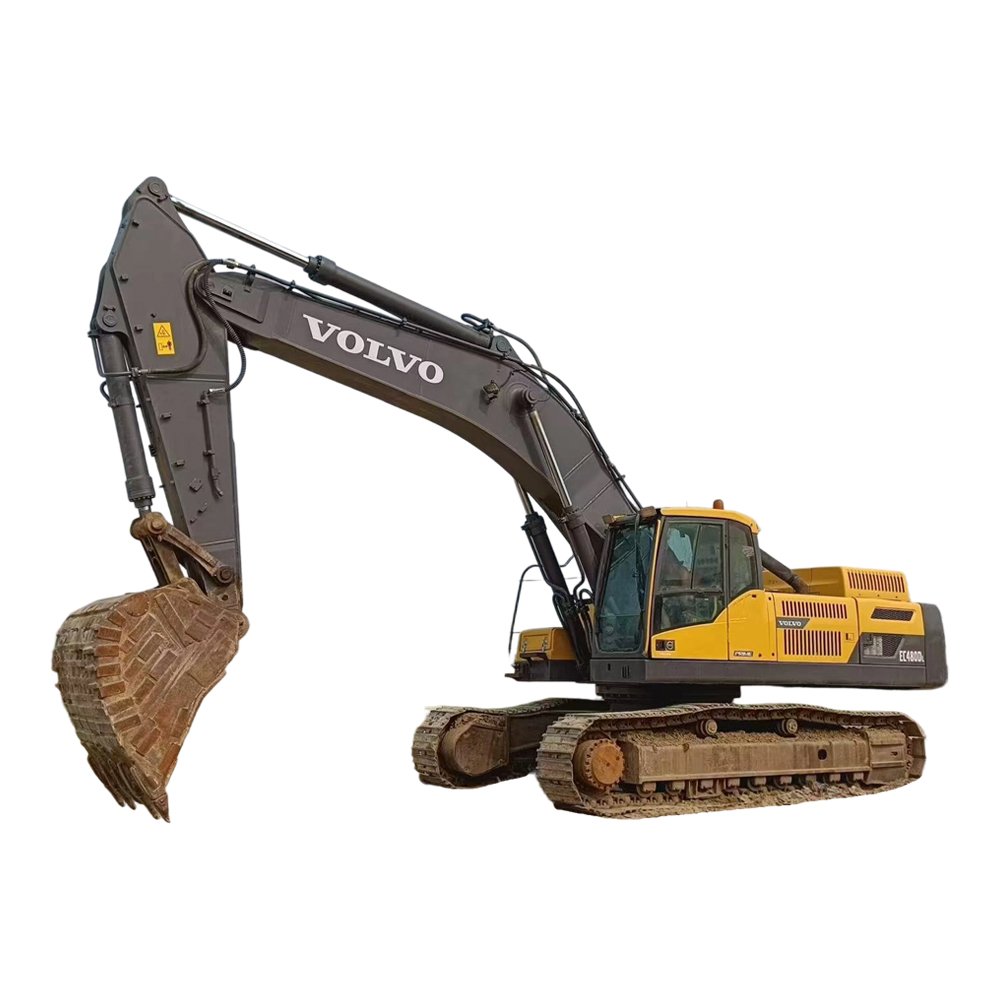
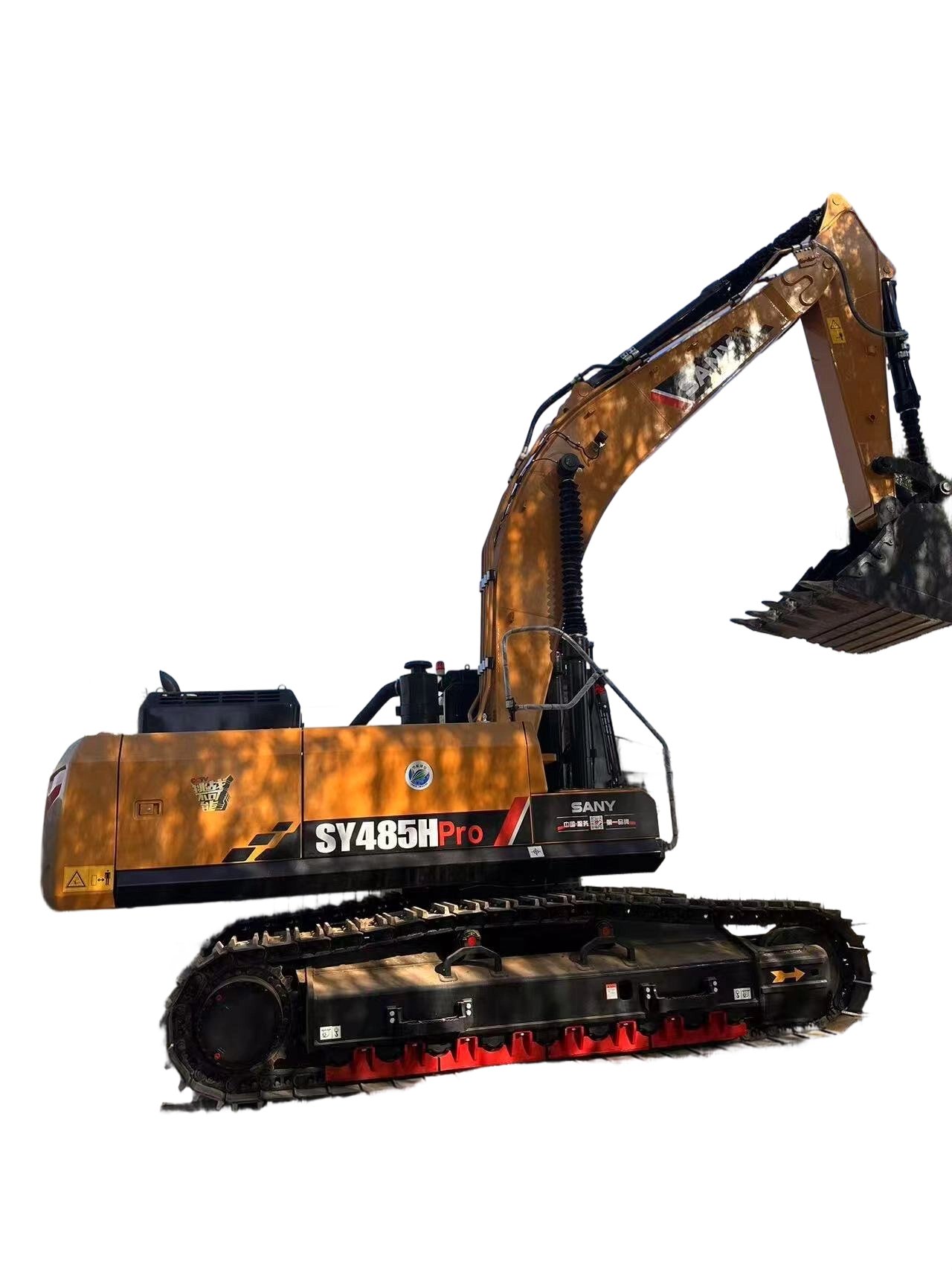
A second hand excavator, also known as a used excavator, has previously been owned and operated. These machines may vary in age, operating hours, condition, and maintenance history. Many used excavators remain highly productive and reliable when properly inspected and maintained.
The decision between new and second hand equipment depends on several important factors, including budget, project scale, operational frequency, and maintenance expectations.
Advantages of Buying a New Excavator
Latest Technology and Features
One of the biggest advantages of purchasing a new excavator is access to the newest technology. Modern excavators often include advanced hydraulic controls, GPS integration, fuel-saving systems, and improved automation features that enhance productivity and efficiency.
Manufacturers continuously improve machine performance, operator visibility, and comfort to support safer and more efficient job site operations.
Manufacturer Warranty and Support
New excavators typically include manufacturer warranties that provide additional confidence and protection for buyers. Warranty coverage may help reduce repair expenses during the early ownership period.
Authorized dealer networks also provide technical support, genuine replacement parts, and scheduled maintenance programs that help maximize machine performance.
Higher Fuel Efficiency
Many newer excavator models are designed with improved engines and energy-efficient hydraulic systems. Better fuel efficiency can help reduce operating costs over time, especially for businesses running equipment daily.
Lower fuel consumption may also contribute to improved environmental sustainability on construction sites.
Longer Expected Service Life
Because a new excavator starts with zero operating hours, owners can often expect a longer usable lifespan when proper maintenance is performed consistently.
This may benefit businesses planning long-term projects or heavy equipment usage over many years.
Advantages of Buying a Second Hand Excavator
Lower Initial Purchase Cost
One of the main reasons buyers choose second hand excavators is affordability. Used equipment generally costs significantly less than new models, making it easier for small businesses and independent contractors to access quality machinery without large financial commitments.
Lower purchase costs may also allow companies to invest in multiple machines or additional attachments.
Faster Return on Investment
Because second hand excavators require a smaller upfront investment, businesses may achieve a faster return on investment. Lower financing expenses can improve cash flow and reduce financial pressure during early project stages.
This makes used equipment especially attractive for seasonal work, temporary projects, or growing construction companies.
Reduced Depreciation Impact
New construction equipment often experiences the highest depreciation during the first few years of ownership. Purchasing a second hand excavator allows buyers to avoid much of this early depreciation.
As a result, used excavators may retain resale value more effectively over time if maintained properly.
Proven Performance History
Well-maintained used excavators often have established service records and operational histories that provide insight into reliability and maintenance quality.
Experienced buyers can evaluate previous repairs, operating hours, and overall machine condition before making a purchase decision.
Factors to Consider Before Choosing an Excavator
Project Requirements
The size and type of projects play an important role in equipment selection. Large-scale commercial projects with continuous operation may benefit from the efficiency and advanced features of new excavators.
Smaller contractors or businesses with occasional equipment needs may find second hand excavators more cost-effective.
Budget and Financing
Budget limitations often influence purchasing decisions. Businesses should consider not only the purchase price but also long-term operating costs, financing terms, insurance, transportation, and maintenance expenses.
Balancing affordability with productivity requirements is essential for maximizing overall value.
Machine Condition and Inspection
When purchasing a second hand excavator, careful inspection is extremely important. Buyers should evaluate:
- Hydraulic system performance
- Engine condition
- Undercarriage wear
- Boom and arm structure
- Maintenance records
- Operating hours
- Attachment compatibility
Professional inspections can help identify potential maintenance needs and improve purchasing confidence.
Availability of Parts and Service
Reliable access to replacement parts and technical service is important for both new and used excavators. Buyers should ensure that parts availability and maintenance support remain accessible for the chosen model.
Strong service support helps minimize downtime and improve operational efficiency.
Comparing Operating Costs
Fuel Consumption
New excavators generally offer better fuel efficiency due to advanced engine technology and hydraulic optimization. However, some well-maintained second hand excavators can still provide strong fuel performance for many applications.
Maintenance Expenses
New machines may require fewer repairs during the early years of ownership, while second hand excavators may need more frequent maintenance depending on age and condition.
Routine servicing remains essential for maximizing performance and machine lifespan regardless of equipment age.
Insurance and Financing Costs
Insurance rates and financing structures may vary between new and used equipment. New excavators sometimes qualify for more flexible financing programs, while second hand machines often require lower total borrowing amounts.
Businesses should compare total ownership costs carefully before making a final decision.
Industries That Commonly Use Second Hand Excavators
Construction Companies
Many construction businesses use second hand excavators for earthmoving, foundation preparation, and site development projects. Used equipment provides cost-effective solutions for expanding fleets.
Agriculture and Farming
Farm owners frequently use excavators for drainage projects, land clearing, trenching, and irrigation work. Second hand machines often meet agricultural requirements efficiently while reducing capital expenses.
Landscaping Businesses
Landscaping contractors use compact and mid-size excavators for residential and commercial outdoor projects. Affordable used equipment helps support business growth and project flexibility.
Demolition and Recycling
Excavators equipped with specialized attachments are commonly used in demolition and material recycling industries. Reliable second hand machines can perform these tasks effectively while lowering equipment investment costs.
Tips for Buying the Right Excavator
Research the Market Carefully
Comparing machine specifications, operating hours, maintenance history, and seller reputation can help buyers make informed decisions.
Test the Equipment
Whenever possible, operating the excavator before purchase can help evaluate hydraulic response, engine performance, and overall machine condition.
Work With Trusted Sellers
Reputable dealers and professional equipment sellers often provide more transparent machine information and maintenance records.
Consider Future Business Growth
Businesses planning expansion may benefit from scalable equipment strategies that balance affordability with long-term operational needs.
The Future of the Excavator Market
The excavator industry continues evolving with improved automation, fuel efficiency, smart controls, and telematics systems. New excavators increasingly integrate advanced technology designed to improve productivity and operator safety.
At the same time, demand for high-quality second hand excavators remains strong because many businesses prioritize cost-effective solutions and sustainable equipment reuse.
As the construction and infrastructure industries continue growing globally, both new and used excavators will remain essential tools for modern projects.
Choosing between a second hand excavator and a new excavator depends on budget, project requirements, operating frequency, and long-term business goals. New excavators offer the latest technology, warranty protection, fuel efficiency, and extended service life, making them ideal for heavy and continuous operations.
Second hand excavators provide lower purchase costs, reduced depreciation impact, and faster return on investment, making them attractive for budget-conscious buyers and flexible project needs.
By carefully evaluating machine condition, maintenance support, operating costs, and production requirements, buyers can select the excavator that delivers the best value, efficiency, and long-term performance for their business.