








Industry News
Second Hand Excavator Price Guide Before You Buy
May
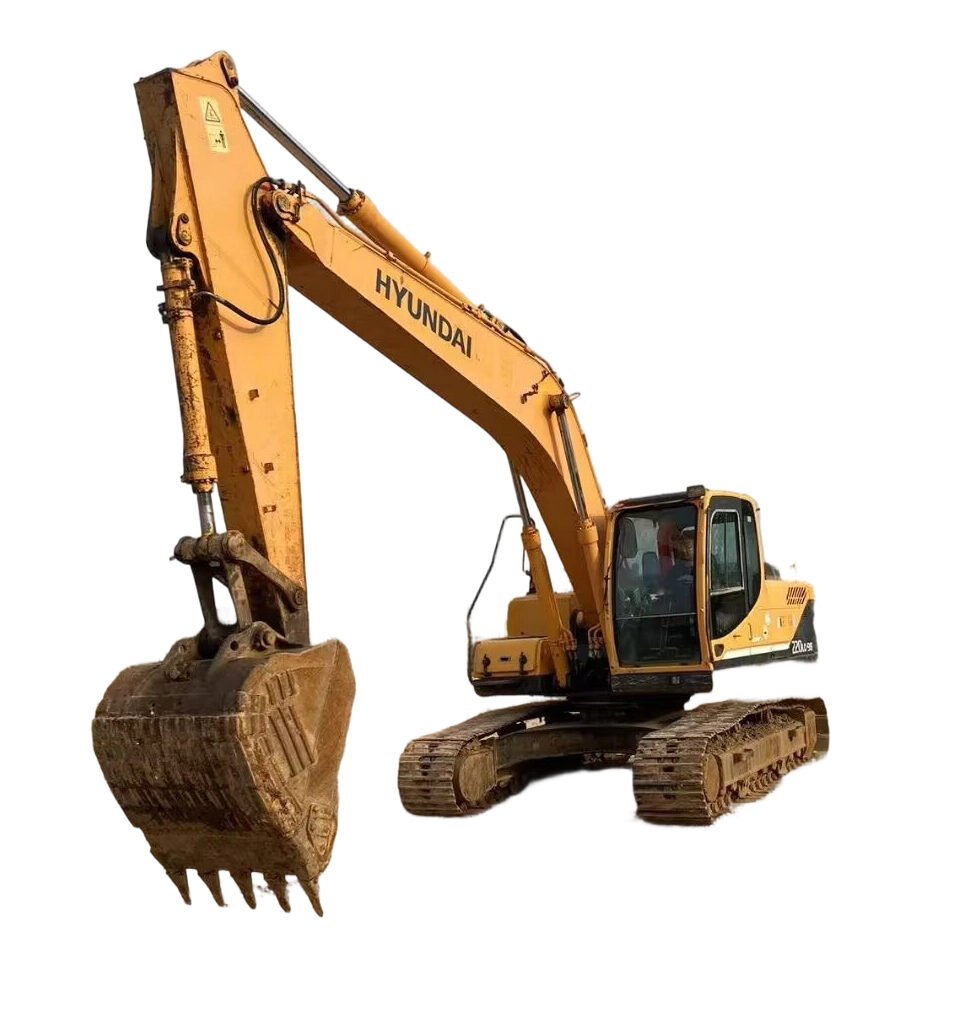
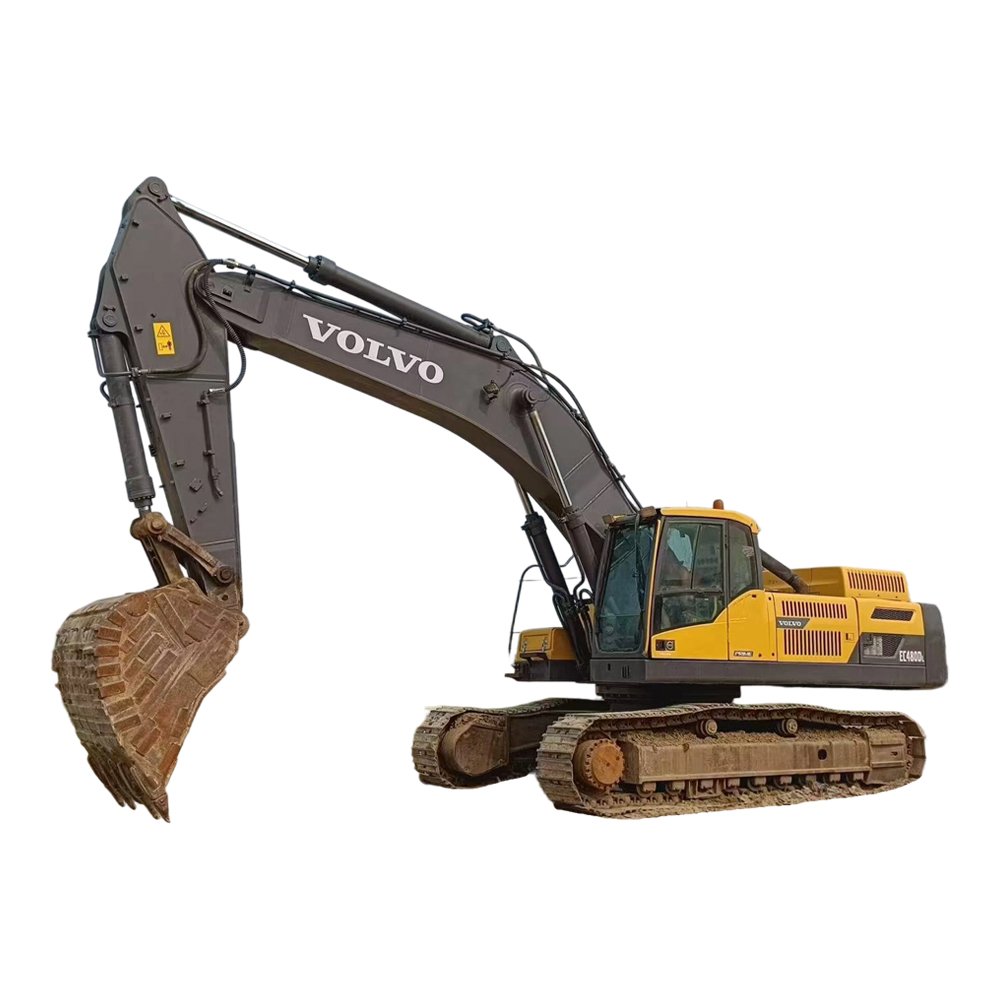
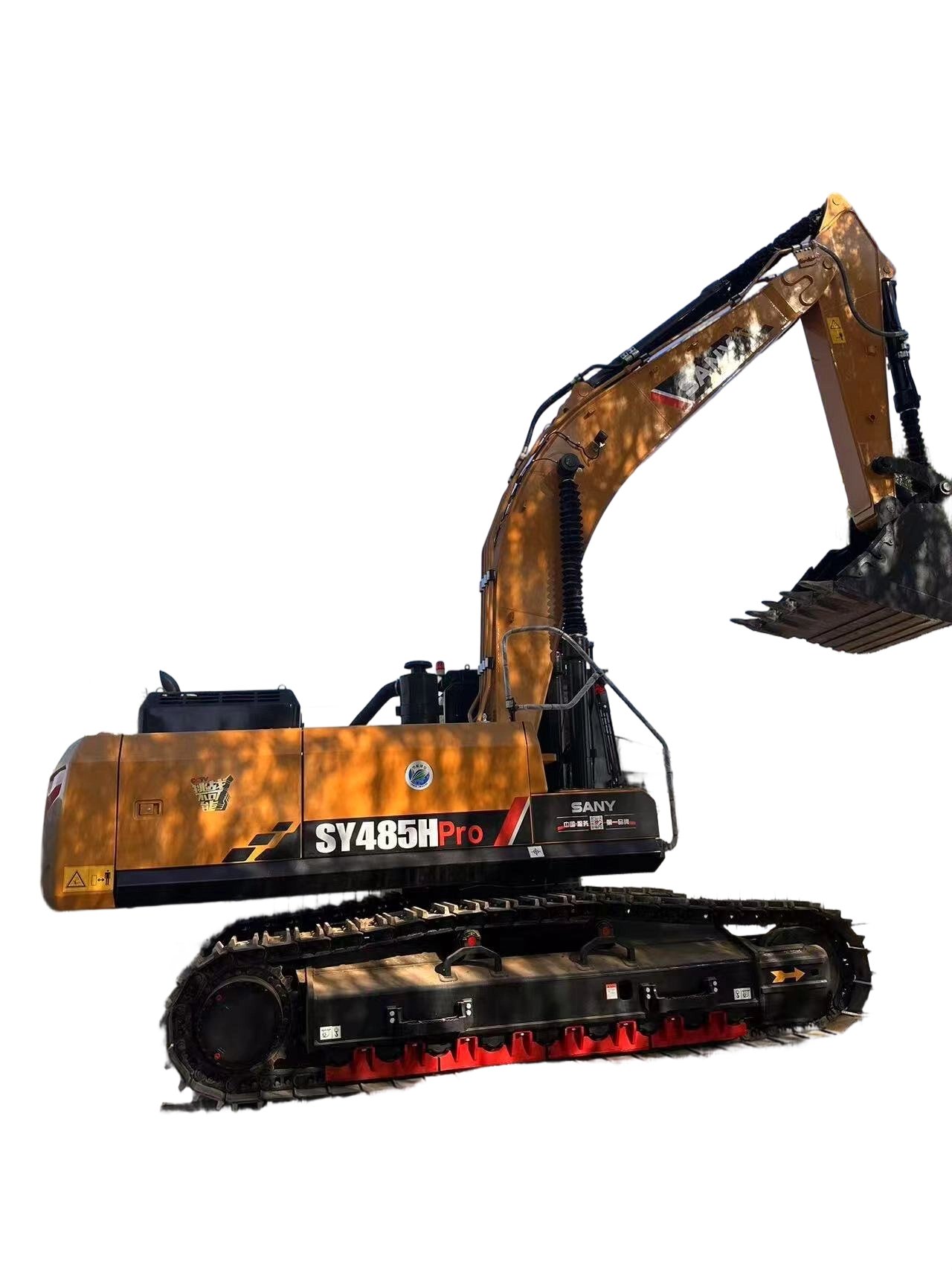
Second hand excavators have become a popular choice for construction companies, contractors, farmers, and small business owners looking for reliable heavy equipment at a more affordable cost. As infrastructure projects and land development continue growing worldwide, demand for used excavators remains strong across many industries.
Buying a second hand excavator can provide excellent value, especially for businesses aiming to balance performance, productivity, and budget. However, understanding pricing factors before purchasing is extremely important. Excavator prices can vary significantly depending on machine size, condition, operating hours, attachments, technology, and market demand.
This guide explains the key factors that influence second hand excavator prices, how buyers can evaluate equipment value, and what to consider before making an investment.
Why Second Hand Excavators Are in High Demand
The used heavy equipment market continues expanding because many businesses want cost effective machinery solutions without sacrificing operational capability. Second hand excavators often provide similar performance to newer models while offering substantial savings.
For smaller construction companies and independent contractors, used excavators create opportunities to expand equipment fleets while controlling startup and operational expenses. Many businesses also prefer second hand machinery for short term projects or seasonal workloads.
Another reason for strong market demand is the increasing durability of modern excavators. Advanced engineering and improved manufacturing standards allow many machines to maintain reliable performance over long periods when properly maintained.
In addition, the availability of replacement parts, attachments, and maintenance services has made owning second hand excavators more practical than ever before.
Main Factors That Affect Second Hand Excavator Prices
Several important factors directly influence used excavator pricing. Understanding these elements helps buyers make smarter purchasing decisions.
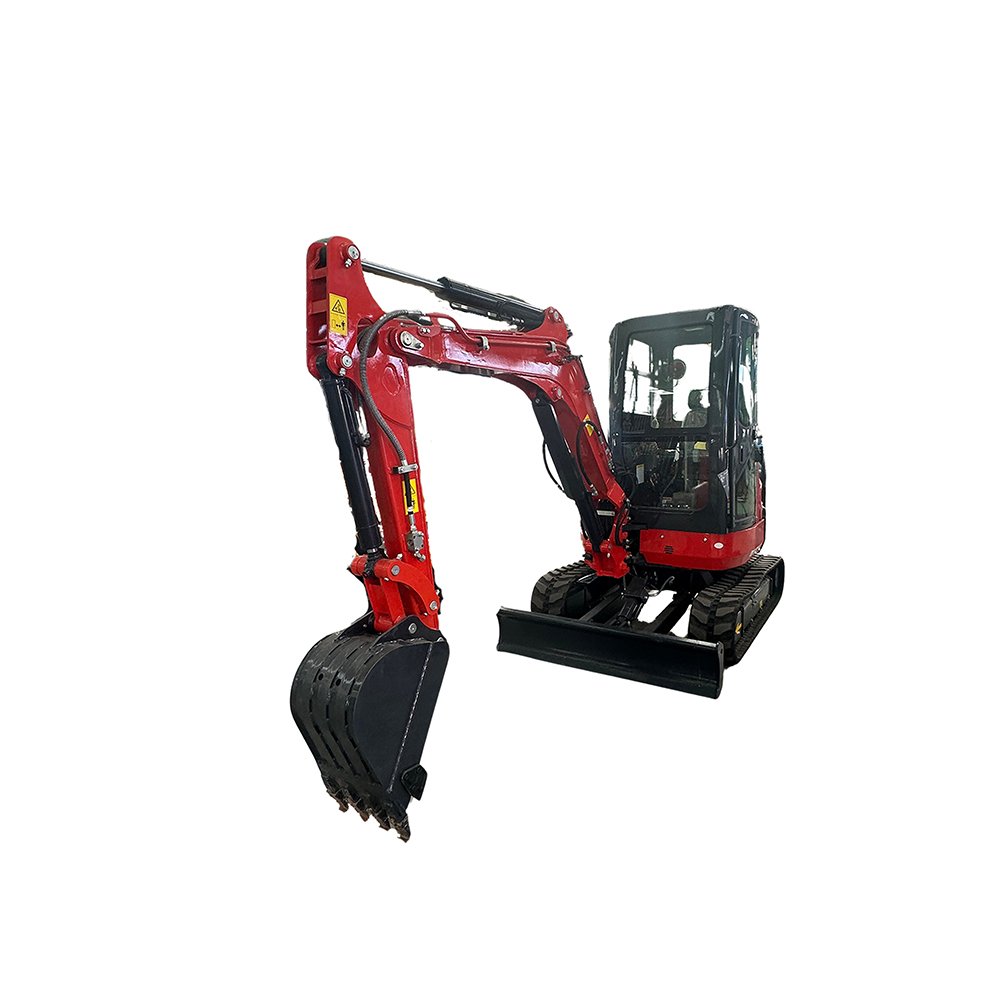
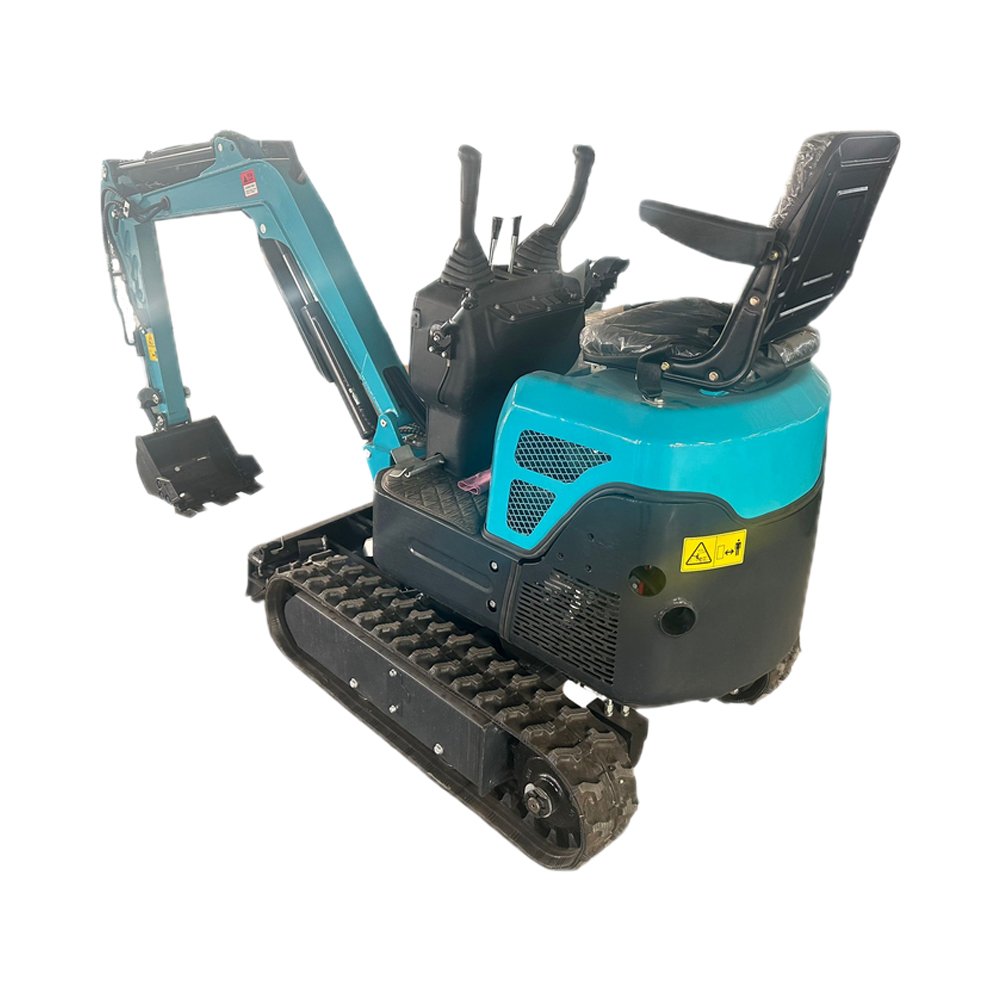
Machine size is one of the biggest pricing factors. Mini excavators are generally more affordable because they are designed for lighter construction tasks and smaller projects. Medium and large excavators typically cost more due to their higher digging power, engine capacity, and operational capabilities.
Operating hours also strongly impact resale value. Excavators with lower working hours are often priced higher because they usually have less wear and longer remaining service life. However, proper maintenance history is equally important when evaluating machine condition.
Machine age can affect pricing as well. Newer models may include advanced hydraulic systems, improved fuel efficiency, enhanced operator comfort, and updated technology features. Older machines may still offer excellent value if they have been properly maintained.
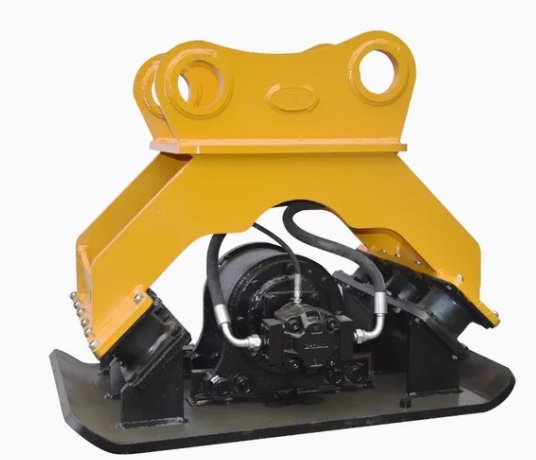
Attachments and additional equipment can also increase total value. Buckets, hydraulic breakers, quick couplers, grapples, and specialized tools add versatility and improve machine productivity. Excavators sold with multiple attachments may command higher prices.
Regional market demand plays another important role. In areas experiencing strong construction growth, second hand excavator prices may rise due to increased equipment demand.
Understanding Excavator Size Categories
Buyers should understand excavator categories before comparing prices because different machine sizes serve different applications.
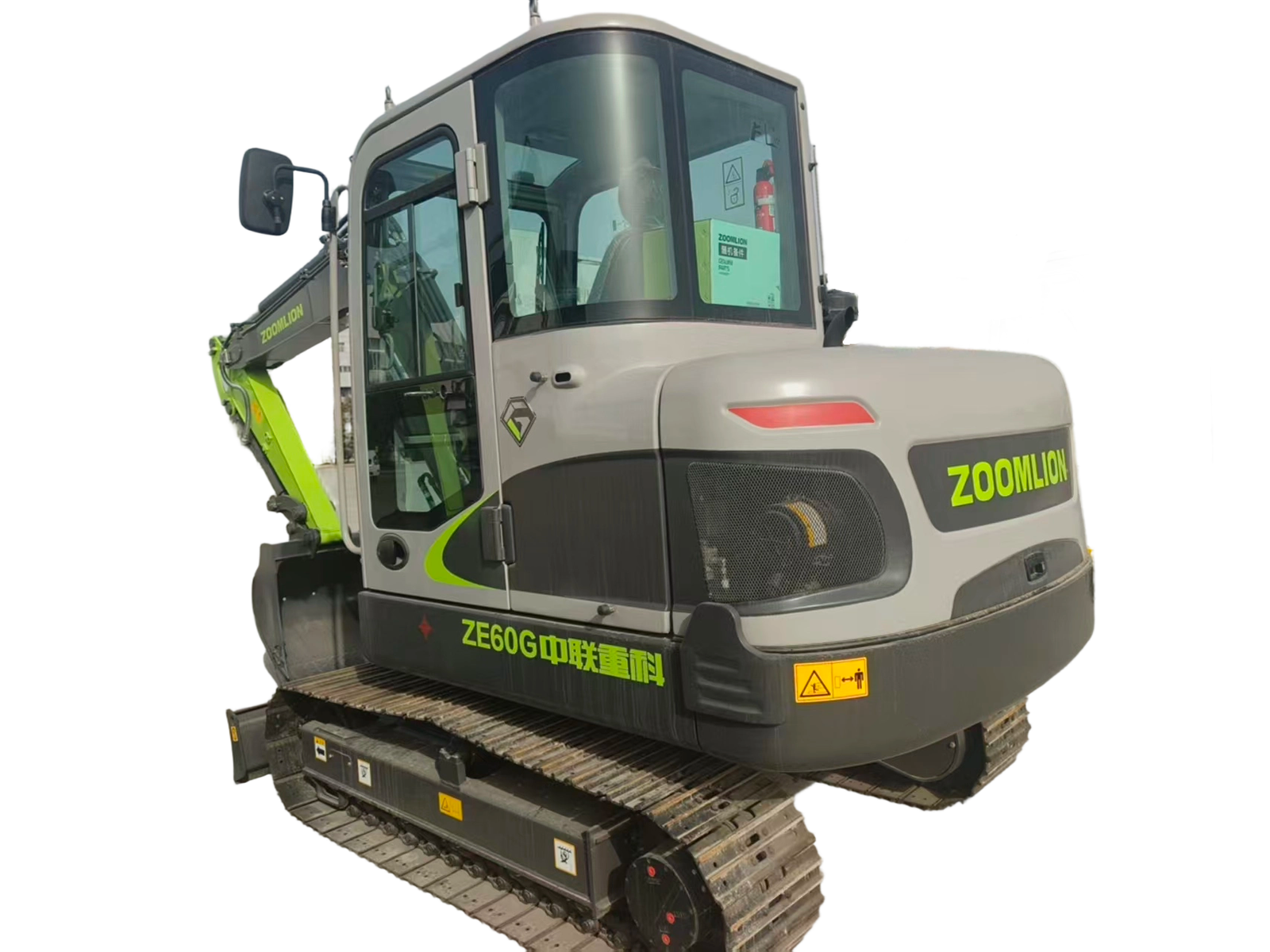
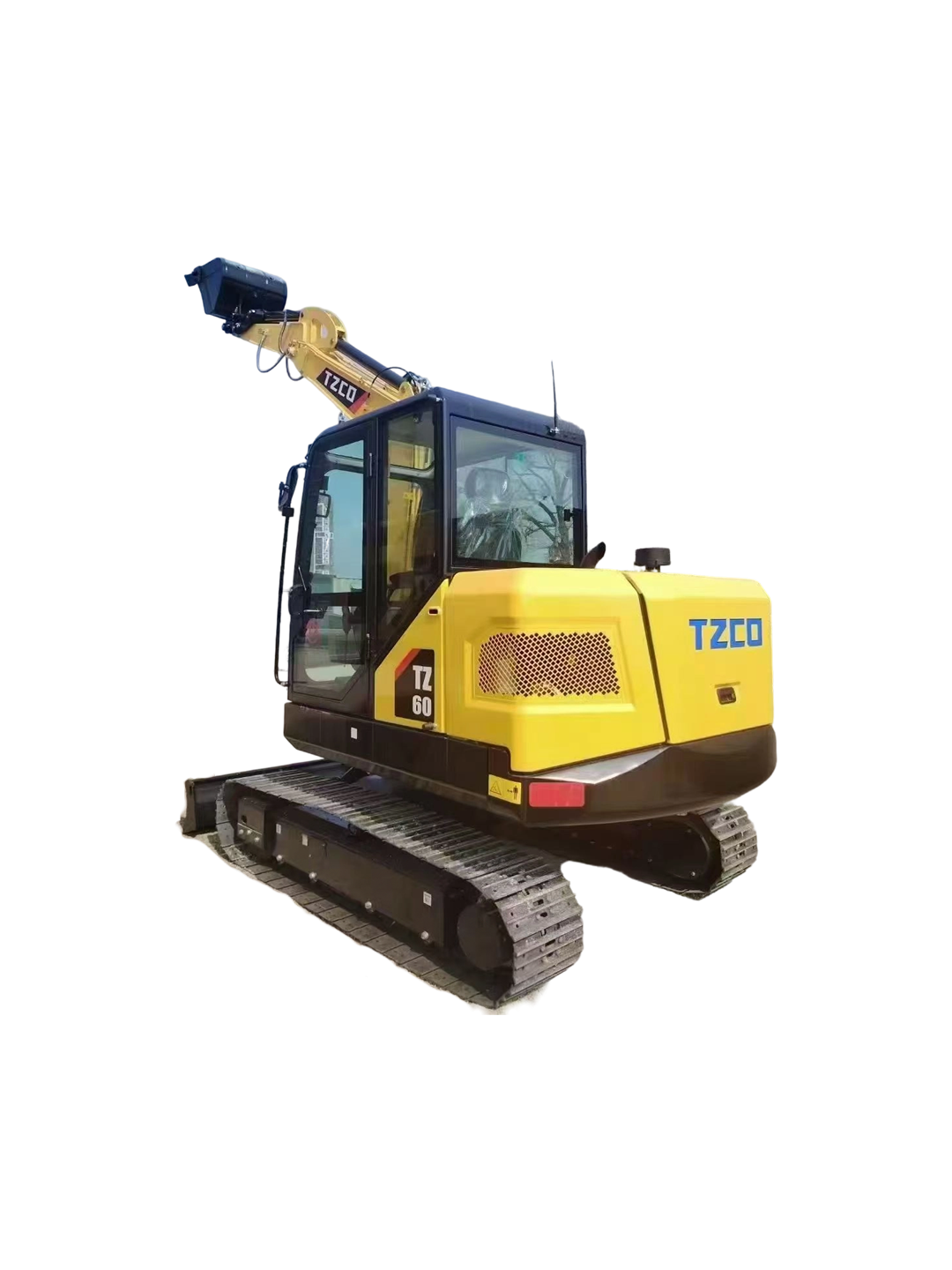
Mini excavators are commonly used for landscaping, residential construction, utility work, and projects with limited space. These machines are compact, fuel efficient, and easier to transport, making them highly popular among small contractors.
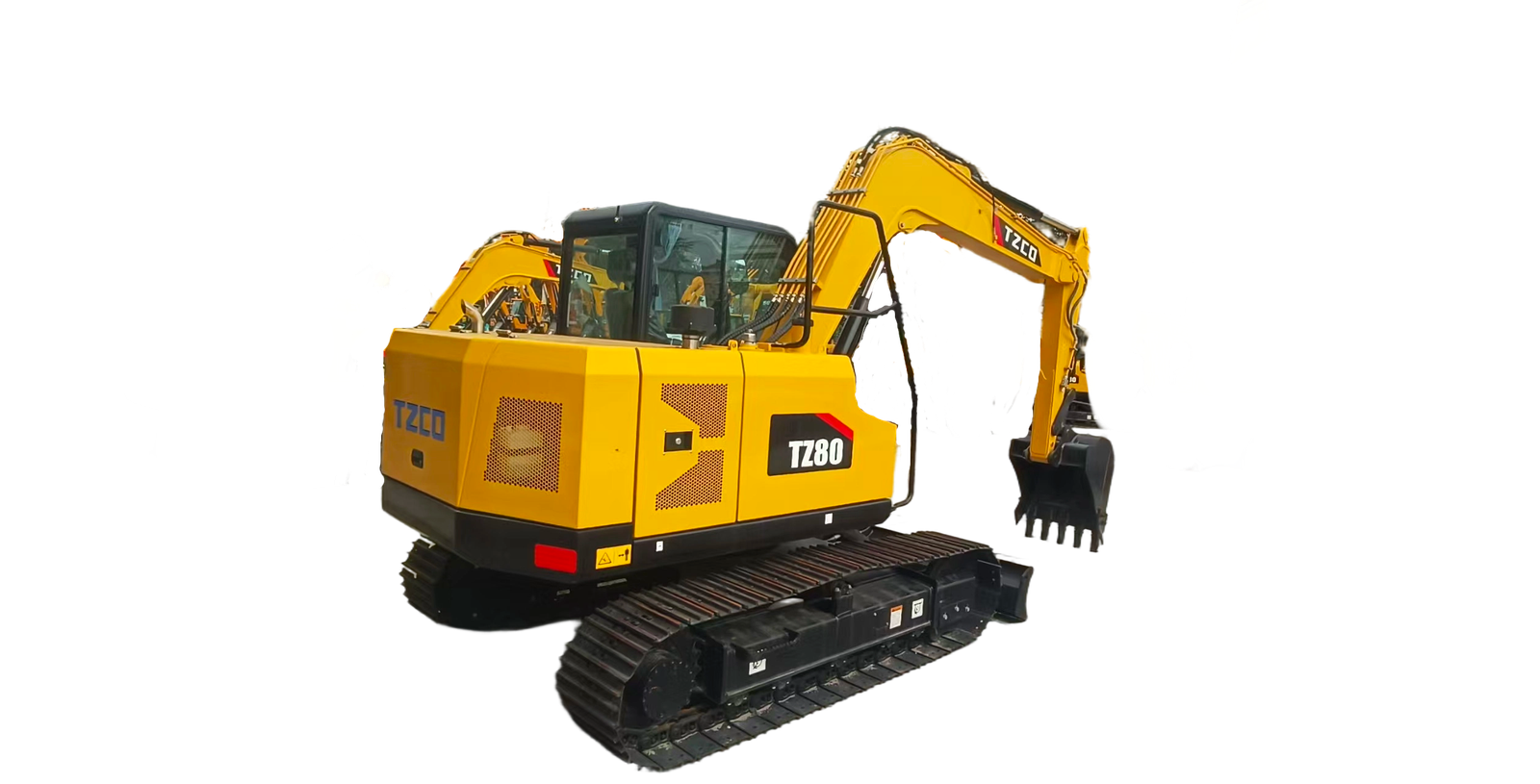
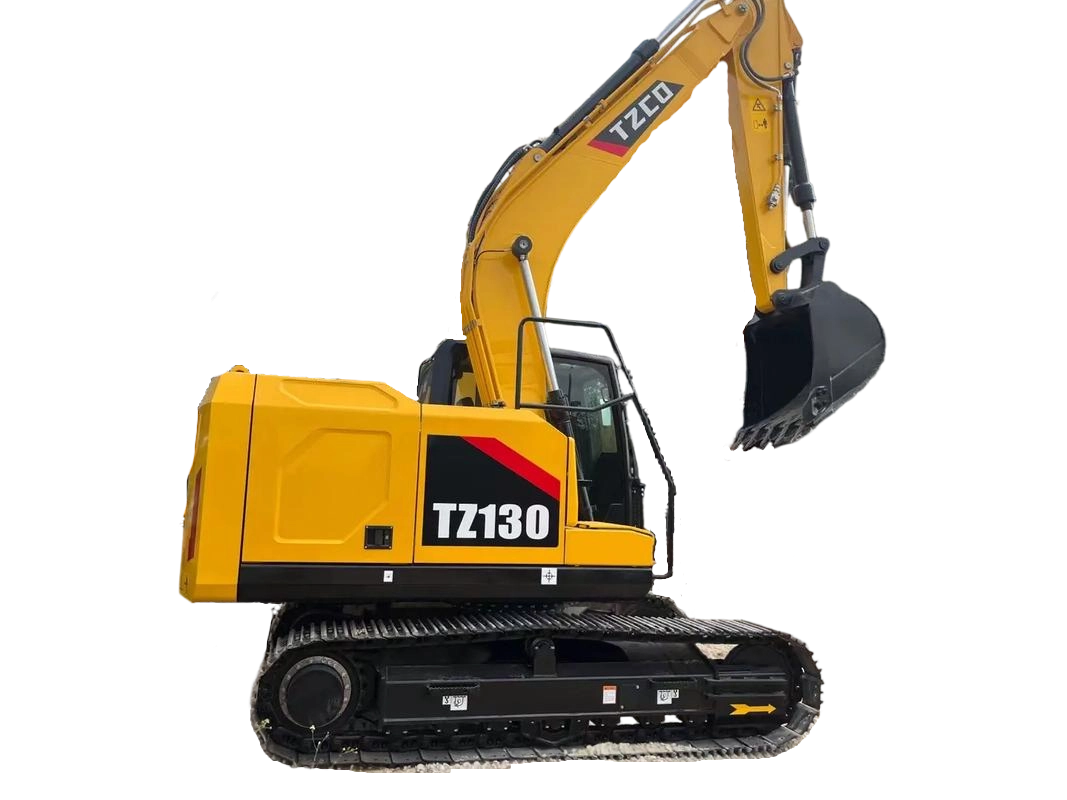
Medium excavators are suitable for general construction, roadwork, trenching, and commercial building projects. They provide a balance between power, mobility, and operational flexibility.
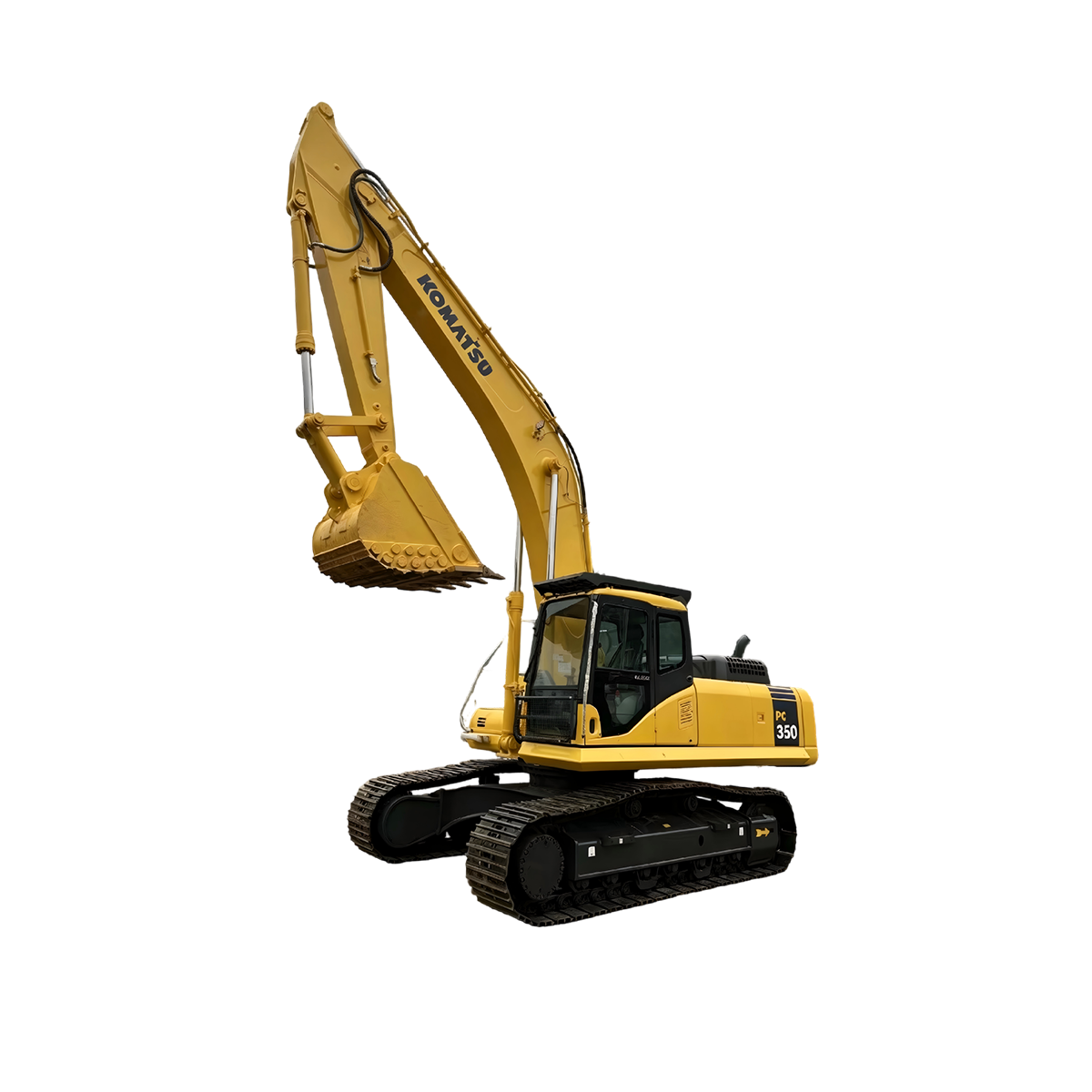
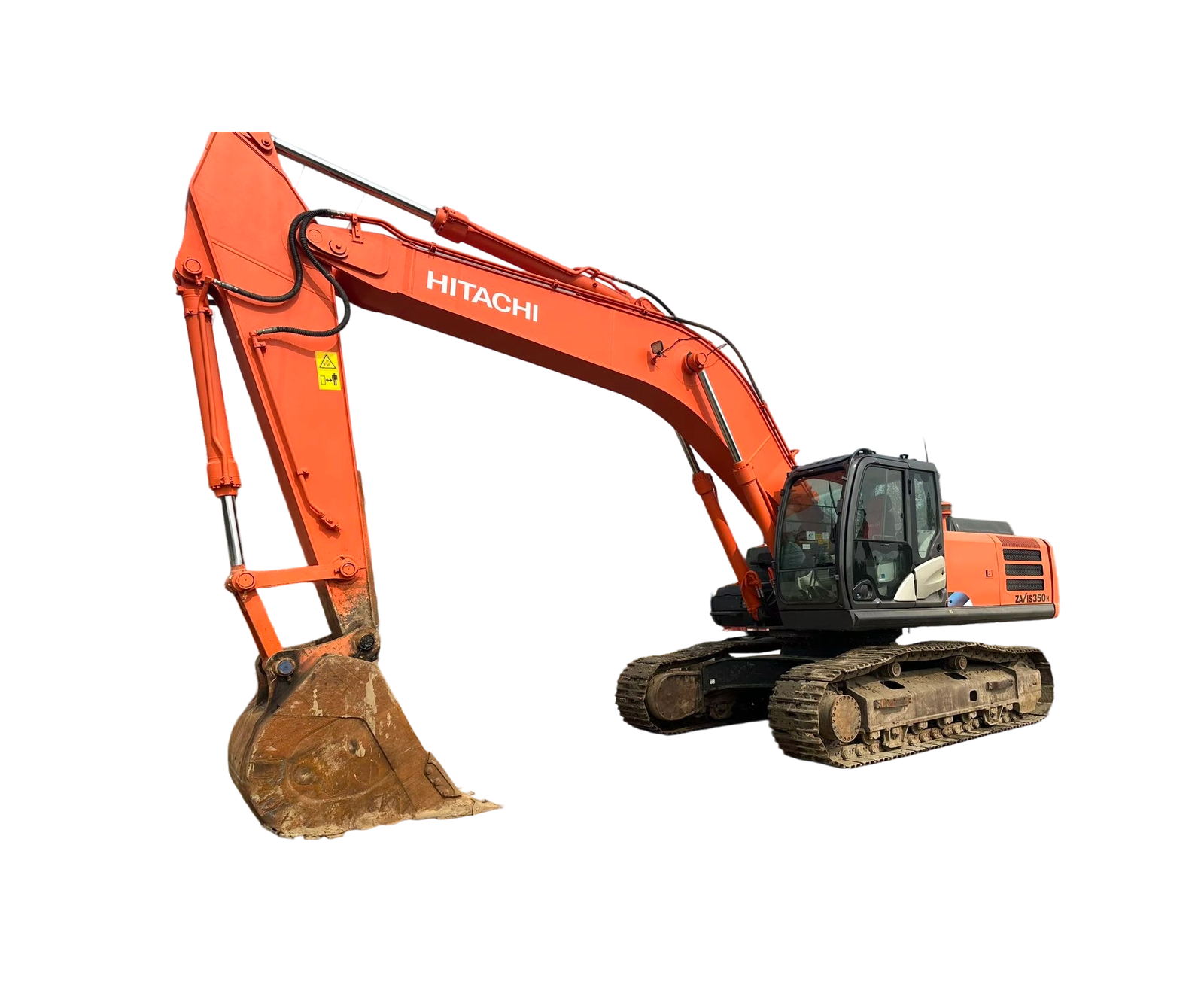
Large excavators are designed for mining, large scale earthmoving, heavy demolition, and industrial construction. Their higher power and lifting capacity usually result in significantly higher purchase prices.
Choosing the correct size helps buyers avoid unnecessary expenses while ensuring the machine meets project requirements.
How to Evaluate a Used Excavator Before Buying
A careful inspection is essential before purchasing any second hand excavator. Buyers should evaluate both mechanical performance and overall machine condition.
The engine is one of the most critical components to inspect. A smooth startup, stable operation, and clean exhaust performance usually indicate healthy engine condition. Buyers should also examine fluid levels and signs of regular servicing.
Hydraulic systems are equally important because excavators rely heavily on hydraulic power for digging and lifting operations. Inspecting hoses, cylinders, pumps, and hydraulic movement helps identify overall machine performance.
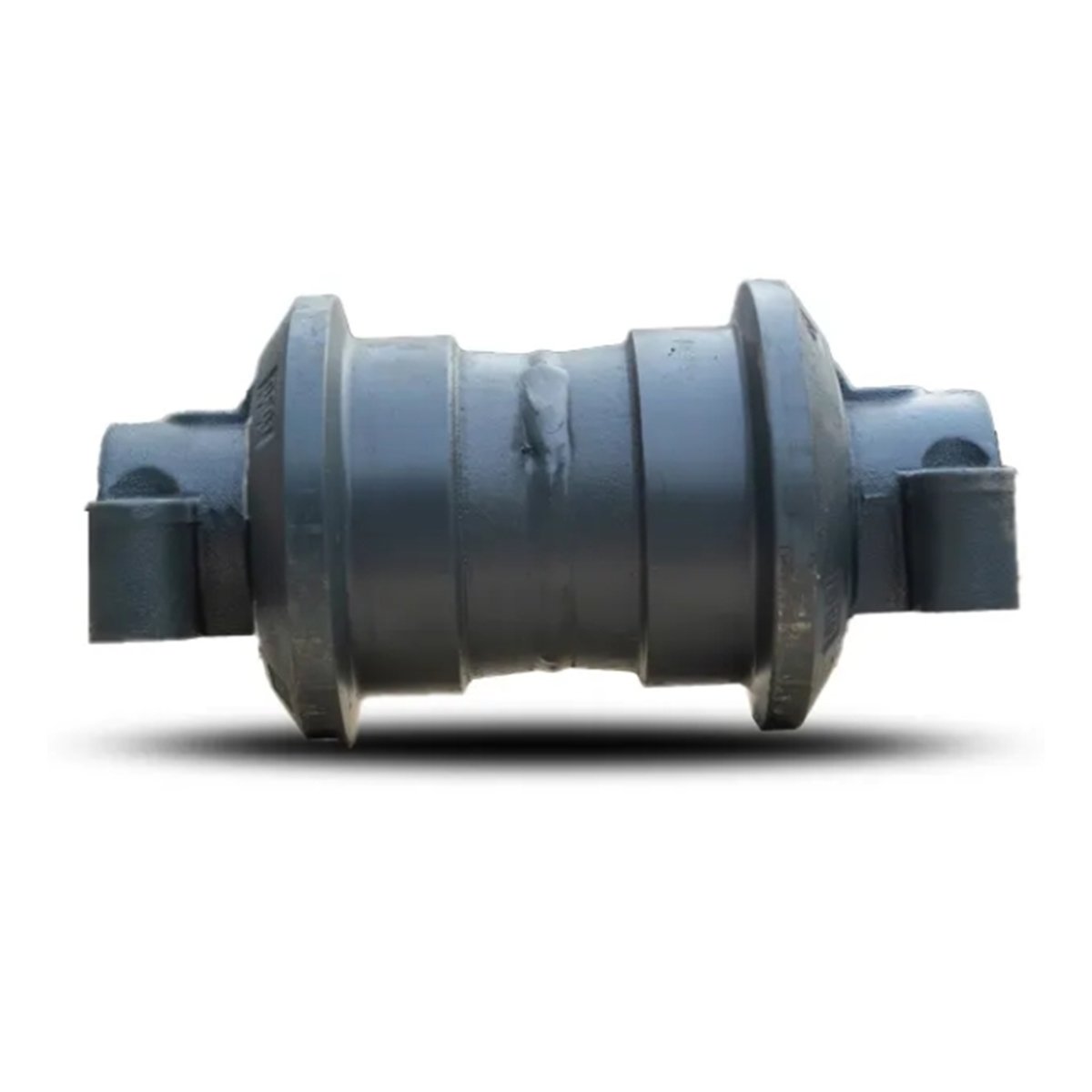
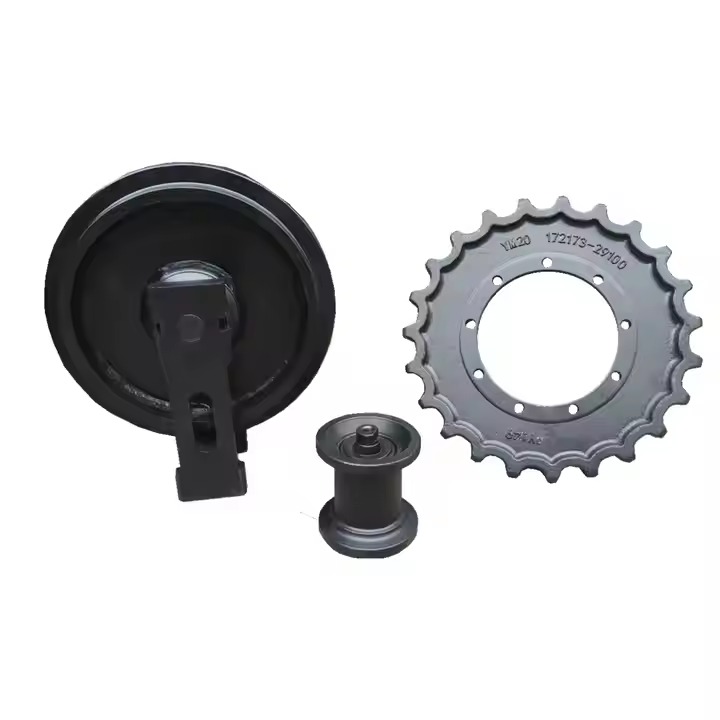
Undercarriage condition significantly affects long term operating costs. Tracks, rollers, sprockets, and idlers should be checked for excessive wear. A well maintained undercarriage improves machine stability and efficiency.
Cabin comfort and electronic systems should also be reviewed. Modern excavators often include digital displays, climate control, safety systems, and operator assistance technologies that improve productivity and working conditions.
Maintenance records provide valuable insight into machine history. Consistent servicing and documented repairs often indicate responsible ownership and better long term reliability.
Benefits of Buying a Second Hand Excavator
Purchasing a second hand excavator offers several advantages for businesses and equipment operators.
Lower upfront investment is one of the biggest benefits. Used equipment allows companies to access heavy machinery without the high costs associated with brand new models. This improves financial flexibility and helps businesses allocate budget toward other operational needs.
Depreciation is another important consideration. New construction equipment experiences the highest depreciation during the early years of ownership. Second hand excavators often retain value more steadily after the initial depreciation period.
Faster equipment availability also benefits buyers. Many used excavators are immediately available for delivery, allowing businesses to begin projects quickly without long manufacturing lead times.
Second hand equipment also provides opportunities for expanding fleets at a lower overall cost. Contractors can increase operational capacity while maintaining controlled budgets.
Tips for Finding Competitive Prices
Researching the market carefully is one of the best ways to secure competitive second hand excavator pricing. Comparing multiple listings and suppliers helps buyers understand average market value for specific machine types and configurations.
Buying from reputable equipment dealers or professional sellers may provide additional confidence regarding machine quality and service support. Many sellers also offer inspection reports and maintenance documentation.
Timing can also influence pricing opportunities. Seasonal market fluctuations may affect equipment availability and demand levels. Monitoring market trends helps buyers identify favorable purchasing periods.
Transport and logistics costs should also be included in total budget calculations. Excavator transportation expenses can vary depending on machine size and delivery distance.
Buyers should also consider future maintenance and operational costs when evaluating total ownership value. Fuel efficiency, replacement part availability, and service accessibility contribute to long term affordability.
Technology Trends in Modern Excavators
Modern excavators continue evolving with advanced technology features that improve productivity and efficiency.
GPS machine guidance systems, telematics monitoring, fuel optimization technology, and automated digging assistance are becoming more common in newer excavator models. These features help operators improve accuracy and reduce operating costs.
Hybrid and energy efficient excavator technologies are also gaining popularity as industries focus more on sustainability and fuel savings.
Safety systems such as 360 degree cameras, collision awareness systems, and improved cabin visibility continue enhancing operator protection and worksite efficiency.
Even in the second hand market, machines with modern technology features often attract stronger buyer interest and higher resale value.
Buying a second hand excavator can be a smart investment for construction businesses, contractors, and equipment operators seeking reliable performance at a lower cost. Understanding the key factors that influence pricing helps buyers make informed decisions and maximize long term value.
Machine size, operating hours, condition, attachments, maintenance history, and market demand all play important roles in determining excavator prices. Careful inspections and thorough market research allow buyers to identify high quality equipment that matches project needs and budget expectations.
As the global construction industry continues expanding, second hand excavators will remain an important solution for businesses looking to improve productivity, flexibility, and operational efficiency.