








Industry News
New Excavator Size Guide for Different Job Sites
May
Excavators are among the most important machines in modern construction, landscaping, mining, agriculture, and infrastructure development. Choosing the correct excavator size is essential for maximizing productivity, improving fuel efficiency, enhancing operator comfort, and ensuring smooth project execution. Different job sites require different machine sizes depending on space limitations, digging depth, lifting capacity, and ground conditions.
With the growing variety of excavator models available today, contractors and project managers must carefully evaluate their job site requirements before purchasing or renting equipment. This guide explains how different excavator sizes perform across various work environments and helps businesses select the most suitable machine for each project.
Understanding Excavator Size Categories
Excavators are commonly classified according to operating weight and machine dimensions. Each size category is designed for specific applications and worksite conditions.
The main excavator categories include:
- Mini excavators
- Compact excavators
- Medium excavators
- Large excavators
- Heavy-duty mining excavators
Understanding these categories helps contractors identify which machine best matches their operational requirements.
Machine size directly affects:
- Digging depth
- Reach capability
- Lifting power
- Maneuverability
- Fuel consumption
- Transportation requirements
Selecting the correct size improves efficiency while reducing unnecessary operating costs.
Mini Excavators for Small and Tight Job Sites
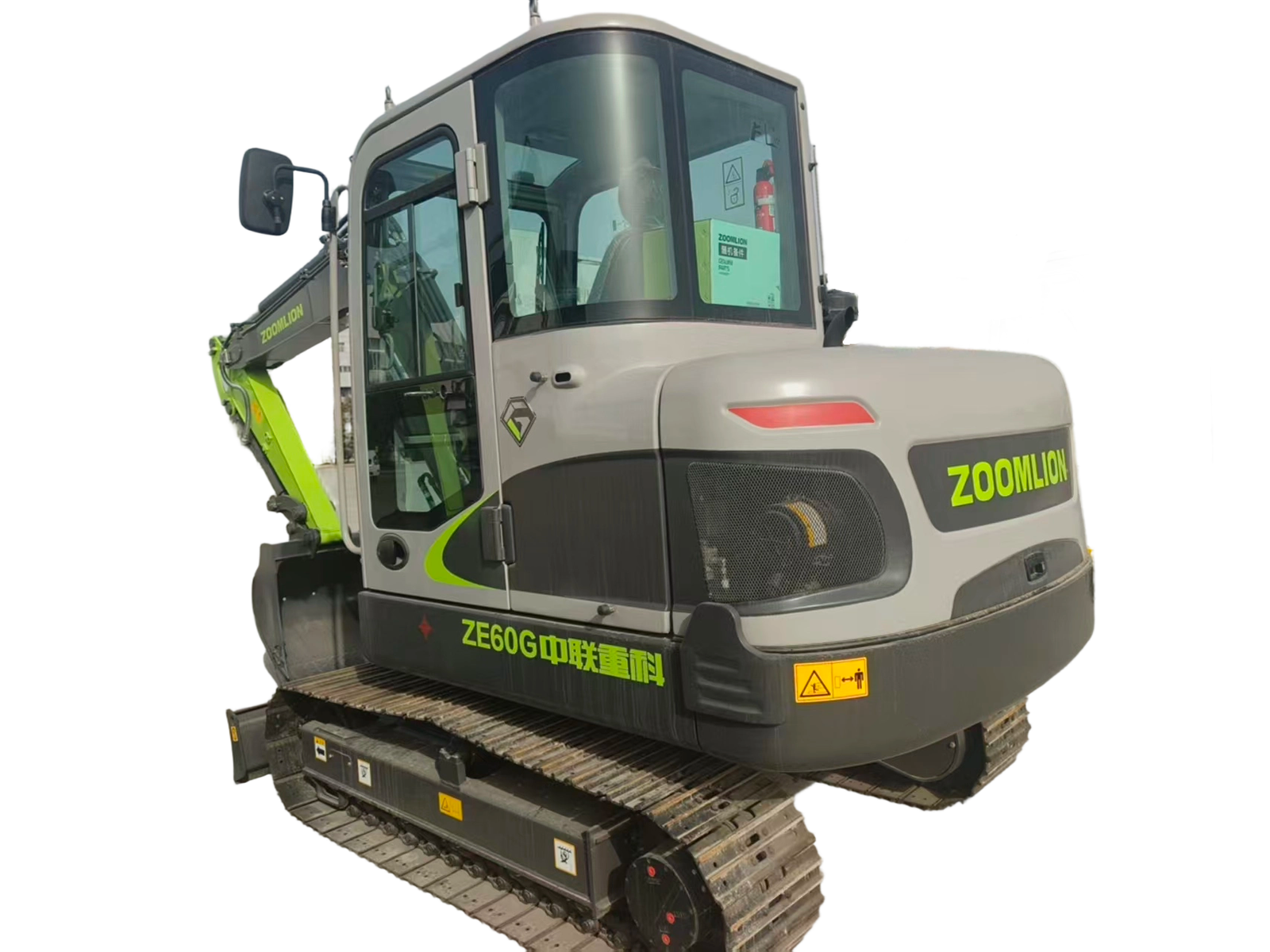
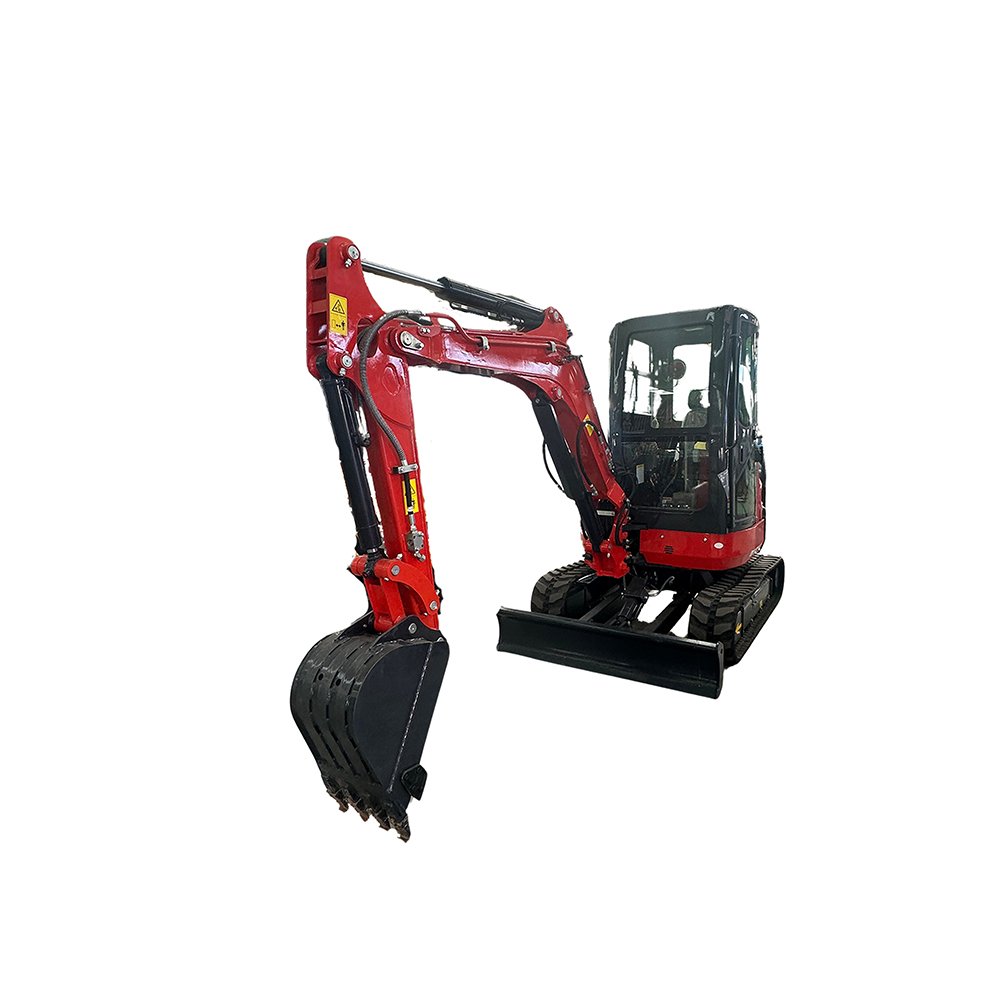
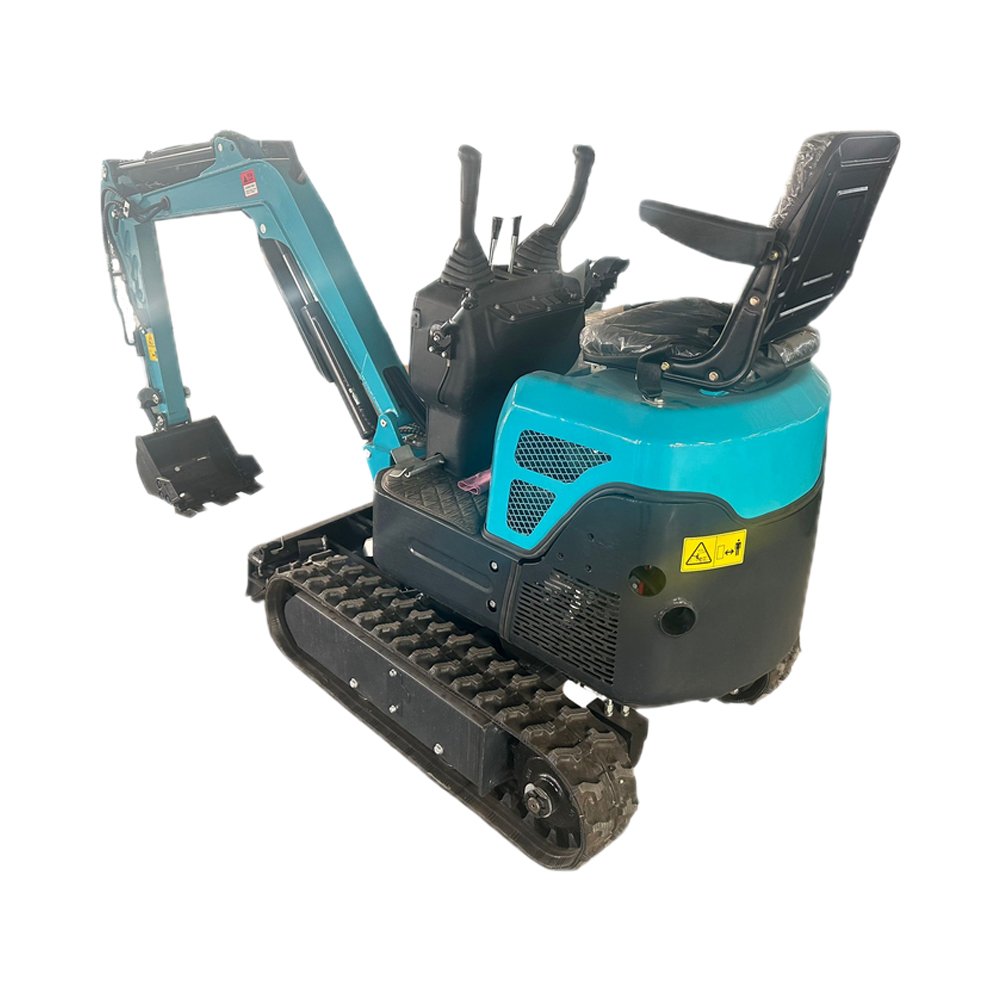
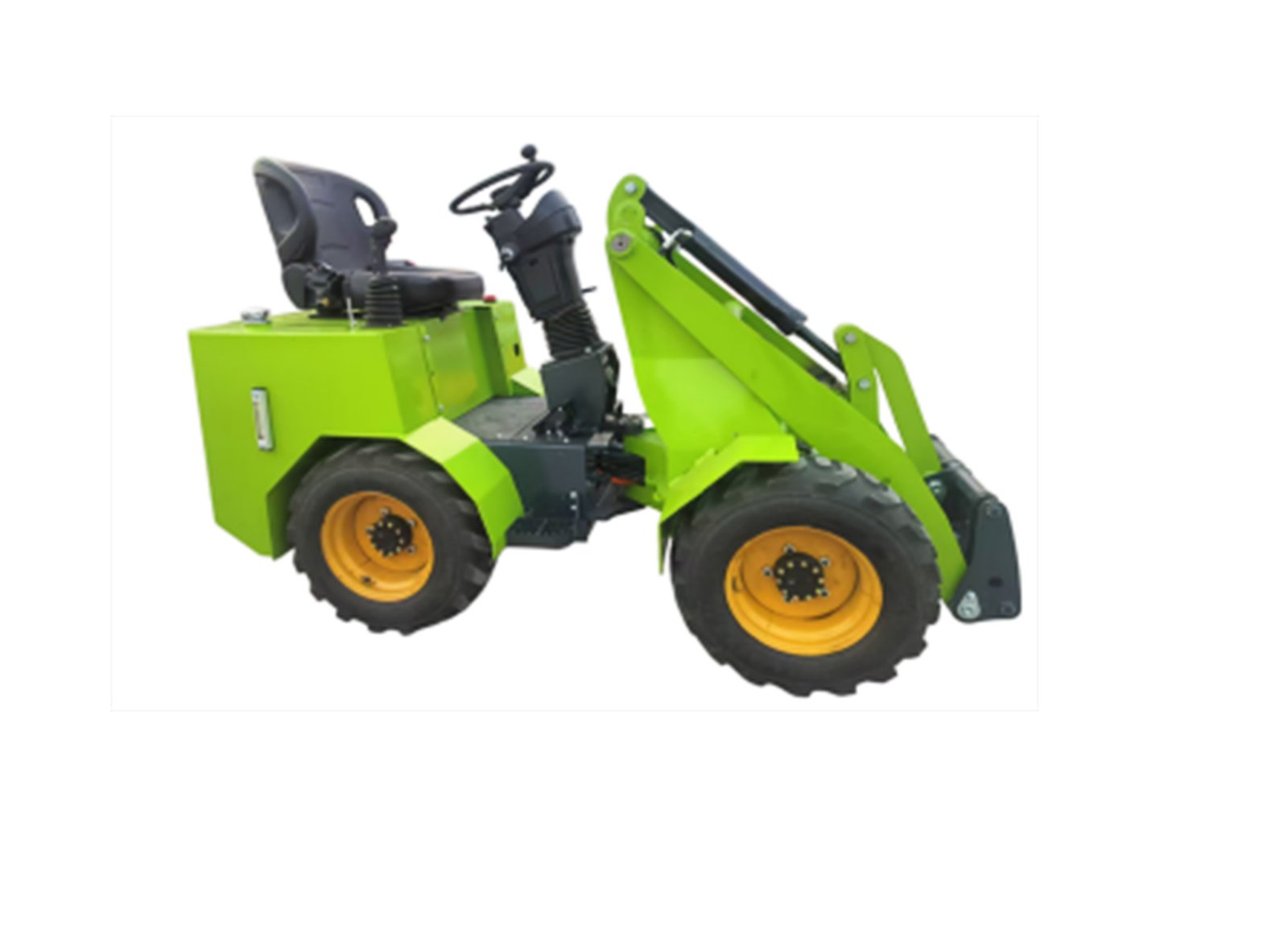
Mini excavators are among the most versatile machines for compact work environments. These machines generally weigh between 1 and 6 tons and are ideal for projects where maneuverability is critical.
Mini excavators are commonly used for:
- Residential landscaping
- Backyard construction
- Utility trenching
- Indoor demolition
- Small drainage projects
- Fence and pool installations
Their compact dimensions allow operators to work efficiently in narrow spaces such as urban streets, residential yards, and confined construction zones.
Mini excavators also offer advantages including:
- Lower fuel consumption
- Easier transportation
- Reduced ground disturbance
- Improved accessibility
- Lower operating costs
Because of their flexibility and ease of operation, mini excavators remain highly popular among contractors handling small-scale projects.
Compact Excavators for Urban Construction
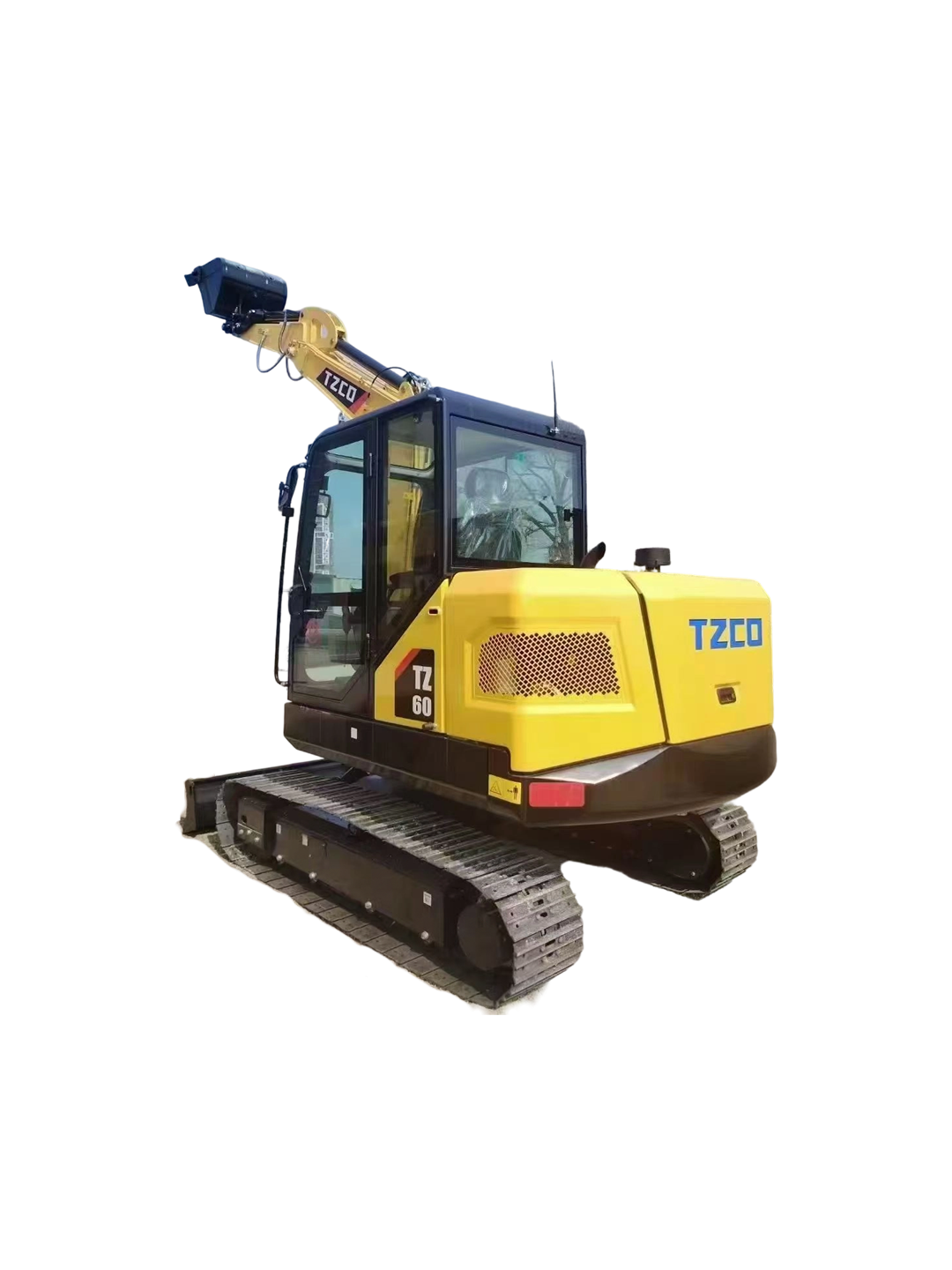
Compact excavators are slightly larger than mini excavators and provide additional power while maintaining strong maneuverability.
These machines are often suitable for:
- Urban infrastructure projects
- Roadside utility work
- Commercial landscaping
- Small commercial construction
- Light excavation projects
Compact excavators balance productivity and accessibility, making them ideal for job sites with moderate space restrictions.
Many compact models feature reduced tail swing designs, allowing safer operation near buildings, traffic zones, and obstacles.
Their improved digging power and lifting capacity compared to mini excavators help contractors complete projects more efficiently without requiring full-size equipment.
Medium Excavators for General Construction Projects
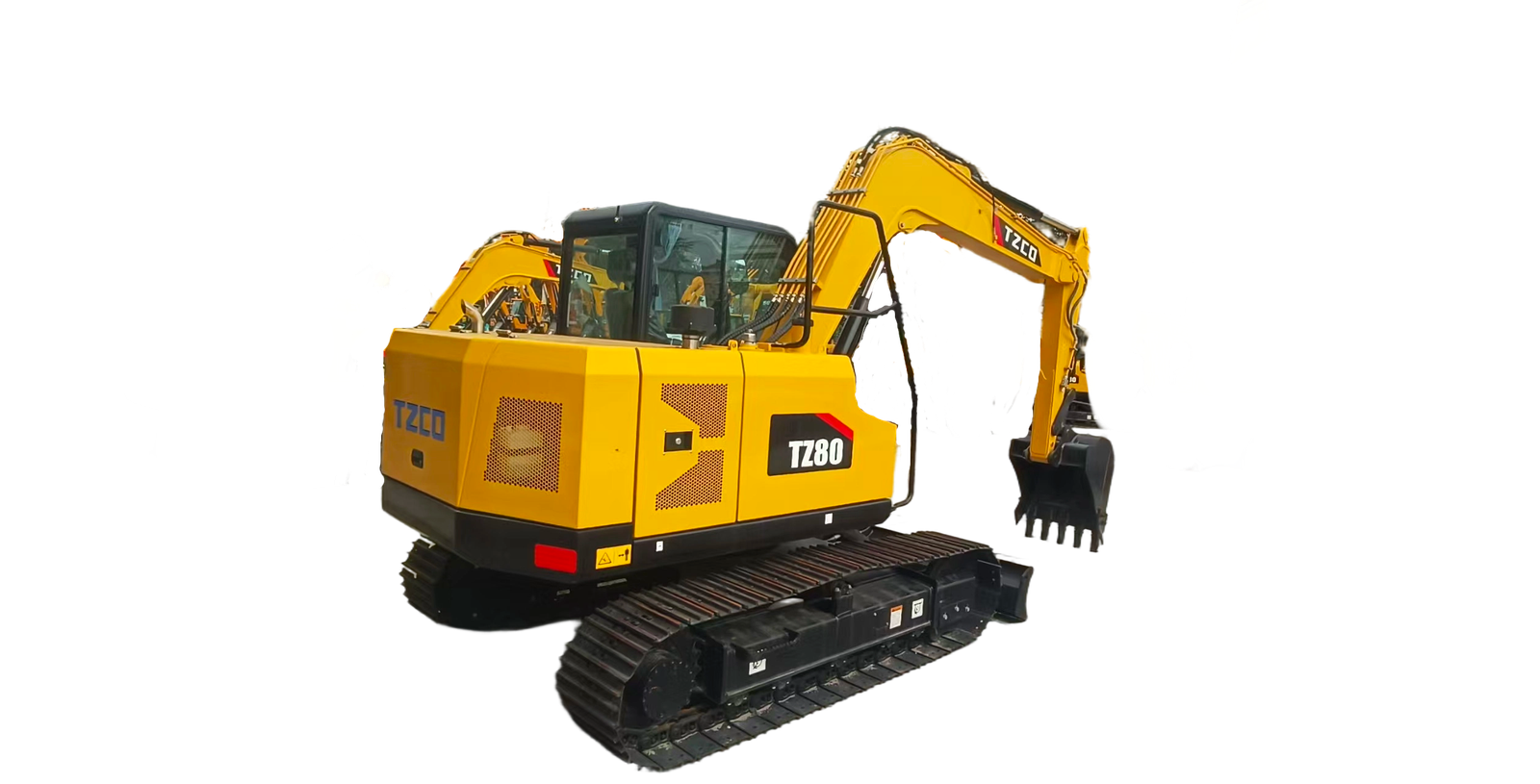
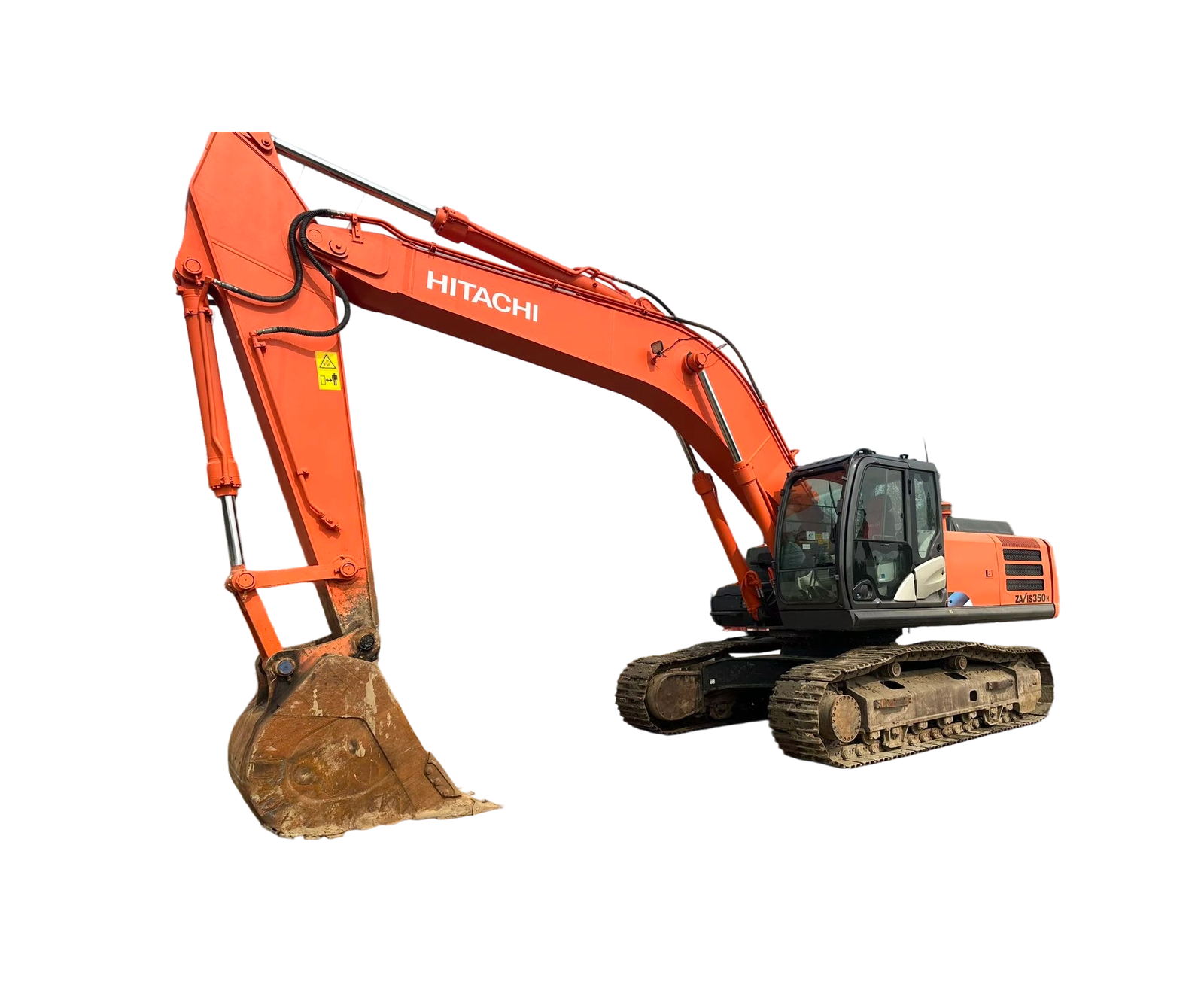
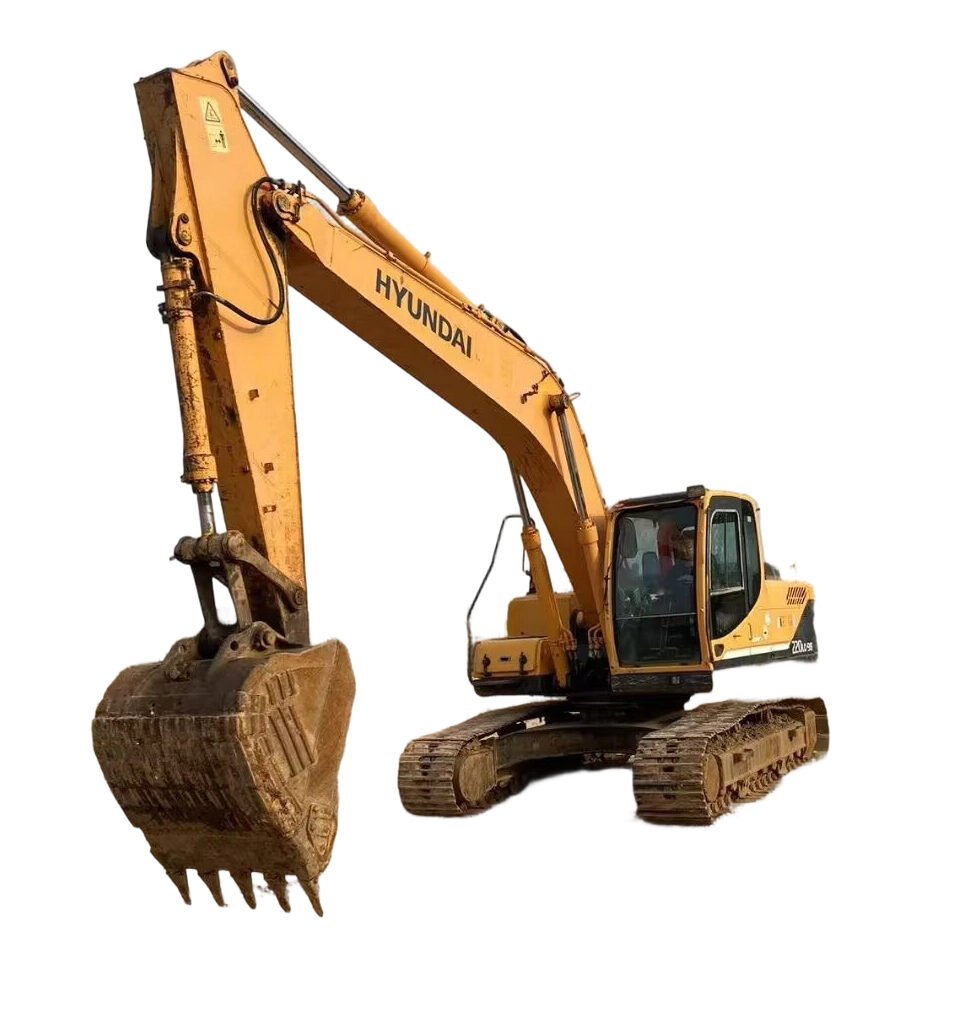
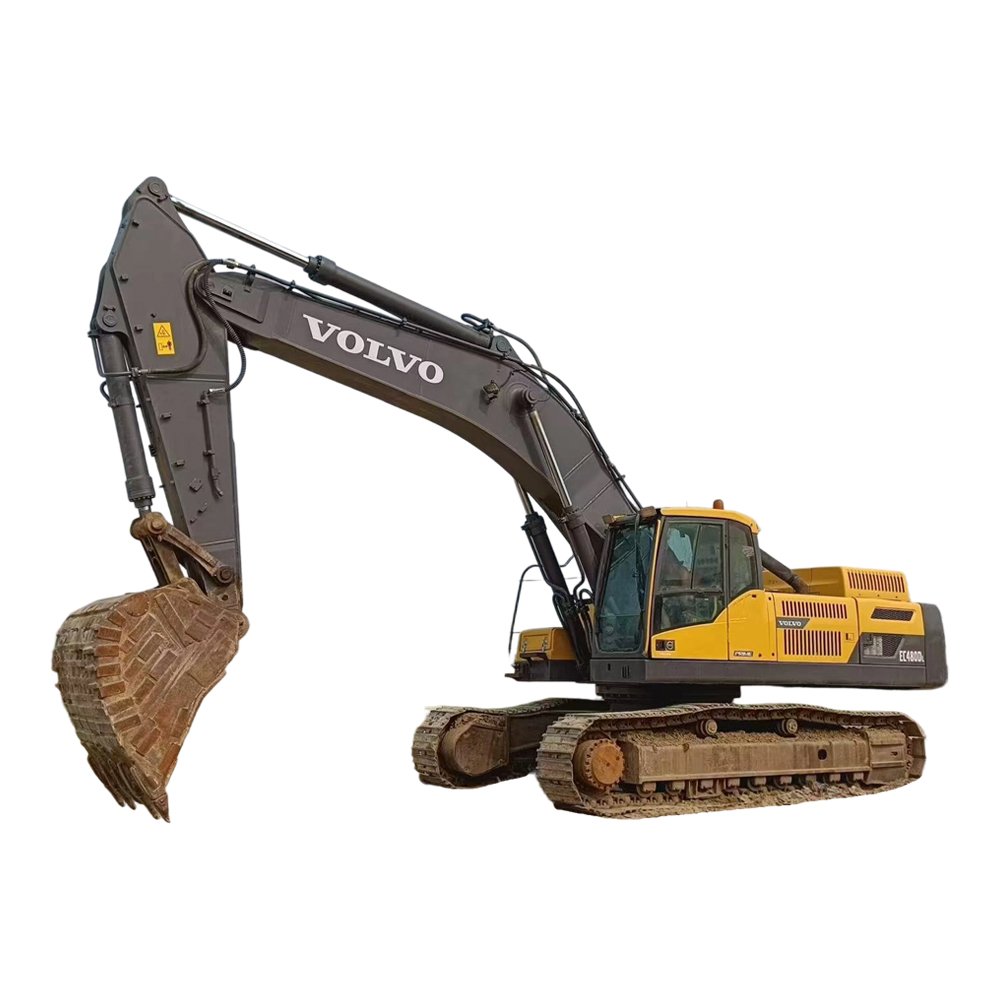
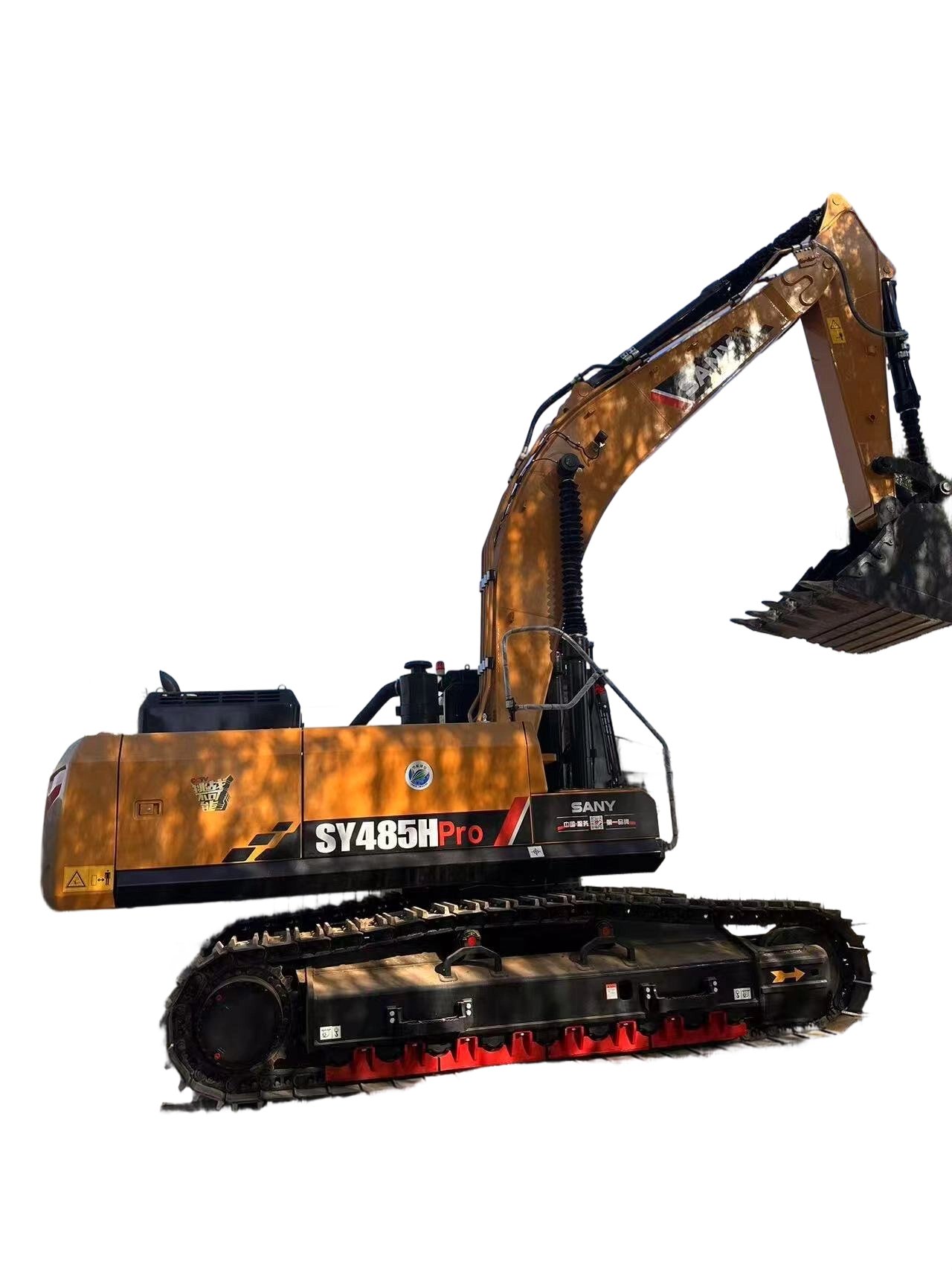
Medium excavators are among the most widely used machines in the construction industry. Typically ranging from 10 to 30 tons, these excavators provide strong digging performance, lifting capability, and operational stability.
They are commonly used for:
- Building foundations
- Road construction
- Utility installation
- Site preparation
- Pipeline excavation
- Large landscaping projects
Medium excavators offer a balance between power and versatility, making them suitable for a wide range of commercial and industrial projects.
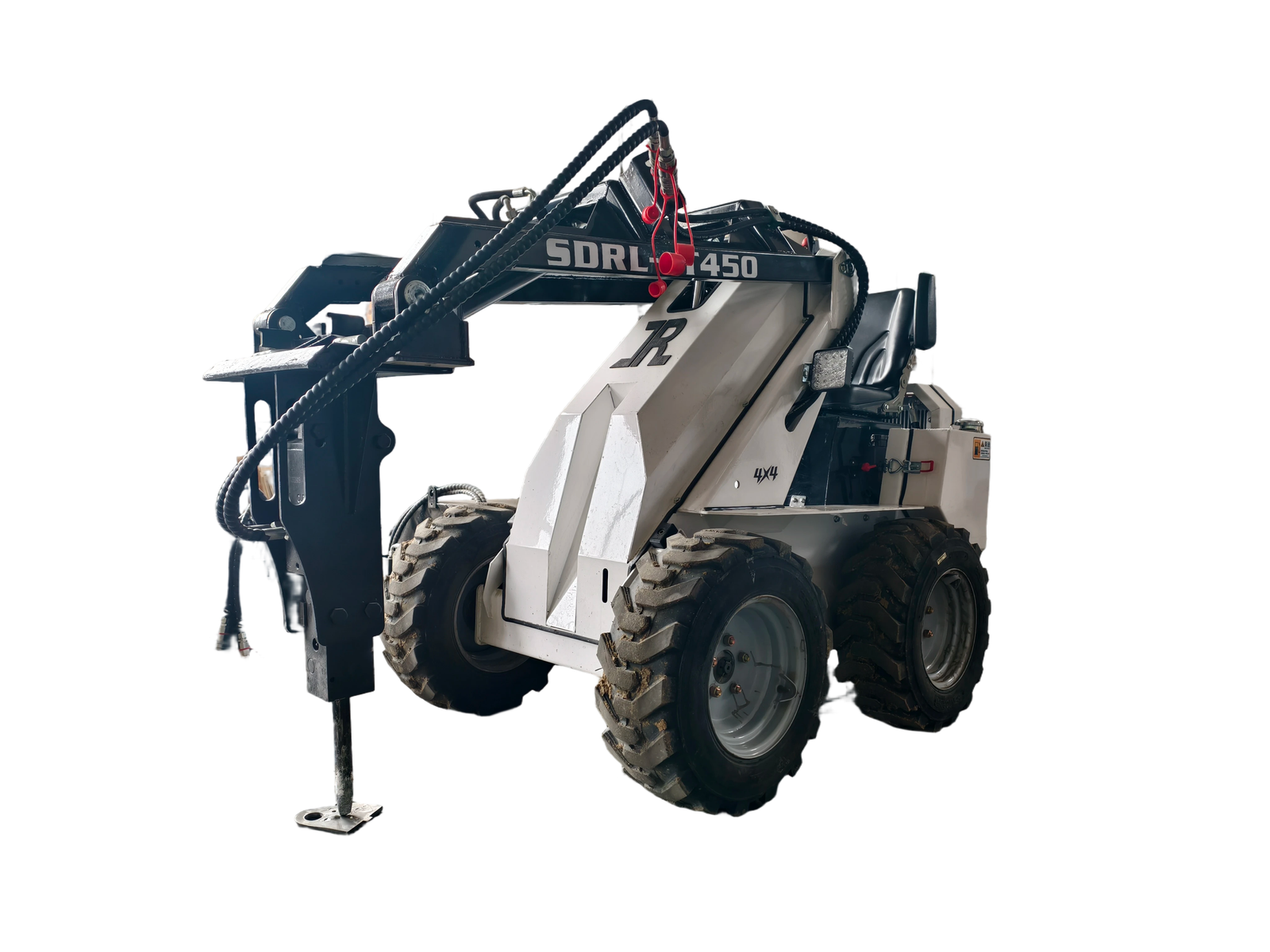
These machines often support various attachments including:
- Hydraulic breakers
- Grapples
- Augers
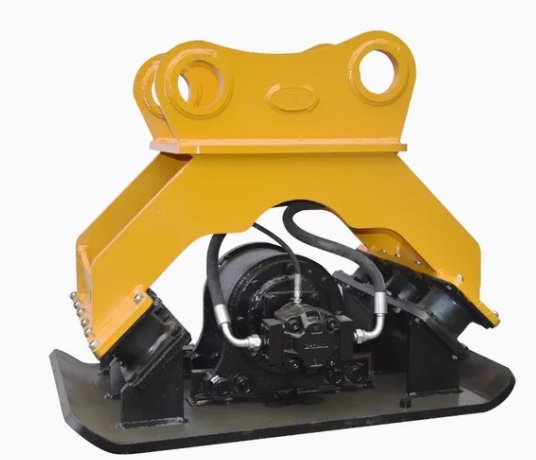
- Compactors
- Trenching buckets
Attachment compatibility increases operational flexibility and improves machine utilization across different job types.
Large Excavators for Heavy Construction
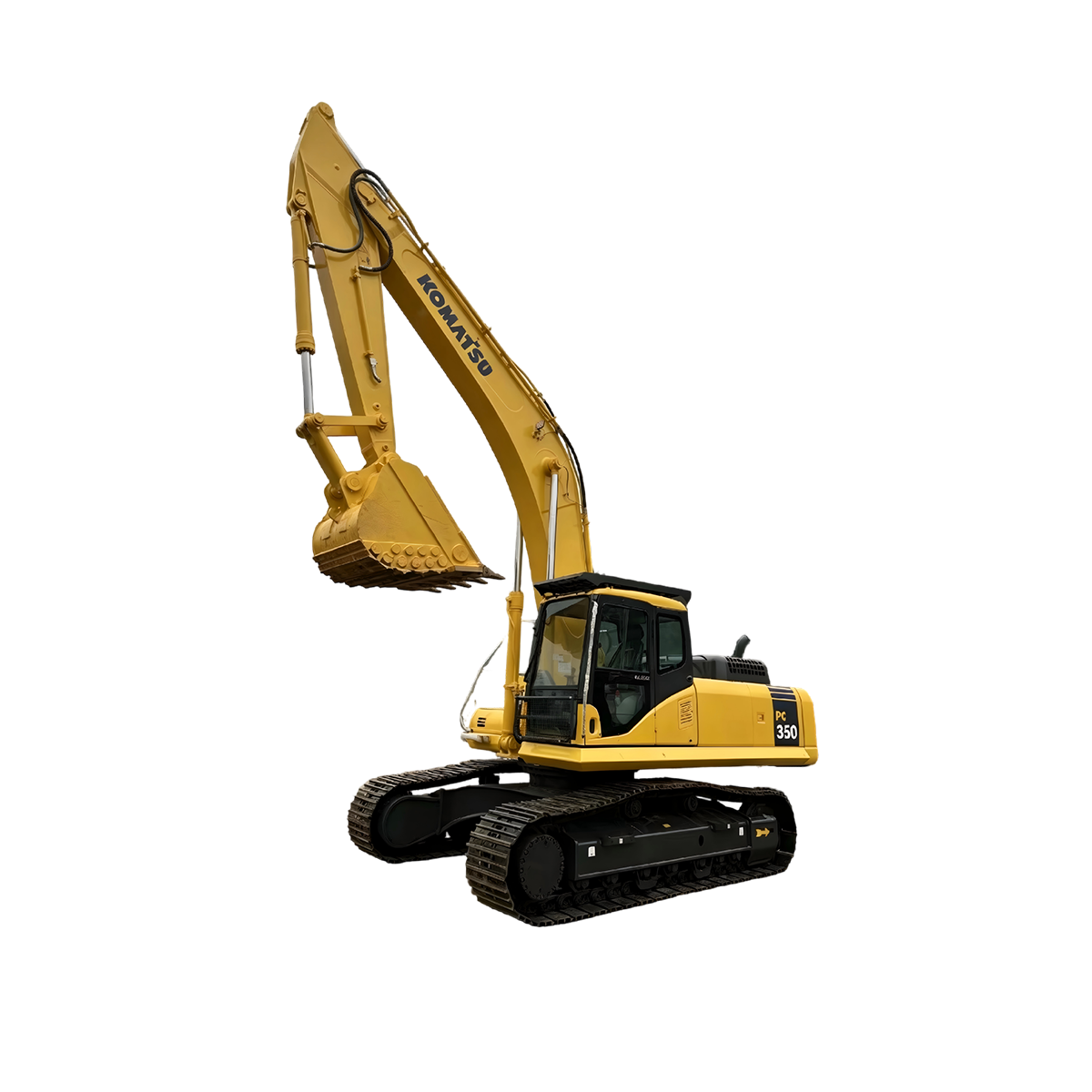
Large excavators are designed for demanding earthmoving and heavy construction applications. These machines generally exceed 30 tons and deliver exceptional digging depth, breakout force, and lifting power.
Large excavators are commonly used for:
- Highway construction
- Large-scale excavation
- Quarry operations
- Industrial development
- Major infrastructure projects
- Bulk material handling
Their powerful hydraulic systems allow efficient operation in tough ground conditions and high-volume excavation tasks.
Large excavators improve productivity on major construction sites where speed and material movement are critical.
Although they require larger working areas and transportation planning, their high production capacity often reduces total project completion time.
Heavy-Duty Mining Excavators
Mining excavators represent the largest category of excavation equipment. These machines are engineered for continuous operation in extremely demanding environments.
Mining excavators are used for:
- Surface mining
- Large quarry operations
- Mineral extraction
- Heavy overburden removal
- Large-scale earthmoving
These machines provide enormous bucket capacities and advanced hydraulic power systems capable of handling massive material volumes.
Because mining environments involve extreme workloads, these excavators are designed for durability, reliability, and extended operating hours.
Advanced monitoring technologies also help optimize maintenance scheduling and operational efficiency.
Matching Excavator Size to Job Site Conditions
Choosing the correct excavator size depends heavily on job site characteristics. Even highly powerful machines may become inefficient if they do not match the working environment.
Important factors to evaluate include:
- Available workspace
- Ground conditions
- Access limitations
- Digging depth requirements
- Material type
- Transportation logistics
- Project duration
For example, a compact urban site may benefit from a mini excavator, while a large infrastructure project may require medium or large excavators for maximum productivity.
Matching machine size to worksite conditions improves safety, efficiency, and operational performance.
Excavator Reach and Digging Depth Considerations
Reach and digging depth are critical performance factors when selecting an excavator.
Larger excavators generally provide:
- Greater digging depth
- Extended reach
- Larger bucket capacity
- Increased lifting height
However, smaller excavators may offer superior maneuverability in confined areas.
Contractors should evaluate project specifications carefully to ensure the selected machine can achieve the required excavation depth and working radius efficiently.
Choosing an excavator with insufficient reach may slow production, while oversized machines may increase fuel and transportation costs unnecessarily.
Transportation and Mobility Factors
Excavator transportation is another important consideration when selecting equipment size.
Mini and compact excavators are easier to transport using smaller trailers and trucks. This reduces transportation costs and improves mobility between multiple job sites.
Larger excavators often require:
- Specialized hauling equipment
- Transport permits
- Additional logistics planning
Businesses managing multiple smaller projects may benefit from highly mobile equipment that can move quickly between locations.
Transportation efficiency can significantly impact overall project scheduling and operating expenses.
Fuel Efficiency and Operating Costs
Excavator size directly influences fuel consumption and operating costs.
Smaller excavators generally offer:
- Lower fuel usage
- Reduced maintenance expenses
- Lower ownership costs
- Easier servicing
Larger machines consume more fuel but may complete heavy excavation tasks much faster.
The goal is to balance machine productivity with operational efficiency. Choosing the correct excavator size helps businesses optimize both performance and cost management.
Modern excavators also include advanced fuel-saving technologies that improve efficiency across different machine categories.
Attachment Compatibility and Job Site Flexibility
Many modern excavators support a wide range of attachments, allowing one machine to perform multiple tasks.
Popular attachments include:
- Buckets
- Hydraulic hammers
- Grapples
- Rippers
- Compactors
- Augers
Attachment compatibility increases machine versatility and improves return on investment.
Contractors working on varied job sites may benefit from selecting excavators capable of handling multiple attachment types efficiently.
This flexibility reduces the need for additional specialized equipment.
Operator Comfort and Productivity
Operator comfort plays an important role in overall job site productivity.
Modern excavators often feature:
- Ergonomic controls
- Climate-controlled cabins
- Advanced display systems
- Reduced vibration technology
- Improved visibility
Comfortable operators can work more efficiently and maintain higher productivity levels during long operating hours.
Machine size may also affect operator visibility and ease of control depending on the job site environment.
Selecting equipment that supports operator efficiency contributes to smoother project execution.
Safety Considerations for Different Excavator Sizes
Safety remains one of the most important considerations when choosing excavation equipment.
Different excavator sizes require different safety planning based on:
- Machine stability
- Site congestion
- Ground conditions
- Visibility
- Lifting operations
Smaller excavators may be safer in confined urban environments, while larger machines provide stability for heavy lifting and deep excavation.
Proper operator training and machine selection help reduce risks and improve overall site safety.
Technology Advancements in Modern Excavators
Modern excavators increasingly integrate advanced technology systems to improve productivity and machine management.
New features may include:
- GPS machine control
- Telematics systems
- Real-time diagnostics
- Fuel efficiency monitoring
- Automated digging assistance
- Predictive maintenance alerts
These technologies help contractors optimize machine performance and reduce downtime across different project types.
As smart construction technology continues evolving, excavator efficiency and precision are expected to improve even further.
Choosing the Right Excavator for Long-Term Business Growth
Selecting the correct excavator is not only about current project requirements but also long-term business strategy.
Companies should consider:
- Future project types
- Fleet expansion plans
- Equipment utilization rates
- Maintenance support availability
- Resale value
- Operational scalability
Investing in the right excavator size can improve long-term profitability and operational flexibility.
Businesses that carefully match equipment to their market needs often achieve stronger productivity and better project outcomes.
Choosing the correct excavator size for different job sites is essential for maximizing productivity, controlling operating costs, and ensuring efficient project completion. From compact mini excavators for residential work to large mining excavators for heavy industrial operations, each machine category serves a unique purpose.
Understanding job site conditions, digging requirements, transportation logistics, and operational goals helps contractors make informed equipment decisions. As excavator technology continues advancing, businesses that invest in the right machine size and features can improve efficiency, enhance safety, and support long-term growth across diverse construction and excavation projects.